You've had one of those weeks. The kind where dinner becomes whatever you can grab fastest, your body feels heavy and sluggish, and by evening you're too tired to think about what "healthy eating" even means anymore. You know you need a reset, but the idea of overhauling your entire diet feels exhausting.
Here's some good news: you don't need to do anything drastic. Mediterranean dinners offer a gentle way back to feeling good—meals that are satisfying, flavorful, and built around ingredients that naturally support your body instead of weighing it down. This isn't about restriction or complicated recipes. It's about simple, nourishing food that leaves you feeling lighter, more energized, and genuinely satisfied.
Let's talk about what that looks like on a real weeknight.
Why Mediterranean Dinners Work for a Reset
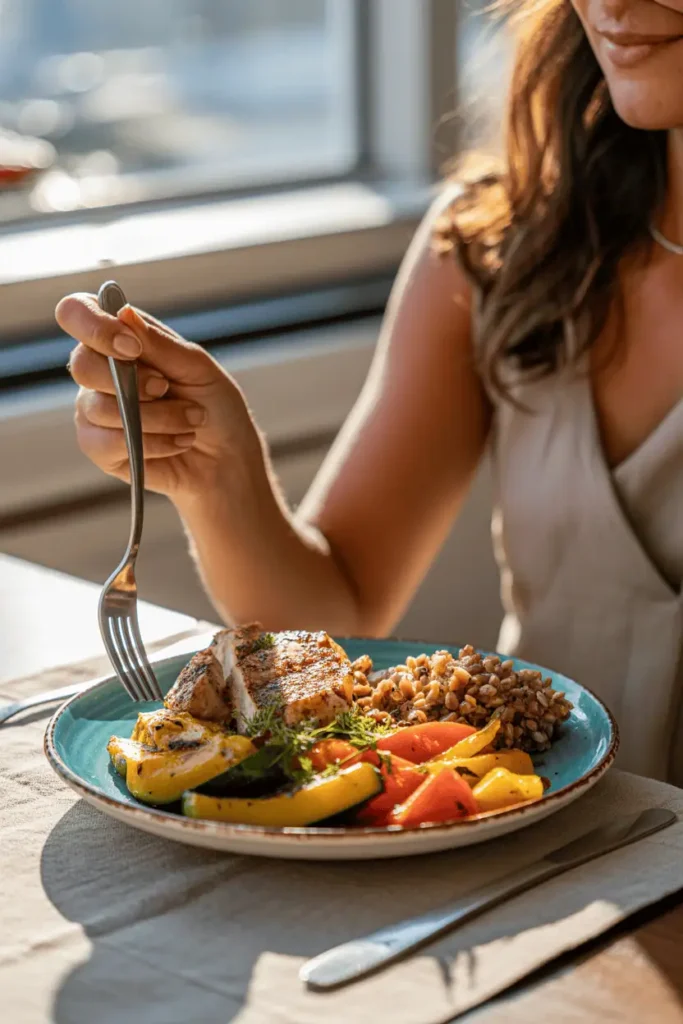
The Mediterranean way of eating has been studied extensively for good reason—it's consistently linked to better heart health, reduced inflammation, improved digestion, and even better mood. But what makes it so effective isn't some magical ingredient. It's the combination of whole foods, healthy fats, lean proteins, and lots of vegetables that work together to help your body function better.
When you build dinners around these principles, you're giving your digestive system a break from processed foods, added sugars, and heavy meals that take hours to digest. Your blood sugar stays steadier, so you don't get those evening energy crashes or late-night cravings. The healthy fats from olive oil and fish help reduce inflammation, which means less bloating and joint discomfort. And because these meals are naturally rich in fiber, your gut gets the support it needs to reset and heal.
You're not following rules. You're just eating food that makes your body work with you, not against you.
What Makes a Dinner Mediterranean
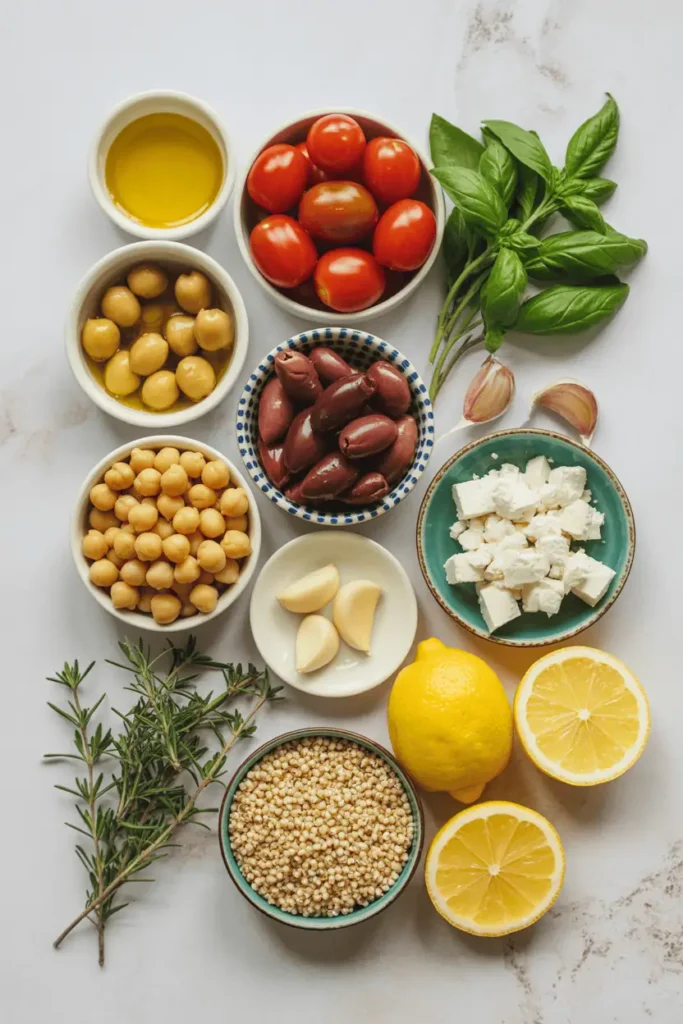
Mediterranean dinners are surprisingly simple. They center around vegetables—lots of them—paired with a moderate portion of protein like fish, chicken, or legumes. Whole grains such as farro, quinoa, or brown rice provide satisfying substance without making you feel stuffed. And everything is brought together with olive oil, fresh herbs, lemon, and garlic for flavor that doesn't rely on heavy sauces or excess salt.
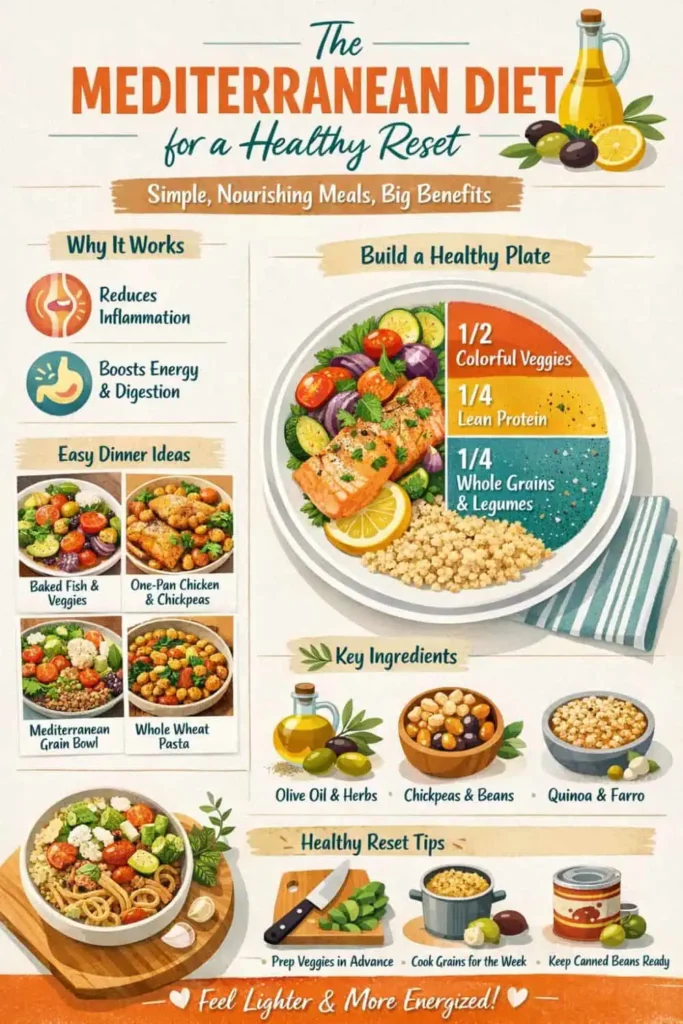
Think of a plate where half is filled with colorful vegetables, a quarter has your protein, and a quarter offers whole grains or beans. Healthy fats come from olive oil drizzled over roasted vegetables or a handful of olives on the side. Fresh herbs like parsley, basil, or oregano add brightness. It's balanced without being boring, and flexible enough to work with whatever you have on hand.
The beauty is in the simplicity. You're not measuring macros or eliminating food groups. You're just building meals around real, whole ingredients that have been nourishing people around the Mediterranean for centuries.
Simple Mediterranean Dinner Ideas
These aren't recipes that require a trip to specialty stores or hours in the kitchen. They're realistic dinners you can make on a weeknight when you're already tired.
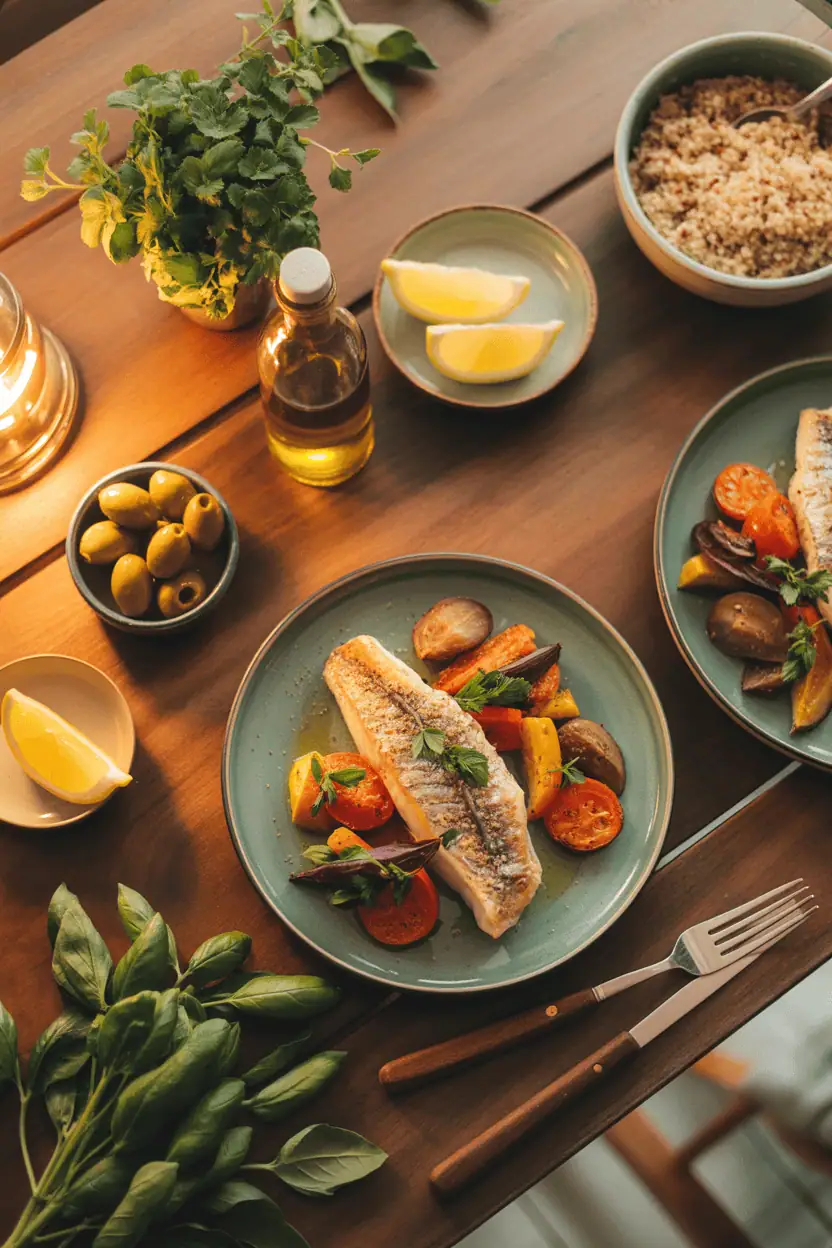
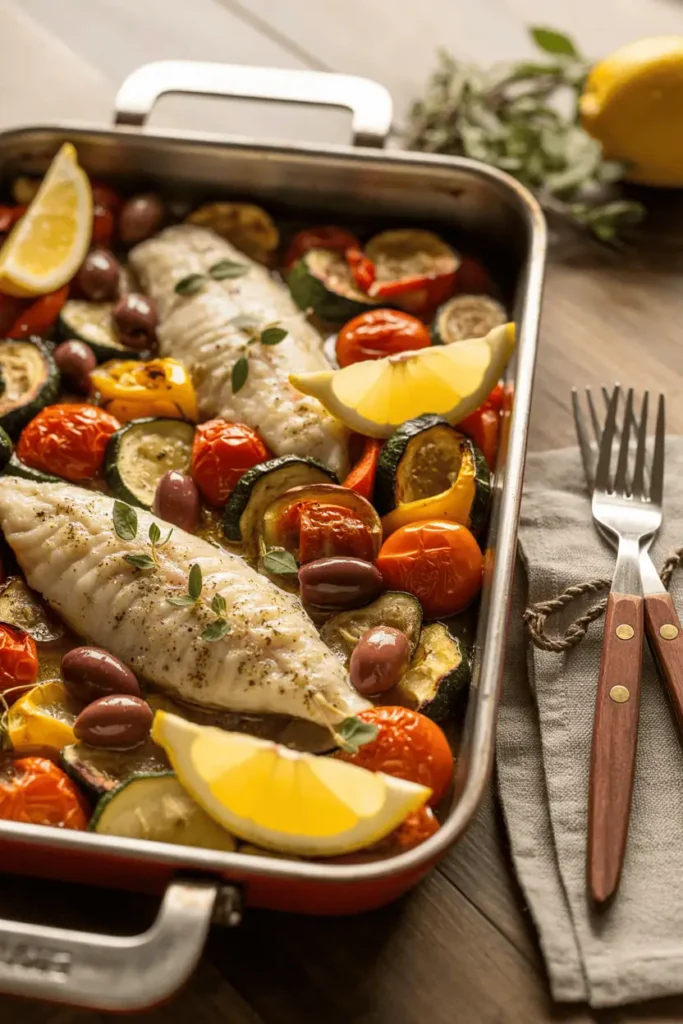
Start with baked fish and vegetables. Place white fish fillets—like cod, halibut, or even salmon—in a baking dish with cherry tomatoes, sliced bell peppers, zucchini, and a few Kalamata olives. Drizzle everything with olive oil, add minced garlic, a squeeze of lemon, and some dried oregano. Bake at 400°F for about 20 minutes. Serve it with a side of whole grain couscous or quinoa. The fish stays tender, the vegetables get slightly caramelized, and cleanup is minimal.
If you prefer chicken, try a one-pan Mediterranean chicken with chickpeas. Season chicken thighs with paprika, garlic powder, and a pinch of salt. Brown them in a large skillet with olive oil, then add canned chickpeas, diced tomatoes, spinach, and a spoonful of harissa or red pepper flakes if you like heat. Let everything simmer together for 15 minutes. The chicken stays juicy, the chickpeas absorb all the flavors, and the spinach wilts down into the sauce. Serve it over farro or with warm pita bread.
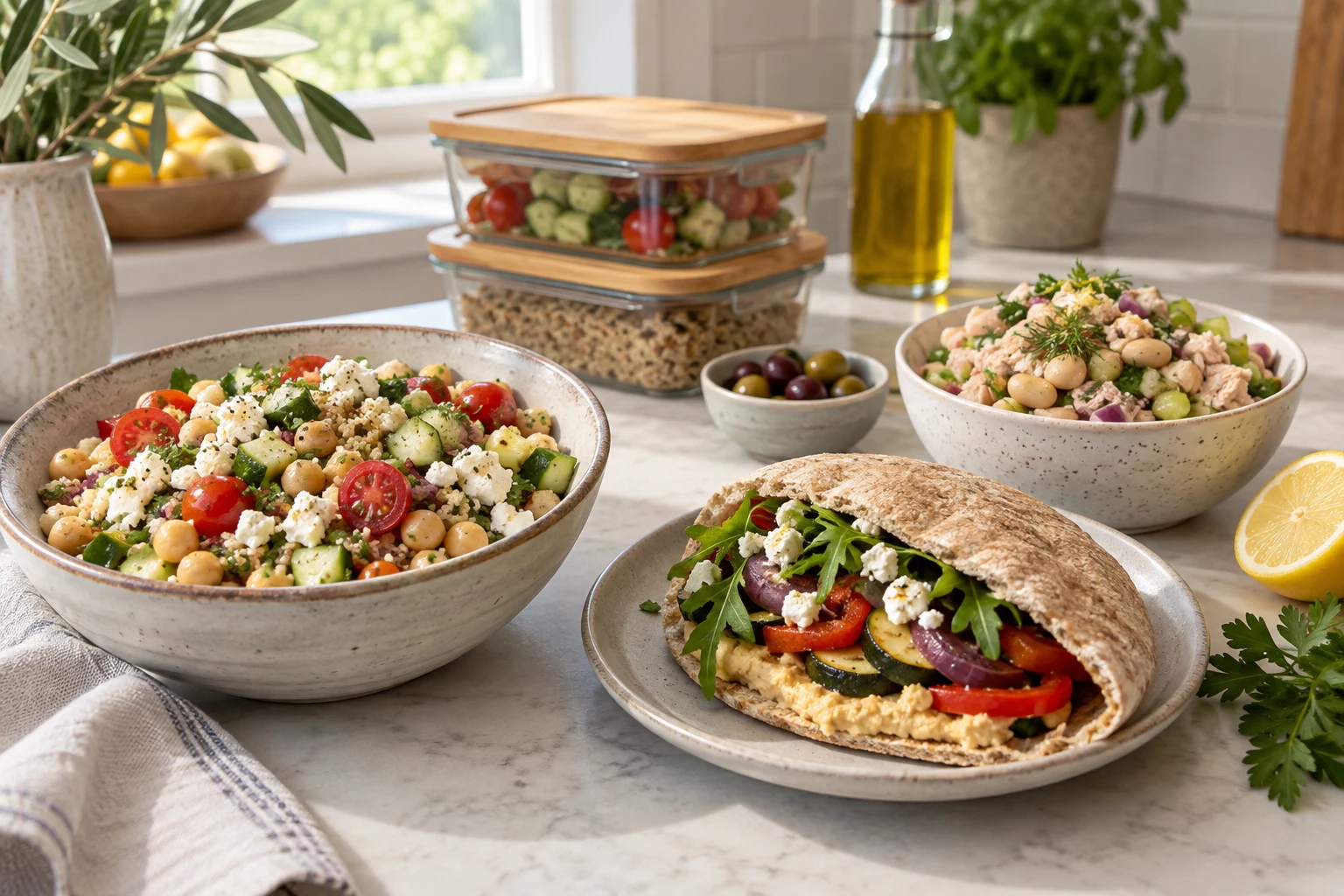
For a lighter option, grain bowls are incredibly versatile. Cook quinoa or farro, then top it with roasted vegetables like eggplant, red peppers, and red onion. Add a scoop of hummus, some crumbled feta, cucumber slices, and fresh parsley. Drizzle with tahini or a simple lemon-olive oil dressing. You get different textures and flavors in every bite, and it's the kind of meal that feels nourishing without being heavy.
Even pasta can be Mediterranean when you keep it simple. Toss whole wheat pasta with sautéed garlic, white beans, cherry tomatoes, and arugula. Finish with a drizzle of good olive oil, lemon zest, and a sprinkle of parmesan. The beans add protein and fiber, the greens add nutrients, and the whole thing comes together in the time it takes to boil pasta.
Key Ingredients to Keep Stocked
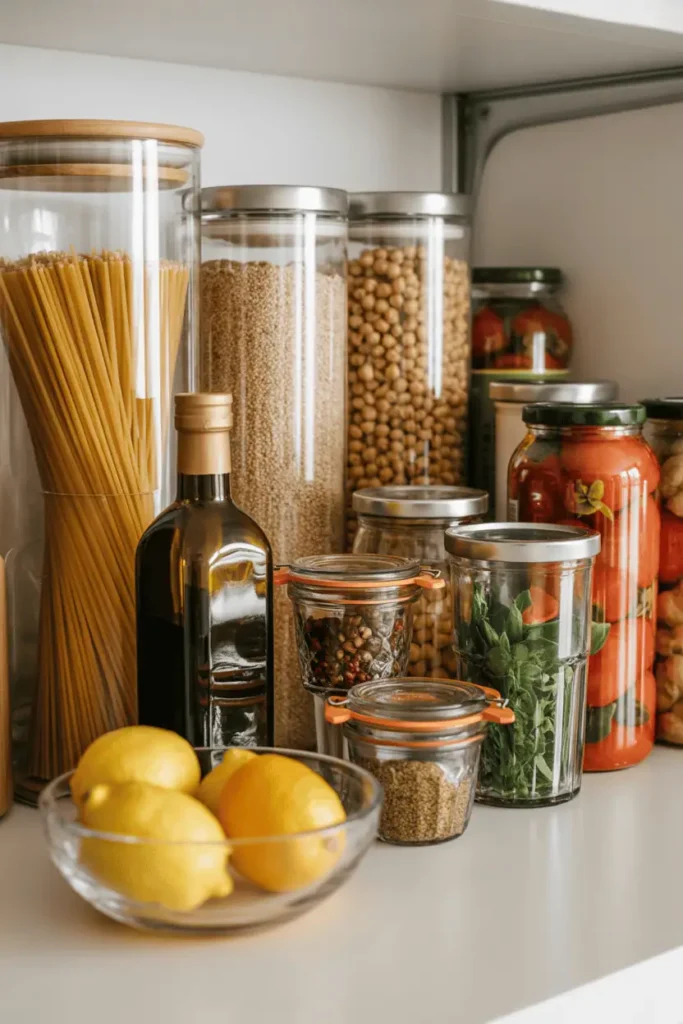
Having certain staples on hand makes Mediterranean dinners almost effortless. Olive oil is your primary cooking fat—use it for roasting, sautéing, and drizzling. Canned chickpeas and white beans are pantry lifesavers that add protein and substance to any meal. Canned tomatoes, whether diced or crushed, form the base of countless sauces and stews.
Fresh vegetables are essential, but frozen works too—especially spinach, green beans, and bell peppers. Keep lemons around for brightness and acidity. Garlic and onions build flavor in nearly every dish. Dried herbs like oregano, basil, and thyme are fine when fresh isn't available. Feta cheese, olives, and tahini add those distinctly Mediterranean flavors that make simple meals feel special.
Whole grains like quinoa, farro, brown rice, and whole wheat pasta give you options for different textures and cooking times. And if you eat fish, having some frozen fillets means you always have a quick protein option that thaws in minutes under cold water.
Making Mediterranean Dinners Work for Busy Weeks
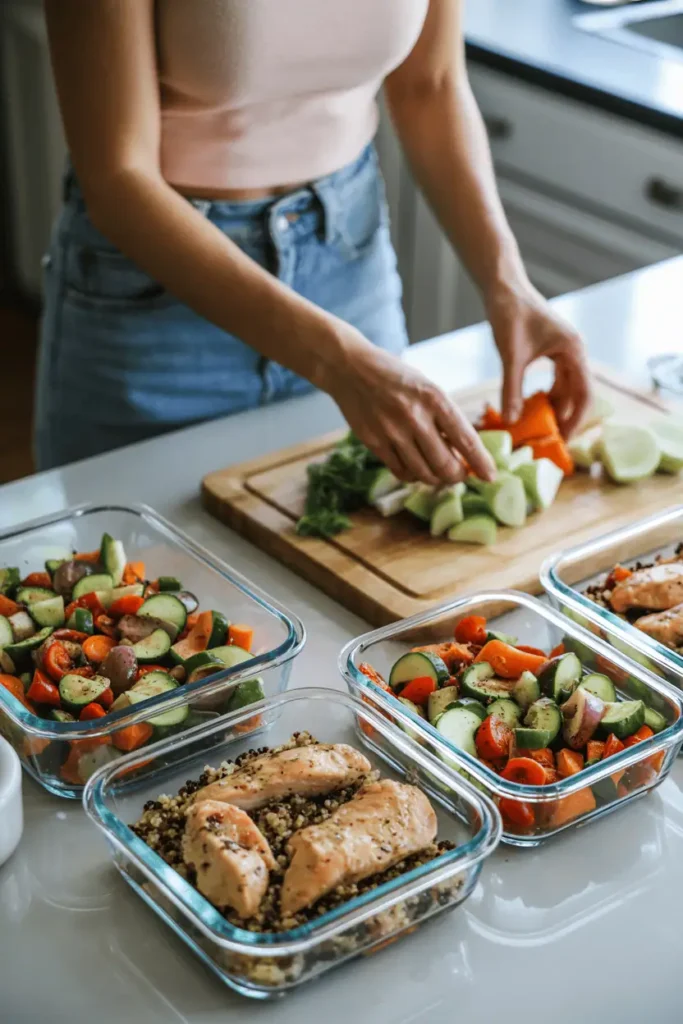
The secret to actually eating this way during a hectic week is doing a little prep ahead of time. You don't need to meal prep like a bodybuilder—just a few strategic steps make dinner come together in 20 minutes instead of an hour.
Spend 30 minutes on Sunday roasting a big batch of vegetables. Toss chopped zucchini, bell peppers, eggplant, red onion, and cherry tomatoes with olive oil, salt, and dried herbs, then roast at 425°F until caramelized. Store them in the fridge, and throughout the week you can add them to grain bowls, toss them with pasta, serve them alongside fish, or stuff them into pita with hummus.
Cook a big pot of whole grains—quinoa, farro, or brown rice—and portion it into containers. Cooked grains keep for 4-5 days and reheat beautifully. Having them ready means dinner can be as simple as reheating grains, adding pre-roasted vegetables, a protein, and a drizzle of tahini or olive oil.
Prep your proteins too. Marinate chicken breasts in lemon juice, garlic, and olive oil so they're ready to grill or bake. Keep canned tuna or sardines in the pantry for nights when you need something even faster. If you buy fresh fish, cook it the day you buy it or freeze individual portions so you can thaw just what you need.
Even small steps help. Wash and chop vegetables when you get home from the store. Make a big batch of hummus or tzatziki to use throughout the week. Keep a jar of homemade lemon-olive oil dressing in the fridge. These little things remove friction, so when dinner time comes, the healthy choice is also the easy choice.
What to Scale Back On
Mediterranean eating isn't about eliminating foods, but it does naturally emphasize some things while reducing others. Red meat isn't off-limits, but it becomes more of an occasional choice rather than an everyday protein. Processed meats like bacon and deli meats are minimized because they're high in sodium and preservatives.
Butter and cream get replaced with olive oil and yogurt—not because they're "bad," but because the Mediterranean alternatives offer more beneficial fats. Refined grains like white bread and white pasta take a backseat to whole grain versions that provide more fiber and nutrients. And heavily processed snacks and sweets aren't part of the pattern, though fresh fruit often serves as a naturally sweet ending to meals.
You're not restricting. You're shifting the balance toward foods that support how you want to feel.
How This Feels in Your Body

After a few days of eating Mediterranean-style dinners, you'll start noticing subtle changes. Your digestion improves—less bloating, more regularity, a general sense of lightness after meals instead of that overstuffed feeling. Your energy in the evening feels steadier. You're not crashing on the couch after dinner because your body isn't working so hard to process heavy, complicated foods.
Sleep often improves because you're not going to bed feeling uncomfortably full. Inflammation markers in your body start to decrease, which might show up as less joint stiffness, clearer skin, or reduced puffiness. Your mood might feel more balanced because your blood sugar isn't spiking and crashing throughout the evening.
It's not dramatic or instant, but it's real. Your body responds to being fed well—not perfectly, just consistently better. And that response builds on itself. When you feel good after dinner, you're more likely to make similar choices the next night. It becomes a gentle, positive cycle instead of a struggle.
Finding Your Mediterranean Rhythm
The best way to make this sustainable is to find a handful of dinners you genuinely enjoy and rotate through them. You don't need 30 different recipes. You need five or six that work for your taste, your schedule, and your cooking skill level.
Maybe you love sheet pan dinners, so you focus on different combinations of fish or chicken with roasted vegetables. Maybe grain bowls are your thing, and you experiment with different toppings and dressings. Maybe you prefer soups and stews that you can make in big batches and eat throughout the week.
Start small. Swap one or two dinners this week for Mediterranean-style meals. Notice how you feel afterward—physically and mentally. Do you have more energy? Does your stomach feel better? Are you satisfied without feeling stuffed? Let those feelings guide you toward doing it again.
This isn't about being perfect or following someone else's meal plan. It's about discovering that eating well doesn't have to be complicated or restrictive. It can be as simple as good olive oil, fresh vegetables, and a piece of fish. And when food is that straightforward, taking care of yourself becomes easier than you thought.
A healthy reset doesn't require detoxes, cleanses, or giving up entire food groups. Sometimes it's just about returning to simple, real food that's been nourishing people for generations. Mediterranean dinners offer exactly that—a way to eat that feels good in the moment and even better over time. When you build your evenings around meals like these, you're not just feeding yourself. You're giving your body what it needs to function well, and that makes everything else a little bit easier.