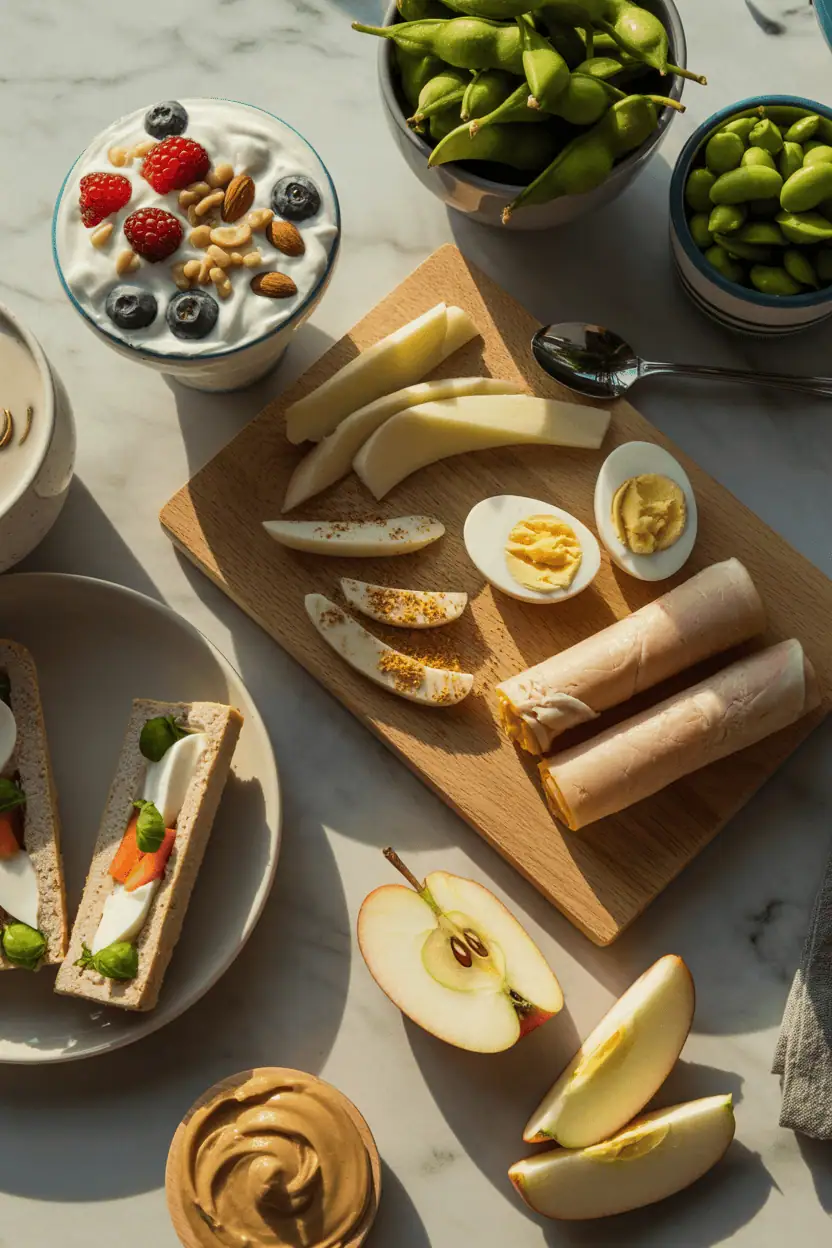
You know that 3 p.m. feeling. You've been powering through your day, and suddenly your energy drops off a cliff. You're tired, irritable, and struggling to focus. So you reach for something sweet—a granola bar, a handful of candy, maybe a muffin from the break room. It helps for about twenty minutes, then you crash even harder than before.
The problem isn't that you needed a snack. The problem is what you chose. Sugar gives you a quick spike, but it leaves you worse off when your blood sugar plummets. Protein, on the other hand, provides steady, sustained energy that carries you through without the crash. It keeps you fuller longer, stabilizes your mood, and helps you avoid that frantic, desperate hunger that leads to poor choices.
Let's talk about snacks that actually work—the kind that give you energy and keep it going.
Why Protein Prevents Energy Crashes

When you eat something high in sugar or refined carbs, your blood sugar shoots up quickly. Your body releases insulin to bring it back down, but sometimes it overshoots, leaving you with low blood sugar and that familiar tired, shaky feeling. It's a rollercoaster that leaves you reaching for more sugar just to feel normal again.
Protein works differently. It's digested more slowly, which means it releases energy gradually instead of all at once. This keeps your blood sugar stable, so you don't experience those dramatic highs and lows. You feel satisfied for longer because protein triggers hormones that tell your brain you're full. And because your body has to work harder to digest protein, your metabolism stays slightly elevated, which means you're burning more calories just by eating it.
For people with diabetes or prediabetes, high-protein snacks are particularly beneficial because they don't spike blood sugar the way carb-heavy snacks do. But even if your blood sugar is normal, protein helps you avoid that mid-afternoon slump that makes you want to crawl under your desk and nap.
What Makes a Good High-Protein Snack
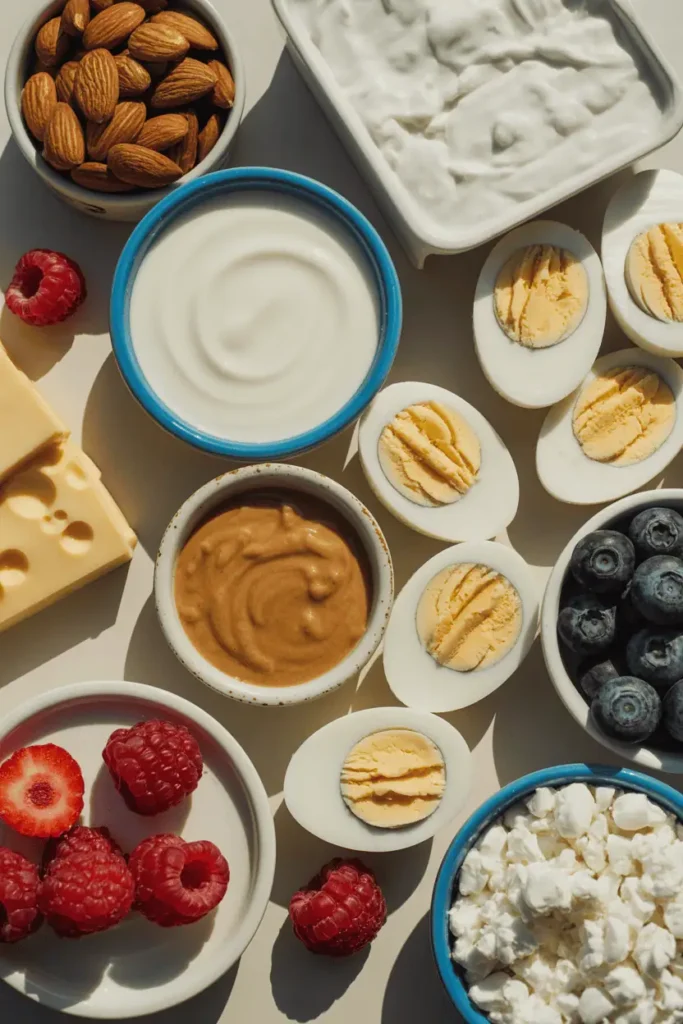
Not all protein snacks are created equal. The best ones combine protein with a little healthy fat or fiber to make them even more satisfying. You're looking for at least 7-10 grams of protein per snack—enough to actually make a difference in how you feel.
Avoid snacks that are high in protein but also loaded with added sugar. Some protein bars have as much sugar as a candy bar, which defeats the entire purpose. Read labels and look for snacks with minimal ingredients, low added sugar, and a good balance of protein and healthy fats.
The snack should also be something you actually enjoy eating. If it tastes like cardboard or feels like a chore to eat, you won't stick with it. Good protein snacks can be savory or sweet, crunchy or creamy, warm or cold. The key is finding options that fit your preferences and your lifestyle.
Simple High-Protein Snack Ideas
These are realistic, easy options you can grab when you're actually hungry, not elaborate recipes that require meal prep.
Greek Yogurt with Nuts and Berries
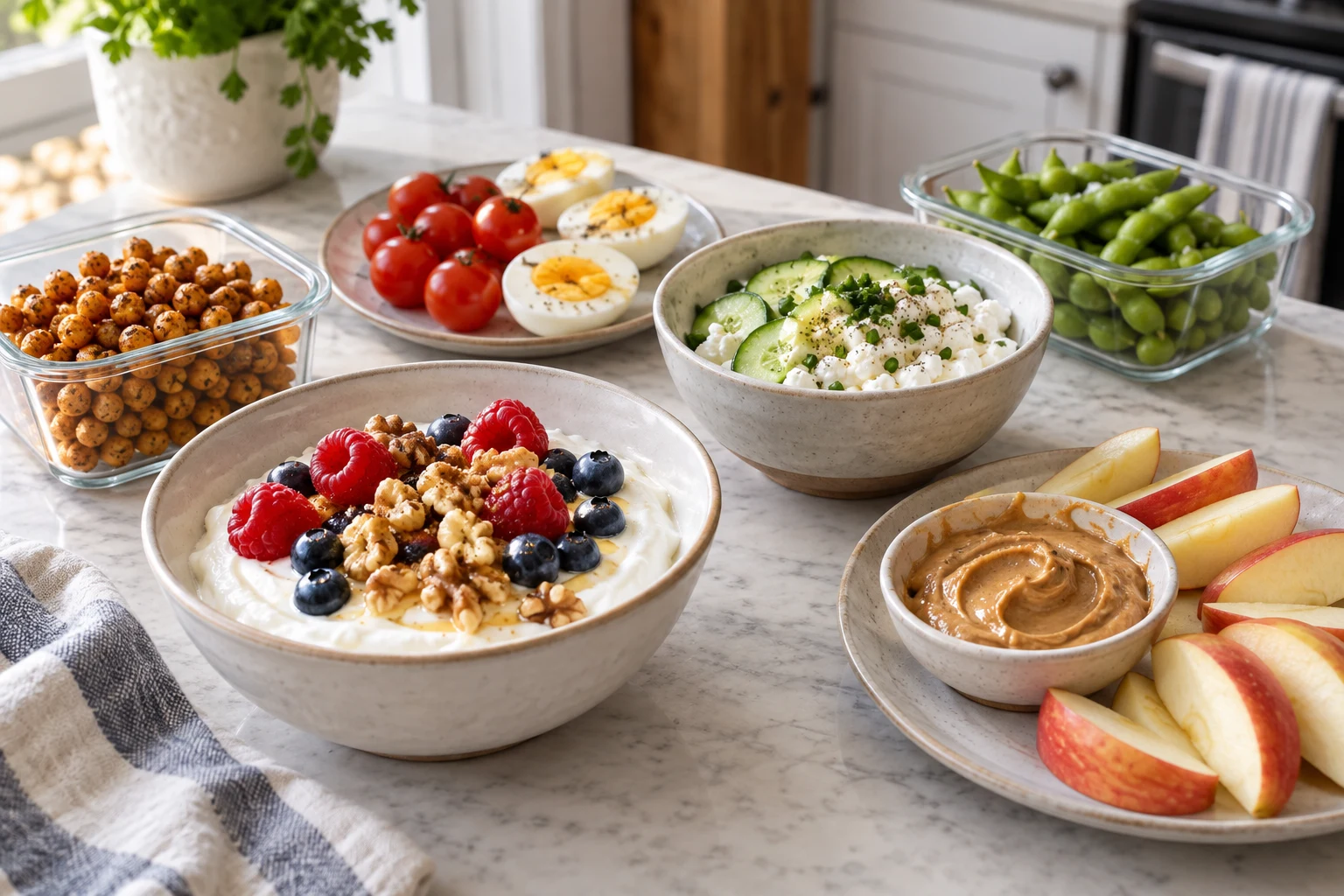
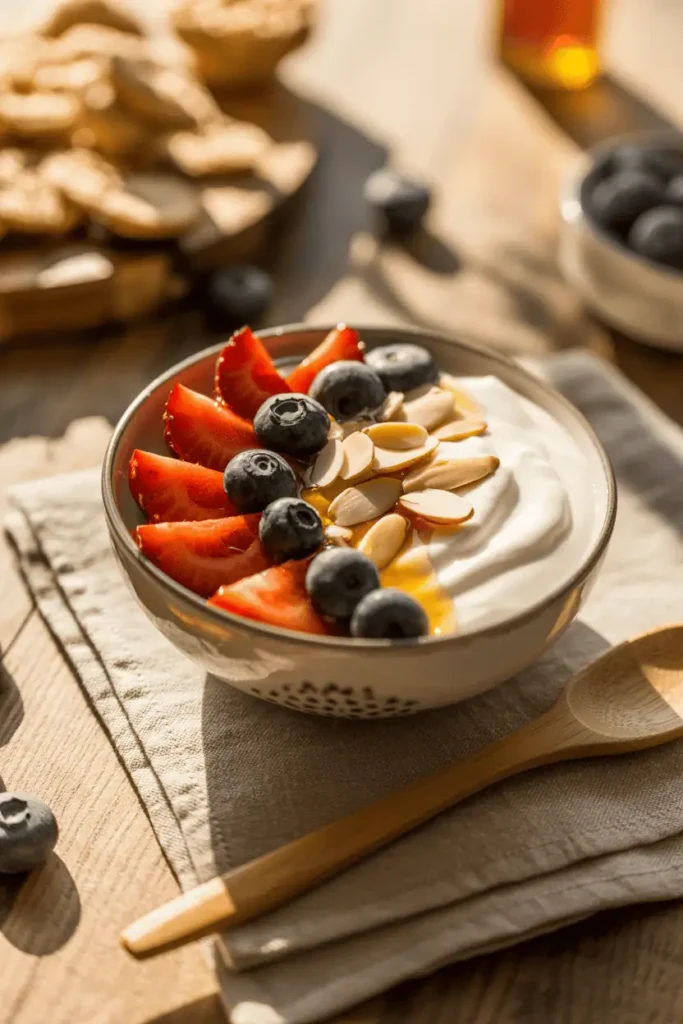
A half-cup of plain Greek yogurt gives you about 13 grams of protein. Add a handful of almonds or walnuts for healthy fats and crunch, plus some fresh berries for natural sweetness and antioxidants. Skip the flavored yogurt—it's usually loaded with sugar. If you need sweetness, a small drizzle of honey or a sprinkle of cinnamon works better.
Hard-Boiled Eggs
Two hard-boiled eggs provide around 12 grams of protein and are one of the most portable snacks you can make. Boil a batch at the beginning of the week and keep them in the fridge. Sprinkle with salt and pepper, or mash one with a little avocado for extra creaminess and healthy fats. They're simple, satisfying, and genuinely fill you up.
Turkey and Cheese Roll-Ups
Take a few slices of lean turkey breast and wrap them around a slice of cheese. Three slices of turkey and one slice of cheese give you about 14 grams of protein. Add a pickle or some mustard if you want extra flavor. It's a no-cook snack that you can put together in seconds, and it's substantial enough to hold you over until your next meal.
Cottage Cheese with Fruit
Half a cup of cottage cheese has roughly 12 grams of protein. Pair it with pineapple, peaches, or berries for sweetness and vitamins. Some people find the texture of cottage cheese off-putting, but if you blend it smooth or mix it with a little fruit, it becomes creamy and surprisingly delicious. It's also incredibly versatile—add a drizzle of honey, a sprinkle of cinnamon, or even savory seasonings like black pepper and cherry tomatoes.
Roasted Chickpeas
Drain and rinse a can of chickpeas, toss them with olive oil and your favorite spices, and roast them at 400°F until crispy—about 30-40 minutes. One cup gives you about 15 grams of protein plus fiber for sustained energy. Season them with paprika, cumin, garlic powder, or even cinnamon and a little sugar for a sweet version. They're crunchy, satisfying, and you can make a big batch to snack on all week.
Apple Slices with Almond Butter
Slice an apple and spread two tablespoons of almond butter on the slices. You get about 7 grams of protein, plus fiber from the apple and healthy fats from the almond butter. The combination of sweet and savory, crunchy and creamy, hits all the right notes. Peanut butter works too if you prefer it, or try cashew butter for something different.
Protein Smoothie
Blend one scoop of protein powder with milk (dairy or fortified plant-based), frozen fruit, and a spoonful of nut butter. Depending on the protein powder, this can give you 20-25 grams of protein, making it substantial enough to be a small meal. It's fast, portable if you have a good travel cup, and endlessly customizable. Add spinach for extra nutrients, or frozen berries for antioxidants and natural sweetness.
Edamame
A cup of cooked, shelled edamame provides 18 grams of protein and 8 grams of fiber. You can buy it frozen and just microwave it for a few minutes. Sprinkle with sea salt or try it with a little soy sauce and sesame oil. It's filling, nutritious, and has a satisfying texture that makes you feel like you're eating something substantial.
Store-Bought High-Protein Snacks
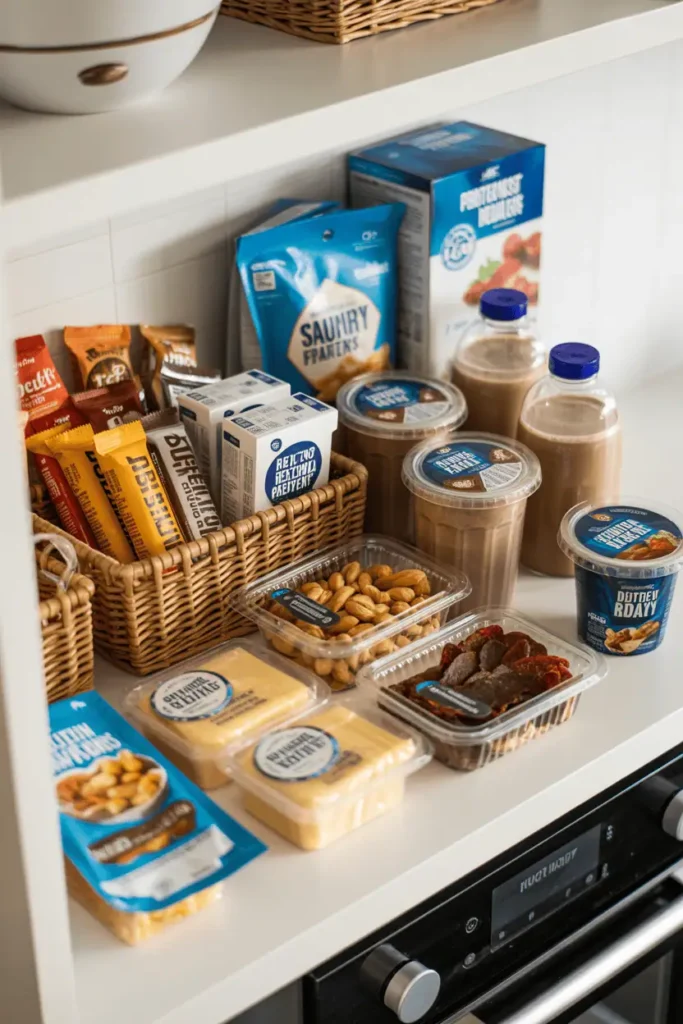
Sometimes you need something you can grab from the store without any prep. Here's what to look for:
Protein Bars
Choose bars with at least 10 grams of protein and less than 10 grams of sugar. Look for short ingredient lists with recognizable foods—nuts, seeds, dates, protein powder. Avoid bars with long lists of chemicals or ones that taste suspiciously like candy. Good brands prioritize protein and healthy fats over sugar and fillers.
String Cheese
One stick of part-skim mozzarella string cheese has about 7 grams of protein. It's portable, doesn't require refrigeration for a few hours, and is easy to keep in your bag or desk drawer. Pair it with a small handful of nuts or a piece of fruit for a more balanced snack.
Jerky
Beef, turkey, or salmon jerky can provide 10-15 grams of protein per serving. Watch the sodium content—some brands are extremely salty. Look for varieties with minimal added sugar and simple seasonings. It's shelf-stable, portable, and satisfying if you like savory, chewy snacks.
Protein Shakes
Ready-to-drink protein shakes are convenient when you're on the go. Look for ones with at least 15-20 grams of protein and low sugar. They're not as satisfying as whole food snacks because you're drinking rather than chewing, but they're better than nothing when you're rushing between meetings or errands.
Nuts and Seeds
Pre-portioned packs of almonds, pistachios, or pumpkin seeds are easy to throw in your bag. An ounce of almonds has about 6 grams of protein plus healthy fats. Pistachios offer 6 grams of protein and 3 grams of fiber per ounce. They're calorie-dense, so watch your portions, but they're incredibly satisfying and nutrient-rich.
Timing Your Protein Snacks
The best time to eat a protein snack is when you're starting to feel genuinely hungry, not when you're bored or stressed. If you eat every 3-4 hours, you'll likely need a snack between breakfast and lunch, and another between lunch and dinner.
Mid-morning snacks help if you eat breakfast early and lunch late. Mid-afternoon snacks prevent that 3 p.m. crash that makes you want to face-plant into your keyboard. Post-workout snacks support muscle recovery and prevent excessive hunger later. Evening snacks can help if you eat dinner early and go to bed late, but make sure they're not so close to bedtime that they interfere with sleep.
Listen to your body. If you're genuinely hungry, eat. If you're just looking for a distraction or a pick-me-up, try drinking water first or taking a short walk. Sometimes what feels like hunger is actually thirst, boredom, or the need for a mental break.
How Protein Snacks Change Your Energy

When you start choosing protein over sugar, the changes are subtle at first but build over time. You'll notice you don't get as hungry between meals. That frantic, desperate hunger that makes you want to eat everything in sight becomes less common because your blood sugar stays more stable.
Your energy feels steadier throughout the day. You're not riding that rollercoaster of highs and crashes. You can focus better because your brain is getting consistent fuel instead of dealing with blood sugar spikes and drops. Your mood improves too—irritability and brain fog often come from unstable blood sugar, and protein helps smooth that out.
If you're trying to manage your weight, protein snacks help because they keep you satisfied longer, which means you're less likely to overeat at meals. You're not constantly fighting hunger or cravings, so healthy eating becomes easier instead of a constant battle.
Making Protein Snacks a Habit
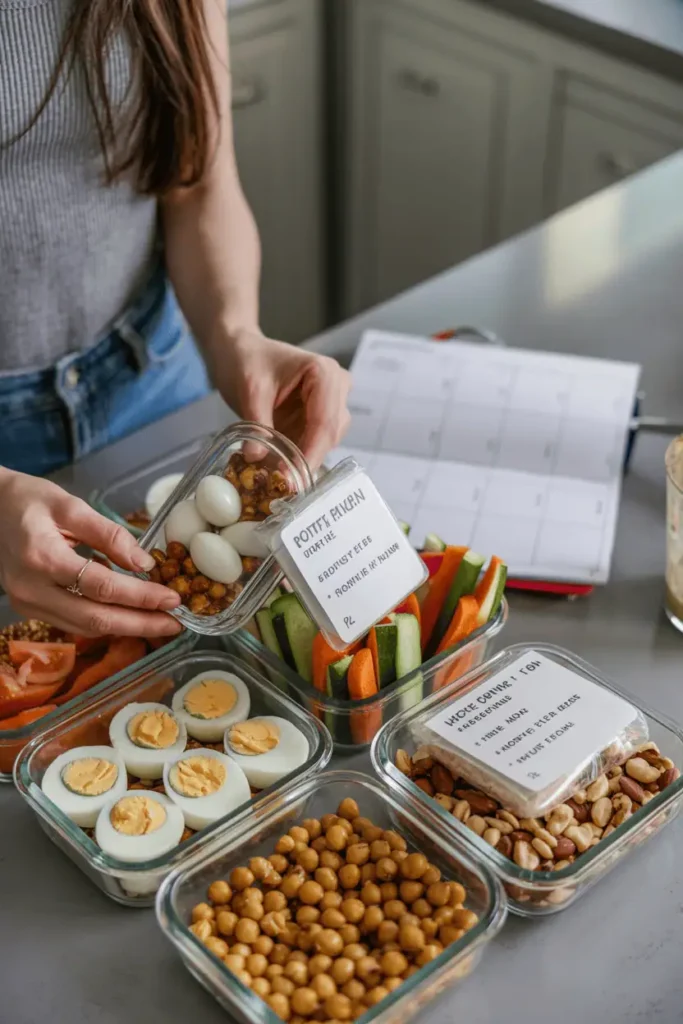
The key to actually eating more protein is having it available when you need it. Keep hard-boiled eggs in your fridge. Store nuts in your desk drawer or car. Buy string cheese and Greek yogurt every week. Have protein powder on hand for smoothies.
Prep snacks when you're already cooking. If you're making chicken for dinner, cook extra and portion it out for snacks during the week. If you're boiling eggs for breakfast, make a dozen instead of two. If you're at the store, grab an extra container of hummus and some pre-cut vegetables.
Don't wait until you're starving to think about what to eat. By that point, you'll grab whatever's closest, which is usually not the healthiest option. Plan ahead just enough that the easy choice is also the good choice.
Energy doesn't have to come from sugar, and snacks don't have to leave you worse off than when you started. When you choose protein, you're giving your body steady fuel that keeps you going without the crash. You feel fuller, more focused, and more in control of your choices. It's not about being perfect or never eating something sweet again. It's just about having better options available so that when you're hungry, you can reach for something that actually helps. And when you do that consistently, everything else gets a little bit easier.