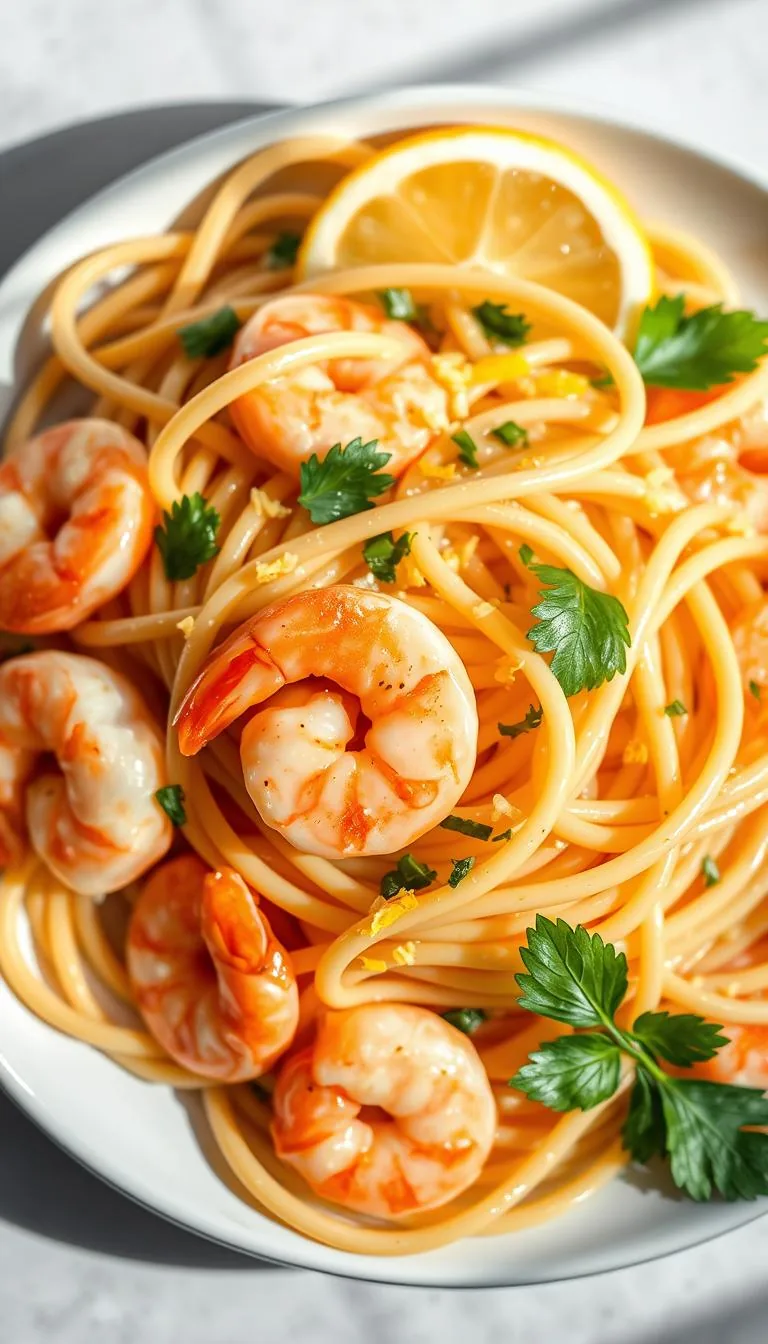
Welcome to my favorite weeknight dinner that always impresses! This easy shrimp pasta recipe is perfect for a quick meal. It's full of bright, zesty flavors and tender seafood.
And the best part? It's ready in just 30 minutes! I'm thrilled to share this recipe with you. It's been a huge game-changer in my kitchen.
Whether it's a busy Tuesday with family or a casual dinner party with friends, this dish is a winner. You'll use simple ingredients you probably have at home.
The mix of succulent seafood, aromatic seasonings, fresh citrus, and perfectly cooked noodles is amazing. Trust me, once you get the hang of it, you'll make it again and again!
Key Takeaways
- Ready in just 30 minutes - perfect for busy weeknights
- Uses simple ingredients you likely have in your pantry
- Delivers restaurant-quality flavors at home
- Works great for both family dinners and entertaining guests
- Features bright, zesty flavors that everyone loves
- Easy technique you'll want to repeat often
What Makes This Lemon Garlic Shrimp Pasta Recipe Irresistible
This garlic butter shrimp pasta recipe is a hit with its mix of fresh ingredients. The lemon's tanginess pairs perfectly with the garlic butter sauce. Every pasta strand is covered in this absolutely divine mix!
The dish's flavor is what makes it stand out. It tastes like a fancy restaurant meal, thanks to the tender shrimp. The pasta soaks up all the flavors, making a sauce that sticks to every piece.
The amazing texture contrast is a highlight. The shrimp is tender, and the pasta is just right. The garlic adds a deep flavor that goes well with the lemon.
This dish is quick, too - it's ready in under 20 minutes! It's like having a gourmet meal without the wait. The smell alone will draw your family to the kitchen.
This recipe is also super versatile. You can add your favorite veggies or tweak the garlic and lemon. It's like a blank canvas for your personal touch.
This lemon garlic shrimp pasta turns simple ingredients into something amazing. It's fresh, indulgent, quick, and satisfying. It's perfect for busy cooks who don't want to give up on flavor!
Essential Ingredients for Perfect Results
Quality ingredients make a simple quick pasta dinner truly special! Starting with the right parts, your lemon garlic shrimp pasta cooks itself. Each ingredient adds its own special touch to the dish.
Let's explore the key elements that make this recipe stand out. We have four main players that work together to create amazing flavors. Each one plays a unique role in the dish.
Selecting the Best Shrimp for Your Dish
Medium to large shrimp are perfect for this recipe. I choose 31-40 count per pound for their size. They hold their own against the pasta.
Fresh shrimp are great, but don't worry if you have frozen. Just thaw and pat dry. Look for shrimp that smell fresh and clean. Avoid any with a fishy smell or black spots.
Choosing the Right Pasta Shape
The pasta shape is key for sauce cling! Linguine and fettuccine are my top choices. Their flat surfaces catch the lemon garlic sauce well. Angel hair is also good for a lighter feel.
Avoid short, chunky shapes like penne. They don't hold the sauce like long, flat noodles do. I've tried them all, and trust me on this.
Fresh Lemon vs. Bottled: Why It Matters
Fresh lemon juice is a must! It's the only way to get that bright, zingy flavor. You'll need both juice and zest for the best taste.
Choose heavy, smooth lemons for juicing. Roll them on the counter before juicing for more juice. One medium lemon gives 2-3 tablespoons of juice.
Garlic Selection and Preparation Tips
Fresh garlic cloves are key for the aromatic foundation of this dish. Avoid pre-minced jars for better flavor. Look for firm bulbs with tight skin.
Crush the cloves with a knife, then mince finely. This releases more oils for a great smell. Don't let the garlic brown while cooking, as it becomes bitter.
Kitchen Equipment and Tools You'll Need
Let me share the essential kitchen equipment for this seafood pasta dish. It's simple and doesn't require fancy gadgets. You likely have everything you need already.
This makes cooking fun and accessible for everyone. It's all about simplicity!
Essential Cookware
Choosing the right cookware is key for perfect results. Here's what you'll need:
- Large skillet or sauté pan - A 12-inch pan is best for shrimp
- Quality pasta pot - It should be big for pasta to cook evenly
- Colander - Important for draining pasta well
A large skillet prevents overcrowding. This ensures your shrimp cook evenly and look great!
Your pasta pot needs to be spacious too. If it's too small, pasta cooks unevenly and sticks. That's not what we want!
Helpful Prep Tools
These tools make cooking easier and more enjoyable:
- Sharp chef's knife - Great for mincing garlic and chopping
- Microplane zester - Makes fine lemon zest (a fine grater works too!)
- Citrus juicer - Gets every last drop of lemon juice
- Pasta fork or tongs - Important for serving and presentation
A sharp knife is essential. It makes mincing garlic quick and safe.
The microplane zester adds fluffy, aromatic lemon zest. Fresh zest is a game-changer!
Remember to have everything ready before you start cooking. This recipe cooks fast once you begin. Being organized keeps you calm and confident!
Preparing Your Ingredients Like a Pro
Mastering ingredient preparation is key to making a dish stand out. Proper prep sets you up for success. This is true for making that perfect lemon butter sauce for our shrimp pasta.
Great prep work is like having a secret weapon in the kitchen. It makes cooking smoother and more fun! Plus, you can focus on timing and technique, not scrambling to clean shrimp while your garlic burns.
Here are my favorite prep techniques to cook like a pro. These methods have saved me from many kitchen disasters!
Cleaning and Deveining Shrimp Properly
Shrimp prep is simple once you know the right technique. I've taught this method to many, and they're amazed at how easy it is.
Start by rinsing your shrimp under cold water. Remove the shell by gently pulling it away from the body, starting at the head end. You can leave the tail on for presentation, or remove it completely - your choice!
For deveining, make a shallow cut along the back of the shrimp with a small paring knife. You'll see a dark line - that's the vein we want to remove. Gently lift it out with the tip of your knife or rinse it away under cold water. Don't worry if you can't get every tiny bit - you're doing great!
The key to perfect shrimp is being gentle but thorough. Treat them with care, and they'll reward you with tender, sweet flavor.
| Shrimp Size | Prep Time | Cooking Time | Best Use |
|---|---|---|---|
| Large (21-25 count) | 2-3 minutes each | 2-3 minutes | Main protein focus |
| Medium (31-40 count) | 1-2 minutes each | 1-2 minutes | Perfect for pasta dishes |
| Small (51-60 count) | 30 seconds each | 1 minute | Quick appetizers |
Mincing Garlic for Maximum Flavor
Here's where the magic happens for our lemon butter sauce! Proper garlic preparation releases those amazing aromatic oils that make everything smell incredible.
First, crush each garlic clove with the flat side of your knife. This loosens the skin and makes peeling super easy. The skin should practically fall off on its own!
For mincing, I use a rocking motion with my chef's knife. Keep the tip of the blade on the cutting board and rock the knife back and forth over the garlic. The finer you mince it, the more flavor you'll release.
Here's my secret trick: sprinkle a tiny pinch of salt over the minced garlic and continue chopping. The salt helps break down the garlic cells even more, creating an almost paste-like consistency that distributes beautifully throughout your dish!
Zesting and Juicing Lemons Effectively
Fresh lemon preparation is absolutely key for that bright, vibrant flavor we're after. The difference between fresh and bottled is like night and day!
Always zest your lemons before you juice them - trust me on this one! Use a microplane or fine grater, and only grate the yellow part of the skin. The white pith underneath is bitter and will throw off your flavors.
For maximum juice extraction, roll your lemons on the counter while pressing down firmly. This breaks up the internal membranes and releases more juice. Room temperature lemons yield about 25% more juice than cold ones, so take them out of the fridge about 30 minutes before cooking.
When juicing, cut the lemon in half crosswise and use a fork to pierce the flesh before squeezing. This little trick helps release every drop of that precious citrus goodness that makes our sauce so special!
- One medium lemon typically yields 2-3 tablespoons of juice
- The same lemon provides about 1 tablespoon of zest
- Always taste as you go - some lemons are more tart than others
- Save any leftover zest in the freezer for future cooking adventures
With all your ingredients properly prepped, you're ready to create something truly amazing. The time you spend on preparation now will pay off beautifully when everything comes together in that perfect, silky lemon butter sauce!
Step-by-Step Cooking Process
Now, let's dive into the heart of this shrimp scampi recipe - the cooking process! This is where all your prep work comes together. You'll see how simple techniques can make your dish taste like it's from a restaurant.
The key to success is knowing the timing and sequence. Everything happens fast once you start. So, having a plan is key! I'll guide you through each step so you feel confident.
Getting Your Pasta Water Ready
Start by filling your largest pot with plenty of water. You'll need about 4-6 quarts for a pound of pasta. This lets your pasta cook without sticking together.
Add a lot of salt to the water. It should taste like the sea. The salt helps the water boil faster and improves the pasta's texture.
Bring the water to a rolling boil over high heat. You'll know it's ready when big, vigorous bubbles appear. This usually takes 8-12 minutes, depending on your stove.
Cooking Pasta to Perfect Al Dente
Once the water boils, add your pasta all at once. Stir it well right away to prevent sticking. This is super important in the first minute!
Cook the pasta for about 1-2 minutes less than the package says. We want it slightly underdone because it'll finish cooking in the sauce later. This ensures perfect texture!
Taste-test a piece about 2 minutes before the timer goes off. Perfect al dente pasta should have just a tiny bit of firmness in the center. It shouldn't be crunchy or mushy!
Sautéing Shrimp Without Overcooking
While your pasta cooks, heat a large skillet over medium-high heat. Add olive oil and let it shimmer - this means it's hot enough to start cooking!
Pat your shrimp dry with paper towels before adding them to the pan. Moisture is the enemy of good browning! Season them with salt and pepper right before they hit the hot oil.
Cook the shrimp for exactly 2-3 minutes per side - no longer! They should turn pink and curl slightly. The moment they're opaque throughout, remove them from the pan. Overcooked shrimp become rubbery, and we definitely don't want that!
Building the Lemon Garlic Sauce
In the same skillet where you cooked the shrimp, reduce heat to medium and add minced garlic. Sauté for just 30-60 seconds until fragrant - garlic burns quickly, so watch it carefully!
Add white wine or chicken broth to deglaze the pan, scraping up all those beautiful browned bits. These add incredible flavor to your sauce! Let it simmer for 2-3 minutes to cook off the alcohol.
Stir in butter, lemon juice, and lemon zest. The butter creates that gorgeous, glossy finish that makes restaurant-quality sauce. Add the cooked shrimp back to the pan along with the drained pasta.
Toss everything together gently, adding pasta water a little at a time if needed. The starchy pasta water helps bind the sauce to the noodles perfectly!
| Cooking Stage | Time Required | Key Temperature | Visual Cues |
|---|---|---|---|
| Boiling Water | 8-12 minutes | 212°F (100°C) | Rolling, vigorous bubbles |
| Pasta Cooking | 6-8 minutes | 212°F (100°C) | Slightly firm when bitten |
| Shrimp Sautéing | 4-6 minutes total | Medium-high heat | Pink, opaque, slightly curled |
| Sauce Building | 5-7 minutes | Medium heat | Glossy, well-combined |
Remember, timing is everything with this dish! The pasta should finish cooking just as your sauce comes together. With a little practice, you'll nail this timing every single time!
Mastering the Perfect Lemon Garlic Shrimp Pasta Technique
Creating perfect lemon garlic shrimp pasta is all about mastering three key techniques. These steps turn a simple weeknight dinner into a culinary masterpiece. With practice, you'll cook like a pro.
Good pasta becomes extraordinary when you get timing, sauce consistency, and combining right. These steps are the secret to making your pasta taste like it's from a restaurant.
Timing Your Cooking Steps
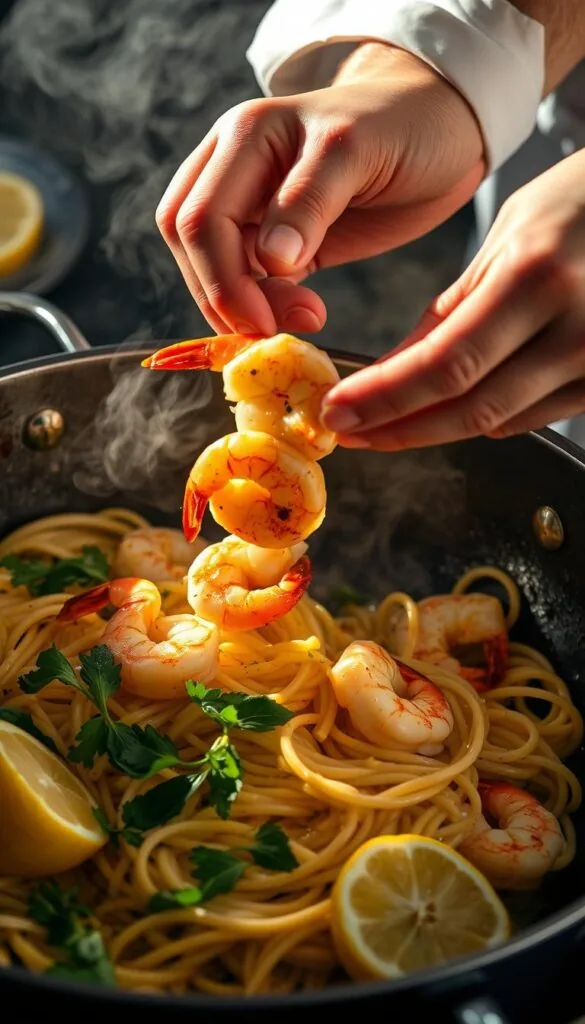
Timing is everything in cooking. Start by boiling your pasta water first. It takes the longest to boil. While waiting, prepare your shrimp and garlic.
Here's a simple timing plan: Put your pasta in boiling water 2 minutes before cooking the shrimp. Pasta takes 8-10 minutes, while shrimp cook in 3-4 minutes.
Don't let cooked shrimp sit for too long. They can become tough. Always drain pasta as soon as shrimp are done.
| Step | Timing | Key Action | Temperature |
|---|---|---|---|
| Start pasta water | 0 minutes | Bring to rolling boil | 212°F |
| Add pasta | 8 minutes | Stir immediately | Boiling |
| Heat pan for shrimp | 10 minutes | Medium-high heat | 350°F |
| Cook shrimp | 10-14 minutes | 2 minutes per side | Medium-high |
| Combine everything | 16 minutes | Toss with pasta water | Medium heat |
Achieving the Ideal Sauce Consistency
The perfect sauce coats pasta like silk. The secret is starchy pasta water. It's like liquid gold for your sauce.
Save a cup of pasta water before draining. This water helps mix oil, lemon, and garlic into a shiny sauce. Add it slowly!
Your sauce is ready when it lightly coats the back of a spoon. If it's too thick, add more water. Too thin? Simmer for 30 seconds to thicken.
Combining Pasta and Sauce Properly
This is where the magic happens! Don't just dump sauce over pasta. That's for beginners. Professionals use mantecatura, or "to cream" in Italian.
Put your drained pasta in the pan with shrimp and sauce. Toss over medium heat for 60-90 seconds. Add pasta water as needed. This makes the sauce cling to every strand.
The pasta should shine and look cohesive. Keep tossing until it looks like a restaurant dish. This weeknight dinner will be spectacular!
Serving and Presentation Tips
Beautiful presentation makes your Italian pasta recipe special. We eat with our eyes first. So, take a few minutes to make it look great. Your guests will be impressed!
Plating Like a Restaurant Chef
Plating like a pro is easy! Use wide, shallow bowls instead of deep ones. This lets you create a beautiful look.
Here's how to plate like a pro:
- Create height by twirling pasta with tongs and placing it in the center
- Arrange shrimp around the pasta mound, not buried underneath
- Drizzle sauce around the plate's rim for restaurant-style elegance
- Keep portions reasonable - about 4-6 ounces of pasta per person
Make sure everything looks balanced and intentional. Don't overcrowd the plate!
Best Garnishes and Accompaniments
The right garnishes make your dish amazing! They add flavor and texture.
My top garnishes include:
- Fresh herbs: Chopped parsley, basil chiffonade, or microgreens
- Cheese options: Freshly grated Parmesan, Pecorino Romano, or ricotta dollops
- Textural elements: Toasted pine nuts, breadcrumbs, or lemon zest
- Color pops: Cherry tomato halves or red pepper flakes
Choose 2-3 garnishes to avoid too much. Less is more!
Wine Pairing Suggestions
The right wine makes your Italian pasta recipe unforgettable. Choose wines that complement the flavors without overpowering them.
Here are my top picks:
White Wine Options:
- Pinot Grigio - crisp and clean, lets the lemon shine
- Sauvignon Blanc - herbaceous notes complement garlic beautifully
- Chardonnay - buttery richness balances the dish's brightness
Red Wine Alternatives:
- Chianti Classico - light enough not to overpower the delicate shrimp
- Pinot Noir - earthy undertones pair wonderfully with garlic
Serve whites chilled and reds at cellar temperature. Your guests will feel like they're at an Italian trattoria!
Storage and Reheating Guidelines
I'm excited to share my foolproof methods for storing and reheating this amazing dish without losing any of that incredible taste! Whether you're dealing with planned leftovers or you've made a big batch for meal prep, these techniques will keep your pasta tasting fresh and delicious.
The key to successful storage lies in understanding how each component behaves. Shrimp can become tough and rubbery if handled incorrectly, while pasta continues to absorb liquid even after cooking. Proper storage isn't just about food safety - it's about preserving those beautiful flavors and textures you worked so hard to create!
Proper Storage Methods
Let me walk you through the best ways to store your pasta dish! First, always let your lemon garlic shrimp pasta cool completely before refrigerating. This prevents condensation from making your pasta soggy.
Divide large portions into smaller containers for faster cooling and easier reheating. I recommend using airtight glass containers - they don't absorb odors and make reheating a breeze! Store your pasta in the refrigerator for up to 3 days maximum.
For longer storage, you can freeze portions for up to 2 months. The shrimp becomes a bit firmer, but it's delicious! Just make sure to use freezer-safe containers and leave some space for expansion.
The secret to great leftovers is treating them with the same care you gave the original dish.
Reheating Without Compromising Quality
Here's where the magic happens! Never microwave your shrimp pasta on high heat - it'll turn your beautiful shrimp into rubber balls. Instead, use these gentle reheating methods that actually refresh the dish.
My favorite method is stovetop reheating with a splash of fresh lemon juice. Add your pasta to a large skillet over medium-low heat. Sprinkle in a tablespoon of water or white wine, then cover and heat for 2-3 minutes. Stir gently and add a squeeze of fresh lemon juice right before serving!
For creamy shrimp pasta variations, add a splash of heavy cream or pasta water while reheating. This brings back that silky sauce consistency and makes everything taste freshly made!
| Reheating Method | Time Required | Best For | Pro Tips |
|---|---|---|---|
| Stovetop Skillet | 3-5 minutes | Best overall results | Add splash of liquid, cover, stir gently |
| Microwave (Low Power) | 1-2 minutes | Quick single servings | Use 50% power, cover with damp paper towel |
| Oven Method | 10-15 minutes | Large portions | Cover with foil, 300°F, add moisture |
| Steam Basket | 5-7 minutes | Preserving texture | Gentle heat prevents overcooking shrimp |
Remember, reheated pasta should be steaming hot throughout before serving. Always taste and adjust seasoning after reheating - you might need a pinch of salt, fresh pepper, or an extra squeeze of lemon to brighten everything up!
Pro tip: If your sauce seems too thick after storage, don't worry! Just add a splash of pasta water, chicken broth, or even a bit of white wine while reheating. This brings back that perfect sauce consistency and makes your leftovers taste amazing!
Recipe Variations and Creative Twists
This pasta with shrimp recipe is a blank canvas for your creativity! Once you learn the basics, you can explore endless flavors. It's a great way to keep dinner exciting and tailored to your taste.
The secret to this recipe is its flexible foundation. The lemon garlic base pairs well with many ingredients. It's perfect for pleasing everyone, from picky eaters to adventurous foodies.
Protein Substitutions
Shrimp is amazing in this dish, but you can swap it for other proteins. Scallops are a great choice - they cook in 2-3 minutes per side. Their sweet flavor complements the lemon garlic sauce perfectly.
Chicken is another excellent option for those who love shrimp but want something different. Cut chicken thighs into small pieces and cook for 5-6 minutes until golden. Remember, chicken takes longer to cook than shrimp.
For seafood fans, mixing different seafood is a hit! Add mussels, clams, or white fish like cod. Each adds its own taste, while the lemon garlic sauce brings it all together.
Adding Vegetables for Extra Nutrition
Adding veggies turns your pasta into a full, healthy meal! Spring veggies like asparagus and peas are absolutely perfect. They cook fast and add color. Just toss asparagus in the pan for the last 3-4 minutes.
In summer, zucchini, yellow squash, and cherry tomatoes are great. Cherry tomatoes burst with sweetness in the pan. Zucchini ribbons are elegant and cook in 1-2 minutes.
Year-round, baby spinach, bell peppers, and mushrooms are favorites. Spinach wilts instantly, while bell peppers and mushrooms need 4-5 minutes. Add harder veggies first, then softer ones.
Dietary Modifications and Alternatives
Making this recipe work for special diets is easy! For gluten-free, use rice noodles, zucchini noodles, or gluten-free pasta. Cooking times remain the same.
Dairy-free is simple too! Use high-quality olive oil or vegan butter instead of butter. The dish becomes lighter, and the lemon flavors shine.
For keto and low-carb diets, use spiralized veggies as pasta. Zucchini noodles, spaghetti squash, or shirataki noodles work well. Just cook them for 1-2 minutes.
Vegetarian versions skip the shrimp and focus on veggies and herbs. Try roasted eggplant, grilled mushrooms, or marinated artichoke hearts. The lemon garlic base enhances these plant-based ingredients.
Each variation keeps the lemon-garlic magic while introducing new flavors. Don't be afraid to try new things - it's where the fun starts!
Troubleshooting Common Cooking Problems
Every cook faces kitchen mishaps, but knowing how to fix them is key. Making homemade pasta sauce can be tricky. But, most problems are fixable with the right techniques!
Don't panic when things go wrong. Even professional chefs face these challenges. The key is staying calm and knowing which adjustments to make. I'll share my go-to fixes that actually work!
Fixing Sauce Consistency Issues
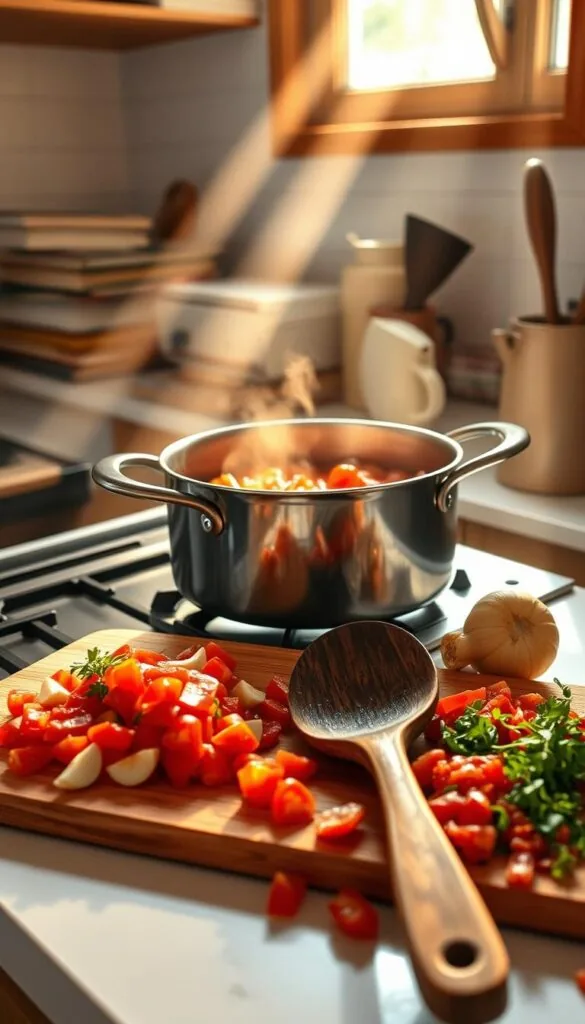
Sauce consistency problems are frustrating. If your sauce is too thin, you can thicken it easily! Mix one tablespoon of cornstarch with two tablespoons of cold water to make a slurry.
Stir this mixture into your simmering sauce and cook for about two minutes. You'll see it thicken right before your eyes! You can also add tomato paste or let the sauce reduce naturally.
If your sauce is too thick, add a splash of hot pasta cooking water. This starchy liquid is perfect for adjusting consistency! Start with just a quarter cup and stir it in gradually until you reach the perfect texture.
Dealing with Overcooked Shrimp
Overcooked shrimp is heartbreaking because it happens so easily! But, you can salvage the situation and end up with a delicious meal.
Remove the overcooked shrimp from the pan immediately to stop the cooking process. Don't throw them away! Chop them into smaller pieces and fold them gently back into the pasta at the end. The smaller pieces will be less noticeable and add great flavor.
For next time, remember that shrimp cook fast - usually just 2-3 minutes per side. They're done when they turn pink and curl into a C-shape. If they curl into a tight O-shape, they've gone too far!
Balancing Flavors When Things Go Wrong
Flavor disasters are easy to fix! Too much lemon juice making things too tart? Add a pinch of sugar or a splash of cream to mellow it out. The sweetness will balance that sharp acidity perfectly.
If your garlic tastes bitter (usually from cooking it too hot), try adding some fresh minced garlic at the end of cooking. This gives you that bright garlic flavor without the bitter notes. A squeeze of fresh lemon juice can also help mask any bitterness.
When the salt level isn't quite right, taste carefully before adding more. Sometimes what seems like under-seasoning is actually missing acid or fat. Try adding a splash of lemon juice or a pat of butter first - you might be surprised how much this brightens the whole dish!
"The best cooks aren't the ones who never make mistakes - they're the ones who know how to fix them gracefully."
Remember, cooking is all about learning and adapting! Every mistake teaches us something valuable. Most cooking "disasters" are completely recoverable. The most important thing is to stay calm, taste as you go, and trust your instincts.
Nutritional Benefits and Meal Planning
This recipe is not just tasty, but also packed with nutrients. It's perfect for making meal prep easy. You'll see how it can be a key part of your healthy diet. Each ingredient adds something special to your health.
The mix of fresh ingredients and smart prep makes this pasta both healthy and easy for busy lives. Let's explore the health perks and how to fit it into your meal planning!
Health Benefits of Key Ingredients
When you cook shrimp, you get a lot of lean protein. Each serving has about 20 grams of protein with few calories. Shrimp is full of nutrients your body needs.
Here's why shrimp is so good for you:
- Selenium: Boosts your immune system and fights off free radicals
- Vitamin B12: Important for your nerves and making red blood cells
- Omega-3 fatty acids: Good for your heart and reduces inflammation
- Iodine: Essential for your thyroid to work right
The garlic in this recipe is more than just for taste. It's a health superstar! Garlic has allicin, which is great for your heart and immune system. Eating garlic regularly can lower blood pressure and cholesterol.
Fresh lemon juice is full of vitamin C, which helps your body use iron better. The lemon also aids digestion with its natural enzymes. And, the olive oil adds healthy fats that help you absorb vitamins!
Incorporating This Recipe into Weekly Meal Prep
This lemon garlic shrimp pasta is meal prep perfection! I make a double batch on Sundays and use it all week. It's a huge time-saver during the week.
Here's how I prep meals:
- Prep components separately: Cook pasta al dente, store shrimp cooked but chilled
- Make sauce base ahead: Mix lemon juice, garlic, and olive oil
- Store properly: Use airtight containers and keep in the fridge for up to 4 days
- Quick assembly: Reheat pasta, add shrimp, toss with sauce
This method lets you have a great meal in under 5 minutes! Cooking shrimp fresh is best, but pre-cooked works well for prep.
For the best taste, keep lemon juice separate and add it just before eating. This keeps the pasta from getting too acidic and keeps flavors bright all week!
Conclusion
You now have everything you need to make this amazing lemon pasta dish! We've covered every detail to ensure your success in the kitchen. From selecting the freshest shrimp to mastering the perfect sauce consistency.
This recipe combines simple ingredients in the most delicious way. The bright lemon flavors, aromatic garlic, and tender shrimp make it both elegant and comforting. Your family will love it and ask for it again and again!
Remember, trust the process and don't be afraid to adjust flavors to your taste. Want more garlic? Add it! Prefer extra lemon brightness? Squeeze away! Cooking should be fun and personal to you.
I love hearing about your kitchen adventures! Try the basic recipe first, then experiment with creative variations. Add some cherry tomatoes, toss in fresh herbs, or make it your own special creation.
Your confidence in the kitchen grows with every dish you make. This lemon pasta recipe is perfect for busy weeknights or special occasions. Get ready to impress yourself and everyone you cook for!