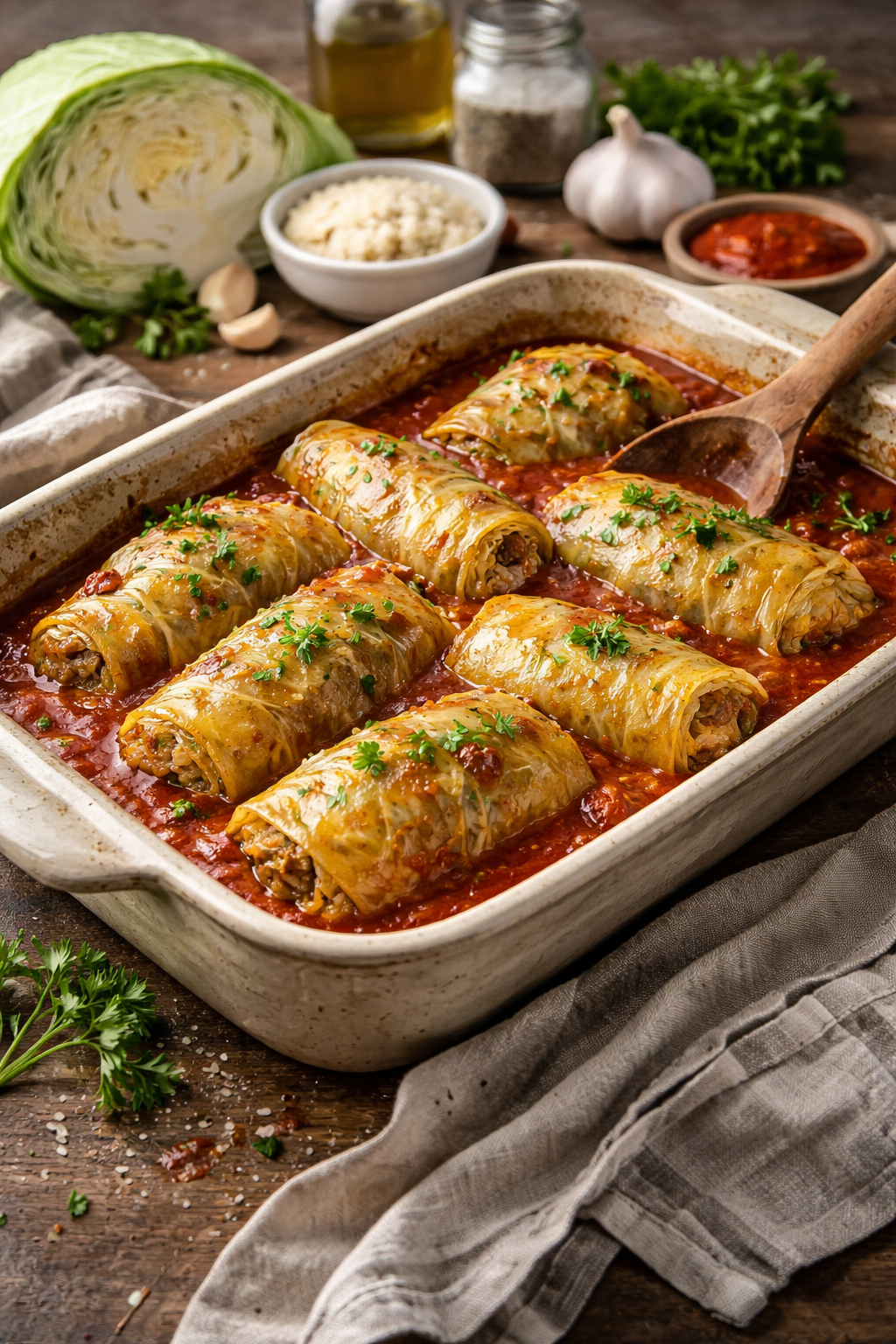
Welcome to our guide on making Stuffed Cabbage Rolls with Meat and Rice. We're starting a culinary adventure. It combines traditional warmth with modern ease.
As we dive into this dish, you'll see how easy it is to eat healthy. We'll share tips and steps to make it part of your diet.
Adding Stuffed Cabbage Rolls to your meals means tasty food and a healthy diet.
Key Takeaways
- Learn how to make a traditional cabbage roll recipe with modern twists.
- Understand the nutritional benefits of Stuffed Cabbage Rolls with Meat and Rice.
- Discover practical tips for incorporating this dish into your healthy eating routine.
- Explore the ease of preparing this comforting meal.
- Find out how to make sustainable healthy choices with this recipe.
The History and Cultural Significance of Stuffed Cabbage Rolls
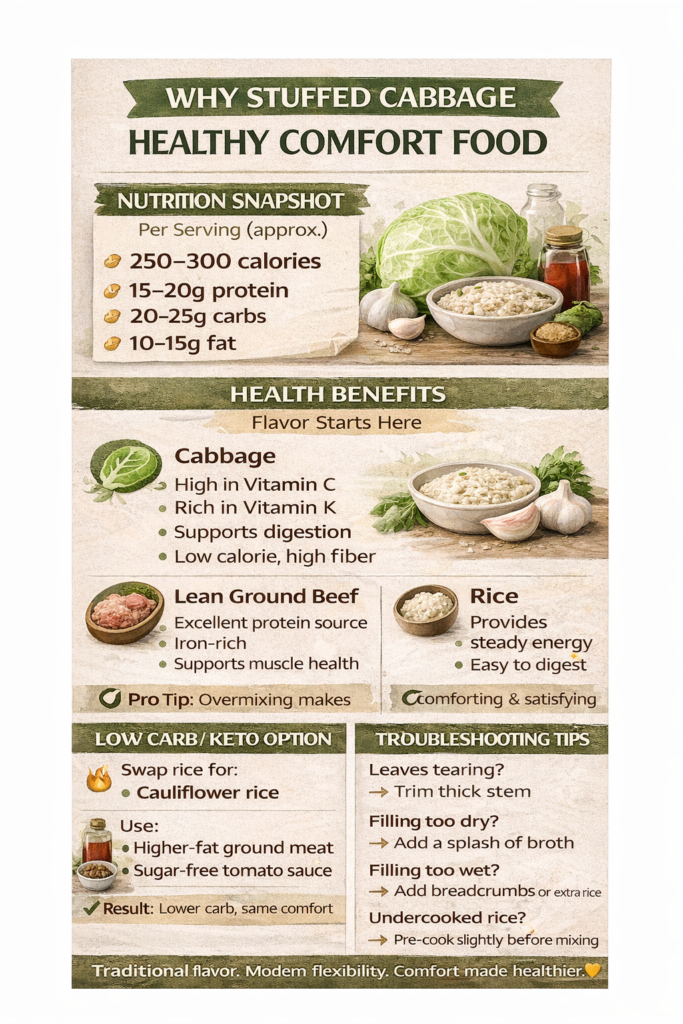
Exploring stuffed cabbage rolls reveals a rich cultural history. These rolls have become a favorite dish worldwide. They show how different cultures have influenced each other through food.
Origins in Eastern European Cuisine
Stuffed cabbage rolls started in Eastern Europe, where cabbage is common. In Poland and Ukraine, they were filled with ground meat and rice. Then, they were wrapped in cabbage leaves and cooked in a tomato sauce.
This dish was a big hit during holidays and special events.
Regional Variations Around the World
When people moved, they took their recipes with them. They changed them to fit local tastes and ingredients. For instance, in the Middle East, dolmas are like stuffed cabbage rolls but use grape leaves.
Trying different ingredients can help you discover new flavors. It's a fun way to explore various cuisines.
Essential Ingredients for Stuffed Cabbage Rolls with Meat and Rice
Making tasty Stuffed Cabbage Rolls begins with picking the best ingredients. The quality of your cabbage, meat, and rice greatly affects the taste and texture of your dish.
Selecting the Right Cabbage
Choosing the right cabbage is key for your Stuffed Cabbage Rolls. Look for a firm cabbage with leaves that are not too thick or too thin. Napa or Savoy cabbage are great choices because their leaves are tender.
- Select a cabbage head that feels heavy for its size.
- Avoid cabbages with signs of wilting or browning.
- Consider using frozen cabbage leaves if fresh is not available.
Meat Options and Combinations
The meat filling is a key part of Stuffed Cabbage Rolls. You can use one type of meat or mix them for the perfect flavor.
Popular meat options include:
- Ground beef for a traditional flavor.
- Ground pork for added richness.
- A mix of beef and pork for a balanced taste.
- Lamb for a unique, gamey flavor.
Rice Selection and Preparation
Rice is also a vital ingredient that needs careful selection and preparation. Arborio or jasmine rice are good choices because of their texture and flavor.
- Rinse the rice thoroughly before cooking.
- Cook the rice until it's partially done, as it will continue to cook when wrapped in cabbage.
- Let the rice cool before mixing it with the meat.
Kitchen Tools and Equipment You'll Need
Having the right kitchen tools can make a big difference in making stuffed cabbage rolls. You'll need some key utensils and equipment for a smooth cooking process.
Essential Utensils
You'll start with a few must-have tools. A large pot is needed for boiling cabbage leaves. A cutting board and sharp knife are for preparing the filling ingredients. A large mixing bowl is for mixing the meat, rice, and seasonings.
Optional but Helpful Tools
Some tools are not essential but can make things easier. A cabbage corer helps remove the cabbage core. A meat thermometer checks if the filling is cooked safely.
Here's a comparison of some useful tools:
| Tool | Purpose | Benefit |
|---|---|---|
| Cabbage Corer | Removes cabbage core | Eases leaf removal |
| Meat Thermometer | Checks filling temperature | Ensures food safety |
| Large Tray or Plate | Holds assembled rolls | Keeps workspace organized |
Preparing the Cabbage Leaves
Getting your cabbage leaves ready is key for Stuffed Cabbage Rolls. You can use the coring and boiling method or the freezer method. Both make the leaves soft and ready for filling.
Coring and Boiling Method
The coring and boiling method is a classic way to soften cabbage leaves. First, take off the tough outer leaves from the cabbage. Then, cut around the stem with a sharp knife, but don't cut too deep.
Next, put the cored cabbage in boiling water. Let it cook for 5-7 minutes. This makes the leaves tender and easy to remove.
- This method works fast and lets you cook the cabbage right before using it.
- But, you need to watch it closely to avoid overcooking the leaves.
Freezer Method for Easy Leaf Removal
The freezer method is a handy way to prepare cabbage leaves ahead of time. Just put the whole cabbage in the freezer until it's solid. Then, take it out and let it thaw a bit.
The leaves should now come off easily without boiling.
Key advantages of the freezer method include:
- It makes leaf removal easy without cooking.
- You can store the cabbage in the freezer for later use.
Both methods work well for Stuffed Cabbage Rolls. Pick the one that suits your schedule and taste. With your cabbage leaves ready, you're all set for a tasty meal.
Creating the Perfect Meat and Rice Filling
A great Stuffed Cabbage Rolls dish starts with a tasty meat and rice filling. This key part needs balance, the right mix, and technique for the best taste and texture.
Balancing Meat-to-Rice Ratio
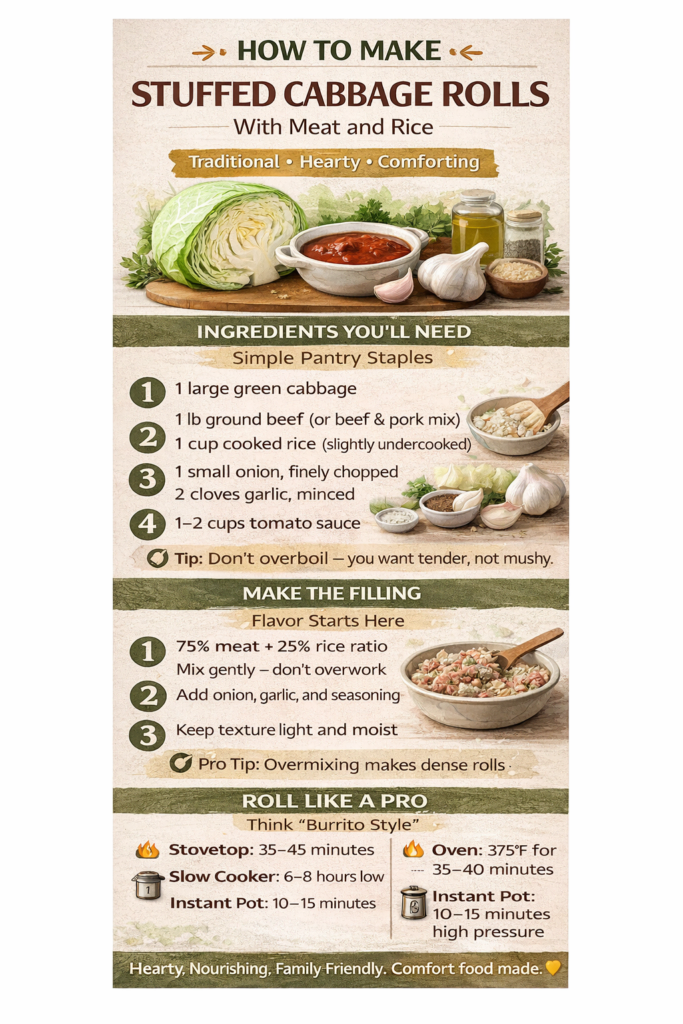
First, balance the meat and rice in your filling. Aim for 75% meat and 25% rice. Adjust this based on your meat choice and taste. For leaner meats, add more rice to keep it moist.
Adding Aromatics and Seasonings
Then, add aromatics and seasonings to boost flavor. Onions, garlic, and herbs like parsley or dill are great. Don't forget salt, black pepper, and spices that match your meat, like paprika for beef or thyme for pork.
Mixing Techniques for Ideal Texture
How you mix the filling is key for the right texture. Mix gently until just combined. Avoid overmixing to prevent a dense filling. Stop mixing when ingredients are evenly spread for tender, flavorful Stuffed Cabbage Rolls.
By following these tips, you'll make a meat and rice filling that's both tasty and satisfying. Your Stuffed Cabbage Rolls will be a hit with everyone.
Step-by-Step Rolling Technique
The secret to perfect stuffed cabbage rolls is in the rolling technique. Learning this skill will make your dish a hit at family gatherings and dinner parties. It's all about the details.
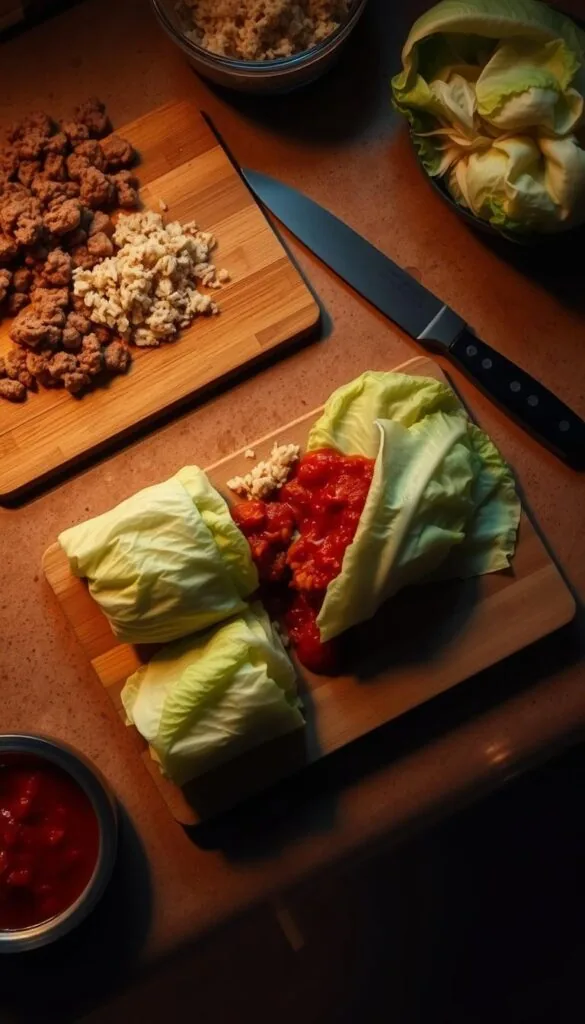
Preparing the Leaf
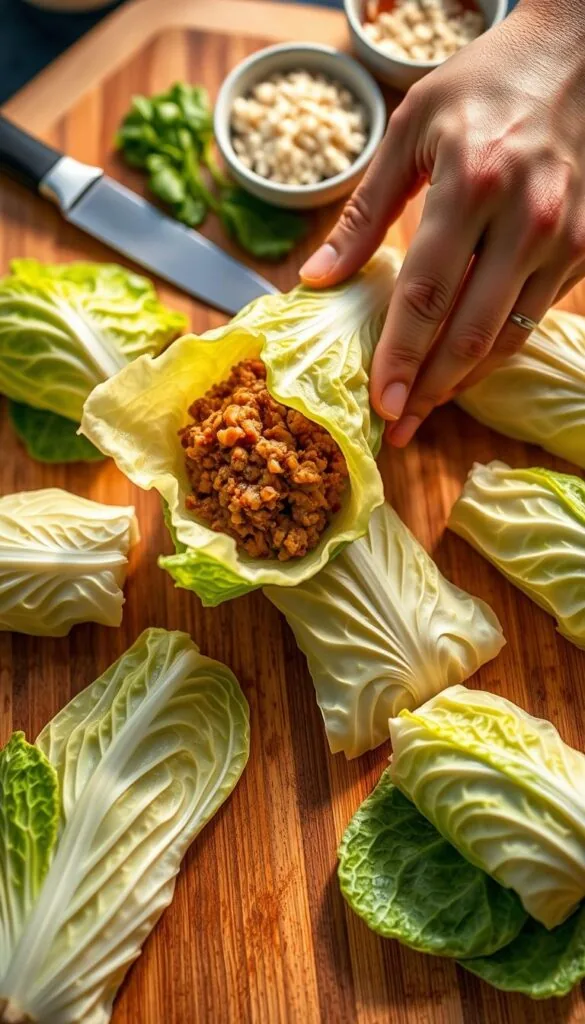
First, prepare the cabbage leaf right. Gently lay the leaf flat and remove any tough stems or veins. This makes your rolls tender and easy to eat.
Filling and Folding Method
To fill and fold, place a generous tablespoon of meat and rice mixture in the leaf's center. Fold the stem end over the filling, then fold in the sides. Roll it up like a burrito to keep the filling inside.
Securing the Rolls
Securing the rolls is key to keep them together while cooking. Use a toothpick or wrap them seam-side down in the cooking vessel. This trick ensures your rolls look great and stay together.
As Julia Child said, "The only time to eat diet food is while you're waiting for the steak to cook." Enjoy making and eating your stuffed cabbage rolls without worrying about making them perfect.
Sauce Options for Stuffed Cabbage Rolls
Make your Stuffed Cabbage Rolls even better with the right sauce. The perfect sauce can turn a simple dish into a feast. We'll look at different sauces you can try, from traditional to new.
Traditional Tomato-Based Sauce
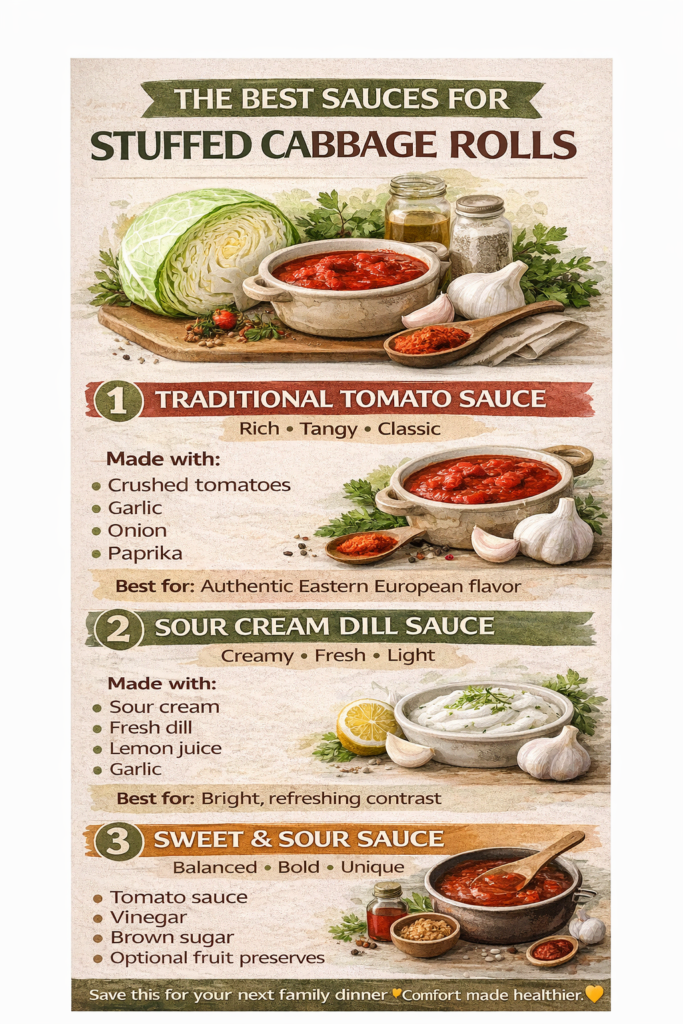
Tomato-based sauce is a favorite for cabbage rolls. It's made with fresh tomatoes or canned crushed tomatoes, garlic, onions, and herbs. This sauce is tasty and simple to make. You can add sugar to sweeten it or red pepper flakes for spice.
Sour Cream Variations
Try a sour cream sauce for a creamy twist. Mix sour cream with chopped fresh dill, garlic, and lemon juice. This sauce is light but full of flavor, perfect for a refreshing taste.
Sweet and Sour Alternatives
Sweet and sour sauce is a great contrast to the cabbage rolls. It's made with ketchup, vinegar, sugar, and sometimes fruit preserves. You can adjust it to your liking for a unique flavor.
| Sauce Type | Main Ingredients | Flavor Profile |
|---|---|---|
| Tomato-Based | Tomatoes, garlic, onions, herbs | Rich, tangy, slightly sweet |
| Sour Cream | Sour cream, dill, garlic, lemon juice | Creamy, tangy, fresh |
| Sweet and Sour | Ketchup, vinegar, sugar, fruit preserves | Balanced, sweet, tangy |
Choosing the right sauce can make your meal better. Whether you like tomato sauce, sour cream, or sweet and sour, there's something for everyone.
Cooking Methods Compared
There are many ways to cook Stuffed Cabbage Rolls. We'll guide you to pick the best method for you. Each method has its own benefits, helping you make delicious rolls that fit your taste and lifestyle.
Stovetop Simmering
Stovetop simmering is a classic way. It lets the sauce get rich and flavorful as the rolls cook. To do this, put the rolls seam-side down in a big pot. Cover them with sauce and let it simmer gently. You'll need to check them now and then to prevent sticking.
Oven Baking
Oven baking is easy and hands-off. Just put the rolls in a dish, cover with sauce, and bake at 375°F (190°C) for 30-40 minutes. This method cooks the rolls evenly, making it perfect for those who like a simple approach.
Slow Cooker Method
The slow cooker is great for busy days. Put the rolls and sauce in it, and cook on low for 6-8 hours. It's perfect for tender cabbage and blending flavors.
Instant Pot Adaptation
For a quick option, try the Instant Pot. Place the rolls and sauce in it, close the lid, and cook on high pressure for 10-15 minutes. It's ideal for those in a hurry but want a tasty meal.
| Cooking Method | Cooking Time | Effort Level | Flavor Profile |
|---|---|---|---|
| Stovetop Simmering | 30-45 minutes | Medium | Rich, Developed |
| Oven Baking | 30-40 minutes | Low | Even, Balanced |
| Slow Cooker | 6-8 hours | Low | Tender, Mellow |
| Instant Pot | 10-15 minutes | Low | Quick, Intense |
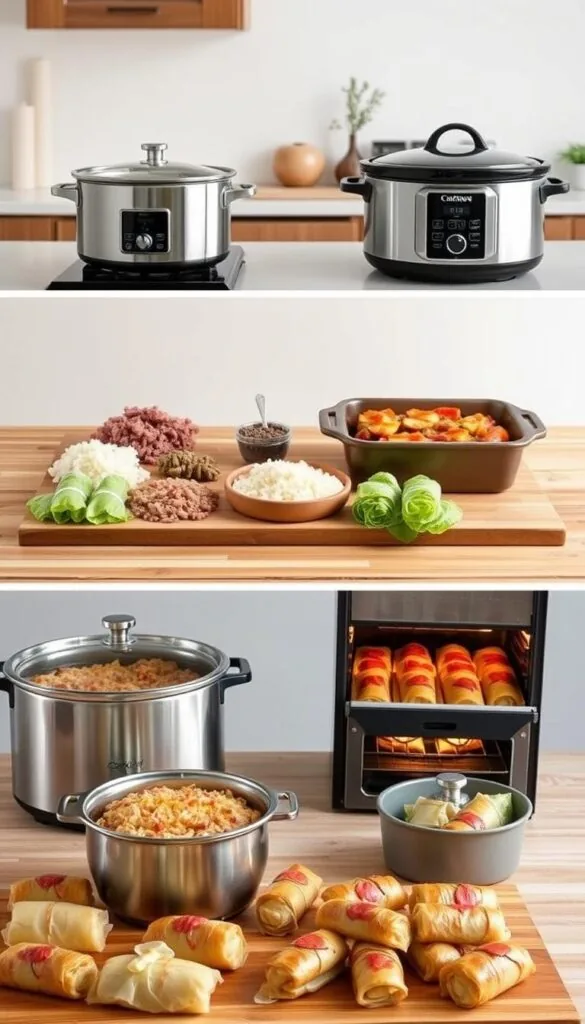
By comparing these methods, you can pick the one that suits your schedule and taste. This ensures your Stuffed Cabbage Rolls are always perfectly cooked.
Nutritional Information and Dietary Adaptations
Stuffed Cabbage Rolls are not just tasty but also full of nutrients. They can fit into many diets. Let's look at their nutritional value and how to adjust them for your health goals.
Calorie and Macronutrient Breakdown
A serving of Stuffed Cabbage Rolls has about 250-300 calories. They have a good mix of protein, healthy fats, and carbs. The exact numbers depend on the meat, rice, and other ingredients used.
- Protein: 15-20 grams
- Fat: 10-15 grams
- Carbohydrates: 20-25 grams
Low-Carb and Keto Variations
If you're on a low-carb or keto diet, you can tweak the recipe. Replacing regular rice with cauliflower rice cuts down carbs. This makes it better for these diets.
Tips for keto adaptation: Choose high-fat meats and watch the sauce ingredients. This keeps the dish keto-friendly.
Vegetarian and Vegan Alternatives
To make Stuffed Cabbage Rolls vegetarian or vegan, swap the meat with plant-based options. You can use:
- Mushrooms
- Lentils
- Tofu
For vegan versions, make sure the rice and other ingredients don't come from animals.
Troubleshooting Common Problems
Even with the best recipes, things can go wrong. But don't worry, we've got you covered. Making Stuffed Cabbage Rolls can sometimes present a few challenges. But with our troubleshooting guide, you'll be able to overcome them and enjoy a delicious meal.
Dealing with Torn Leaves
If your cabbage leaves are tearing, don't panic. This can happen if the leaves are not blanched properly or if they're too delicate. To prevent this, make sure to blanch the cabbage leaves until they're soft and pliable. If they're too fragile, try using two leaves together to create a stronger wrapper.
Fixing Undercooked Rice
Undercooked rice can be a problem if you're not careful with the cooking time or liquid ratio. To fix this, you can add a bit more liquid to the filling and continue cooking until the rice is tender. Or, you can pre-cook the rice slightly before using it in the filling.
Adjusting Overly Dry or Wet Filling
The consistency of the filling is key. If it's too dry, you can add a bit more moisture, such as tomato sauce or broth. If it's too wet, you can add some breadcrumbs or a bit more rice to absorb the excess moisture. Here are some quick tips:
- Add moisture gradually to avoid making the filling too wet.
- Use ingredients like tomato sauce or broth to add moisture.
- For overly wet filling, absorb excess moisture with breadcrumbs or extra rice.
Serving Suggestions and Accompaniments
Your Stuffed Cabbage Rolls are now ready. Let's find some tasty ways to serve them. A great meal isn't just the main dish. It's about matching flavors and textures.
Traditional Side Dishes
Traditional sides can make your Stuffed Cabbage Rolls even better. Try them with:
- Mashed potatoes for a cozy, filling meal
- Rye bread for a taste of Eastern Europe
- Steamed veggies like carrots or green beans for a light choice
These sides bring out the best in your cabbage rolls. They also make your meal more interesting.
Complementary Beverages
The perfect drink can make your meal even better. For Stuffed Cabbage Rolls, consider:
- A dry white wine, like Pinot Grigio, to balance the flavors
- Sparkling water with lemon for a refreshing twist
- A warm tea, like chamomile or peppermint, for a calming end to your meal
Choosing the right drink can really enhance your meal's taste and enjoyment.
Conclusion
You now know how to make tasty Stuffed Cabbage Rolls with Meat and Rice. This dish is full of tradition, flavor, and health benefits. Our guide has shown you how to make it your own.
Healthy eating is about making choices that are simple and sustainable. It brings joy and nourishment to your life. We're here to help you every step of the way with practical wellness advice.
With this recipe, you're not just cooking a meal. You're creating a nourishing experience to share with loved ones. So, try it out and enjoy a homemade meal that's both delicious and healthy.
FAQ
What is the best type of cabbage to use for Stuffed Cabbage Rolls?
For Stuffed Cabbage Rolls, use a large, green cabbage head. It's called a "steamer" or "cooking cabbage." Its leaves are tender and easy to roll.
Can I use ground turkey or chicken instead of beef or pork for the filling?
Yes, ground turkey or chicken works as a substitute. The flavor and texture might change, so adjust the seasonings as needed.
How do I prevent the cabbage leaves from tearing when rolling?
To avoid tears, blanch the cabbage leaves until soft. Remove the thick stem for extra flexibility.
Can I make Stuffed Cabbage Rolls ahead of time and refrigerate or freeze them?
Yes, you can prepare the rolls ahead. Refrigerate them for up to a day or freeze for later. Thaw frozen rolls in the fridge overnight before cooking.
What are some common sauce options for Stuffed Cabbage Rolls?
Try tomato-based, sour cream, or sweet and sour sauces. You can also experiment with mushroom gravy or creamy dill sauce.
How do I reheat cooked Stuffed Cabbage Rolls?
Reheat by simmering in your chosen sauce over low heat. Or, microwave or oven with sauce, covered.
Can I adapt the recipe for vegetarian or vegan diets?
Yes, replace meat with tofu, tempeh, or seitan. Adjust seasonings as needed for a plant-based version.
What are some side dishes that complement Stuffed Cabbage Rolls well?
Serve with mashed potatoes, rye bread, or a green salad. Roasted veggies or sautéed spinach are also great options.