You know that groggy, slightly achy feeling you wake up with sometimes? The kind where your body just feels... off? Maybe your joints are stiff, your stomach's unsettled, or you're already tired before the day even starts. A lot of that discomfort comes from inflammation—your body's way of saying it's working overtime to deal with stress, processed foods, or just the general demands of life.
Here's the thing: what you eat first thing in the morning can either add fuel to that fire or help calm it down. An anti-inflammatory breakfast isn't about following a strict diet or eating things you don't enjoy. It's about choosing foods that help your body feel steadier, more energized, and less inflamed as the day unfolds.
Let's talk about what that actually looks like.
Why Breakfast Matters for Inflammation
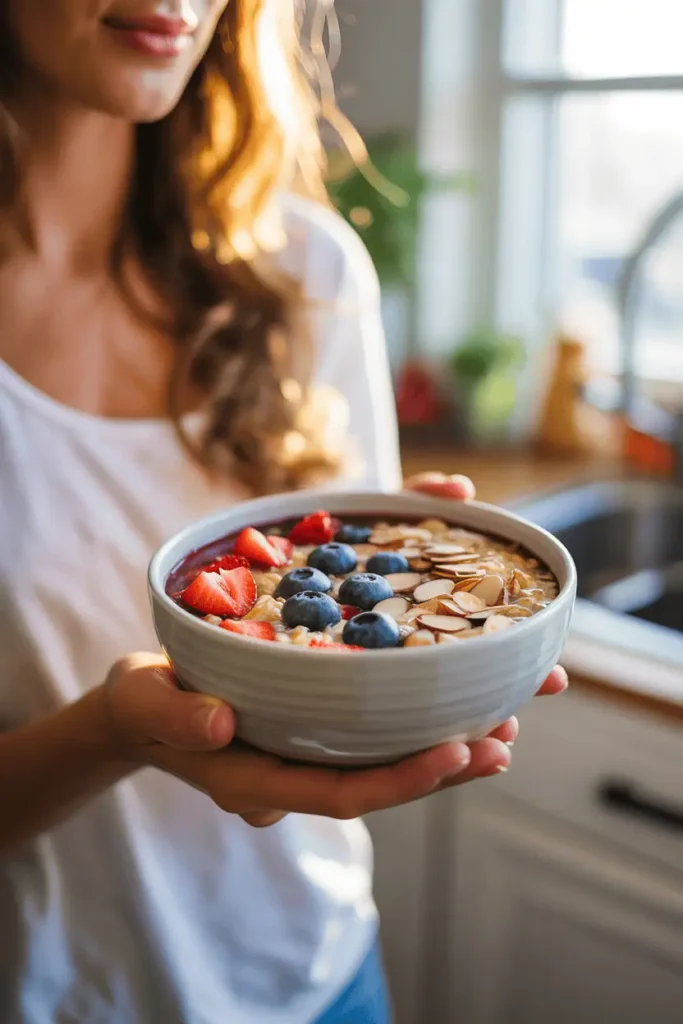
When you wake up, your body is in recovery mode from the night. It's been fasting, repairing cells, and resetting systems. The first thing you eat sends a signal—either "keep healing" or "brace yourself."
Foods high in sugar or refined carbs cause blood sugar spikes, which trigger inflammation. Your body releases stress hormones to manage the surge, and you end up feeling shaky, irritable, or hungry again within an hour. On the other hand, breakfasts built around whole foods, healthy fats, and gentle proteins help stabilize your blood sugar and keep inflammation in check.
You're not just eating to fill your stomach. You're setting the tone for how your body responds to everything else that comes your way.
What Makes a Breakfast Anti-Inflammatory
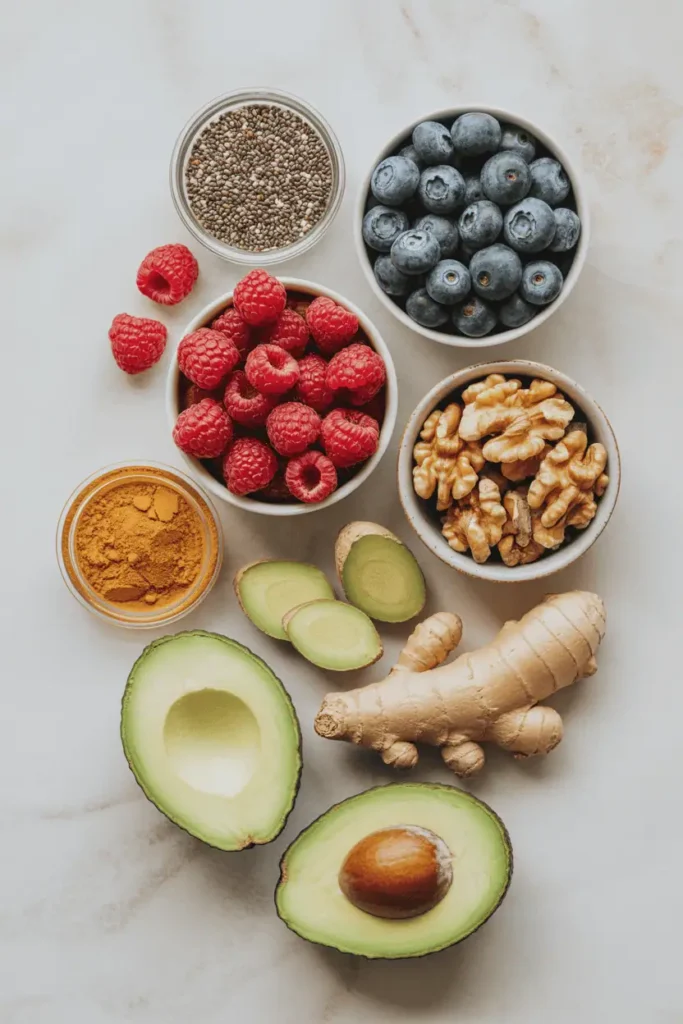
You don't need exotic ingredients or complicated recipes. Anti-inflammatory breakfasts are built on a few simple principles: they're rich in omega-3 fatty acids, antioxidants, and fiber, while being low in added sugars and processed ingredients.
Think about foods that come from the earth—berries, leafy greens, nuts, seeds, whole grains. These contain natural compounds that reduce inflammation at a cellular level. Omega-3s from foods like chia seeds, flaxseeds, and walnuts help balance out the omega-6 fats we tend to get too much of from processed foods. Antioxidants in colorful fruits and vegetables neutralize free radicals that contribute to inflammation.
Healthy fats are your friend here. They slow digestion, which keeps your blood sugar stable and helps you absorb nutrients better. Protein gives you lasting energy without the crash. When you combine these elements, your body doesn't have to work as hard, and you feel the difference—calmer, more focused, less puffy or bloated.
Simple Anti-Inflammatory Breakfast Ideas
Let's get practical. These aren't meal plans or rigid formulas. They're ideas you can adapt based on what you like and what you have on hand.
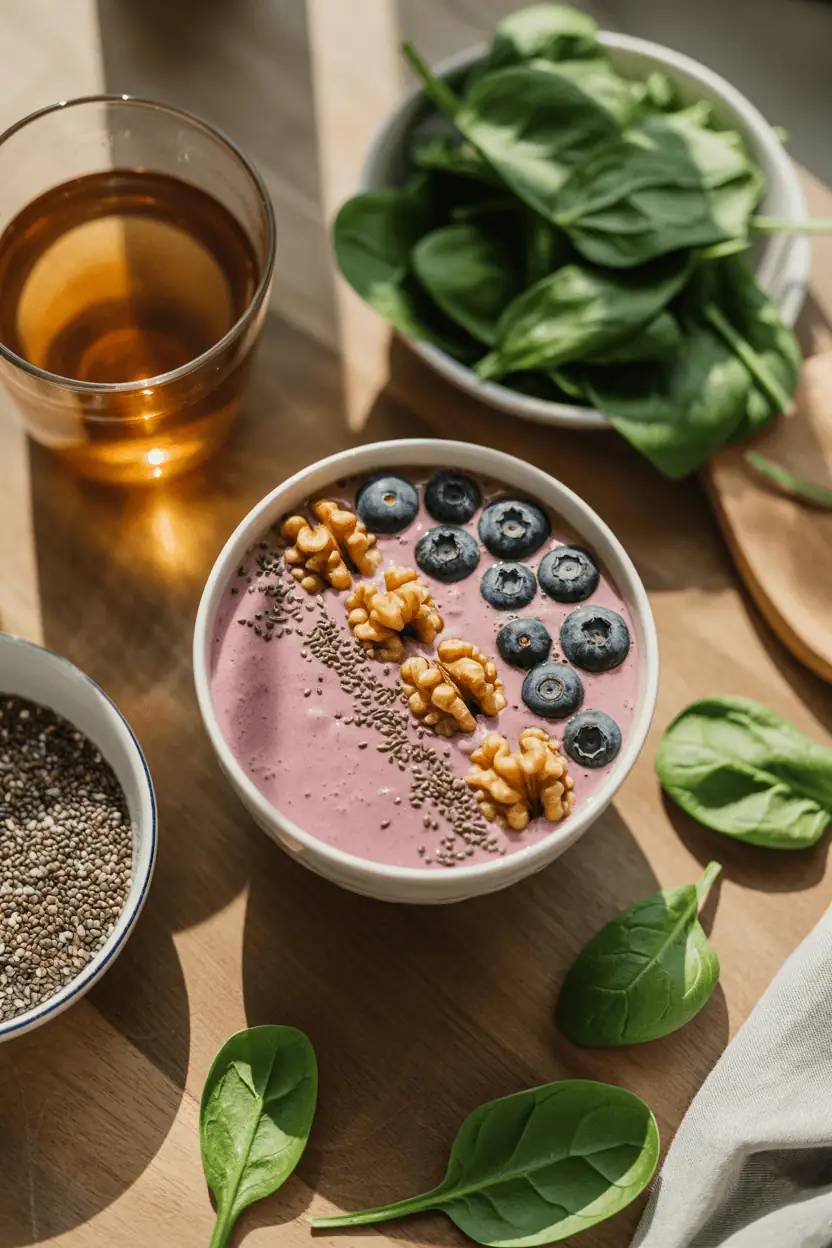
Start with a smoothie bowl if you want something quick and refreshing. Blend frozen berries with spinach, a tablespoon of ground flaxseed, and unsweetened almond milk. Pour it into a bowl and top with sliced banana, a handful of walnuts, and a sprinkle of cinnamon. The berries bring antioxidants, the greens add fiber and vitamins, and the flaxseed delivers omega-3s. It's filling without being heavy.
If you prefer something warm, try oatmeal made with rolled oats, not the instant kind. Cook it with water or milk, then stir in a spoonful of almond butter, some blueberries, and a drizzle of honey. The oats provide slow-releasing carbs that keep your energy steady, while the almond butter adds healthy fats and protein.
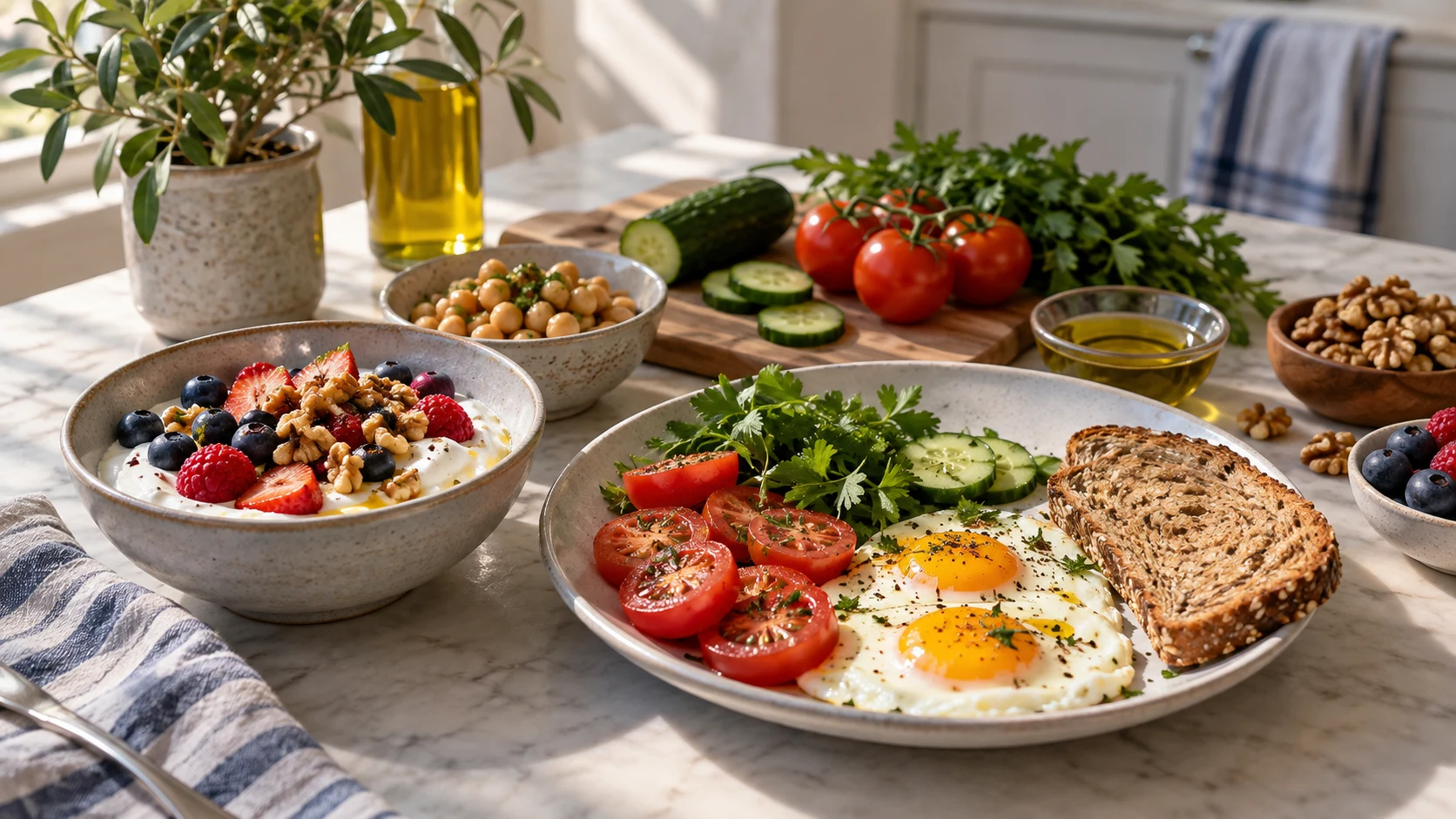
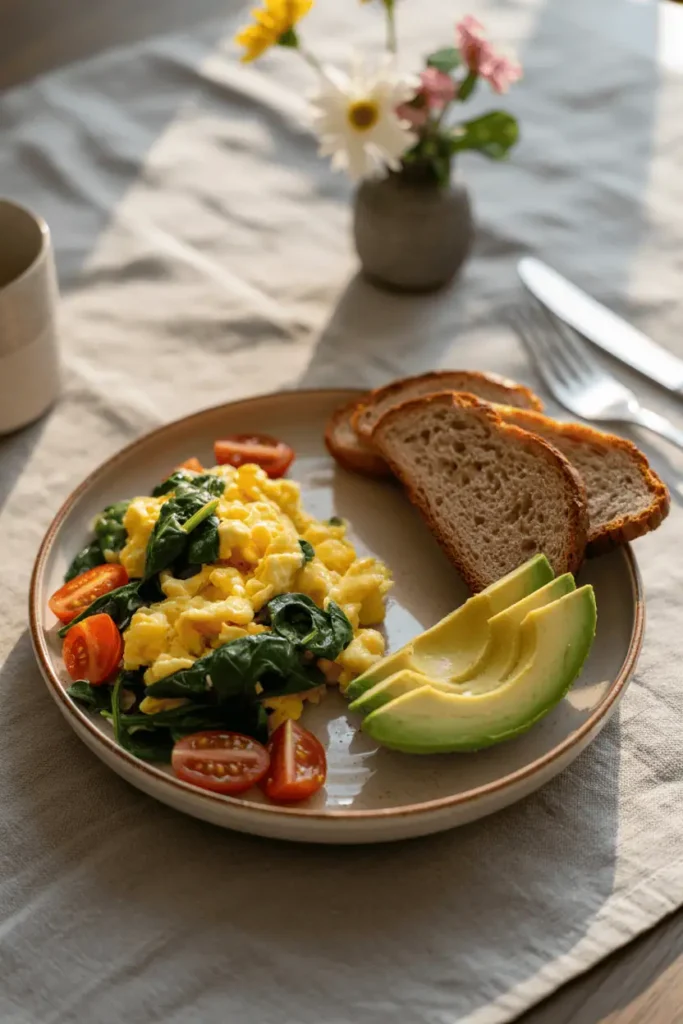
Eggs are always a solid choice. Scramble them with sautéed spinach, tomatoes, and a bit of turmeric—a spice known for its powerful anti-inflammatory properties. Pair it with a slice of whole grain toast or half an avocado. The combination of protein, healthy fats, and vegetables makes you feel satisfied for hours.
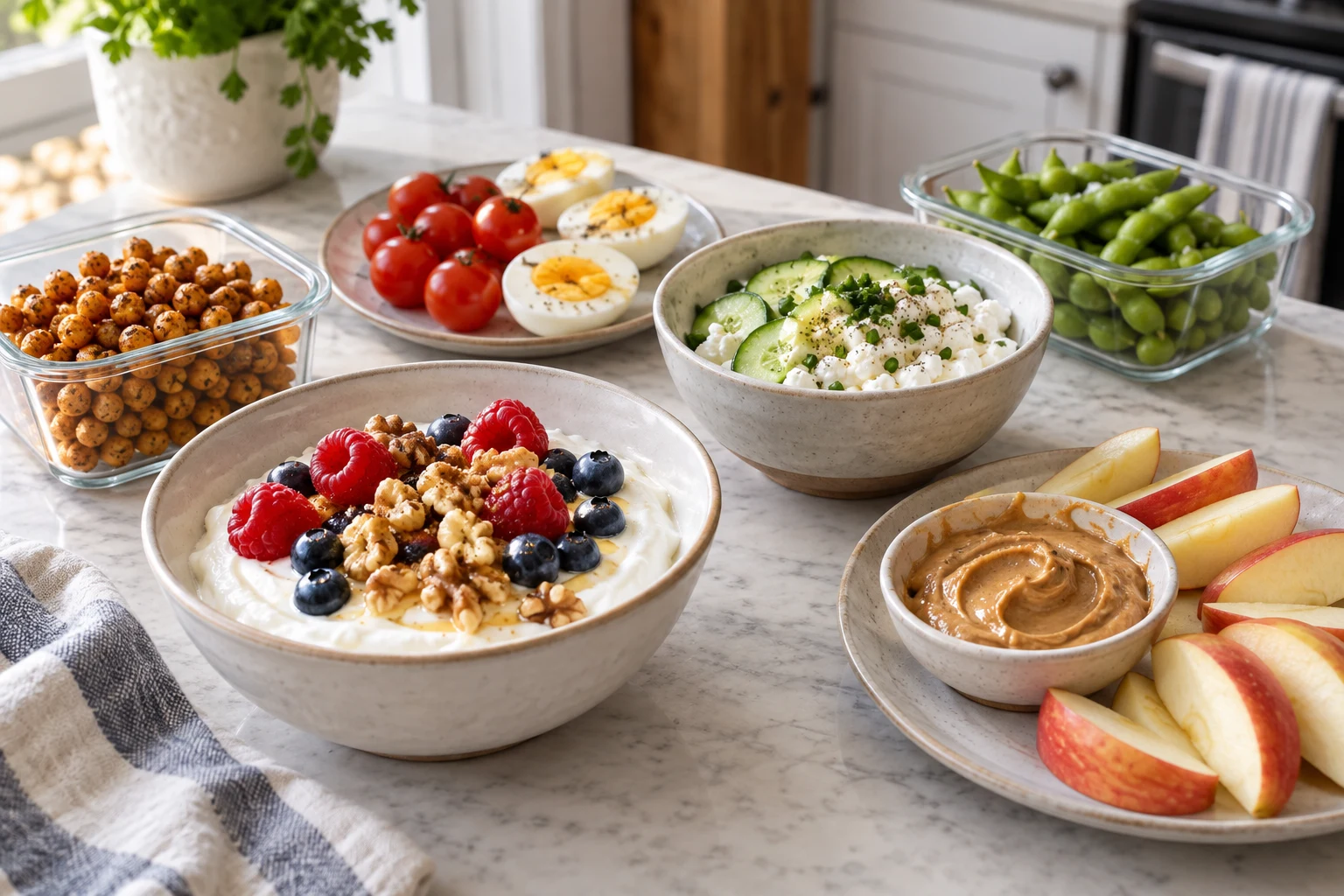
On mornings when you need something you can grab and go, a small bowl of Greek yogurt with chia seeds, sliced strawberries, and a handful of almonds works beautifully. The yogurt gives you probiotics for gut health (which is closely tied to inflammation), and the seeds and nuts add crunch and staying power.
Making Mornings Easier with a Little Prep
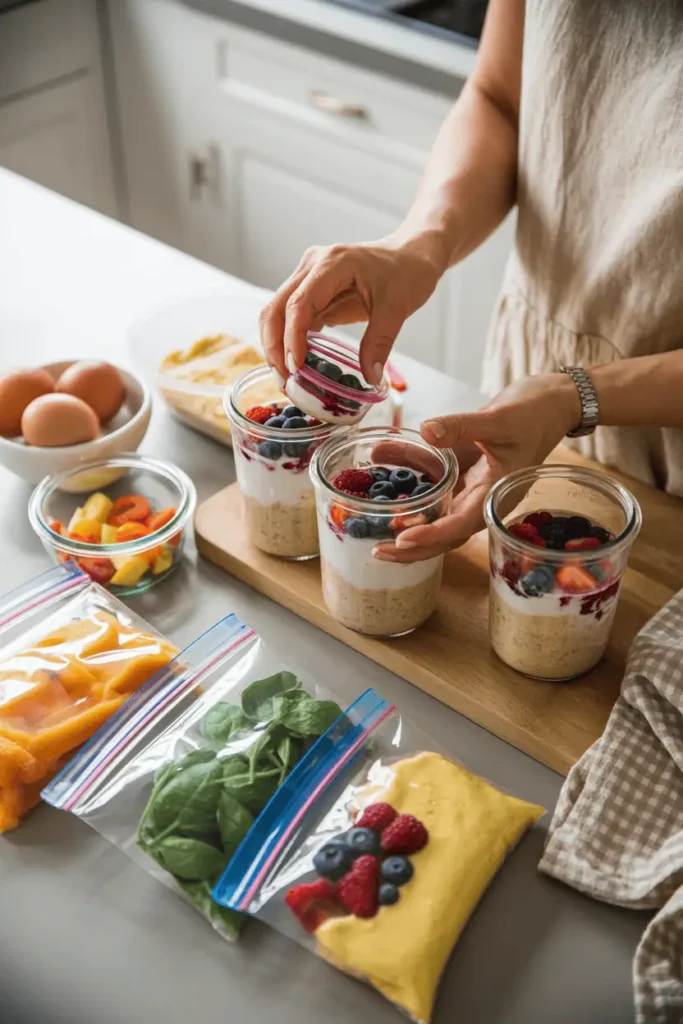
The biggest barrier to eating well in the morning is usually time. When you're rushing to get out the door, it's tempting to grab whatever's quickest, even if it doesn't make you feel great. That's where a bit of weekend prep comes in. Spending 20 to 30 minutes on a Sunday afternoon can set you up for calmer, easier mornings all week.
Start with overnight oats—they're a lifesaver. Mix rolled oats with your choice of milk, a spoonful of chia seeds, and a pinch of cinnamon in mason jars or small containers. Make four or five at once and store them in the fridge. In the morning, just grab one, add fresh berries or a drizzle of almond butter, and you're done. You can also prep smoothie bags by portioning out frozen berries, spinach, and a tablespoon of ground flaxseed into freezer bags. When you're ready, dump the contents into a blender with liquid, blend, and go.
Hard-boiled eggs keep for about a week in the fridge and make breakfast feel effortless. Cook a batch—six to eight is plenty—and peel them ahead of time if that helps. Pair them with pre-cut veggies like cherry tomatoes or bell peppers, or mash one onto whole grain toast with avocado you slice fresh that morning. Speaking of fruits and vegetables, washing and chopping them in advance removes one more decision from your morning. Keep berries in a container you can grab from, or slice bananas and store them in the fridge for a day or two. Even small steps like having walnuts portioned into snack bags or keeping a jar of almond butter where you can see it makes healthy choices the easy choice.
You're not trying to meal prep like a fitness influencer. You're just removing friction so that when morning comes, the path of least resistance is also the one that makes you feel good.
Foods to Keep in Mind
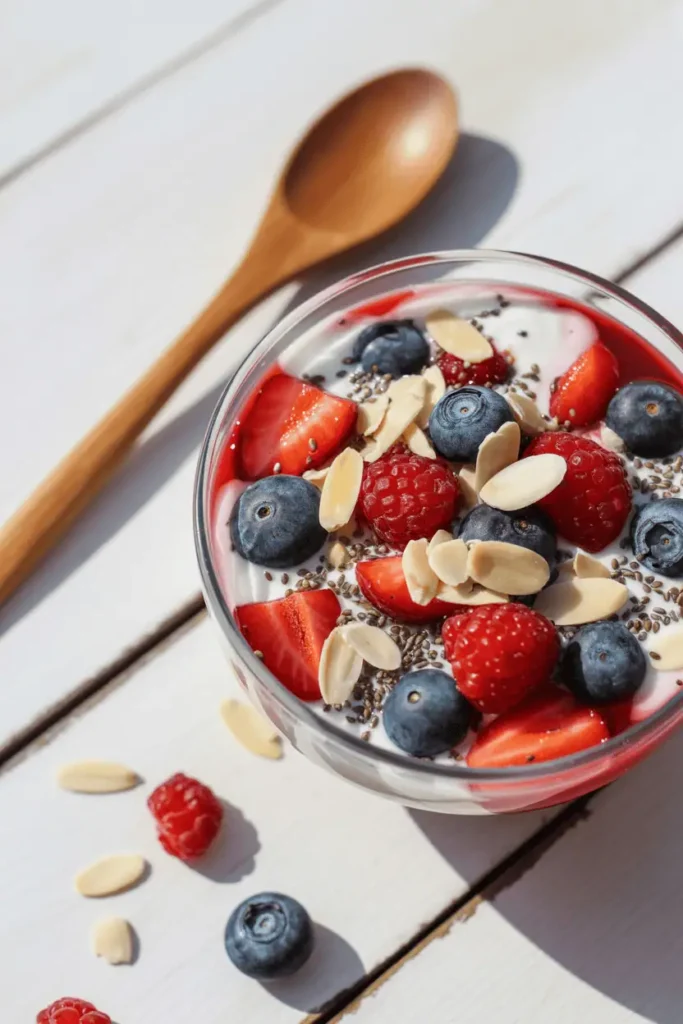
Certain ingredients show up again and again in anti-inflammatory eating, and for good reason. Berries—especially blueberries, strawberries, and raspberries—are packed with antioxidants that fight inflammation. They're also naturally sweet, so they satisfy cravings without spiking your blood sugar.
Leafy greens like spinach, kale, and arugula are incredibly nutrient-dense. They're easy to sneak into smoothies, omelets, or even a quick sauté. Turmeric and ginger are both anti-inflammatory powerhouses. A pinch in your oatmeal or smoothie goes a long way.
Healthy fats from avocados, nuts, seeds, and olive oil help reduce inflammation and keep you full. And whole grains—oats, quinoa, whole wheat—provide fiber that supports gut health and steady energy.
What to Go Easy On
You don't have to eliminate anything completely, but some foods tend to make inflammation worse, especially first thing in the morning. Sugary cereals, pastries, white bread, and processed meats can all trigger that inflammatory response we're trying to avoid.
If you love your morning toast, switch to whole grain. If you're a cereal person, look for options with minimal sugar and add your own fruit. Small swaps make a bigger difference than you'd think, and you won't feel deprived.
How This Feels in Your Body
When you start eating more anti-inflammatory breakfasts, the changes are subtle at first, but they build. You might notice you don't feel as sluggish mid-morning. Your digestion might improve—less bloating, less discomfort. Joint stiffness could ease up. Your mood might feel more balanced because your blood sugar isn't on a rollercoaster.
It's not dramatic or instant, but over time, your body just feels calmer. You're not constantly fighting that low-grade inflammation that makes everything harder. And that steadiness ripples through the rest of your day.
Finding What Works for You

The best anti-inflammatory breakfast is the one you'll actually eat. If you hate smoothies, don't force yourself to drink them. If oatmeal doesn't appeal to you, try eggs or yogurt instead. The goal is to find a handful of options you genuinely enjoy, so this becomes easy and sustainable.
Start with one or two changes. Maybe you add berries to your usual breakfast, or you swap your sugary cereal for oatmeal. Pay attention to how you feel an hour or two later. Do you have more energy? Are you less hungry? Does your body feel lighter, less achy?
These small signals tell you what's working. And once you feel the difference, it's easier to keep going.
Eating to reduce inflammation isn't about perfection. It's about choosing foods that support your body instead of stressing it out. When you start your day with ingredients that nourish and calm, you're not just fueling your morning—you're giving yourself a better foundation for everything that comes next. Your body will thank you in ways you'll feel, even if you can't always see them.