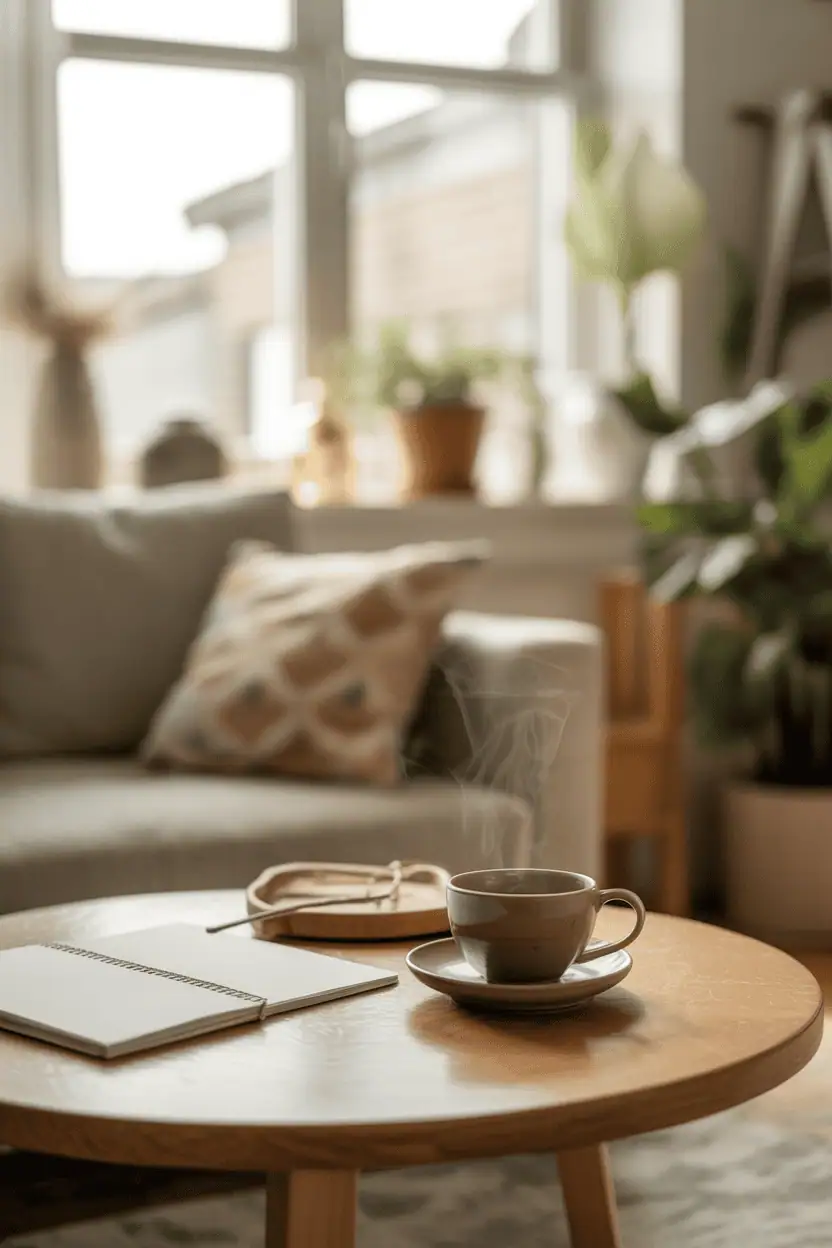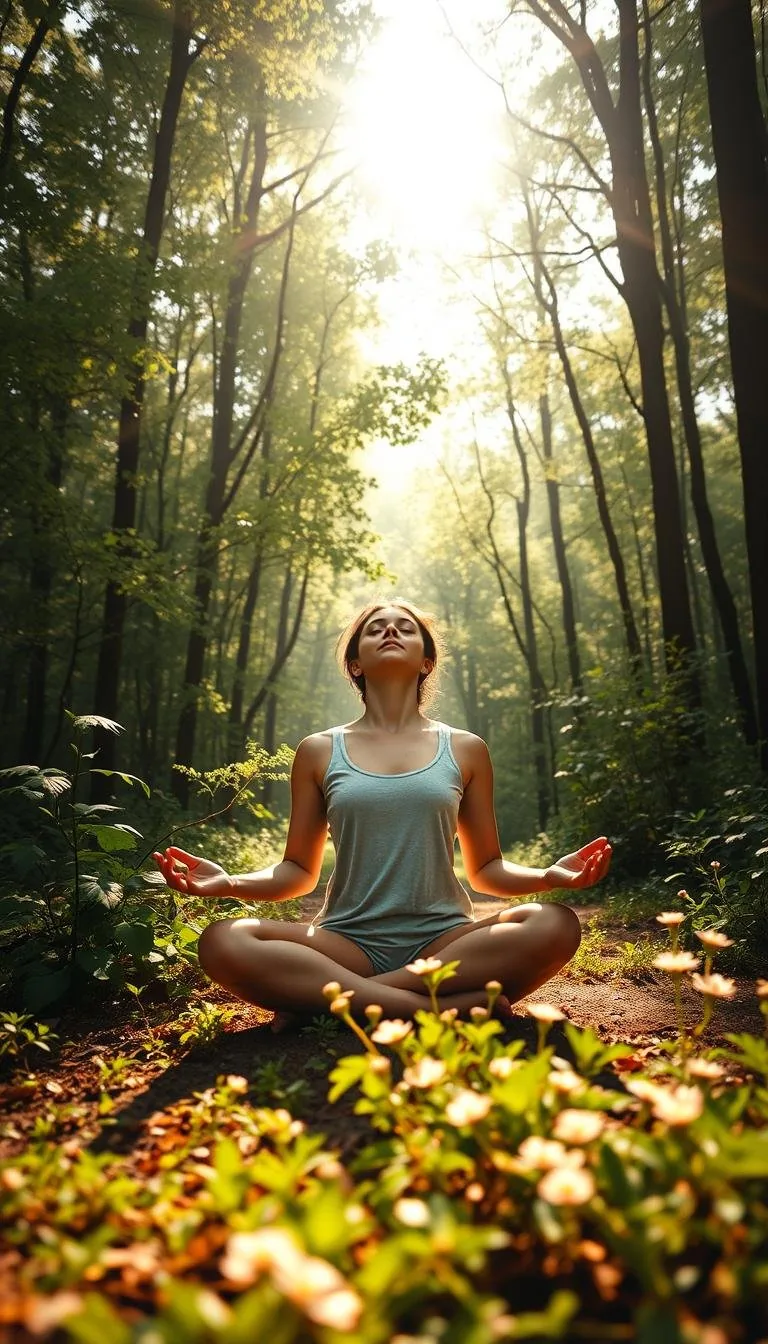
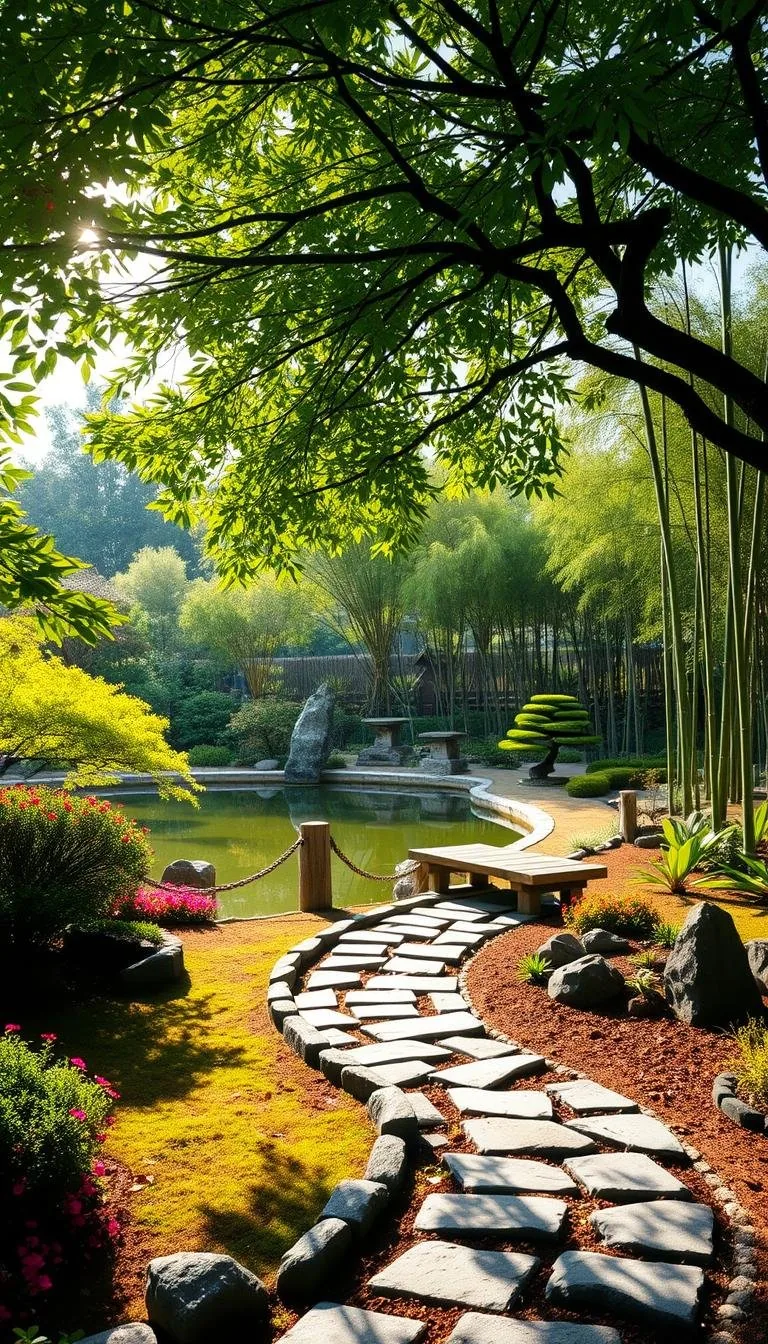
A calm outdoor corner can be as simple as a chair, a shady spot and a few plants. You do not need a full garden or a big budget. What matters is a place you can go to sit quietly, notice the air and slow down for a few minutes each day.
This guide shows how to set up a small outdoor retreat on a yard, patio or balcony, with low-cost ideas, plant choices and tips for privacy, sound and safety. It is about time outdoors and rest, not gardening for food. For food growing, see Grow Your Own Food.
Choose a comfortable seat, some shade, a bit of privacy and something pleasant to look at or listen to. Keep it simple. Use it for a few minutes a day, even if you do not meditate.
Why time outdoors is worth protecting
A large survey study of people in England found that those who spent at least 120 minutes a week in nature reported better health and well-being than those who spent none. That is an association, not proof that nature causes better health, and people who feel well may simply get outdoors more. Still, time outside is free, low-risk and easy to combine with rest, walking or a short practice such as meditation.
Six elements of a calm corner
| Element | Ideas | Budget tip |
|---|---|---|
| Seat | A comfortable chair, bench or cushion on a mat. | Use what you have, and add a weatherproof cushion. |
| Shade and shelter | A tree, an umbrella or a pergola with climbers. | A patio umbrella is the fastest option. |
| Privacy | A trellis, tall potted plants or a screen. | Use bamboo screens or tall grasses in large pots. |
| Plants | Herbs, ornamental grasses, shrubs and flowers you like. | Start with a few pots. |
| Sound | A small fountain, wind chimes or simply distance from noise. | A tabletop fountain costs little. |
| Soft lighting | Solar string lights or lanterns for evenings. | Solar lights need no wiring. |
Plants that suit a quiet space
- Fragrant herbs such as lavender, rosemary, thyme and mint. Keep mint in its own pot. Only add scents you enjoy, and skip anything that bothers your breathing.
- Ornamental grasses, which move in the breeze and add soft sound.
- Evergreen shrubs for year-round structure and privacy.
- Native perennials that attract pollinators and suit your region. Ask your local extension office or native plant society.
Choose plants suited to your sun conditions and USDA hardiness zone. See Gardening 101.
A 15-minute setup
- Pick the quietest spot with some shade.
- Place a seat and a small table or stool.
- Add two or three pots of plants for privacy and interest.
- Add one sensory feature: a fountain, chimes or lights.
- Sit for two minutes and adjust anything that feels off.
Use it: three simple practices
| Practice | How | Time |
|---|---|---|
| Sit and notice | Notice five sounds and five things you see. | 3 to 5 min |
| Slow breathing | Breathe in for four counts and out for six. See How to Build Resilience Through Breathwork. | 2 to 5 min |
| Morning coffee outside | Have your first cup in daylight. See Morning Habits That Actually Boost Energy. | 10 min |
Safety and comfort outdoors
- Sun: use shade, a hat and sunscreen. See Sunburn Relief.
- Mosquitoes: use an EPA-registered repellent and remove standing water. See Top Mosquito Bite Relief Tips.
- Allergies: check pollen counts on high days. See How to Tackle Spring Allergies.
- Candles and fire features: never leave them unattended, and follow local rules.
- Balconies: check weight limits and building rules for fountains and planters.
FAQ
What do I need for a meditation garden?
Does time in nature improve well-being?
Can I do this on a balcony?
Sources and further reading