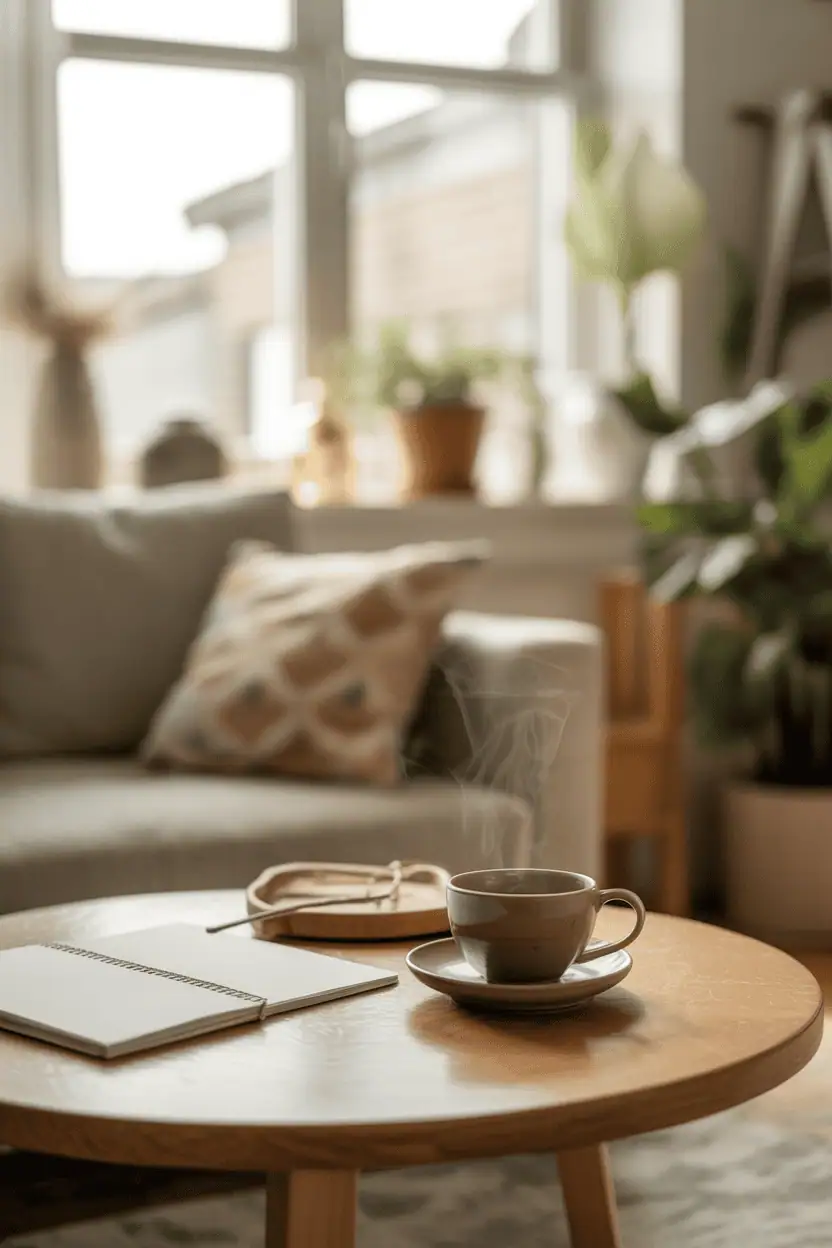
Wellness trends move fast, and social media makes every habit look like a movement. Some are new names for old advice, and some are worth trying. This guide looks at four popular shifts, what they are, what evidence supports them, how to try them without buying anything and what to watch for.
A trend is worth trying if it is low-cost, low-risk and easy to stop. The four below meet that test: protecting your energy, savoring small moments, spending less time on screens and getting outside.
Four trends at a glance
| Trend | What it means | Evidence | How to try it |
|---|---|---|---|
| Protecting your energy | Setting limits on your time, commitments and screen use to avoid burnout. | Sleep, rest and boundaries are well supported for health. Effects of specific routines vary. | Block one evening a week and say no to one commitment. |
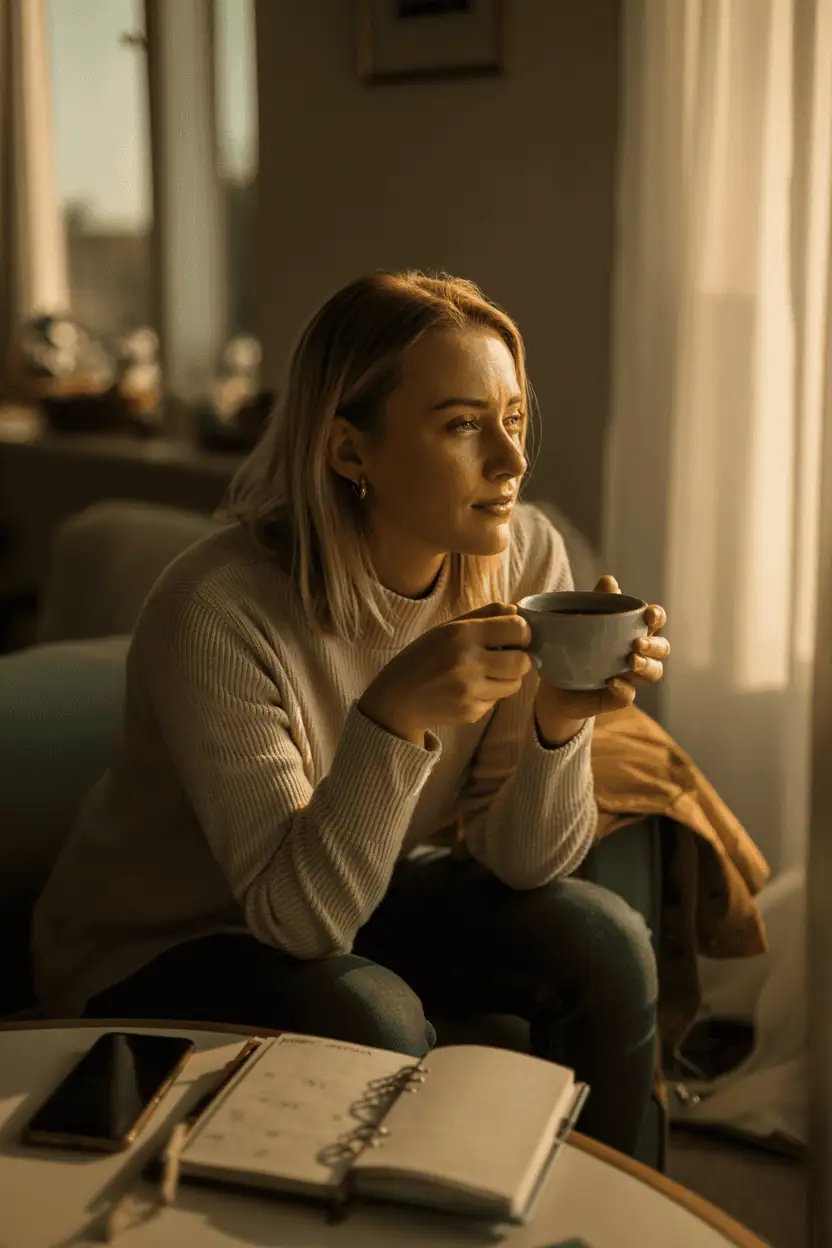
| Savoring everyday life | Paying attention to small pleasures, such as a good cup of coffee or a walk. | Related to mindfulness and gratitude, which show small benefits for well-being. | Take a minute each day to notice one enjoyable thing. |
| Offline habits | Reducing phone and social media time, and taking screen breaks. | Mixed evidence, but some small studies suggest that limiting social media may reduce loneliness or low mood. Turning off screens before bed is recommended for sleep. | Charge your phone outside the bedroom and turn off screens 30 minutes before bed. |
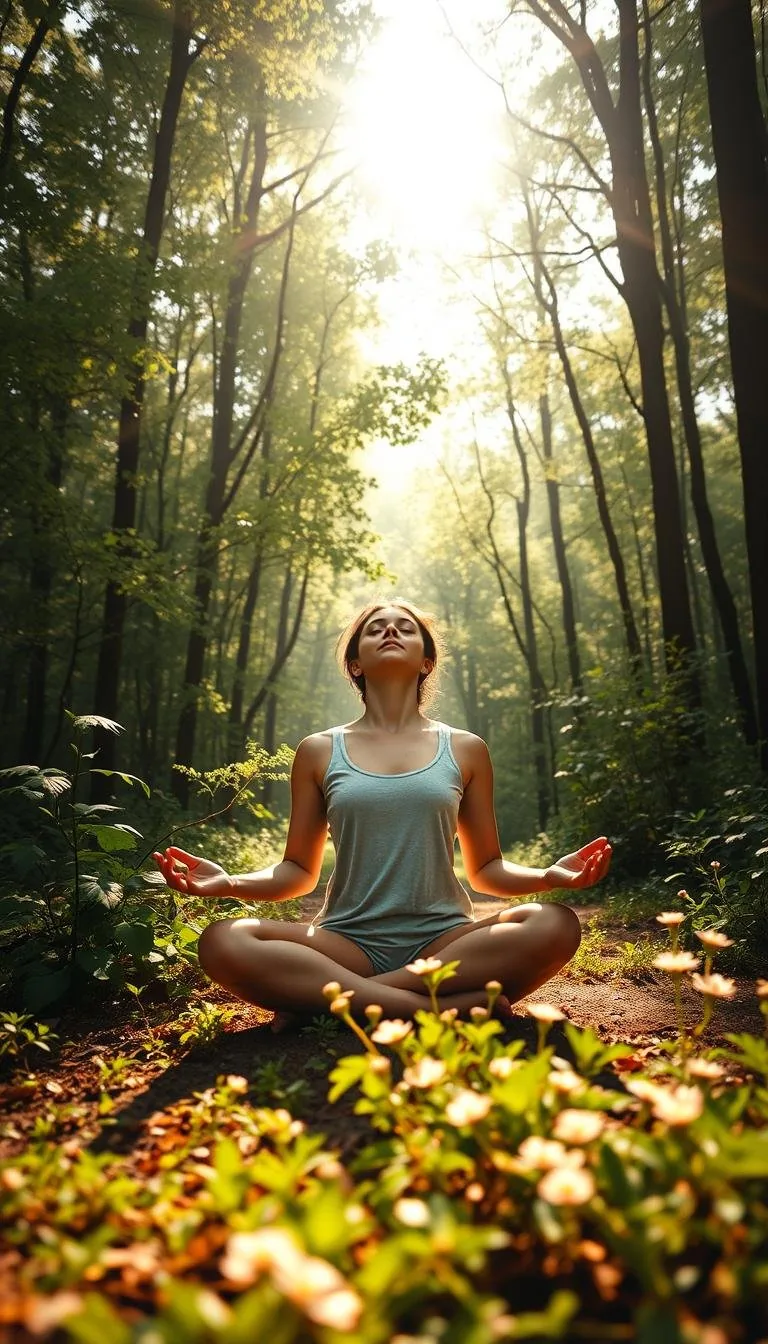
| Nature-based calm | Spending time outdoors to feel calmer. | A large survey study found that people who spent at least 120 minutes a week in nature reported better health and well-being. Association does not prove cause. | Walk outside for 10 to 20 minutes most days. |
Trend by trend
Protecting your energy
This is a modern way of describing boundaries and recovery. Concrete steps include keeping a steady sleep schedule, taking real breaks and saying no when you are at capacity. See How to Reset Your Routine Without Burning Out.
Savoring everyday life
Slowing down to enjoy small moments can be a helpful counterweight to a busy life. It becomes unhelpful if it turns into pressure to make every moment aesthetically perfect. You do not need special products or a perfect setup, only a bit of attention. See Mindfulness Exercises to Stay Present.
Offline habits
The CDC recommends turning off electronic devices at least 30 minutes before bed, and evening screens are a common sleep disrupter. Beyond that, results are mixed, and a total "detox" is not necessary. Try specific limits, such as no phone at meals or a 30-minute break after work.
Nature-based calm
Time outdoors is easy, cheap and combines well with walking. You do not need a forest: a park, a tree-lined street or your own yard counts. See A Simple Walking Routine for Beginners.
How to evaluate the next trend
- Who benefits? Is it selling a product or a program?
- What is the evidence? Look for reputable sources, not only influencers.
- What are the risks? Cost, time, restriction and medical safety.
- Can I stop easily? A good habit does not trap you.
- Does it fit my life? If it adds pressure, skip it.
Trends to be cautious about
- Detoxes and cleanses. See Do You Need a Spring Detox?
- Supplements with big promises. See Natural Energy Support.
- Extreme routines that require waking up at 4 a.m. or cutting out whole food groups.
Wellness habits are supportive, not treatment. If stress, low mood or anxiety persist, talk to a provider. In the United States, call or text 988 if you are in crisis.
FAQ
Are wellness trends worth following?
Does spending time in nature improve health?
Should I do a digital detox?
Sources and further reading