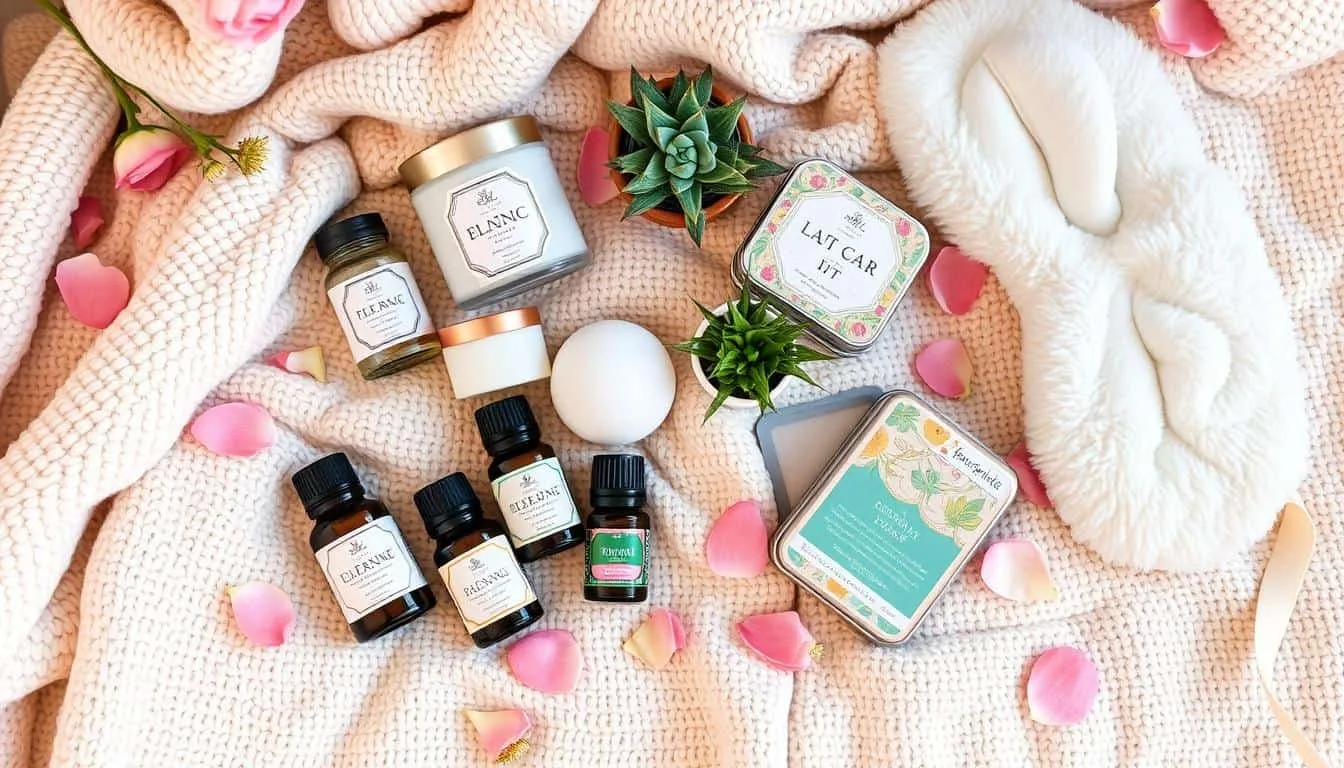
A self-care kit is a box, bag or basket of things that help you feel a little better when you are stressed, tired or low. The idea is to have what you need in one place, so you do not have to think when you are worn out.
This guide helps you build a kit for your own needs, shows what to include by situation, keeps it low-cost and points out what to avoid.
Build your kit around what actually helps you: something for your body, something for your mind and something comforting. Aim for 5 to 8 items, keep it in a spot you can reach and refresh it every few months.
What to include by need
| Need | Ideas | Cost |
|---|---|---|
| Calm the body | A soft blanket, warm socks, an eye mask, a heating pad or warm compress and lotion. | Low |
| Calm the mind | A notebook and pen, a book, a puzzle, a card with a breathing exercise or a printed grounding exercise. | Low |
| Wind down for sleep | Earplugs, an eye mask, caffeine-free tea and a printed evening routine. See Simple Ways to Create a Calming Evening Routine. | Low |
| Comfort and treats | A favorite snack, a small treat, a playlist or a photo that makes you smile. | Low |
| Connection | A list of two or three people you can call, and a few blank cards for notes. | Free to low |
| Physical care | Lip balm, hand cream, a water bottle and any medicines you commonly use, stored safely. | Low |
Three sample kits
| Kit | Contents |
|---|---|
| The rough-day kit | Blanket, favorite tea, a soft playlist, notebook, a list of friends to call. |
| The wind-down kit | Eye mask, earplugs, lavender-scented lotion if you like the smell, a paperback and a printed breathing exercise. |
| The desk kit | Hand cream, a water bottle, a stress ball, a snack, headphones and a card with a two-minute reset. |
Building it on a budget
- Use what you already have. A blanket, a book and a notebook cost nothing.
- Shop secondhand or dollar stores for a basket, a candle holder or a puzzle.
- Make a "digital kit": a folder of songs, guided recordings and photos.
- Add one item at a time instead of buying a full set.
What to skip or handle with care
- Essential oils: optional, and they can irritate. See Essential Oils for Relaxation.
- Candles: never leave them burning unattended.
- Supplements and "calming" pills: talk to a pharmacist first.
- Alcohol: it does not help with sleep or stress in the long run.
- Anything that leads to overspending.
How to use the kit
- Name the feeling. Tired, tense, lonely, restless or overwhelmed.
- Pick one or two items that match it.
- Set a timer for 10 to 20 minutes.
- Notice how you feel afterward, and note what helped.
- Refill anything you used.
Match items to the feeling
| Feeling | Try |
|---|---|
| Tense | Warm compress on your shoulders, slow breathing. See How to Build Resilience Through Breathwork. |
| Restless | A short walk, a puzzle or a playlist. |
| Lonely | Call or text someone from your list. |
| Overwhelmed | A five-minute brain dump. See Daily Journaling Prompts for Stress Relief. |
| Can't sleep | Screens off, eye mask, and a routine from this guide. |
This guide is general wellness information, not therapy or medical advice. If low mood, anxiety or stress lasts for weeks, affects your sleep, work or relationships, or you feel hopeless, talk to a health care provider or licensed mental health professional. In the United States, call or text 988 if you are in crisis.
FAQ
What should go in a self-care kit?
How much should I spend?
Is a self-care kit a substitute for therapy?
Sources and further reading