Welcome to the world of DIY veggie garden adventures! Growing your own vegetables is rewarding. It saves money and gives you fresh flavors. This guide is for beginners and those just starting out.
Learn how to pick the right plants and care for them. Enjoy the pride of harvesting your own veggies.
This article covers everything from choosing the best spot for your garden to mastering watering and pest control. You'll find solutions to common issues and gain confidence as you grow. Even small spaces can become productive green spaces full of fresh, homegrown goodness!

Choosing the Right Location for Your Veggie Garden
Finding the perfect spot for your garden involves three main things: sunlight, water, and soil health. Even small changes can make a big difference. Follow these tips to help your plants thrive from the start.

Sunlight Requirements
Most vegetables need 6–8 hours of sunlight each day. Leafy greens like lettuce can handle some shade, but tomatoes and peppers need full sun. Use apps like SunCalc to find the best spots in your yard.
Rule of thumb: Stay away from areas shaded by trees or fences for your main garden bed.
Proximity to Water Source
Don't forget about water when planning your garden. Place it close to a hose or outdoor faucet. This saves time and prevents plants from drying out. Try using soaker hoses to save water and effort.
Soil Drainage Considerations
Poor drainage can kill plants faster than drought. Dig a 1-foot hole, fill it with water, and see how long it takes to drain. If it's over 4 hours, your soil needs help.
Add compost to improve compacted soil or build raised beds for clay areas. This simple step prevents root rot and boosts growth.
"A well-chosen location is your garden’s best fertilizer." — National Gardening Association
Selecting the Best Veggies for Your Garden
Starting your vegetable garden ideas with the right plants is key. Pick veggies that do well in your area and that your family likes. Beginners often choose fast-growing plants to keep them excited.

Fast-Growing Options
Go for quick crops like radishes, lettuce, and spinach. They're ready in weeks, not months. For radishes, try growing vegetables from seed—they sprout fast. Bush beans and cucumbers also grow quickly.
- Radishes: Ready to eat in 20–30 days
- Lettuce: Harvest baby greens in 30 days
- Spinach: Grows quickly in cool spring or fall weather
Seasonal Choices
Plant at the right time for your area. Cool-season crops like peas and broccoli do well in spring or fall. Warm-season veggies like tomatoes and peppers need summer.
Check seed packets for how long it takes to harvest and when the first frost is. This helps you plan.
Companion Planting Ideas
"Tomatoes and basil improve each other’s flavor and repel pests together." – National Gardening Association
Carrots and onions confuse pests. Marigolds around the edges keep nematodes away. This natural method boosts your garden's yield.
Start with varieties for your USDA hardiness zone. Look for disease-resistant hybrids like ‘Sun Gold’ cherry tomatoes. Plant extra of your family's favorites, like zucchini or heirloom tomatoes, for special meals.
Preparing Your Garden Soil for Planting
Healthy soil is key for a great DIY veggie garden. First, test and amend your soil. This is true for both organic gardening at home and sustainable gardening practices. It helps your plants grow well.

Testing Soil pH
Use home kits or local services to test soil pH. Most veggies like a pH of 6.0–7.0. If it's too acidic, add lime. For too alkaline, use sulfur.
- Buy a home kit at garden centers like Home Depot or Walmart.
- Follow instructions to check pH levels.
Amendments for Nutrient-Rich Soil
Make soil better with organic stuff. Add compost, manure, or leaf mold. They give nutrients and better texture.
- Apply amendments 4–6 weeks before planting.
- Till or mix into the top 6–8 inches of soil.
Composting kitchen scraps is a smart move. It turns waste into soil food. This saves money and cuts down on landfill waste. Healthy soil means fewer pests and better harvests for your DIY veggie garden.
Designing Your Garden Layout
When planning your garden, you must choose between raised beds or in-ground setups. Raised beds keep the soil loose and warm. In-ground gardens let roots spread freely. Both have unique ideas for different spaces.
Raised Beds vs. In-Ground Gardens

Raised beds drain well and are good for rocky soils. They're easy to improve but cost more. In-ground gardens save money but might have drainage issues in clay-heavy areas. Test your soil to choose the best option.
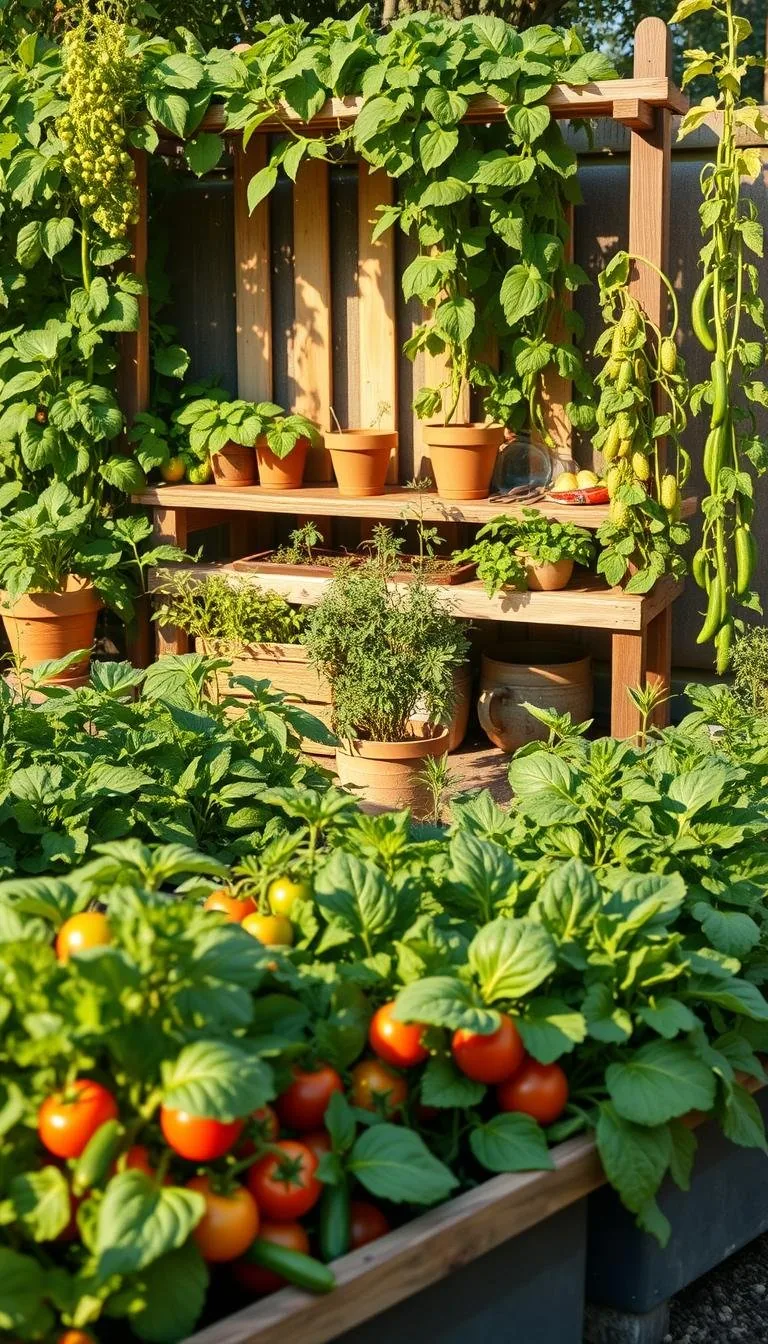
For small yards, container gardening works well in pots or vertical setups.
Vertical Gardening Techniques
- Trellises for vining plants like peas or cucumbers
- Wall-mounted tiered planters to stack greens
- Mesh nets for sprawling plants like strawberries
Efficient Spacing for Plants
Keep 12–18 inches between plants to avoid disease. Overcrowding hinders growth. Use companion planting: carrots and onions repel pests.
Sketch your layout on paper to plan paths and plant groups. Rotate crops each season to improve soil.
Small-space gardeners can mix raised beds and containers. For example, grow lettuce in pots and let tomatoes climb a trellis. Adjust spacing based on plant size—tomatoes need 2–3 feet apart, while radishes can be closer. A well-planned layout turns any yard into a productive space.

Essential Gardening Tools for DIYers
Starting a DIY veggie garden doesn't have to cost a lot. A few basic tools and beginner gardening tips can make your garden grow. The right tools make tasks like weeding or planting easier.
“A well-maintained trowel outlasts a decade of garden seasons.” – The Old Farmer’s Almanac
Every sustainable gardening practices toolkit starts with these basics:
- Hand trowel: Ideal for planting seedlings and weeding tight spaces
- Bypass pruners: Clean cuts on stems to avoid plant stress
- Garden fork: Breaks up soil without compacting it like a shovel
- Long-handled hoe: Effortlessly remove weeds between rows
- Stiff-bristled brush: Cleans mud from tools after each use
- Collapsible watering can: Targets moisture exactly where plants need it
- Wheelbarrow: Transports compost, mulch, or harvested veggies
Choose eco-friendly tools like Fiskars bamboo-handled pruners or recycled plastic watering cans from Tractor Supply Co.. Sharpen blades every year. Store tools in a dry place with a magnetic board or tool caddy. Good pruners and trowels last a long time if you take care of them.
Watering Techniques for a Thriving Garden
Proper watering is key for a backyard vegetable garden. It's vital for organic gardening at home and sustainable gardening practices. Knowing when and how to water is essential. Overwatering or neglecting roots can harm plants. Follow these tips to grow healthy crops.

Drip Irrigation Benefits
A drip system waters roots directly, saving up to 50% water compared to sprinklers. It has many benefits:
- Reduces leaf diseases by keeping foliage dry
- Saves time with automatic timers
- Perfect for backyard vegetable garden layouts
Timing Your Watering Schedule
Water plants when they need it most. Follow these guidelines:
- Start at dawn to avoid midday evaporation
- Avoid evening watering to prevent mold
- Check soil moisture with your fingers before watering
Mulch around plants with straw or compost. It traps moisture and reduces evaporation by 30%. For crops like tomatoes, water deeply once a week. Lettuce and herbs prefer lighter, more frequent watering.
Watch for wilted leaves. They can mean the plant is thirsty or drowning. Yellow leaves often indicate overwatering. Dry soil an inch deep is a sign it's time to water.
Pest Control Strategies for DIY Gardening
Keeping your organic gardening at home healthy starts with good soil and varied plants. Sustainable gardening practices like spacing plants and mixing crops confuse pests. This helps prevent infestations early on.
Start by growing strong plants from growing vegetables from seed in rich soil. Healthy plants naturally fight off pests.
Integrated Pest Management (IPM) uses many strategies for lasting results. Here are some sustainable gardening practices:
- Plant marigolds or basil near tomatoes to repel aphids and mosquitoes.
- Use row covers to block insects without chemicals.
- Attract ladybugs and praying mantises—they eat harmful bugs.
Natural Pest Deterrents
Make your own sprays from garlic, hot peppers, or dish soap. Mix it with water and spray on pests like caterpillars or beetles. For bigger problems, try neem oil or insecticidal soap. They stop pests without harming the soil.
Choosing Organic Pesticides
Always check your plants first—spot-check leaves and stems weekly. Use organic pesticides only when damage is over 10-15%. Safer Brand or Garden Safe offer EPA-approved options. Spray early morning or evening to protect pollinators.
"Prevention is the best pesticide," says the USDA. "Healthy ecosystems outcompete pests without chemicals."

Harvesting Your Veggies
Get the most out of your garden by learning when and how to pick your veggies. Whether you have a backyard vegetable garden or a container vegetable gardening setup, timing is everything. Picking too late can make your veggies taste bland and lose their nutrients.
When to Harvest for Best Flavor
Here's what to look for: tomatoes blush fully red, zucchini should be firm but tender, and herbs should smell strong before they flower. If veggies grow too big, they can become bitter. Here's a quick guide:
- Tomatoes: Full color, slight give when pressed
- Zucchini: 6-8 inches long, firm skin
- Leafy greens: Young leaves for tenderness
Techniques for Picking Vegetables
Be gentle when handling plants to avoid damaging them. Use clean shears to cut stems close to the base. For a DIY veggie garden, pick your veggies in the early morning when they're at their crispest. Don't leave ripe veggies out too long, as this tells the plant to stop growing. A common mistake is pulling carrots, which can damage the plant. Instead, grab the greens and gently wiggle the carrot.
Harvesting regularly can make your garden produce more. Plant fast-growing crops in phases to keep your harvest going. Store your veggies in a cool, humid place to keep them fresh for longer.
Overcoming Common Gardening Challenges
Gardening is joyful, but it comes with setbacks like harsh weather or poor soil. These tips will help you adapt and keep your garden healthy. Every problem solved makes you better for future harvests.
Dealing with Weather Extremes
Extreme heat? Use shade cloth or water plants in the morning. Cold spells? Protect them with row covers or cold frames. Drought? Mulch keeps moisture in and drip systems save water. Flooding? Raised beds keep roots dry. Move containers to better spots, like indoors during frost.
Solving Soil Issues
Hard or compacted soil? Add compost and avoid walking on beds. Drainage problems? Raised beds or containers help. Nutrient gaps? Soil tests help choose fertilizers. Adjust pH with lime or sulfur for healthy plants. Healthy soil means stronger seedlings, even when growing from seed.
Yellow leaves or mold? Blossom end rot often means uneven watering—keep soil moist. Powdery mildew thrives in humid spots; space plants for airflow. Local extension services or sites like USDA offer free guides. Every challenge is a chance to learn, not a failure. Small fixes like companion planting or rotating crops build long-term success.
Keep experimenting! Try new methods, join garden clubs, or share tips with neighbors. Each season teaches something new. Whether you’re using raised beds or containers, every solution brings you closer to a thriving garden. Stay curious, adapt, and enjoy the journey—your next harvest awaits!