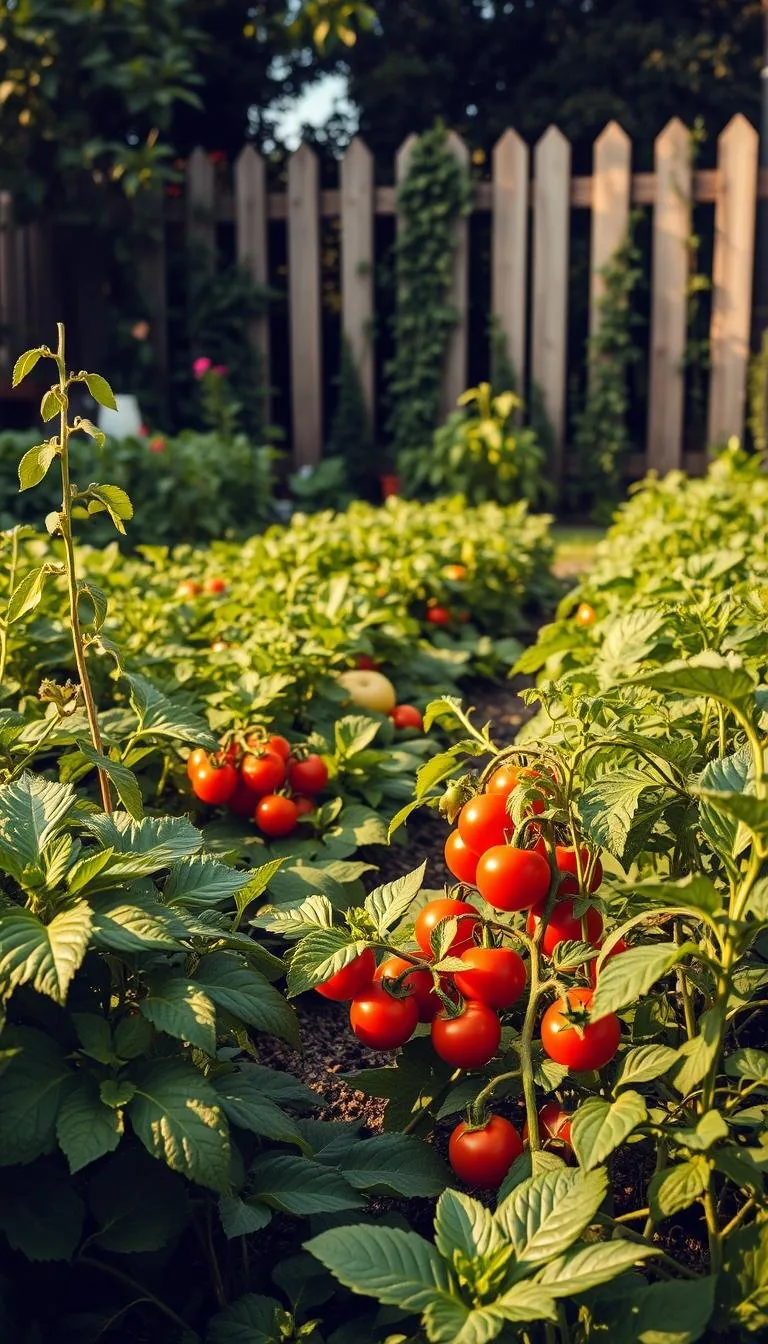
Starting a backyard vegetable garden is simpler than you might think. Homegrown produce brings fresh flavors and nutrients, all without pesticides. This guide will help you make any outdoor space into a productive garden, whether you're new to gardening or have experience.
Learn how to plan, plant, and care for your garden step by step. Find out about soil, sunlight, and the best vegetables for your area. Every tip is aimed at increasing your harvest and making gardening easier.
This article covers everything from planting seeds to preserving your harvest. Grow vegetables that taste better and save money on groceries. Start small and grow as you become more confident—your family and the environment will thank you.

Benefits of Growing Your Own Vegetables
Homegrown veggies are not just delicious—they change our lives. growing vegetables at home saves money, boosts health, and helps the planet. Even small gardens can make a big difference.
Why Backyard Gardens Are Worth It
- Save 30–50% on grocery bills by growing basics like tomatoes or herbs.
- Enjoy peak flavor—fruits and veggies picked fresh retain maximum nutrients.
- Control over pesticides and additives means safer food for your family.
Health and Nutritional Advantages
Vegetables lose nutrients the longer they sit in stores. Home gardens let you harvest at peak ripeness, locking in vitamins. Plus, tending plants burns 150–300 calories per hour. As the CDC notes, gardening reduces stress hormones like cortisol.
“Digging, planting, and harvesting act as a mental workout too.” – American Heart Association
Environmental Impact
Sustainable gardening reduces reliance on industrial farms that use fossil fuels for shipping. Composting food scraps cuts landfill waste by 20–30%. Using organic methods avoids synthetic fertilizers that pollute waterways. Every home garden shrinks your carbon footprint while growing food locally.
Choosing the Right Location
Starting a DIY garden project means your backyard is your canvas. Find a sunny, easy-to-reach spot for your plants to grow well. Here are three important factors to consider for your Backyard Vegetable Gardens.
Sunlight Requirements
Most veggies need 6–8 hours of direct sun each day. Position your garden to face south for the most sunlight. If you're unsure, watch for shadows at midday and afternoon to find the sunniest spots.
Leafy greens can handle some shade, but tomatoes and peppers need lots of light.

Soil Quality and Drainage
Good soil is key for healthy plants. Dig a 1-foot hole, fill it with water, and see how fast it drains. It should drain in 4 hours or less.
Add compost to improve soil texture and nutrients. Stay away from soggy spots to avoid root rot.
Proximity to Water Sources
- Put gardens near a hose or rain barrel for easy watering.
- Use soaker hoses or drip systems to save time and water.
- Place containers near a porch or deck to cut down on watering trips.
No big yard? Try raised beds on patios or vertical planters on fences. Even small areas can grow herbs, strawberries, or cherry tomatoes. Every detail matters in creating a thriving DIY garden project.
Selecting Vegetables for Your Garden
Choosing the right plants is all about matching your space, climate, and skill level. Even small spaces can thrive with the right picks. These tips make picking plants easier, whether you're gardening in a yard or on a balcony.
Best Vegetables for Beginners
Begin with crops that give quick results. Lettuce grows in 30 days, and radishes in just 25. Zucchini and snap peas are great for their abundance and color.
Urban gardeners love compact varieties like ‘Bush Blue Lake’ beans and ‘Tiny Tim’ tomatoes. They fit well in raised beds or pots. Choose plants you'll eat, like herbs like basil or cilantro, which are also kitchen staples.
Seasonal Considerations
- Spring: Peas, spinach, and radishes do well in cool soil.
- Summer: Tomatoes, cucumbers, and eggplant need lots of sun.
- Fall: Kale, beets, and broccoli handle early frosts.
- Winter: Garlic and onions planted now will yield next year.
Know your USDA zone (e.g., Zone 6 gardeners avoid frost-sensitive crops in late fall). Free guides like USDA’s zone map help you choose the right plants.
Companion Planting Basics
Pair plants for mutual benefit. Try:
- Tomatoes + basil (enhances growth and repels aphids)
- Cucumbers + sunflowers (use vertical space)
- Carrots + onions (mask scents pests track)
“Companion planting isn't guesswork—it's time-tested science. A few smart pairs can cut pest problems by half.”
Avoid clashes: Never plant fennel near tomatoes, as it stunts growth. Mix leafy greens with herbs to make the most of space.
Planning Your Garden Layout
Designing your garden layout starts with choosing methods that fit your space. Raised bed gardening and vertical systems are great for small spaces. They help you make the most of even tiny plots. Let’s explore how to organize plants for productivity and ease.

Raised Beds vs. In-Ground Gardens
- Raised beds warm soil faster, ideal for short growing seasons.
- Perfect for urban gardening: compact, accessible, and soil-quality control.
- In-ground gardens work best where space allows and soil is healthy.
Spacing and Arrangement
Make sure to leave enough room between plants to avoid competition. For raised bed gardening, square-foot gardening uses grids to track spacing. Example: 16 carrots fit in a 12-inch square. Overcrowding blocks airflow, inviting pests.
Vertical Gardening Techniques
Urban gardeners love vertical setups. Train peas on trellises, use tomato cages, or hang pocket planters for strawberries. Vining crops like cucumbers thrive upward—save 50% of ground space this way.
“Vertical systems turn walls and fences into harvest zones.”
Sketch layouts on paper first. Mix raised beds with vertical towers for balanced growth. Every square foot counts—plan smart, grow smart.
Preparing Your Garden Soil
Healthy soil is key for a great organic garden. Start by testing and amending your soil. This ensures plants grow well without harmful chemicals, fitting sustainable gardening goals.
Testing Soil Health
First, test your soil to check pH levels and nutrients. DIY kits from LaMotte or local extensions are affordable. Tomatoes like a pH of 6.0–6.8, while blueberries need 4.5–5.5.
Adjust your soil based on the test results. Add lime to raise pH or sulfur to lower it.
Amending with Organic Matter
Make your soil better with compost, shredded leaves, or manure. Mix 2–3 inches into the topsoil. This boosts water retention and microbial activity.
Stay away from synthetic additives. This method supports sustainable gardening by turning kitchen scraps into nutrient-rich soil.
- Compost: Adds nitrogen and improves drainage
- Leaf mold: Enhances soil structure and moisture retention
- Coffee grounds: Acidify soil for plants like strawberries
Best Fertilizers for Vegetables
Use organic fertilizers that match plant needs. Fish emulsion is great for leafy greens because it's high in nitrogen. Bone meal helps with root growth.
Legumes like beans can even fix their own nitrogen. This means you need less fertilizer. But, use it sparingly to avoid overfeeding.
Healthy soil means strong plants. Focus on organic inputs and regular testing for long-term soil health.
Planting Your Seeds and Seedlings
Every seed and seedling you plant is the first step toward your homegrown produce harvest. Mastering the planting process ensures your DIY garden project gets off to a strong start. Let’s dive into timing, methods, and care essentials to nurture healthy growth.

When to Plant Different Vegetables
“A seed planted at the wrong time is a seed wasted.” – Organic Gardening Council
Use your USDA growing zone to time plantings:
- Cool-season crops (lettuce, peas): Plant 2-4 weeks before last frost.
- Warm-season crops (tomatoes, beans): Wait until soil warms above 60°F.
- Fall crops (broccoli, carrots): Sow 10-12 weeks before first fall frost.
Direct Seeding vs. Transplanting
- Direct seeding: Ideal for root veggies (radishes, beets). Sow at twice seed depth, spaced per packet instructions.
- Transplanting: For tomatoes and peppers. Harden seedlings by moving outdoors gradually for 3 days before planting. Dig holes 2x root ball size and water immediately.
Watering Techniques
After planting, water deeply to settle soil around roots. Use soaker hoses or drip systems to maintain consistent soil moisture without overwatering. Mulch around plants to retain moisture and suppress weeds.
With these steps, your seeds and seedlings will thrive, setting the stage for a successful harvest of homegrown produce. Every decision here builds the foundation of your DIY garden project’s future bounty.

Maintaining Your Backyard Garden
A thriving organic garden needs regular care. Small daily actions can prevent big problems. Start each morning by walking through your garden to check plant health and spot issues early.
- Water deeply but infrequently—aim for soil moisture 2–3 inches deep.
- Harvest ripe produce promptly to encourage new growth.
- Inspect leaves for pests or damage; act early to stop spread.
Pest Management Strategies
Protect your organic garden using nature’s helpers first. Introduce ladybugs to eat aphids or hang sticky traps for flying pests. For severe outbreaks:
- Use neem oil sprays on affected plants.
- Apply food-grade diatomaceous earth around plant bases.
- Handpick larger pests like tomato hornworms.
Organic Weed Control Methods
Prevent weeds with thick mulch layers (2–3 inches) to block sunlight. Between rows, use straw or shredded leaves. For persistent weeds:
- Pull young weeds before they seed.
- Use corn gluten meal as a natural pre-emergent.
- Install landscape fabric under mulch for long-term suppression.
Regular care builds resilient Backyard Vegetable Gardens. By combining observation with eco-friendly tools, you’ll enjoy fresh produce while nurturing soil and wildlife. Small steps today mean bigger rewards at harvest time.
Harvesting Your Vegetables
Knowing when and how to harvest is key to getting the most from your homegrown produce. The timing can make a big difference. For example, picking tomatoes at the right time can make them taste much better.

Recognizing Ripeness Signals
- Tomatoes: Pick when fully colored—red, yellow, or striped varieties. They should feel slightly soft but not mushy.
- Zucchini: Harvest when 6–8 inches long. Longer squash become seedy and tough.
- Leafy greens: Lettuce leaves are ready when outer leaves are sturdy. Snip outer leaves to encourage new growth.
Harvesting Techniques
Cut vegetables at the stem with clean shears to avoid damaging plants. Morning harvests lock in moisture for greens like spinach. For fruits like peppers, twist gently until they release with a snap. Succession harvesting—like picking beans daily—promotes continuous growth.
Storage Solutions
Store root vegetables like carrots in a cool, dark space. Use mesh bags for onions to prevent rot. Delicate herbs and greens stay crisp in airtight containers with a damp paper towel. Freezers or canning jars extend the life of excess homegrown produce.
Properly stored vegetables retain their nutrients and flavor. This makes your efforts in growing vegetables at home even more rewarding. Enjoy the taste of fresh-picked veggies in soups, salads, or as a snack straight from the garden!
Preserving Your Bounty
Make your DIY garden last all year by learning to preserve. Keep your fresh produce flavors and nutrients in with simple methods. This way, every tomato, bean, and herb can be enjoyed in future meals or as gifts.
Canning Techniques
Begin with safe USDA-approved canning methods to avoid food safety issues. Use water bath canning for high-acid foods like tomatoes and pickles. For lower-acid items like beans, a pressure canner is best. Here are three easy recipes to start with:
- Tomato Sauce: Simmer ripe tomatoes with garlic and basil until thick
- Dill Pickles: Brine cucumbers with dill, garlic, and vinegar for crisp results
- Hot Pepper Jam: Blend roasted peppers with apple cider vinegar and honey
Freezing Vegetables Safely
Blanch veggies like green beans and broccoli for 2-3 minutes before freezing. Then, store them in airtight containers or vacuum-sealed bags. Remember to label them with the date to keep track of freshness. Freezing helps keep 90% of nutrients, unlike fresh storage which loses them after 3 days.
Dehydrating for Long-Term Storage
Dehydrate at 135°F for 6-12 hours using an Excalibur or Nesco. Make kale chips, dried tomatoes, or herb mixes. Or, try solar drying by placing slices on mesh screens in full sun for 2-3 days.
Share your harvest by giving jars of salsa or dried herb packets as gifts. These preserved items make great holiday presents from your DIY garden. They turn summer's bounty into winter's delights.
Gardening Tools and Supplies Essentials
Starting a Backyard Vegetable Garden doesn't need a lot of money. Choose tools that are good for the planet. This way, you'll have a useful and eco-friendly set.

Must-Have Tools for New Gardeners
Start with tools that will last. A strong trowel for digging, Fiskars bypass pruners for clean cuts, and a watering can with a rose nozzle are essentials. A wheelbarrow or garden cart makes moving soil or harvest easy.
- Hand trowel (e.g., Bulldog Tools)
- Bypass pruners (e.g., Fiskars Micro-Tip)
- Watering can or soaker hose
Eco-Friendly Gardening Supplies
Choose items that are better for the planet. Use biodegradable seedling pots from Jiffy or coconut coir. Replace plastic twine with jute for trellises. Opt for tools made from recycled or renewable materials, like Gardeners Supply’s bamboo-handled tools.
Budget-Friendly Options
Get creative with what you already have. Use yogurt containers as seed starters, old spoons as dibbers, or wooden pallets for DIY compost bins. Join tool-sharing groups to borrow items like tillers. Thrift stores have secondhand hoses or gloves.
Keep tools in good shape by cleaning blades, sharpening pruners, and storing them dry. A little care goes a long way. It saves money and reduces waste. Remember, sustainable gardening is about being smart, not spending a lot. Start small and grow wisely!
Troubleshooting Common Garden Problems
Gardening setbacks are part of the journey. This section helps you spot issues early and fix them using natural methods. These keep your organic garden thriving.
Spotting Pests and Diseases Early
Look for curled leaves or sticky residue—signs of aphids or scale. Check undersides of leaves for caterpillars like tomato hornworms. Solutions for an organic garden include:
- Neem oil sprays for soft-bodied pests
- Handpicking large insects at dawn
- Baking soda mix for powdery mildew on squash leaves
Weather Challenges Solved
Extreme weather? Try these fixes:
- Row covers to shield plants from late frosts
- Shade cloth for heatwaves in raised bed gardening setups
- Soaker hoses paired with mulch during droughts
Soil Fixes for Raised Beds
Over time, raised bed gardening may face issues like soil compaction. Try:
- Annual compost layers to restore nutrients
- Aeration with a garden fork every spring
- Adding perlite if water pools after rain
"Every problem is a chance to learn. Even experts face these challenges!"
Remember: Prevention starts with crop rotation and healthy soil. Adjust as needed, and enjoy the process!
Community and Resources for Gardeners
Learning more and meeting others can make gardening better. Look for local and online groups to find tips that fit your space and goals. Whether you have a big backyard or a small balcony, there are resources to keep you informed and motivated.
Local Gardening Clubs and Workshops
Join local groups like your county’s Master Gardener program or community gardens. These places offer hands-on learning and workshops all year. If you garden in the city, look for programs that help with small-space gardening, like using containers or vertical systems.
Online Gardening Communities
Check out forums like GardenWeb or YouTube channels like Urban Farming Today for gardening tips. Social media groups, like UrbanGardenTips on Facebook, offer advice for small spaces. Apps like Gardenate help track your plants, making gardening in tight spots easier.
Gardening Books and Guides
Start with “The Vegetable Gardener’s Bible” by Edward C. Smith for beginners. “The New Urban Farmer” by Novella Carpenter has tips for growing in small areas. For more advanced gardeners, “Square Foot Gardening” by Mel Bartholomew shows how to garden efficiently. These books cover everything from soil care to extending the growing season, helping you always learn something new.