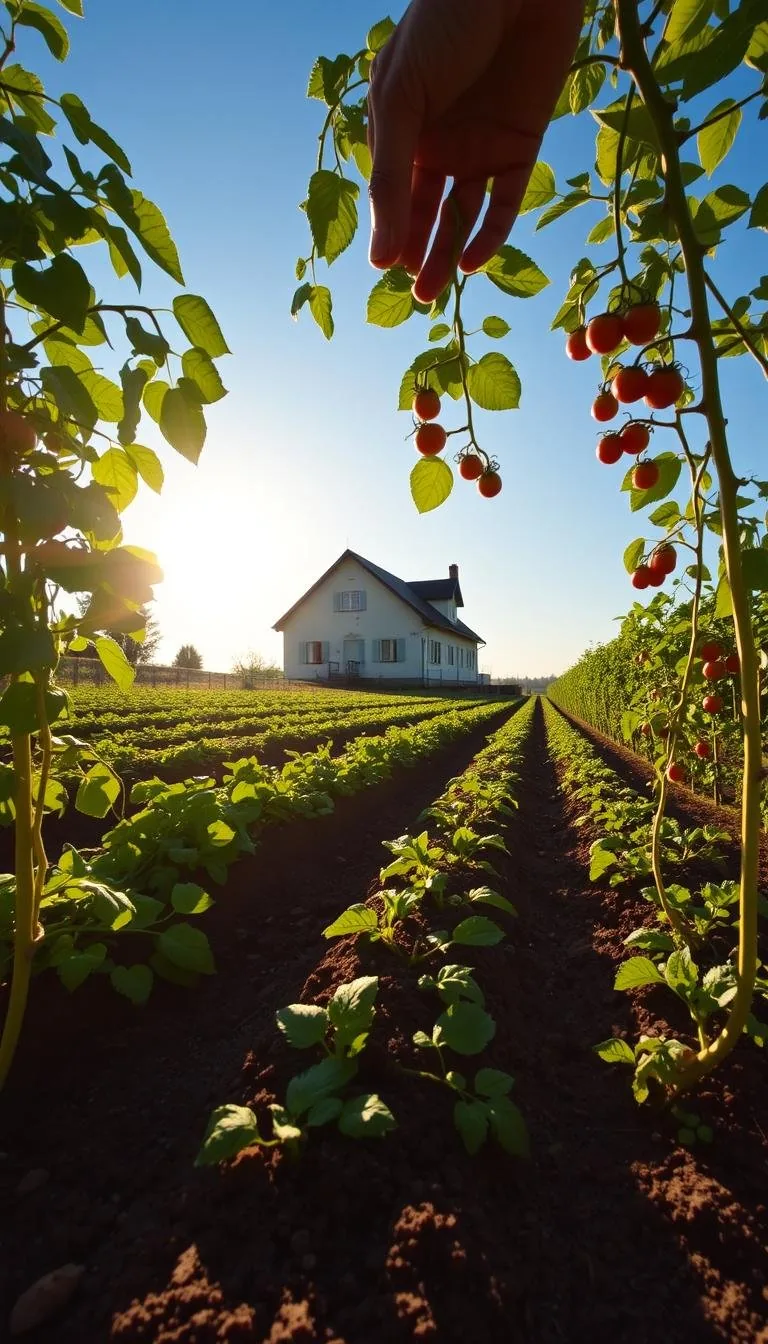
Timing is half of vegetable gardening. Plant too early and frost kills tender seedlings. Plant too late and cool-season crops bolt in the heat, or warm-season crops run out of time before fall.
This guide gives you a method that works anywhere in the U.S.: anchor everything to your average last frost date, then plant cool-season crops before it, warm-season crops after it, and count back from your first fall frost for fall crops. Part of the Grow Your Own Food series.
Find your average last spring frost date from your county extension office. Plant hardy cool-season crops several weeks before it, and tender warm-season crops after it, when nights are around 60°F. Use the weather forecast, not just the calendar.
The timeline relative to your last frost
| When | What to do |
|---|---|
| 6 to 8 weeks before last frost | Start tomatoes, peppers and eggplant seeds indoors (tomatoes can take 5 to 8 weeks). Start cool-season transplants such as broccoli and cabbage if you like. |
| Several weeks before last frost (soil workable, about 40°F to 50°F) | Direct sow peas, spinach, lettuce and radishes. Very hardy crops can go in anywhere from several weeks to a couple of months before your last frost. |
| 2 to 3 weeks before last frost | Start cucumbers and squash indoors if you want a head start (about 3 to 4 weeks ahead of planting). Begin hardening off cool-season transplants. |
| Around the last frost date | Plant cool-season transplants. Prepare beds. Watch the forecast. |
| 1 to 2 weeks after the last frost | Transplant tomatoes, peppers and eggplant when nights are around 60°F and days around 70°F. Direct sow beans, cucumbers and squash. |
| Summer | Sow successive plantings of beans and greens. In hot climates, shade lettuce or wait until fall. |
| Late summer | Start fall crops such as lettuce, kale, broccoli and radishes. |
Cool-season and warm-season crops
| Crop | Season | Planting note |
|---|---|---|
| Peas | Cool | Direct sow early. They stop setting pods above about 85°F, so plant 50 to 70 days before hot weather. |
| Spinach, lettuce, radishes | Cool | Sow when soil is about 40°F to 50°F, and again in late summer for fall. |
| Kale, chard, broccoli, cabbage | Cool | Spring transplants or late summer for fall. |
| Carrots, beets | Cool | Direct sow a few weeks before the last frost. |
| Tomatoes, peppers, eggplant | Warm | Transplant after frost and when nights are warm. |
| Beans, corn | Warm | Direct sow after frost, in warm soil. |
| Cucumbers, squash, melons | Warm | After frost, from seed or transplants. |
| Basil | Warm | Sensitive to cold. Plant after frost. |
Fall planting: count backward
- Find your average first fall frost date.
- Check the days to maturity on the seed packet.
- Add one to two weeks to allow for slower growth in shorter days.
- Count back from the frost date to find your sowing date.
Lettuce for fall harvest is often started in August or September, and heat can prevent seeds from sprouting, so extension services recommend using transplants about four weeks old when it is hot.
Regional notes
| Region type | What to expect |
|---|---|
| Short-season northern areas | Late last frost and early first frost. Use transplants for warm-season crops and choose faster varieties. |
| Mid-latitude areas | Distinct spring and fall cool-season windows, with a summer warm-season crop in between. |
| Hot southern and desert areas | Cool-season crops often do best in fall, winter and early spring. Plant warm-season crops early and give shade in peak summer. |
| Mild coastal areas | Long seasons, with many cool-season crops possible most of the year. |
These are general patterns. For exact dates, use your county extension office. See Gardening 101 for how frost dates differ from hardiness zones.
Make your own calendar
- Write your average last spring frost and first fall frost dates.
- Choose your crops and check their days to maturity.
- Use the timeline above to fill in sowing and transplant dates.
- Add a reminder for succession sowings every two weeks for lettuce, radishes and beans.
- Adjust for weather each year.
FAQ
When should I plant tomatoes?
What can I plant before the last frost?
Can I plant vegetables in the fall?
Sources and further reading