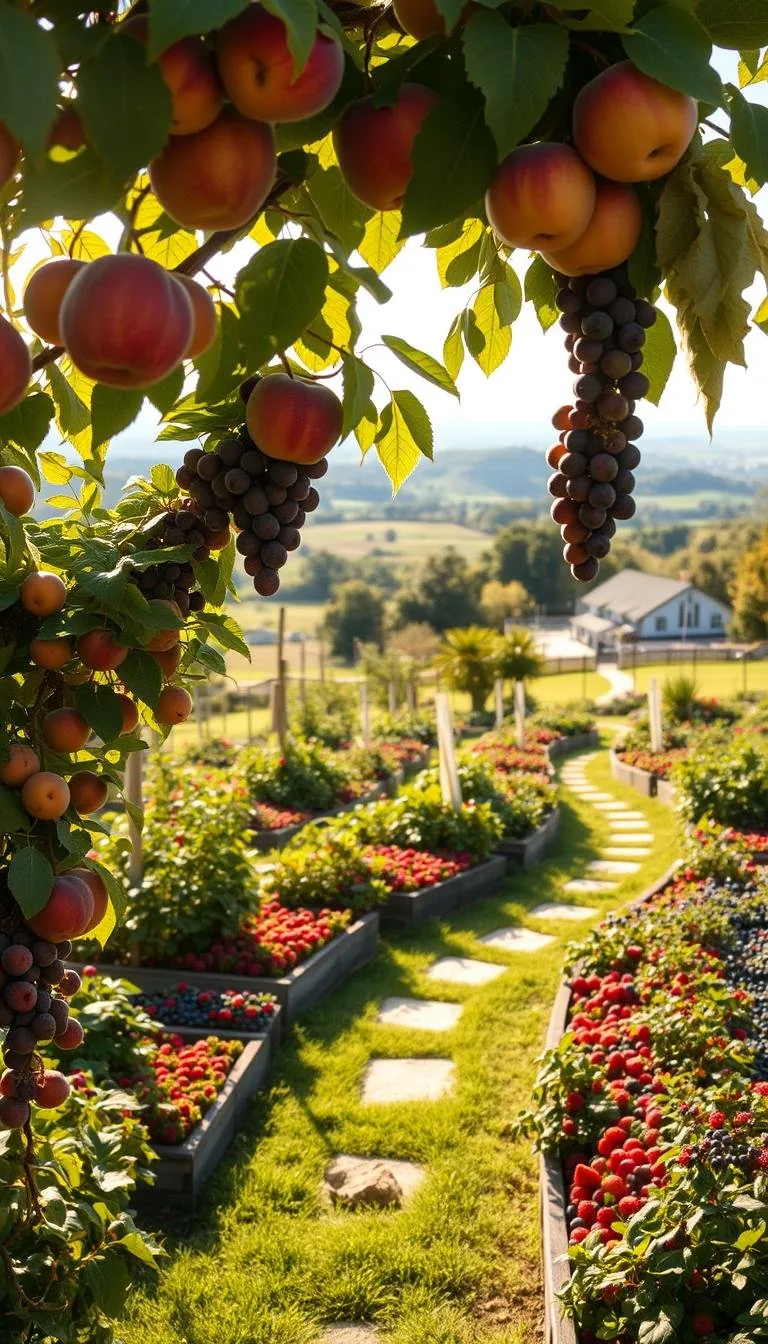
Homegrown berries and fruit are among the most rewarding things to grow, and among the easiest to fit into a small yard. Strawberries, blueberries and raspberries grow in beds or containers and start producing within a year or two. Fruit trees take longer and need more planning.
This guide covers beginner-friendly fruit, sun and soil needs, pollination and climate matching, and what to plant first. Part of the Grow Your Own Food series.
Start with strawberries and one or two berry bushes. Choose varieties that suit your hardiness zone, give them 6 or more hours of sun and check soil pH, since blueberries need acidic soil. Be patient: perennial fruit takes a few seasons to reach full production.
Beginner-friendly fruit
| Fruit | Sun | Soil pH | Notes |
|---|---|---|---|
| Strawberries | At least 6 hours, ideally 10 or more | About 5.5 to 7.5 | Self-fertile, but bees help pollination. Plant dormant plants in spring once soil is workable, and potted plants after frost risk has passed. |
| Raspberries and blackberries | At least 6 hours | About 5.5 to 6.5 | Need trellis or support and regular pruning. Give them room. |
| Blueberries | At least 8 hours in summer, though they tolerate some shade | About 4.8 to 5.2 | Need acidic soil. Self-pollinating, but two varieties that bloom together give bigger crops. |
| Dwarf fruit trees | Full sun | Varies | Need suitable varieties, pruning and often a second tree for pollination. Take several years to bear. |
Match fruit to your climate
- Hardiness zone: find yours on the USDA Plant Hardiness Zone Map, and choose varieties rated for it. See Gardening 101.
- Chill hours: many fruits need a period of winter cold, measured in hours between 32°F and 45°F. In warm regions, choose low-chill varieties. For blueberries in warmer areas, look for varieties needing fewer than about 800 chill hours.
- Local varieties: ask your extension office or a local nursery which types do well nearby.
Prepare the site
- Pick a sunny, well-drained spot. Avoid low areas where frost collects.
- Test soil pH. Adjust as the test recommends. Blueberries often need soil acidification, or a container with acidic mix.
- Improve the soil with compost before planting perennial fruit.
- Plan spacing and supports. Bushes and canes need room and trellises.
- Protect from birds and animals with netting or fencing.
Plant and care
| Task | Tips |
|---|---|
| Planting time | Early spring for many berries. Follow local guidance. |
| Watering | Keep soil moist, especially the first year and during fruiting. |
| Mulch | Use organic mulch to hold moisture and limit weeds. |
| Pruning | Different fruits need different pruning. Follow extension guidance for your type. |
| Harvest | Pick fully ripe fruit often. |
Many berries produce a small crop in the first or second year and more after that. Trees take longer.
Growing fruit in containers
Strawberries do well in hanging baskets and pots, and blueberries can grow in large containers with an acidic mix. Use large pots with drainage holes, keep them watered and protect roots from winter cold. See Growing Vegetables in Containers for general container tips.
Common problems
| Problem | Fix |
|---|---|
| Birds eat the fruit | Cover with netting as fruit ripens. |
| Yellow blueberry leaves | Check soil pH, since blueberries need acidic soil. |
| Few berries | Check sun, pollination and pruning. |
| Gray mold on strawberries | Improve airflow, mulch with straw and remove damaged fruit. |
| Frost damage to blossoms | Cover plants on frost nights. |
Using your harvest
Berries are easy to add to breakfasts and snacks. Try them with Greek yogurt or oats, and see High-Protein Mediterranean Breakfast Ideas. Rinse fruit just before eating, and freeze extras on a tray before bagging.
Strawberry basics
| Type | When it fruits | Notes |
|---|---|---|
| June-bearing | One larger crop over a few weeks in early summer | Extension services commonly advise removing blossoms the first year on newly planted June-bearing plants so they build strong roots. |
| Everbearing and day-neutral | Smaller crops over much of the season | A good fit for pots and small gardens. |
Plant strawberries in full sun, keep the crown at the soil surface (not buried), mulch with straw and replace beds every few years as plants decline.
Fruit tree basics for beginners
- Dwarf and semi-dwarf trees stay smaller and usually start bearing sooner than standard trees, and they are easier to prune and pick.
- Pollination: many apples, pears and plums need a different compatible variety nearby to set fruit. Check the label or ask your nursery.
- Choose adapted varieties for your zone and chill hours.
- Water well in the first years while roots establish.
- Prune according to the fruit type. Ask your extension office for a local pruning guide.
- Be patient. Trees take years to produce a full crop.
A simple first-year fruit plan
| When | Do |
|---|---|
| Late winter | Test soil pH, choose varieties and order plants. |
| Early spring | Prepare beds and plant strawberries and bare-root berries. |
| Spring to summer | Water, mulch and protect from birds. Pick fruit as it ripens. |
| Fall | Clean up, mulch and note what worked. |
FAQ
What fruit is easiest to grow at home?
Do blueberries need two plants?
How long until I get fruit?
Sources and further reading