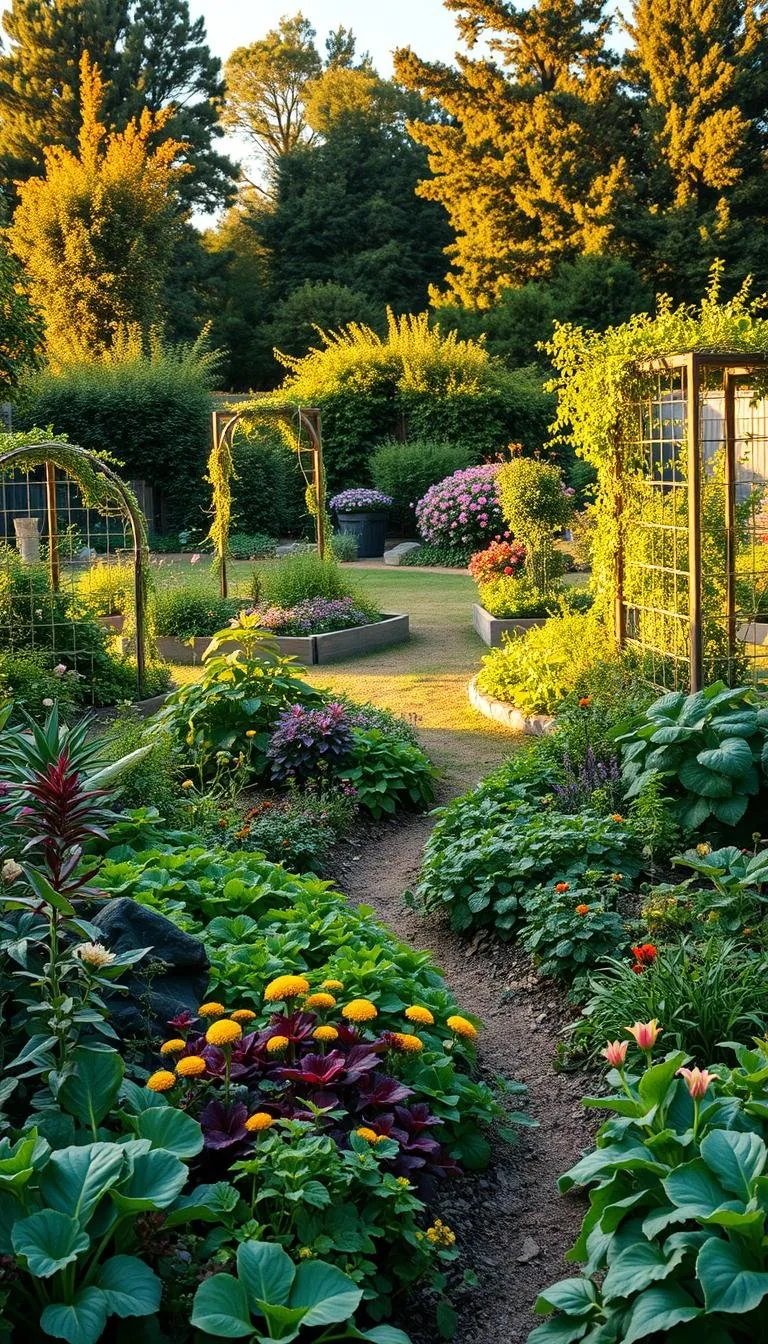
A lawn takes water, mowing and time and gives little back. Turning part of it into a food garden is one of the most practical ways to start growing your own food, but doing it well takes some planning: where the sun falls, what is under the grass and what your neighborhood allows.
This guide walks you through converting part of a backyard into a productive food garden: checking utilities and rules, removing or smothering grass, deciding on the layout and growing in phases. Part of the Grow Your Own Food series.
Start with about 100 square feet of your sunniest lawn. Call 811 before you dig, check local rules and soil safety, smother or remove the grass, and build up from there. Put the herbs and salad greens closest to the kitchen door.
Before you dig
| Check | Why it matters |
|---|---|
| Call 811 | In the United States, 811 connects you to utility locating services, so you know where buried lines are before digging. It is free. |
| HOA, city or lease rules | Some have restrictions on front-yard gardens, fencing, structures or rainwater collection. |
| Sun map | Note where sun falls at different times. Vegetables need 6 to 8 hours. |
| Soil safety | If your home is older or near a busy road, ask about soil lead testing. The EPA recommends avoiding vegetable growing in soil above 400 ppm total lead, and using raised beds with clean soil where levels are high. |
| Water access | Choose a spot within reach of a hose or spigot. |
| Slope and drainage | Avoid low spots that stay soggy. |
| Pets, kids and animals | Plan fencing and safe paths. |
Removing the lawn: your options
| Method | How | Pros and cons |
|---|---|---|
| Smother (sheet mulch) | Mow low, cover with overlapping cardboard, wet it, and top with compost and mulch. | Low effort, good for soil. Takes weeks to months to kill grass. Best to start in fall or early spring. |
| Remove sod | Cut and lift the sod with a spade or rent a sod cutter. | Fast, but it is heavy work and removes some topsoil. You can compost the sod, grass side down. |
| Build raised beds on top | Lay cardboard, set the frame and fill with soil. | Quick start with less digging. See How to Build a Raised Garden Bed. |
| Dig or till | Turn over the sod and break it up. | Labor-intensive, and grass often regrows. Not recommended as a first choice. |
Avoid herbicides unless you know how long they persist and whether they are safe for food crops. Read labels, and ask your local extension office.
Plan by zones from the kitchen door
| Zone | Distance | What to grow |
|---|---|---|
| Close to the door | Steps away | Herbs, salad greens, cherry tomatoes and other things you pick daily. |
| Main garden | A short walk | Tomatoes, peppers, beans, zucchini and other regular crops. See Ideal Veggie Garden Layout. |
| Farther out | The edge of the yard | Perennials such as berries, rhubarb and fruit trees. See Backyard Fruit Garden. |
Grow in phases
| Year | Goal |
|---|---|
| Year 1 | One or two beds, about 100 square feet. Learn what grows well and build soil. |
| Year 2 | Add a bed or trellis, plant a few perennials and try fall crops. |
| Year 3 | Add fruit, more growing space and a compost system. |
Don't forget the basics
- Soil: test and add compost. See Building Soil With Compost.
- Water: plan for about an inch a week. See Watering and Mulching.
- Paths: mulch or gravel paths keep mud and weeds down.
- Pests and animals: plan fencing early. See Common Vegetable Garden Pests.
Keep some lawn
You do not have to remove the whole yard. Many people keep a play area or patio and convert a corner. A small, productive space you keep up is better than a large one you cannot maintain.
FAQ
What is the easiest way to turn lawn into a garden?
Do I need to call before digging?
How big should my first backyard garden be?
Sources and further reading