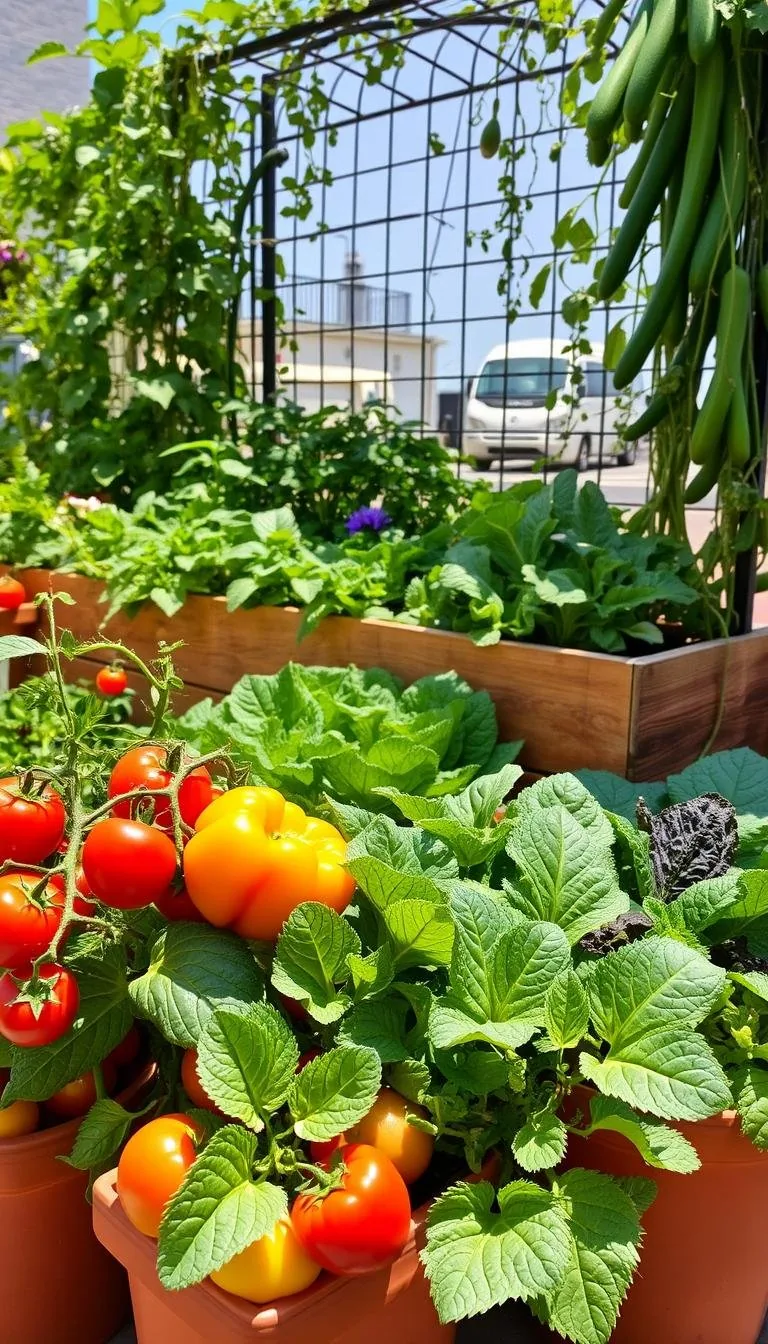
Gardening in containers lets you grow fresh veggies anywhere. You don't need a big yard. Whether you have a balcony, patio, or small backyard, Container Gardening Vegetables make it easy to grow food all year. This guide will show you how to get the most out of your space and make gardening simple.

Whether you want tomatoes or herbs, vegetable container gardening fits any lifestyle. We'll teach you how to choose the best plants, handle the soil, and fix common problems. You'll see how even tiny spaces can yield big, healthy harvests. Let's begin your journey to a lush garden today!

Introduction to Container Gardening

Container gardening turns any spot into a garden. Even those in apartments can grow vegetables in containers. It makes patios, balconies, or windowsills into mini-farms with little work.

Benefits of Growing Vegetables in Containers

Here’s why this method is great:

Ideal Vegetables for Container Gardening

Pick compact types for small areas. The best vegetables for container gardening are:

Choosing the Right Containers

Finding the perfect containers is essential for a thriving container vegetable garden ideas. Whether you have a balcony or a backyard, the right materials and sizes help plants grow well. Let's look at how to pick the best containers for your space and plants.

Materials for Containers: Plastic, Clay, and Metal

A cozy backyard oasis filled with an assortment of vibrant container vegetable gardens. Thriving tomato plants, lush leafy greens, and fragrant herbs spill over the edges of a variety of stylish, weathered planters arranged in a visually appealing layout. Dappled sunlight filters through the canopy of a nearby tree, casting a warm, natural glow over the scene. The containers are made of a diverse range of materials, from rustic wooden crates to modern galvanized steel. A sense of harmony and abundance pervades the tranquil setting, showcasing the possibilities of growing a bountiful harvest in even the smallest of spaces.

Sizes and Shapes to Consider

Roots need space to spread out! Choose deep pots for carrots or beets—aim for at least 12 inches. Bushy plants like strawberries do well in shallow, wide containers. For small space vegetable gardening, vertical planters or hanging baskets are great. Get creative with items like buckets, wagons, or old tires for unique gardens.

“Containers let you adapt to any space—creativity is your best tool.”

Always drill drainage holes. Match materials and sizes to your plant's needs, and watch your garden thrive. Whether it's a tiny balcony or a sunny patio, the right container can make any spot productive.

Soil and Drainage Essentials

Healthy soil is key for thriving container vegetable gardens. The right mix and drainage keep roots healthy. Follow these tips to create the perfect base for your plants.

“The right soil mix is the backbone of every successful container garden.”

Importance of Well-Draining Soil

Containers can trap moisture, causing root rot and slow growth. Use pots with holes and add gravel or broken pots at the bottom. This prevents roots from drowning and keeps plants healthy.

Best Soil Mixes for Container Vegetables

Look for a mix that holds moisture but doesn't drown roots. Mix these:

Soilless mixes work great. Add compost for nutrients but avoid too much fertilizer. Refresh the mix yearly to keep it fertile.

Vegetable container gardening needs balance. Focus on drainage and nutrition for healthy plants. Adjust the mix for your climate—dry areas need more moisture, wet areas need better drainage.

Sunlight Requirements for Container Vegetables

For container gardening vegetables to grow well, they need the right amount of sunlight. Each plant has its own light needs. Choosing the right plants for your space helps them grow strong.

Even in small areas, you can make the most of your space. A little creativity and smart planning can lead to great harvests.

Understanding Sunlight Needs for Different Plants

Vegetables need different amounts of light to grow:

A sun-dappled container garden, overflowing with thriving vegetables. In the foreground, a wooden planter box brimming with lush leafy greens, their vibrant colors dancing in the warm, golden light. Trailing vines of tomatoes cling to sturdy trellises, their ripe fruit catching the sun's gentle embrace. In the middle ground, a terracotta pot harbors a flourishing herb garden, its aromatic leaves gently swaying. The background features a colorful mix of peppers, beans, and squash, their leaves casting playful shadows on the weathered wooden surfaces. The overall scene exudes a serene, bountiful atmosphere, inviting the viewer to imagine the nourishing harvest to come.

Creative Ways to Provide Shade

Here are some ways to keep plants cool in hot weather:

"Sunlight is the engine of growth, but flexibility is key in container gardening." – Urban Gardening Institute

For indoor container vegetable gardening, use south or west windowsills. Move plants every week to get even light. Change their spots with the seasons because sunlight angles shift.

Watering Techniques for Container Gardens

Learning to water is key for container vegetable gardening tips. Plants in pots need water regularly, but too much can hurt their roots. Follow these steps to keep your plants well-watered and healthy.

Signs Your Plants Need Water

Look for these signs every day:

Best Practices for Watering Container Vegetables

Try these tips to avoid common mistakes:

  1. Water until liquid drips from pot bottoms
  2. Use saucers with pebbles to prevent root rot
  3. Apply water-absorbing crystals in soil mixes
  4. Mulch surfaces to lock in moisture

Change your watering schedule with the weather. Watering in the morning helps prevent water loss. Growing vegetables in containers requires careful attention, but regular watering leads to a bountiful harvest. Always let the soil dry a bit between waterings to keep the roots healthy.

Fertilizing Your Container Garden

Feeding your container gardening vegetables the right nutrients is key. Plants in pots need you to add nutrients often. Their roots can't spread like they do in open ground.

Organic vs. Synthetic Fertilizers

Decide between organic or synthetic fertilizers based on your needs.

A well-organized, neatly arranged display of organic vegetable fertilizers in a terracotta pot against a soft, blurred background of lush greenery. The fertilizers are a variety of natural ingredients such as compost, bone meal, and kelp, showcasing their earthy, nutrient-rich textures. Warm, natural lighting illuminates the scene, casting gentle shadows and highlighting the vibrant colors. The composition emphasizes the importance of using high-quality, eco-friendly fertilizers to nourish and support a thriving container garden. The overall mood is one of tranquility, sustainability, and a connection to the natural world.

When and How to Fertilize Your Plants

Timing is everything. Here's a simple guide:

  1. Seedling Stage: Start with a diluted fertilizer after they have true leaves.
  2. Growth Phase: Feed every 4-6 weeks with balanced nutrients (like 10-10-10).
  3. Flowering/Fruiting: Use high-potassium fertilizers to increase yields.

Always water before fertilizing to avoid root burn. Follow the instructions exactly—more isn't better! A small imbalance can harm vegetable container gardening crops fast.

Companion Planting in Containers

Companion planting makes urban container gardening vegetables grow better together. It pairs plants to help each other grow, keep pests away, and use space well. Let's see how to make small containers into lively gardens.

Benefits of Companion Planting

Planting together creates natural barriers against pests and helps plants share resources. Tall plants like tomatoes shade leafy greens. Herbs like basil confuse insects near peppers. This teamwork boosts health and yield without needing more space.

Best Companion Plants for Common Vegetables

Nature’s partnerships can turn a container into a self-sustaining system.

Try these container vegetable garden ideas to see what works for you. See which pairs grow well and adjust to your climate. Trying different companions makes gardening a fun learning journey—each container has its own story of growth and discovery.

Pest Control Strategies

Keeping plants healthy in container vegetable gardening tips begins with fighting pests. Even small growing vegetables in containers can face threats. Regular checks and smart strategies help plants grow well without harsh chemicals.

Natural Pest Control Methods

A lush, container vegetable garden under soft, natural lighting. In the foreground, a variety of thriving plants - tomatoes, peppers, and herbs - protected by strategically placed insect-repelling companion plants like marigolds and lavender. The middle ground showcases an array of natural pest control methods, including a homemade neem oil spray, a pheromone trap, and a cluster of ladybugs. In the background, a wooden garden trellis supports climbing vines, creating a vibrant, verdant scene. The overall atmosphere conveys a sense of balance and harmony, where the gardener's careful attention to organic pest management ensures a bountiful harvest.

When to Use Chemical Solutions

In severe cases, targeted chemical treatments may be needed. Always choose products labeled for edible plants and follow dosage instructions. Opt for options like Bacillus thuringiensis (Bt) for caterpillars or sulfur-based fungicides for mildew. Apply chemicals in the evening to avoid harming pollinators.

Integrated pest management combines prevention and early action. A little vigilance goes a long way in protecting your harvest. Check under leaves, prune damaged growth, and rotate containers yearly to disrupt pest cycles. Small steps today ensure big rewards at harvest time.

Seasonal Planting Guide

Container gardening does best when you match plants with the right seasons. You can start in spring or keep growing into fall. Small space vegetable gardening lets you adjust as the weather changes.

Cool Season Vegetables for Containers

Spring and fall are great for leafy greens and tough crops. Here are some best vegetables for container gardening:

Warm Season Vegetables for Containers

Summer's heat is perfect for sun-loving plants:

Move containers to follow the sun or protect from cold. Use frost cloths in early/late seasons to keep growing. Rotate crops every 4-6 weeks for endless harvests. With containers, you can change their spot anytime to match the weather!

Harvesting Your Container Vegetables

Knowing when and how to harvest your container gardening vegetables ensures maximum flavor and continued growth. Follow these steps to enjoy fresh produce while encouraging your plants to keep producing.

A bountiful harvest spills forth from a wooden crate filled with vibrant, freshly picked vegetables. Kneeling on a sun-dappled patio, a gardener's hands gently gather the ripened bounty, including plump tomatoes, crisp cucumbers, and leafy greens. A gentle breeze ruffles the foliage, casting soft shadows that dance across the scene. Warm, golden light filters through the trees, illuminating the earthy tones and textures of the harvest. The calm, focused expression on the gardener's face conveys a sense of satisfaction and connection with the land. The image exudes a rustic, serene atmosphere, celebrating the joys of container gardening and the rewards of a successful harvest.

When to Pick Your Vegetables

Harvesting Techniques for Continued Growth

Use sharp scissors or shears to avoid tearing stems. For root vegetables like carrots, loosen soil first to pull them out gently. Always harvest in the morning when sugars are highest. Removing ripe vegetables signals plants to produce more, extending your harvest season.

"A well-timed harvest is nature’s reward for good vegetable container gardening care," says urban gardener Maria Torres. "It’s a cycle of giving and growing."

Check plants daily as ripeness varies by variety. Overripe vegetables reduce future yields, so act promptly once they’re ready. With patience and practice, your efforts will yield a steady supply of fresh, homegrown produce all season long.

Troubleshooting Common Issues

Even the best container gardens face challenges. Whether you’re trying indoor container vegetable gardening or growing in small urban spaces, knowing how to address issues builds confidence. Let’s look at fixes for common hurdles.

Common Problems in Container Gardening

Solutions for the Most Frequent Challenges

Start by checking soil moisture daily for urban container gardening vegetables. Add mulch to retain moisture. Use slow-release fertilizers to prevent nutrient gaps. For space issues, prune roots or repot plants. Shade cloth helps prevent bolting in hot climates.

"Root-bound plants need fresh soil every 6-8 months," says the National Gardening Association. "Trim roots gently before repotting."

Adjust watering schedules for indoor setups. Rotate containers weekly to ensure even light. Urban gardeners can use vertical planters to maximize space. Early detection makes fixing these issues simple. With patience, every setback becomes a step forward.

Conclusion: Embrace Container Gardening

Container vegetable garden ideas are endless. Even small areas can bloom into vibrant gardens with the right approach. Whether it's a balcony, patio, or windowsill, growing your own food is easy. Let's summarize the key points and tools to help you succeed.

Encouragement to Start Your Container Garden

Start with simple ideas like cherry tomatoes, leafy greens, or herbs. You'll need a sunny spot, pots, and a bit of curiosity. Begin with basic supplies: light pots, good soil, and a watering can.

Even a single herb pot can bring joy. Remember, making mistakes is part of learning. Adjust as you go along.

Resources for Further Learning

Expand your knowledge with trusted sources. “The Bountiful Container” by Rose Marie Nichols is a great guide. Check out the National Gardening Association’s website for seasonal tips.

Join online forums like GardenWeb’s container gardening forum to share tips. Use apps like Planter’s Edge or Garden Planner to track your plants. Local extension services offer free guides for your area.