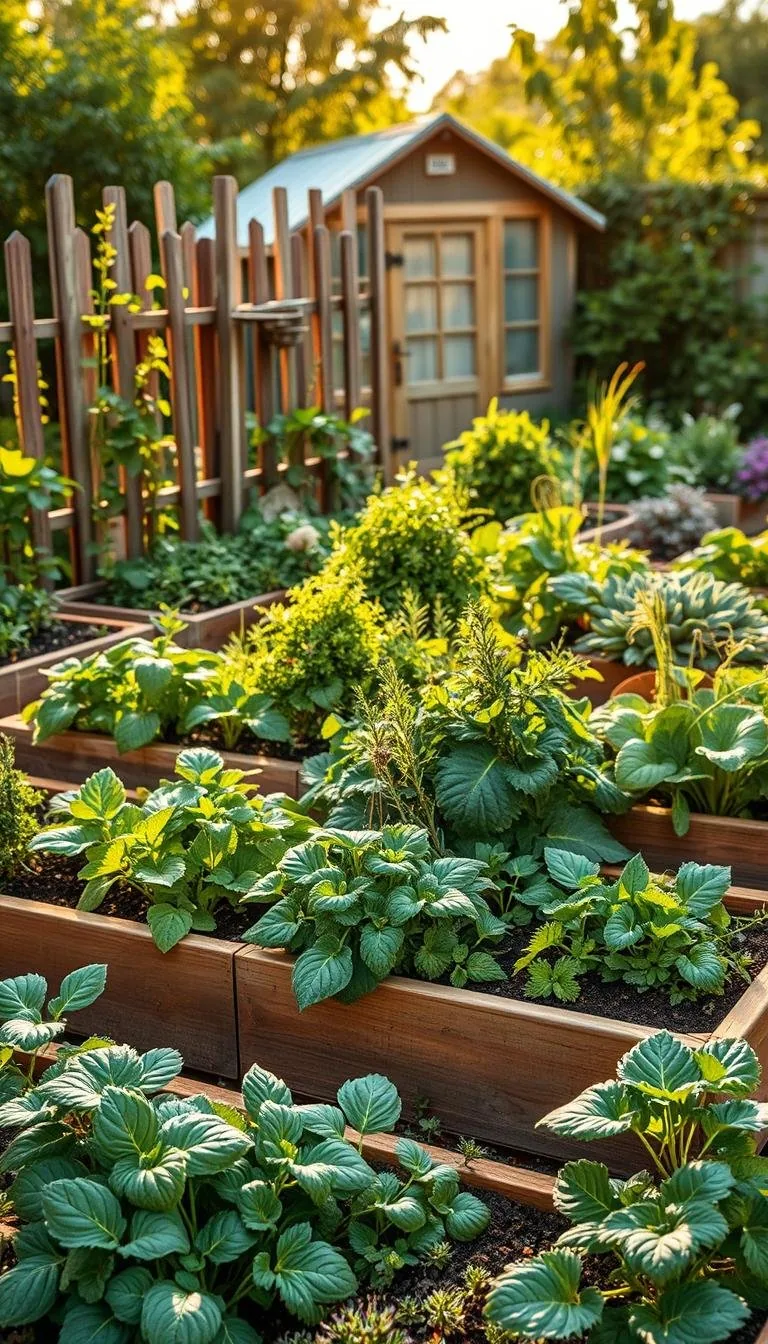
Fresh herbs are one of the best places to start growing food. They are compact, forgiving and expensive at the store, and a few plants can flavor a week of meals. You can grow them outside in pots or beds, on a balcony, or indoors on a sunny windowsill.
This guide covers which herbs to start with, light and pot requirements, indoor and outdoor tips, and how to harvest and use them. Part of the Grow Your Own Food series.
Most herbs need at least 6 hours of direct sun or 12 to 14 hours under a grow light indoors. Use pots with drainage, water when the top inch is dry and harvest often to keep plants bushy.
Herbs to start with
| Herb | Life cycle | Notes | Use in |
|---|---|---|---|
| Chives | Perennial | Very easy, tolerates cooler weather. | Eggs, potatoes, yogurt sauces. |
| Parsley | Biennial (grown as annual) | Slow to sprout. Likes moist soil. | Salads, grain bowls, sauces. |
| Basil | Annual | Needs warmth. Cannot handle temperatures below about 50°F. | Tomatoes, pasta, pesto. |
| Thyme and oregano | Perennial | Like sun and good drainage. Do not overwater. | Roasted vegetables, beans, Mediterranean dishes. |
| Mint | Perennial | Spreads aggressively. Keep it in its own pot. | Tea, fruit, yogurt, salads. |
| Cilantro | Annual | Bolts in heat. Sow every few weeks. | Salsa, tacos, curries. |
| Rosemary | Perennial (tender in cold areas) | Likes sun and dry-ish soil. | Potatoes, chicken, bread. |
Light and location
| Setting | Requirement |
|---|---|
| Outdoors | At least 6 hours of direct sun. Parsley, chives and mint tolerate a bit of shade. |
| Sunny window | A south- or west-facing window works best. Rotate pots so plants grow evenly. |
| Grow light indoors | Extension services suggest about 12 to 14 hours a day, with fluorescent lights kept 6 to 12 inches above the plants. Herbs without enough light get thin, spindly and less aromatic. |
Basil is one of the hardest herbs to keep indoors in winter because it dislikes cold windowsills. Grow it in the warm, bright months or under a light.
Pots and soil
- Use containers with drainage holes and a saucer.
- Fill them with potting mix, not garden soil.
- A 6- to 8-inch pot suits one herb, or use a wide, shallow container for several.
- Keep mint in its own pot, since it spreads.
- Group herbs by water needs: basil, parsley and cilantro like more moisture, and thyme, rosemary and oregano like it drier.
Watering and feeding
Water when the top inch of mix feels dry, and let excess drain. Overwatering is the most common indoor herb mistake. Feed lightly with a diluted fertilizer during active growth, following the label.
Harvest and use
- Harvest often. Regular picking encourages bushy growth. Cut just above a leaf pair.
- Pinch flower buds from basil to prolong leaf production.
- Wash herbs before eating.
- Preserve extras: freeze chopped herbs in olive oil in ice-cube trays, or dry sturdy herbs such as thyme and oregano.
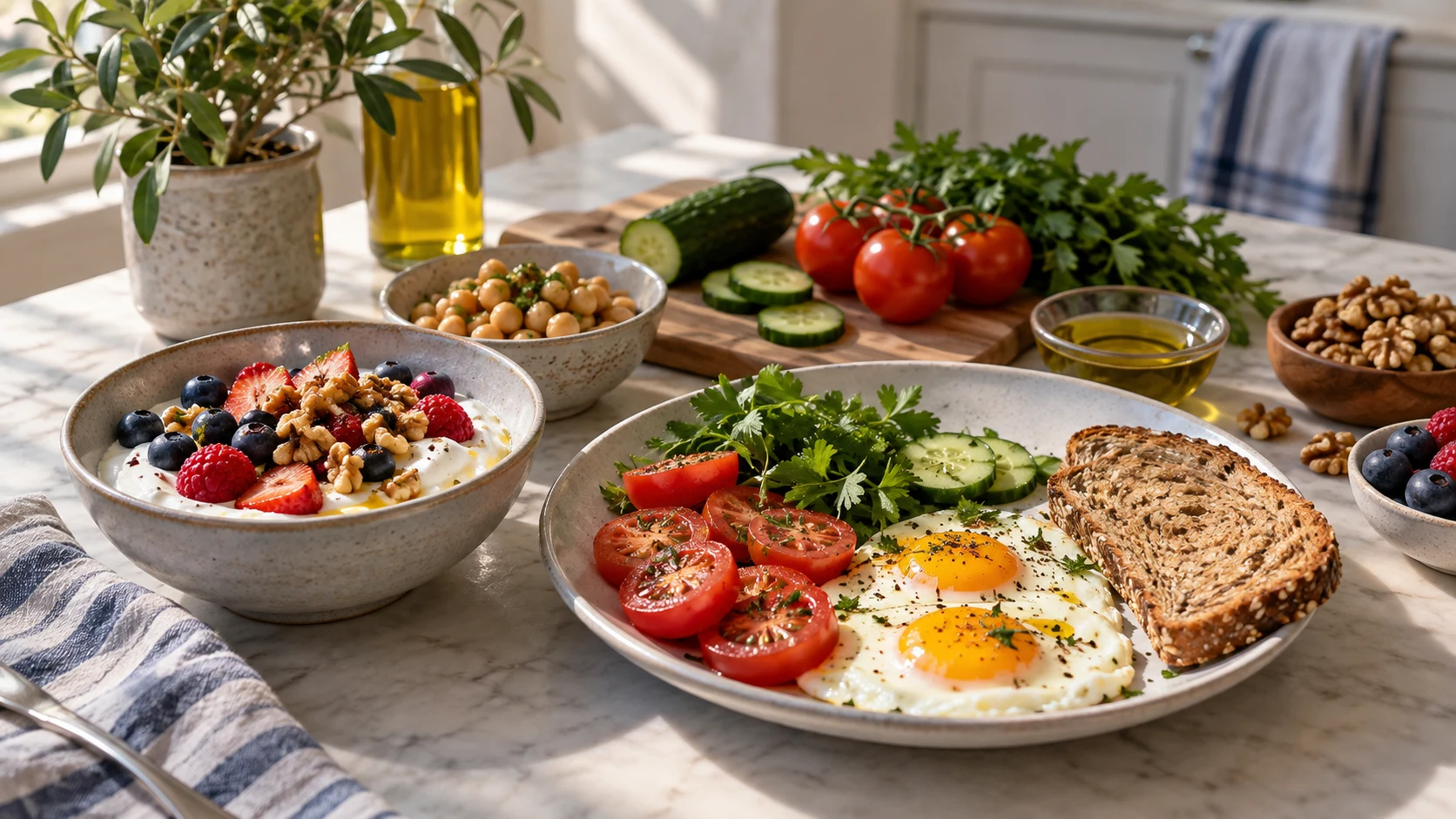
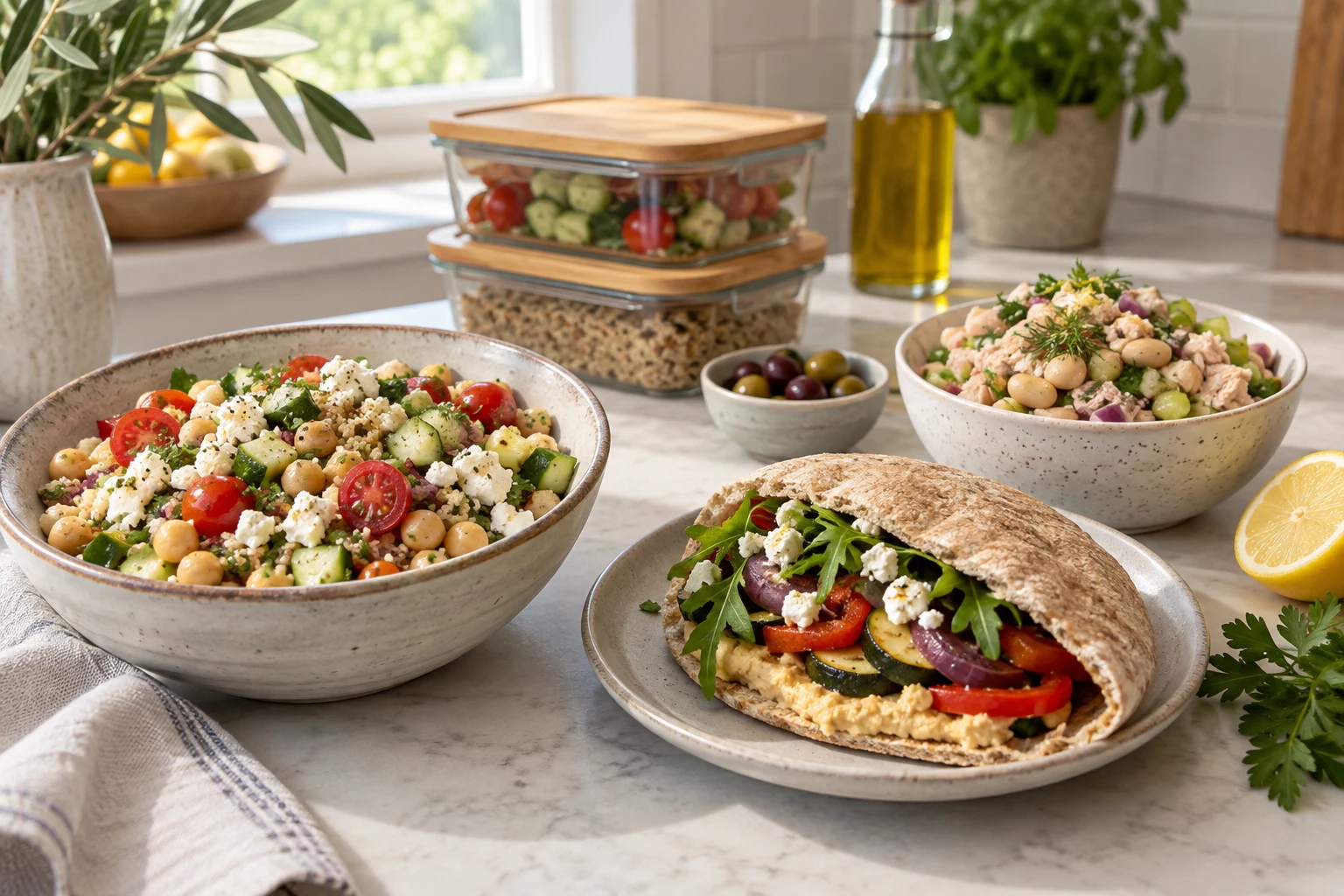
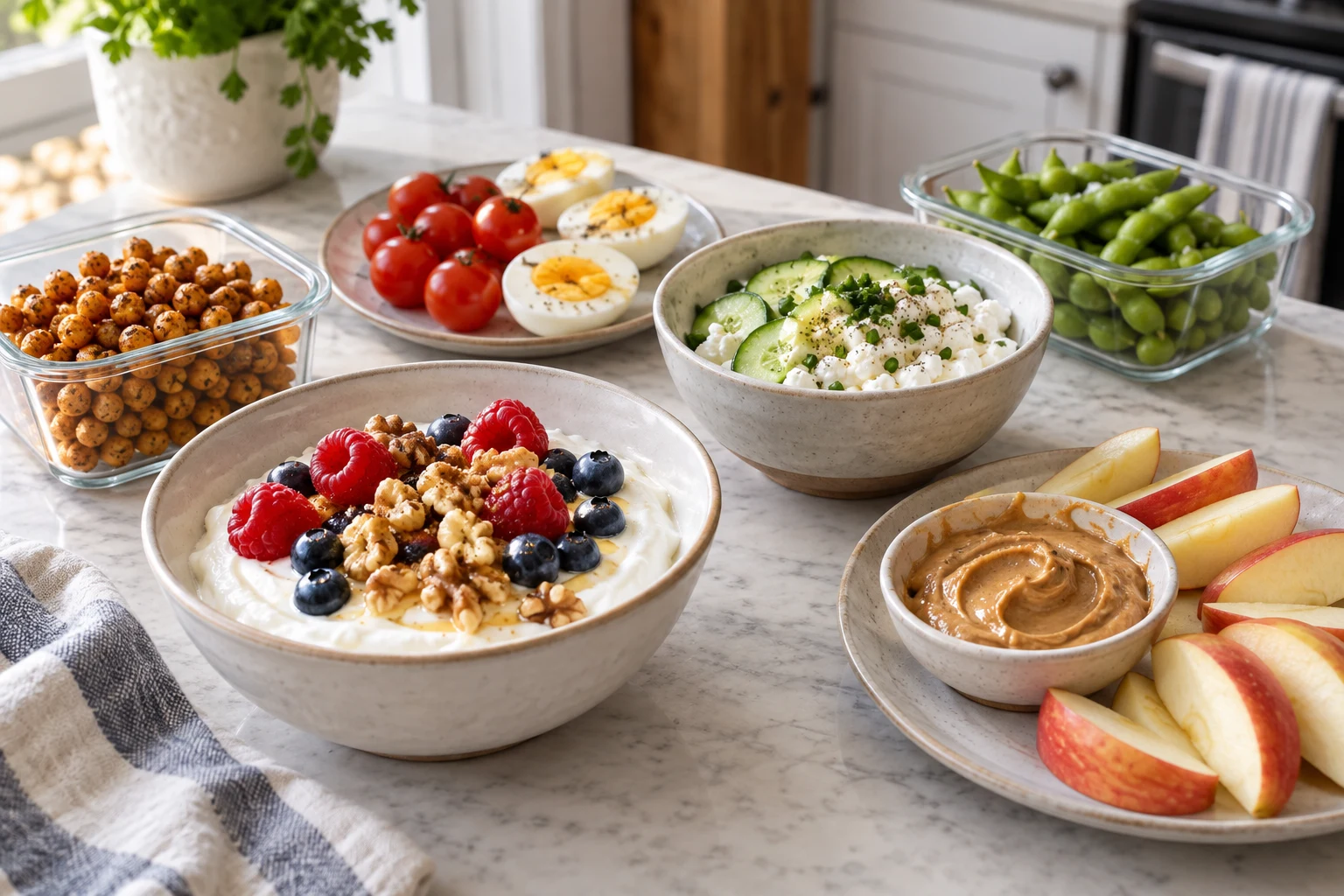
Try herbs in Easy Mediterranean Lunches for Busy Weekdays and High-Protein Mediterranean Breakfast Ideas.
Common herb problems
| Problem | Likely cause | Fix |
|---|---|---|
| Tall, thin growth | Not enough light | Move to a brighter spot or use a grow light. |
| Yellow leaves | Overwatering or poor drainage | Let the mix dry between waterings. |
| Basil turns black | Cold | Keep above about 50°F. |
| Cilantro flowers quickly | Heat | Sow often and grow in cooler seasons. |
| Tiny insects | Aphids or fungus gnats | Rinse leaves and let the soil dry out more between waterings. |
A kitchen herb garden by cuisine
| Cuisine | Herbs to grow |
|---|---|
| Italian and Mediterranean | Basil, oregano, rosemary, thyme, parsley |
| Mexican and Tex-Mex | Cilantro, oregano, chives, mint (for drinks and salads) |
| Asian-inspired | Chives or garlic chives, cilantro, mint, Thai basil |
| Everyday American cooking | Parsley, chives, thyme, dill, sage |
Keeping perennial herbs through winter
- In mild climates, many perennial herbs such as thyme, oregano, chives and sage survive outdoors. Mulch lightly.
- In cold climates, pot rosemary and other tender herbs and bring them indoors before the first frost, or treat them as annuals.
- Cut back spent growth in early spring, and divide crowded chives and mint clumps.
Preserving herbs safely
| Method | How | Safety note |
|---|---|---|
| Freeze in oil or water | Chop herbs, fill ice-cube trays, cover with olive oil or water and freeze. Transfer cubes to a bag. | Keep frozen until use. |
| Dry | Hang small bundles in a warm, dry, airy spot, or use a low oven or dehydrator. Store in airtight jars. | Sturdy herbs such as thyme and oregano dry best. |
| Fresh in the fridge | Store parsley and cilantro stems in a jar of water, loosely covered. | Change the water every few days. |
| Herb-infused oil at room temperature | Not recommended. | Fresh herbs in oil kept at room temperature can carry a risk of botulism. Freeze, or refrigerate and use quickly. |
FAQ
What is the easiest herb to grow?
Can I grow herbs indoors year-round?
How often should I harvest herbs?
Sources and further reading