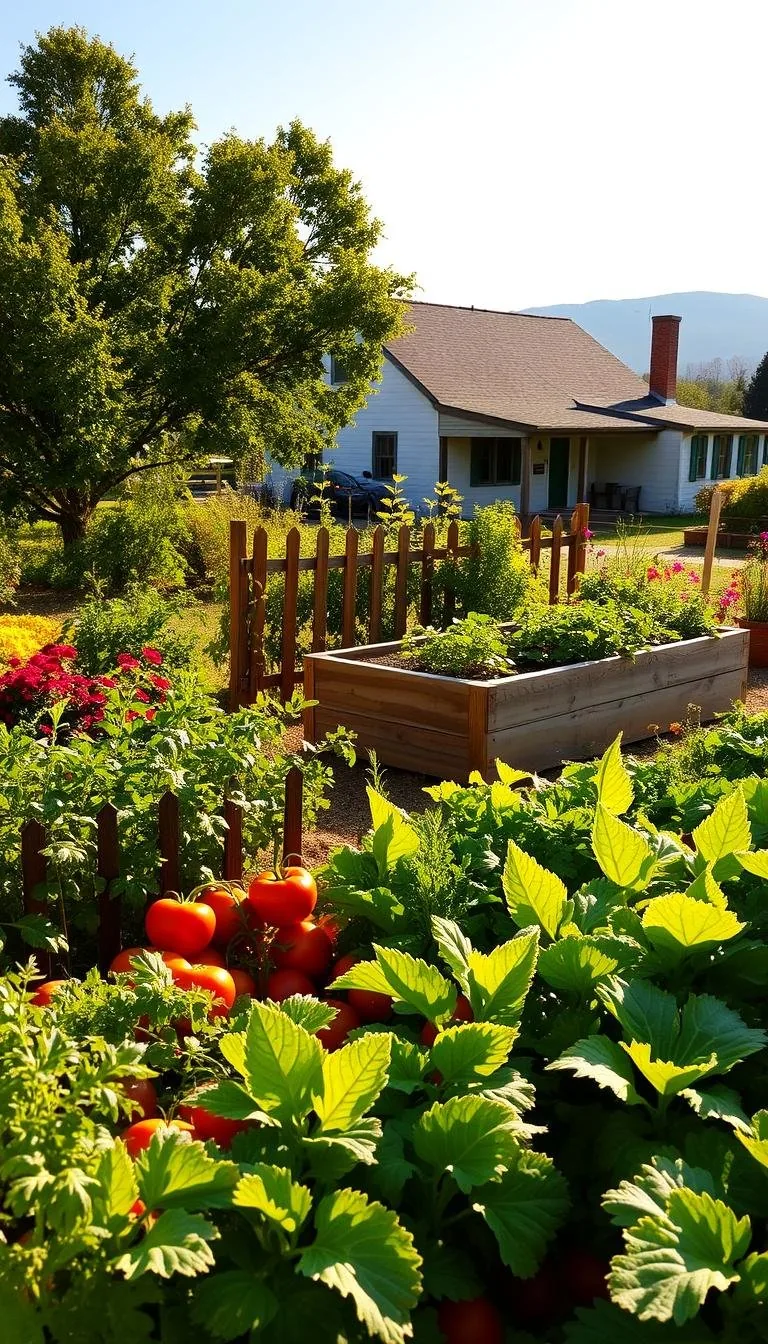
One of the first choices you face is whether to start your plants from seed or buy transplants. Neither is better across the board. Some crops do best sown directly in the garden, others need a head start indoors or a nursery transplant, and a few work either way.
This guide helps you decide crop by crop, and covers how to start seeds indoors, how to harden off seedlings and how to check that old seeds are still good. Part of the Grow Your Own Food series.
Sow fast, easy crops directly (radishes, lettuce, peas, beans, carrots). Buy or start transplants for slow, warm-season crops such as tomatoes, peppers and eggplant. Start seeds indoors about 6 to 8 weeks before your last frost for most of those, and harden seedlings off before planting.
Seeds or transplants: crop by crop
| Crop | Best method | Why |
|---|---|---|
| Radishes, peas, carrots, beets | Direct sow | Fast and do not like root disturbance. |
| Bush and pole beans | Direct sow | Sprout quickly in warm soil. |
| Lettuce and spinach | Direct sow, or transplants for fall | In hot weather, seed may not germinate. Extension services suggest transplants for fall lettuce planted in late summer. |
| Cucumbers, squash, zucchini | Direct sow or transplant | Direct sow after frost, or start indoors 3 to 4 weeks ahead for a head start. |
| Tomatoes, peppers, eggplant | Transplants | Need a long season. Start indoors about 5 to 8 weeks ahead or buy plants. |
| Broccoli, cabbage, kale | Transplants or direct sow | Transplants get ahead of hot weather. |
| Herbs | Depends | Basil and cilantro can be sown directly, and rosemary or thyme are easier from plants. |
Pros and cons
| Seeds | Transplants | |
|---|---|---|
| Cost | Low | Higher per plant |
| Variety | Huge selection | Limited to what the store carries |
| Time to harvest | Longer | Earlier |
| Effort | More, if started indoors | Less |
| Risk | Germination failures | Stress from transplant shock or store conditions |
Starting seeds indoors: the basics
- Count back from your last frost date. Most warm-season transplants are started about 6 to 8 weeks before it. Tomatoes can take 5 to 8 weeks, and cucumbers and melons 3 to 4.
- Use a sterile seed-starting mix in clean containers with drainage holes.
- Provide light. A window is seldom enough for strong seedlings. Use a shop light or grow light kept a few inches above the plants.
- Keep the mix moist, not soggy. Water from below when you can.
- Thin to one seedling per cell once true leaves appear.
- Pot up or feed lightly if seedlings outgrow their cells before it is time to plant.
Hardening off: do not skip it
Seedlings grown indoors are tender. Extension services suggest starting about two weeks before planting: set them outdoors in a sheltered spot for two or three hours the first day, and gradually increase the time and sun exposure over about a week. Bring them in at night at first. Then plant on a cloudy or calm day and water well.
Are my old seeds still good?
- Place 10 seeds on a damp paper towel, fold it and put it in a plastic bag in a warm spot.
- Check after the germination time on the packet.
- If fewer than 5 sprout, sow more thickly or buy fresh seeds.
Store seeds in a cool, dry place in a sealed container.
Buying good transplants
- Choose compact, stocky plants with healthy green leaves, not tall, leggy ones.
- Skip plants with yellowing leaves, spots or insects.
- Check that roots are white and not circling tightly.
- Harden off store-bought plants too if they have been kept indoors.
- Do not rush to buy in early spring. Warm-season plants can sit outdoors waiting for frost to pass.
FAQ
Is it better to grow from seed or buy plants?
When should I start seeds indoors?
What does hardening off mean?
Sources and further reading