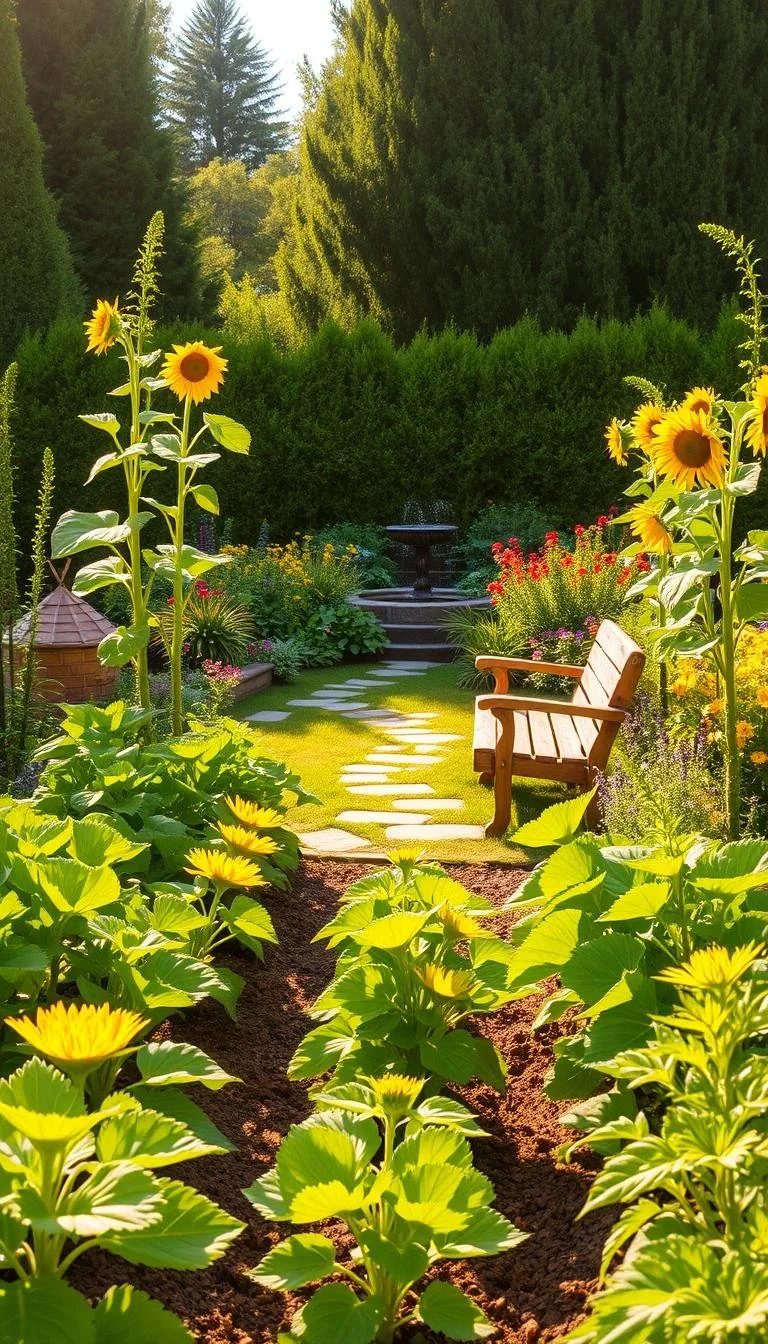
Imagine turning your backyard into a vibrant oasis. It could be full of colorful flowers and fresh veggies. Backyard Gardening makes even small spaces into lively, productive areas for everyone to enjoy. This guide helps you grow plants that thrive with a little care.

Gardening is more than just pretty flowers. It gives you fresh food, peace of mind, and a closer connection to nature. In the U.S., over 18 million homes now grow their own food. A family in Texas even turned a lawn into a veggie garden, sharing tomatoes with their neighbors.

This guide will take you through every step, from picking plants to keeping the soil healthy. Learn how to make your Outdoor Spaces bloom with confidence and joy. Let's begin your journey to a garden that grows both plants and pride.

The Benefits of Backyard Gardening

Turn your backyard into a place of productivity and wellness. Learn how growing plants at home benefits your health, wallet, and the planet.

Why Grow Your Own Food?

Eating fresh veggies from your garden boosts nutrition. Homegrown veggies keep more vitamins like vitamin C and folate than store-bought ones. Enjoy a vine-ripened tomato bursting with flavor, not shipped from afar. Food security also increases: growing a few staples cuts down on external supply chains.

"Homegrown produce loses fewer nutrients. Harvest-to-table in minutes, not weeks." – USDA Agricultural Research Service

Environmental Impact of Home Gardens

Every backyard garden supports Sustainable Living. Growing tomatoes instead of buying them cuts 80% of transportation emissions. Choose homegrown kale over plastic-wrapped greens to reduce packaging waste. Flowering plants feed bees and butterflies, helping ecosystems. These small plots are key green spaces in cities.

Cost Savings and Accessibility

Let's look at the cost difference:

Container gardens work well on apartment balconies. Raised beds help those with knee issues, making Grow Your Own Food accessible to everyone. Start small—a single herb pot saves money and space!

Choosing the Right Location for Your Garden

Your Outdoor Spaces thrive when you plan smart. Start by observing your yard’s natural features. This helps create a garden that suits your plants’ needs and your lifestyle.

Sunlight Considerations

Track sun patterns daily. Use a notebook to note where sunlight falls at 8 AM, noon, and 4 PM. Full sun plants like tomatoes need 6+ hours of direct light. Partial shade plants, such as lettuce, prefer 4–6 hours. Shade lovers like ferns grow best in dappled light.

Soil Quality Assessment

Test soil texture with a jar: Fill a jar with soil and water, shake, then let settle. Sand settles first, then silt, then clay. A good mix has all three. Use a ribbon test: Roll wet soil between your hands. Crumbly soil means good drainage; sticky soil needs amendments.

A lush, verdant backyard garden setting, with a central focus on an in-depth soil analysis examination. In the foreground, a researcher kneels, closely inspecting soil samples, their face illuminated by warm, natural sunlight filtering through the canopy of overhanging trees. In the middle ground, an array of soil testing equipment, including pH meters and soil sample trays, are neatly arranged on a weathered wooden table. The background showcases the surrounding garden, with flourishing plants, vibrant flowers, and a sense of tranquility and abundance. Captured with a wide-angle lens, the scene conveys the meticulous care and attention required to cultivate a thriving, productive backyard garden.

Check drainage by digging a hole 12 inches deep. Fill it with water and time how fast it drains. Slow drainage? Build raised beds. Slopes? Terrace them into Landscaping Ideas like stepped planters.

“Great gardens grow from honest soil.”

Even shady spots can shine—use ferns and moss to turn them into a woodland feature. Every Outdoor Space has the chance to shine with smart planning.

Essential Tools for Backyard Gardening

Gardening doesn't need a lot of expensive tools. A few key items make it easier and cheaper. Start with the basics and add more as your garden grows.

Basic Gardening Tools

Beginners need reliable tools for everyday tasks. Here's what's important:

A neatly organized collection of essential gardening tools rests against a backdrop of lush foliage. In the foreground, a sharp pruning shears, a sturdy trowel, and a well-worn garden gloves sit atop a weathered wooden workbench, their utilitarian forms lit by soft, natural light. In the middle ground, a pair of long-handled loppers and a metal rake lean casually against a garden shed, hinting at the tasks they were designed to perform. The background showcases a vibrant, verdant scene of thriving plants and flowers, creating an atmosphere of productivity and tranquility. This arrangement conveys the practical yet pleasing aesthetic of the tools required to cultivate a bountiful backyard garden.

Gardening Tips: Sharpen blades yearly and store tools indoors to last longer. A $10 bucket of sand with motor oil keeps metal parts lubricated.

Optional Tools for Serious Gardeners

As your garden grows, you might want better tools for efficiency:

“Invest in quality basics first. DIY Garden Projects like repurposed buckets as watering cans work too!”

Storage hacks like wall-mounted racks or a wheeled tool caddy keep everything handy. Even with minimal gear, you can grow a thriving garden. Start small and build your toolkit as you learn!

Selecting Plants for Your Garden

Choosing the right plants is key to a thriving garden. Whether you want fresh tomatoes or colorful blooms, Gardening Tips make it easy. Aim for a mix of practical and beautiful plants to please you and local wildlife.

A lush, vibrant garden selection guide displayed on a rustic wooden table. In the foreground, an assortment of potted plants and seedlings arranged neatly, showcasing a variety of textures, colors, and foliage types. The middle ground features open seed packets, gardening tools, and a small chalkboard with handwritten plant names. In the background, a blurred window lets in soft, natural light, casting a warm, earthy glow over the scene. The overall composition evokes a sense of calm, inspiration, and the joyful pursuit of backyard gardening.

Vegetables vs. Flowers: What to Grow?

Vegetables are great for fresh meals and saving money—think zucchini, herbs, or beans. Flowers like marigolds keep pests away and draw in pollinators. Combine both for a garden that looks good and works well.

Try planting marigolds with tomatoes or nasturtiums with cucumbers. Beginners should start with easy plants like cherry tomatoes, sunflowers, or basil.

Seasonal Planting Guide

USDA hardiness zones help figure out when to plant. In zone 5, plant peas in spring and kale in fall. Southern zones (8-10) can grow spinach in winter. Here's a guide to help you get the most from your garden:

“Succession planting every 2-3 weeks ensures continuous yields. Pair disease-resistant varieties like ‘Celebrity’ tomatoes to avoid common issues.” – Sarah Green, USDA Extension Educator

Think about space: bush beans take up less room than pole beans. Check seed packets for growth times and frost dates. Choose plants that fit your climate and schedule.

Preparing Your Soil for Planting

Healthy soil is key to a great garden. Just like a healthy gut, Organic Gardening feeds the soil's tiny life. This guide shows how to make your soil rich in nutrients with easy steps.

Testing Soil pH and Nutrients

Soil pH affects what plants can take in. Most veggies do best in slightly acidic to neutral soil (6.0–7.0). Use test kits from LaMotte or try the vinegar/baking soda method to check your soil's pH.

A well-lit, closeup view of a gardener's hands carefully scooping soil from a garden plot into a glass soil testing jar. The soil is dark, rich, and crumbly, indicating healthy organic matter. The gardener wears sturdy gardening gloves, and the scene is set against a blurred background of lush, green foliage, suggesting a thriving backyard garden. The lighting is natural, with soft shadows accentuating the textures of the soil. The overall mood is one of diligence, attention to detail, and a commitment to sustainable, organic gardening practices.

Amending Soil for Better Growth

Boost soil with organic amendments. Add 2–3 inches of compost or aged manure each year. For clay soils, mix in coarse sand. Sandy soils benefit from peat moss to hold water. Here's how to compost at home:

  1. Collect fruit/vegetable scraps, coffee grounds, and dried leaves
  2. Layer greens (nitrogen-rich) and browns (carbon-rich) in a bin
  3. Turn weekly and add water as needed

“Healthy soil isn’t dirt—it’s a living ecosystem.”

These steps turn kitchen waste into free fertilizer, supporting Sustainable Living. Adjust your soil yearly based on tests, and watch your garden grow.

Watering Techniques for Healthy Plants

Learning to water is essential for healthy plants.Gardening Tipsoften miss this point, but it's a common mistake for beginners. Let's make it simple.

Understanding Your Plants' Water Needs

Every plant is different when it comes to water. Succulents like cacti prefer dry soil, while plants with leaves need more moisture. Too much water can kill the roots, causing yellow leaves. Not enough water makes plants wilt.

Check the soil moisture by poking it an inch deep. If it's dry, it's time to water. Sandy soil drains quickly, while clay holds water longer.

Efficient Watering Methods

There are smart ways to water that save both water and time:

Water deeply once or twice a week instead of a little every day. Mulch around plants to keep moisture in. Collect rainwater in barrels for a free, eco-friendly water source.

“An inch of water a week keeps plants alive—adjust based on heat and plant type.”

Follow these tips, and your garden will flourish without wasting resources. Small changes can make a big impact!

Pest Control Solutions

Keep your garden safe from harsh chemicals with Organic Gardening. Use DIY Garden Projects and smart plans to manage pests. This way, your garden will thrive and stay healthy.

Organic Pest Management Options

Begin with prevention. Change your crops every year to confuse pests. Invite beneficial insects like ladybugs and praying mantises to eat aphids and mites.

Make a DIY insecticidal soap spray by mixing mild dish soap with water. Spray it on pests for quick results. Neem oil keeps caterpillars and fungi away. Use diatomaceous earth around plants to stop slugs.

When to Seek Professional Help

Some problems need a pro's eye. If pests spread fast or plants show disease signs, call your local cooperative extension service. For invasive species or fungal blights, you might need a pro. Always ask for green solutions to protect pollinators.

“Early detection saves gardens. Trust your instincts—if things spin out of control, reach out,” says Master Gardener Sarah Green.

Balance is important. A few pests mean your garden is alive. Focus on long-term plans to keep nature's balance in your favor.

Maintaining Your Garden

Keeping your garden in top shape is key to enjoying your outdoor spaces. Small tasks each week can save you from big problems later. Here's how to keep your plants healthy and vibrant without stress.

Importance of Regular Maintenance

Creating a routine is essential to avoid garden chaos:

  1. Weekly: Water deeply, check for pests, cut off dead stems.
  2. Monthly: Weed, add mulch, adjust plant supports.
  3. Seasonal: Clean beds in fall, prune shrubs in winter.

Removing dead flowers encourages new blooms. Use stakes for tall plants. A few minutes each day can keep your garden looking great.

Mulching and Weeding Strategies

Choose the right mulch for your garden:

Weed when the soil is moist for easy pulling. Use a hoe for surface weeds or hand-pull tough ones before they spread. Using weed barriers and proper spacing can reduce long-term work. These steps help keep your garden neat and inviting all year.

Maintenance becomes a habit with these tips. Your Backyard Gardening will become a peaceful way to enjoy your Outdoor Spaces.

Harvesting and Using Your Produce

Bringing your garden’s bounty to the table starts with knowing when and how to harvest. Grow Your Own Food rewards patience, but timing matters most. Use clean shears for tomatoes and zucchini to avoid stem damage. Look for vibrant colors and firm textures—ripe peppers turn glossy, while herbs taste best when leaves are young and tender.

"The best harvests come from gardens where care meets curiosity." – Urban Gardening Collective

Preserving Your Harvest

Turn abundance into year-round joy with these methods:

Store root veggies like carrots in a cool basement with damp sand. Share extras at community swaps or donate to local food drives. A simple summer salsa—tomatoes, cilantro, lime—highlights freshness. Every preserved jar or shared basket turns your garden into a story of sustainability and joy.

Expanding Your Backyard Gardening Skills

Ready to take your garden further? Dive deeper into Urban Gardening and Landscaping Ideas. Whether you're improving soil or designing layouts, these steps will keep your garden growing.

Resources for Continued Learning

Start with guides like Edward C. Smith’s “The Vegetable Gardener’s Bible” or Gardening Know-How’s urban guides. Listen to podcasts like “Growing Your Greens” and Coursera’s “Landscaping Basics” course. They cover composting to garden design.

YouTube channels like “Urban Organic Gardener” show space-saving ideas. Online platforms like Extension.org give advice for your area's climate.

Joining Local Gardening Communities

Local garden clubs and Master Gardener programs offer hands-on learning. Join seed swaps or help at community gardens to learn from experts. Forums like GardenWeb and social media groups are great for sharing tips.

Keep a journal or post photos online to inspire others. These connections help solve problems and grow your gardening skills.