Adding seasonal produce to your meals is a smart move. It brings variety, nutrition, and flavor to your dishes. It's a simple way to make your meals better and help the planet through farm-to-table cooking.
Choosing seasonal produce helps local farmers and cuts down on carbon emissions. It's a good choice for those who care about the environment. With a bit of creativity, you can make many delicious dishes all year. You'll also get to explore farm-to-table cooking.
Whether you're an experienced cook or new to the kitchen, using seasonal produce is exciting. It adds fun to your meals and benefits your health and the planet. Try out new recipes and enjoy fresh veggie meals all year.
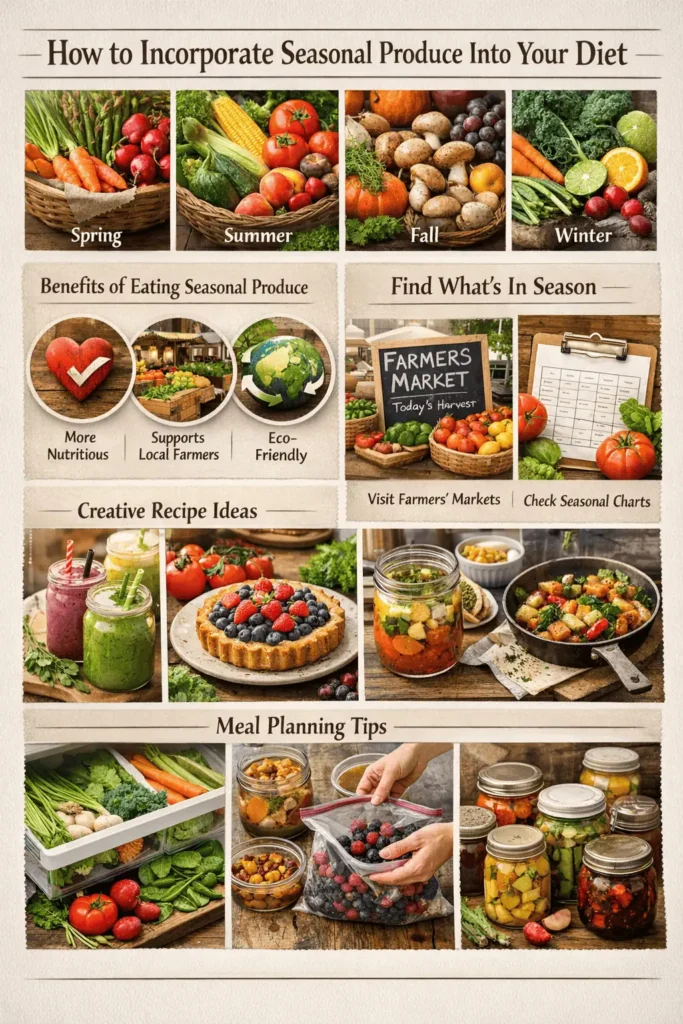
The Benefits of Eating Seasonal Produce
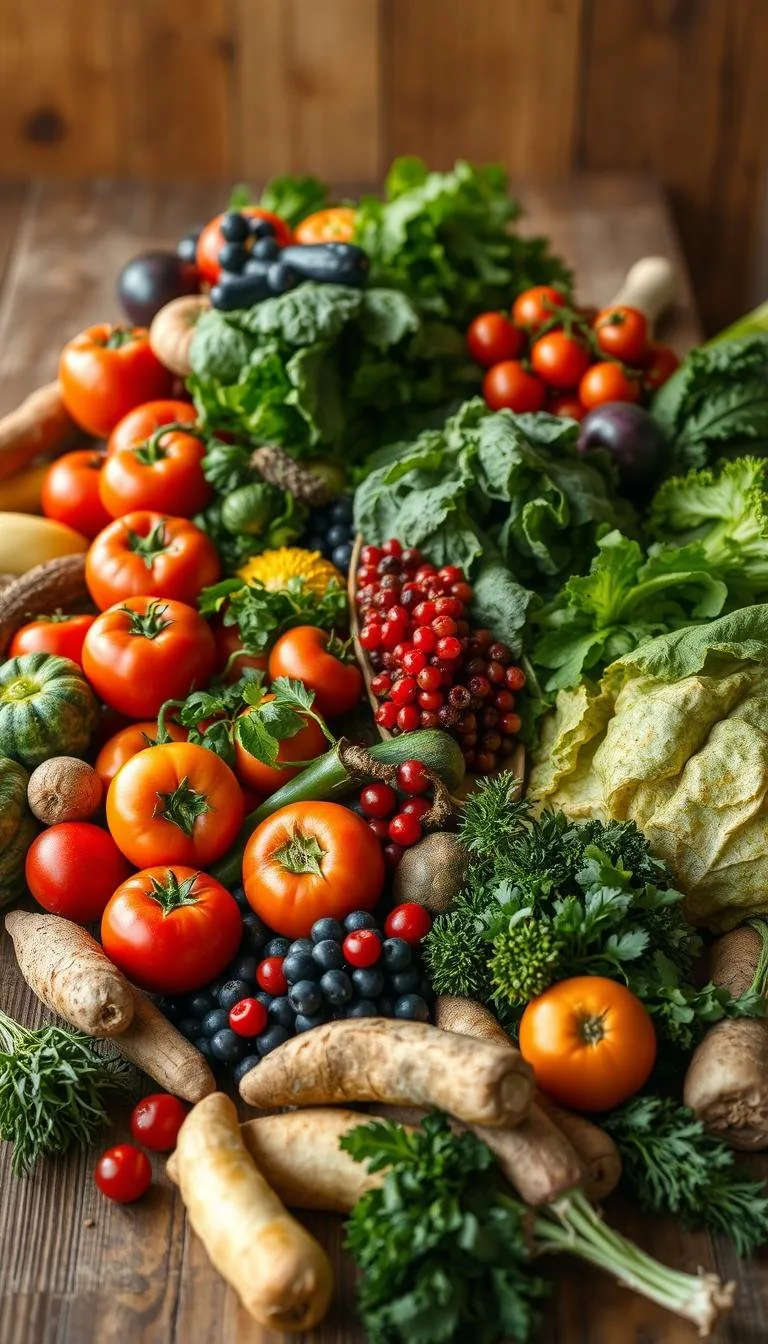
Eating seasonal produce has many benefits. It's not just good for us, but also for the planet. When we pick seasonal fruits and veggies, they're at their best. This means they taste better and are more nutritious.
This way of eating also helps us make tasty meals. It's all about seasonal cooking ideas and garden-to-table recipes. Plus, it's better for the environment.
Some big pluses of eating seasonal include:
- More nutritious and flavorful food
- Less harm to the environment because of less travel
- Helping local farmers and boosting the local economy
By adding sustainable food recipes to our meals, we help the planet. We also get to enjoy healthy, tasty food. It's a win-win for us and the Earth.
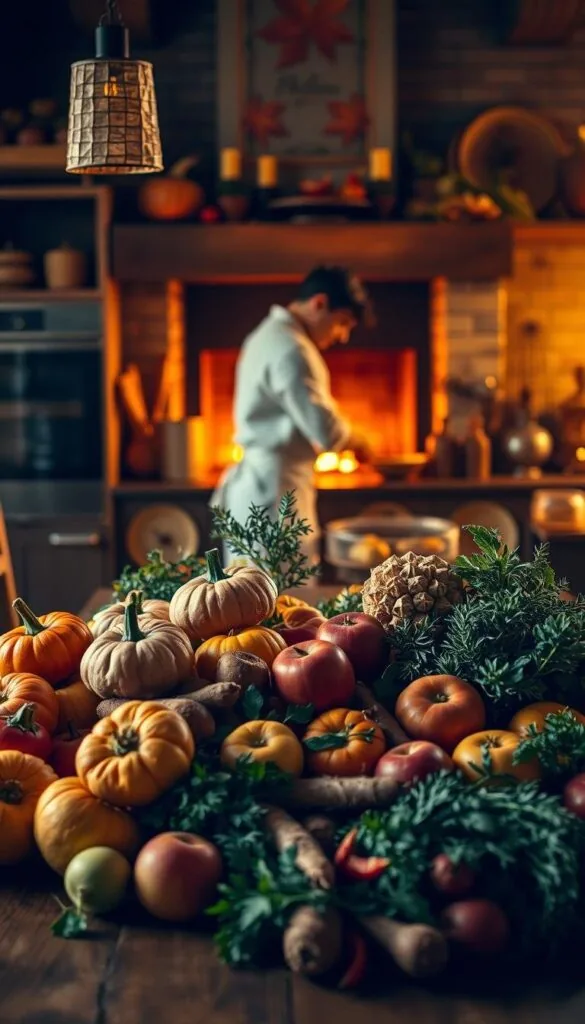
Eating seasonal also supports local farmers and our community. Buying from local farmers keeps small farms alive. It helps our local economy too.
This way of eating is good for everyone. It makes our meals delicious and healthy. Plus, it's better for the planet and our community.
How to Identify Seasonal Produce in Your Area
Finding out what's in season is easy. Just visit your local farmers' market or check the seasonal produce calendar. Many grocery stores also label their produce as "locally sourced" or "in season." This helps you choose the best seasonal harvest recipes and cooking with fresh produce.
Here are some tips for shopping for seasonal produce:
- Check the seasonal produce calendar for your area to see what's in season
- Visit your local farmers' market to see what's available
- Look for "locally sourced" or "in season" labels at your grocery store
By following these tips, you can get the freshest, tastiest produce. This is great for making new seasonal harvest recipes and trying out cooking with fresh produce. You'll also support local farmers and help the environment.
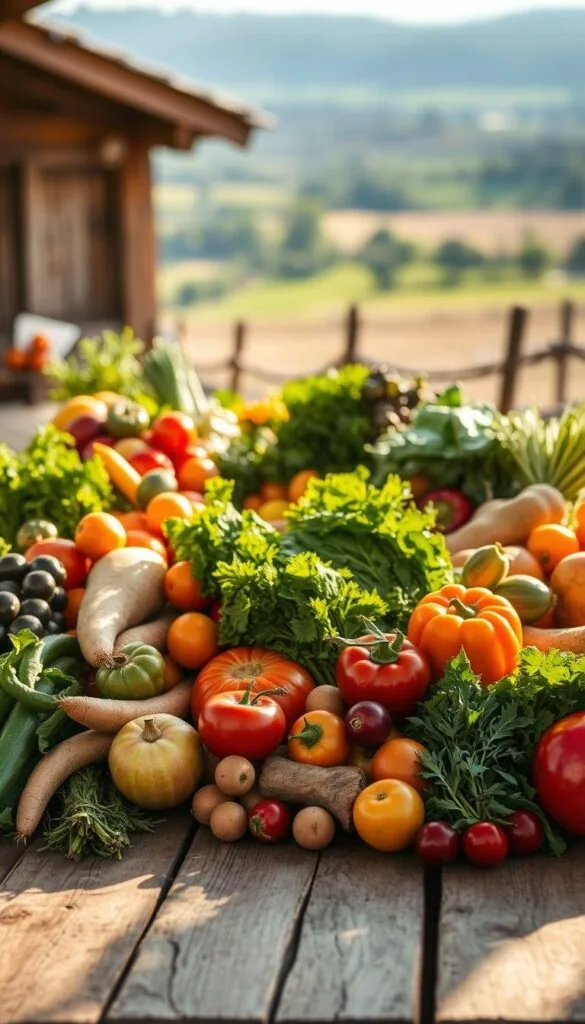
Remember, the secret to finding seasonal produce is to stay informed and flexible. Be open to new things and adjust your recipes as needed. This way, you can enjoy the best of seasonal harvest recipes and cooking with fresh produce all year.
Creative Ways to Use Seasonal Fruits
Seasonal fruits open up a world of creative possibilities. You can make everything from refreshing drinks to sweet desserts. For instance, summer peaches are great for pies or crisps. Winter citrus fruits like oranges and grapefruits make a healthy and refreshing drink.
Mixing seasonal fruits into salads or using them as toppings for yogurt or oatmeal adds natural sweetness. This method is not only tasty but also supports local farmers. It also reduces the environmental impact of transportation. Some favorite dishes include fruit salads, smoothies, and baked goods.
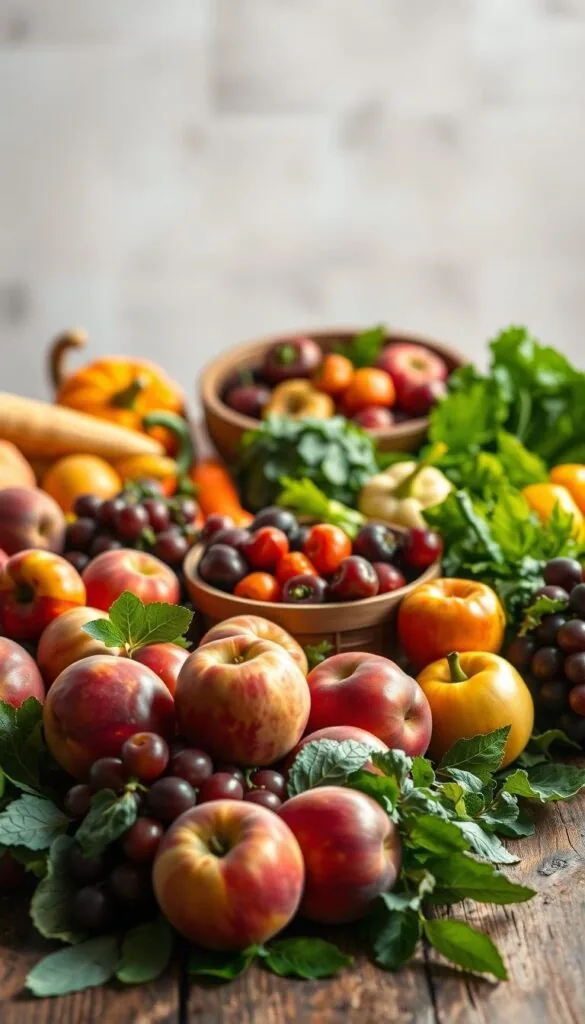
Juicing and Smoothies
Juicing and smoothies are excellent ways to enjoy seasonal fruits. They're easy to add to your daily routine. Try mixing different fruits like berries, citrus, or stone fruits for unique flavors. Adding milk or yogurt makes them creamy and indulgent.
Baking and Desserts
Baking and desserts are perfect for using seasonal fruits. They're great for special occasions or everyday treats. Make a peach cobbler or a berry crisp, or create a fruit salad. You can also make homemade jams, preserves, or sauces with them.
Delicious Seasonal Vegetable Recipes
Seasonal vegetables are as versatile as fruits, with many recipe ideas. Letting the natural flavors shine is key in seasonal produce recipes. By using garden-to-table recipes, you can enjoy a variety of tasty and healthy dishes.
Popular ways to prepare seasonal vegetables include stir-frying, roasting, and making soups and stews. These methods highlight the unique flavors and textures of each vegetable. Stir-frying, for example, is quick and easy. It works well with summer veggies like broccoli and bell peppers, and winter veggies like kale and carrots.
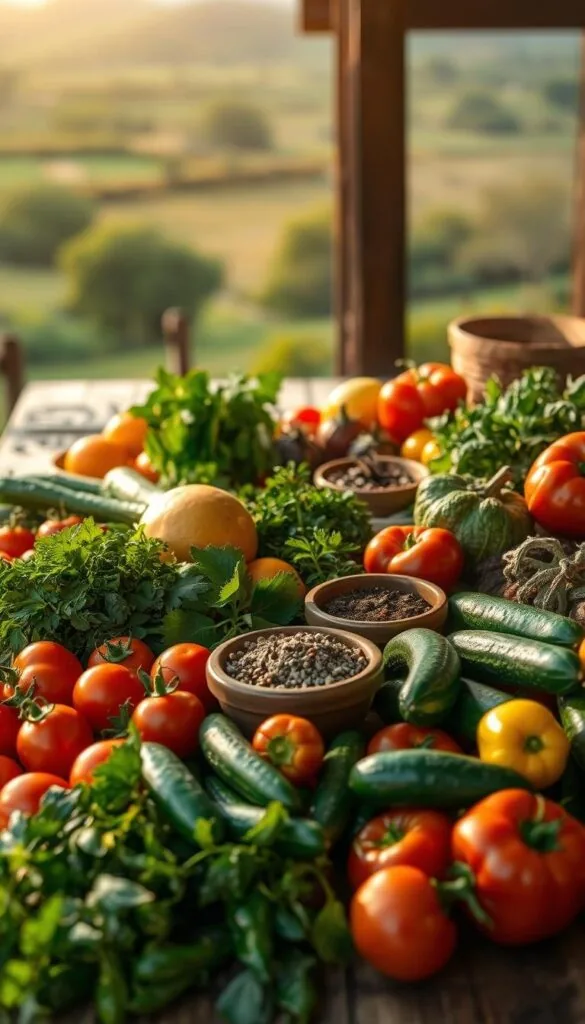
Stir-Fried Vegetables
- Broccoli and bell peppers in the summer
- Kale and carrots in the winter
- Mushrooms and spinach in the spring
Roasted Root Vegetables
Roasting root vegetables like beets, carrots, and parsnips enhances their sweetness. They make a perfect side dish for any meal. Adding seasonal veggies like Brussels sprouts and sweet potatoes creates a delicious and healthy roast.
Soup and Stew Ideas
Soups and stews are great for using up various vegetables in a hearty meal. You can make a big batch and freeze it for later. This way, you can enjoy seasonal produce recipes all year round.
Incorporating Seasonal Herbs
Seasonal herbs can make any dish better. Summer herbs like basil and mint add a bright, citrusy taste. Winter herbs like rosemary and thyme bring warm, earthy flavors. Each season brings its own set of flavors to explore.
Herbs like lemon balm, chamomile, and lavender are great for teas, sauces, and marinades. They not only taste good but also offer health benefits. They can reduce inflammation and help with digestion.
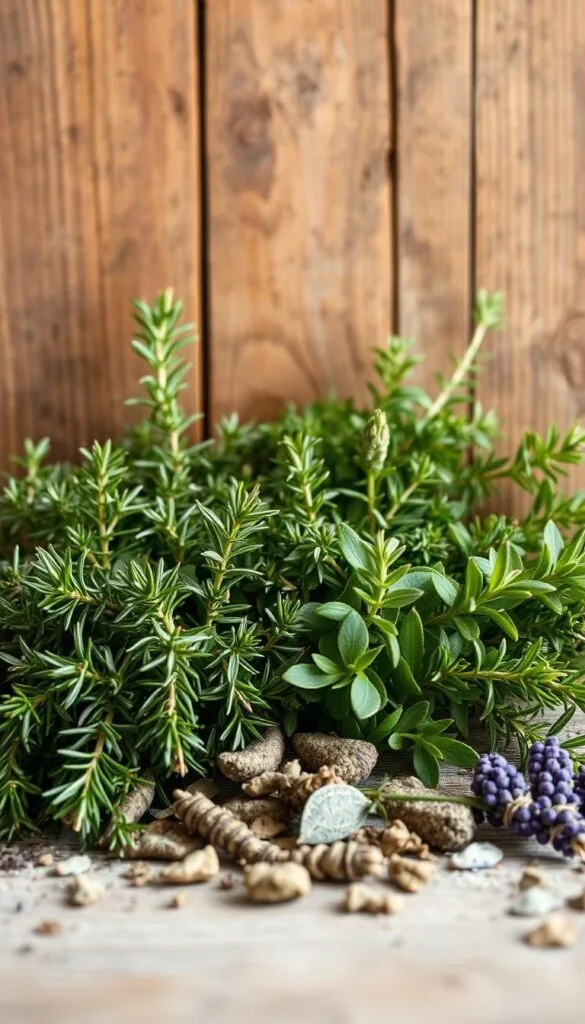
Try using herbs in simple infusions or as a flavor boost in various dishes. You can also make flavorful oils and vinegars. This way, you can keep your meals exciting all year.
- Use fresh herbs to make teas and infusions
- Add herbs to soups and stews for added flavor
- Use herbs to make flavorful oils and vinegars
Seasonal herbs add depth and complexity to your meals. They support the idea of cooking with fresh produce and seasonal ideas. So, why not try out the unique flavors of each season?
Meal Planning with Seasonal Produce
Planning meals with seasonal harvest recipes cuts down on food waste. It also helps you use what's available. By choosing sustainable food recipes, you save money and eat better. Start by making a weekly menu with different seasonal produce.
Batch cooking can make meal prep simpler. For example, roast a big batch of veggies on the weekend. This saves time and cuts down on waste. Other batch cooking ideas include:
- Cooking big batches of grains, like brown rice or quinoa
- Roasting a big batch of veggies, like broccoli or sweet potatoes
- Preparing a big batch of soup or stew for the week
Being creative with leftovers is another smart move. Turn last night's dinner into tomorrow's lunch. Or use leftover veggies in a soup or stir-fry. This way, you waste less and spend less on groceries.
Other meal planning tips include planning meals around seasonal items. Shop at local farmers' markets. And try different cooking methods to keep meals exciting. These strategies help you make tasty, sustainable meals that are good for you and the planet.
Seasonal Produce Storage Tips
When you're into farm-to-table cooking, keeping your produce fresh is key. The right storage can make your fruits and veggies last longer. This way, you can enjoy them all year round. Adding seasonal produce recipes to your meals helps cut down on waste and uses up your fresh finds.
To keep your produce in top shape, store it in a cool, dry spot. Stay away from direct sunlight to keep the flavors and textures just right. For instance, put leafy greens like kale and spinach in airtight containers to keep them crisp.
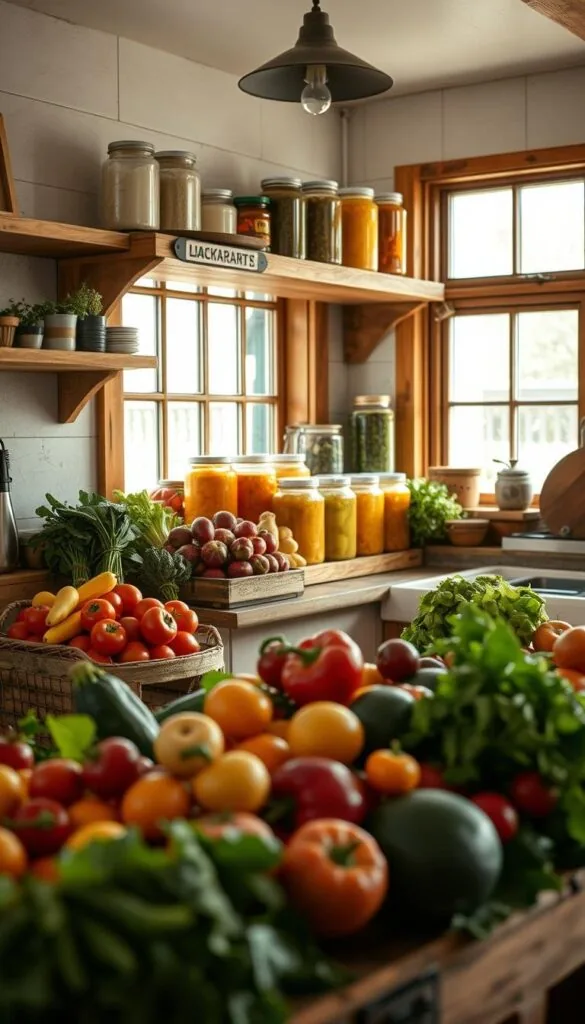
- Keep fruits and vegetables separate to prevent moisture transfer and spoilage
- Use breathable bags or containers to store produce, allowing for airflow and moisture release
- Freeze or can seasonal produce to preserve it for future use in seasonal produce recipes
By using these storage tips and embracing farm-to-table cooking, you can enjoy fresh produce all the time. This also helps reduce waste and supports local farmers.
How to Involve Kids in Cooking with Seasonal Produce
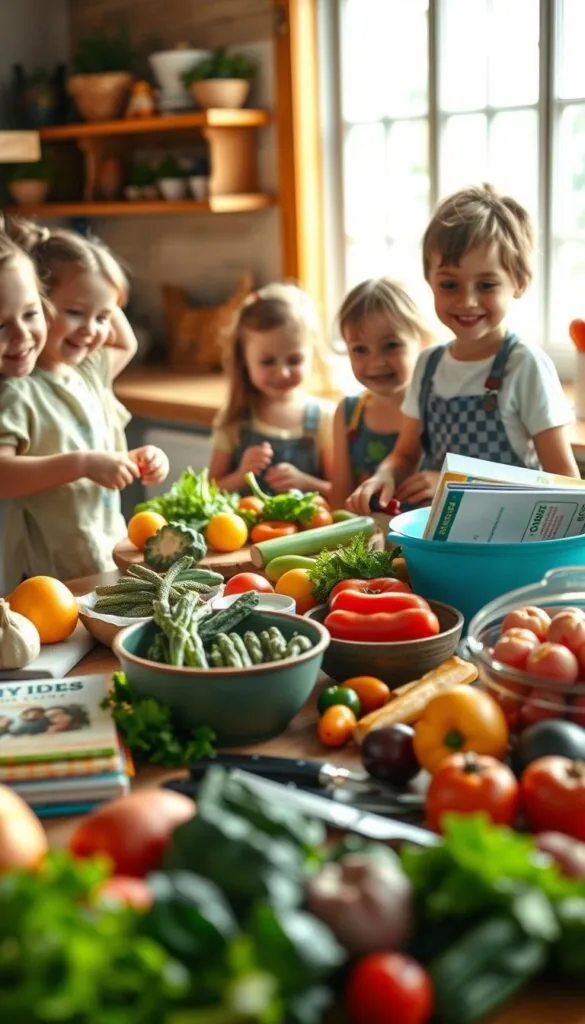
Getting kids to help in the kitchen with seasonal produce is both fun and educational. Start with simple seasonal cooking ideas like salads or smoothies. This helps them appreciate fresh, seasonal ingredients. It's a great way to teach them about garden-to-table recipes and the value of local produce.
Here are some ways to get kids involved in cooking:
- Let them help with meal planning and grocery shopping
- Encourage them to try new fruits and vegetables
- Teach them about different seasonal produce and their health benefits
Visiting farmers' markets or farms is a great learning experience. Kids can see where their food comes from and meet the farmers. By making cooking fun and interactive, kids can develop good eating habits and love for garden-to-table recipes.
Seasonal Produce and Cultural Dishes
Exploring global cuisines can open up new ways to use seasonal fruits and vegetables. Many dishes from different cultures rely on seasonal produce. This adds unique flavors and textures to your meals.
From spicy Asian dishes to rich Mediterranean flavors, there are endless ways to use seasonal fruits and vegetables. You can try making sushi rolls with fresh Japanese ingredients or Indian curries with seasonal vegetables.
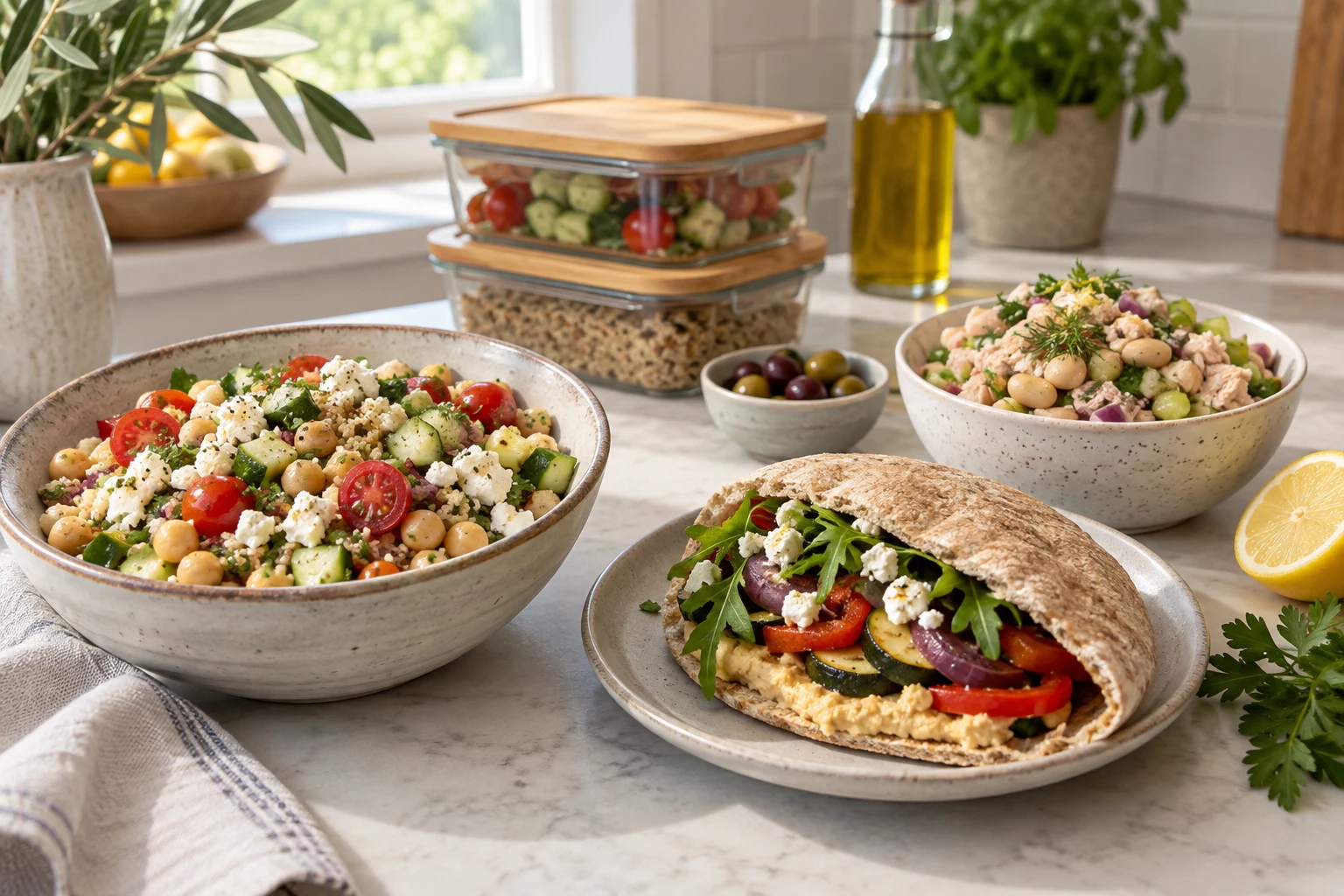
Mediterranean salads are another great option, filled with fresh seasonal fruits and vegetables.
- Sushi rolls made with fresh, seasonal produce from Japan
- Indian curries made with a variety of seasonal vegetables
- Mediterranean salads made with fresh seasonal fruits and vegetables
Cooking with fresh produce lets you experience new cultures and flavors. Using seasonal fruits and vegetables in your meals can make your diet more exciting. Whether you're making a traditional dish or trying something new, seasonal produce can enhance your cooking.
Resources for Seasonal Produce Enthuisiasts
If you're eager to explore seasonal produce recipes and sustainable food, there's a lot to discover. Cookbooks and food blogs are great for inspiration and tips. They often focus on cooking with what's in season.
Online communities, like social media groups or forums, are also great. They let you share recipes, ask questions, and learn from others. This way, you can grow your cooking skills and enjoy nature's fresh offerings all year.