Starting a vegetable garden is a joy that brings fresh food to your table. This guide is for anyone who wants to grow their own produce, no matter the space. It shows how to turn your yard, balcony, or even containers into a thriving garden.

Vegetable gardening for beginners doesn't need big yards or fancy tools. You'll learn how to choose easy plants and care for them. This guide tackles worries about time, space, and skill, proving it's possible for all to start a vegetable garden.

Why Start a Vegetable Garden?

Starting your own garden turns backyards into places where you can grow your own food. Imagine eating a tomato that's been warmed by the sun right from your garden. This is the magic of growing your own food. Thousands of Americans are joining this movement for good reasons.

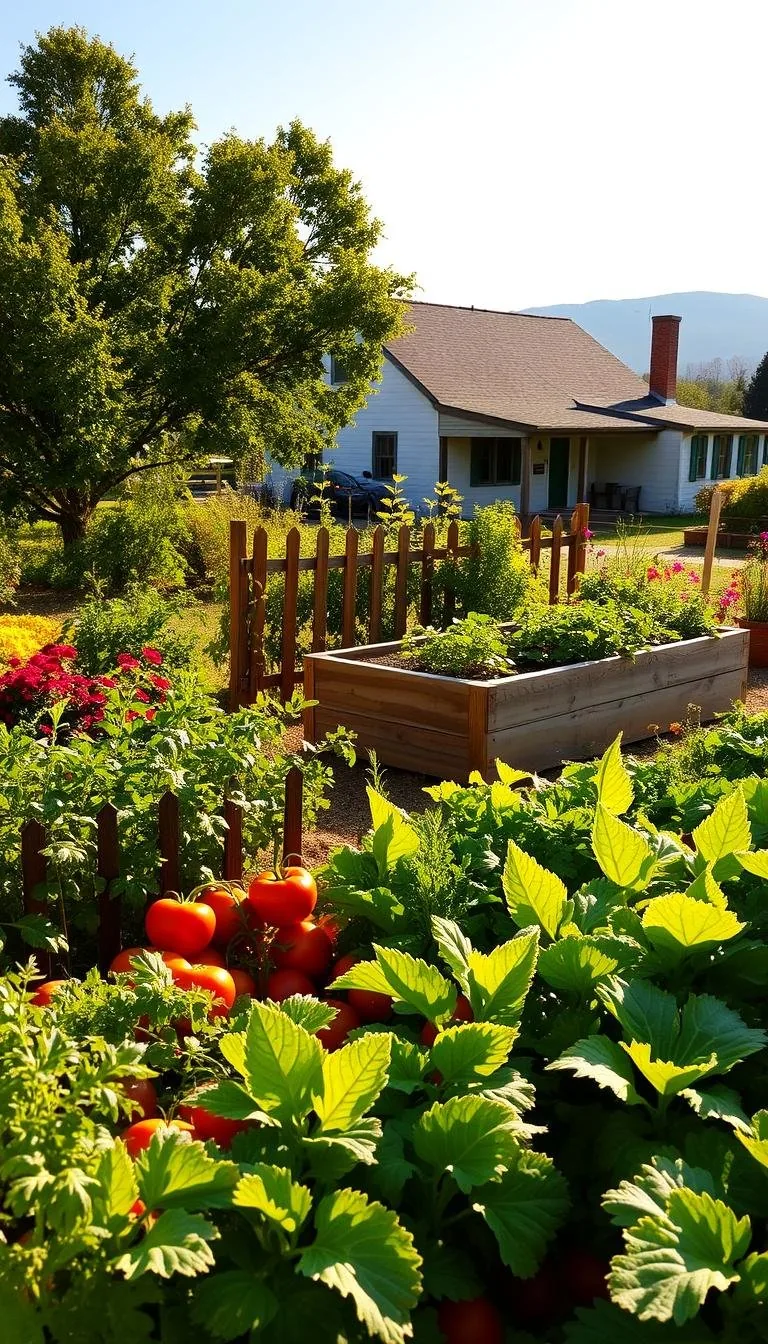
A lush, verdant garden bursting with vibrant vegetation takes center stage. In the foreground, rows of thriving vegetable plants - tomatoes, peppers, leafy greens - sway gently in the warm afternoon sunlight, casting soft shadows on the rich, loamy soil. The middle ground features a small, rustic wooden planter box overflowing with fragrant herbs, while the background showcases a charming garden shed surrounded by a flourishing array of flowering plants and trees. The scene evokes a sense of tranquility, accomplishment, and the pure joy of nurturing one's own bountiful harvest. Captured with a wide-angle lens and soft, diffused lighting, this image embodies the fulfillment and pride of starting and tending to your very own vegetable garden.

Benefits of Homegrown Vegetables

Environmental Impact

"Growing food at home cuts emissions by 30% compared to supermarket produce," says the National Gardening Association.

By growing your own food, you can avoid plastic packaging and long trips to the store. You can grow leafy greens like kale or herbs like basil right outside your door. Composting kitchen scraps helps close the loop and makes your garden even greener.

Cost Savings Over Time

A starter garden costs $50-$100 for seeds and tools. But think about how much you can save on groceries:

  1. Tomatoes: $3/pound vs. $2 seed packet yielding 10+ pounds
  2. Herb containers: Replace $5 basil jars with a $1 herb plant

In just two seasons, most gardens pay for themselves. Plus, they give you fresh meals all summer long.

Choosing the Right Location for Your Garden

Finding the best spot for your garden involves sunlight, soil, and ease of access. Even small areas can become lush backyard vegetable garden spots with careful planning. We'll explore what each plant needs to flourish.

“Sunlight and soil are nature’s building blocks—don’t skip them.”

Sunlight Requirements

Most vegetables need 6–8 hours of direct sunlight each day. Use a calendar to track sunlight patterns. Note where shadows fall at 10 AM, noon, and 2 PM.

If full sun is hard to find, leafy greens like lettuce or herbs do well in shadier areas.

A sunny backyard with lush, verdant foliage and a well-tended vegetable garden in the foreground. The garden beds are neatly organized, with rows of thriving tomato plants, leafy greens, and vibrant bell peppers. In the middle ground, a compost bin and gardening tools are positioned nearby, hinting at the careful maintenance required. The background showcases a wooden fence, partially obscured by climbing vines, and beyond that, a glimpse of a serene, blue sky with wispy clouds. Soft, natural lighting casts a warm glow over the entire scene, creating an inviting and tranquil atmosphere.

Soil Type Considerations

Soil type greatly impacts growth. Test your soil's texture:

Improve soil by adding compost. Happy soil means happy plants!

Accessibility and Convenience

Place your garden near a water source and make it easy to reach. Fencing or barriers protect plants from wind or animals. No big yard? Try raised beds or containers for simple vegetable garden ideas. Community gardens are also a good choice if space is limited.

Pro tip: Paths between plants make upkeep simpler. A 2–3 foot path lets you move without damaging the soil.

Selecting the Best Vegetables to Grow

Choosing the right vegetables starts with understanding your climate and growing season. Whether you’re start a vegetable garden or expanding an existing plot, matching plants to local conditions ensures success. Let’s explore how to pick varieties that thrive where you live.

A lush vegetable garden in warm afternoon light, featuring neatly planted rows of vibrant leafy greens, crisp carrots, and plump tomatoes. In the foreground, a gardener's hand gently places a young seedling into the rich, loamy soil, their movements graceful and purposeful. The middle ground showcases a variety of thriving vegetable plants, each at different stages of growth, casting soft shadows on the ground. In the background, a picturesque wooden fence or trellis provides a natural backdrop, hinting at the cozy, peaceful atmosphere of the garden. The overall scene conveys a sense of abundance, diligence, and the rewarding experience of cultivating one's own fresh produce.

Cool-season vs. Warm-season Vegetables

Cool-season crops like lettuce and peas prefer spring or fall temperatures. Warm-season veggies such as tomatoes and peppers need summer heat. Check your USDA zone to align planting times with local weather patterns.

Easy-to-Grow Varieties for Beginners

These options are forgiving for new gardeners. Start with 3-4 favorites to build confidence.

Seasonal Planting Calendar

Follow this guide based on USDA zones:

  1. Early spring: Plant peas, spinach, and carrots
  2. Late spring: Sow beans, cucumbers, and summer squash
  3. Early fall: Replant lettuce and kale

“Pick vegetables you eat most. If you love salads, prioritize leafy greens. Gardening joy starts with what’s on your plate.” – National Gardening Association

Pair this planting a vegetable garden plan with local extension office resources for zone-specific details. Small choices now lead to big rewards later!

Preparing the Soil for Planting

Healthy soil is key for a thriving garden. Whether you're into organic vegetable gardening or just starting, these beginner gardening tips make soil prep easy. Let's get started!

Testing Soil pH and Nutrients

First, check your soil's pH level. Most veggies prefer a slightly acidic to neutral range (6.0–7.0). Use a home test kit or send a sample to a local extension service for detailed results. Adjust pH by adding lime to raise it or sulfur to lower it. This step is like giving your plants a health checkup.

Ways to Improve Soil Quality

Work these into the top 6–8 inches of soil with a garden fork. Patience pays off—soil health builds over time.

Importance of Drainage

Waterlogged soil drowns roots, but fixing drainage is easier than you think. Try these tricks:

  1. Raise garden beds if your area floods often.
  2. Mix sand or perlite into heavy clay soils.
  3. Plant in mounded soil patches to lift plants above wet spots.

Pro tip: Dig a small hole and fill it with water. If it drains in 2–4 hours, you're good to go!

Planting Your Seeds and Seedlings

Now that your soil is ready, it's time to bring your garden to life. Follow these steps to ensure your plants get off to a strong start. Remember, even seasoned gardeners started as beginners—trust the process!

A lush vegetable garden under a warm, golden afternoon sun. In the foreground, a person's hands carefully planting seedlings into the freshly tilled, nutrient-rich soil. The middle ground showcases various vegetable plants at different growth stages, their leaves rustling gently in a light breeze. In the background, a wooden fence and trellis frame the scene, hinting at the orderly layout of the garden. Subtle shadows cast by the plants and the person create a sense of depth and dimension. The overall atmosphere is one of serene productivity, inviting the viewer to imagine the joy of nurturing this bountiful plot.

When to Plant

Timing is key. Check your region’s last frost date using USDA zone maps or local gardening extensions. Most seed packets label ideal soil temperatures (like 60–75°F for tomatoes).) Wait until soil warms enough for your chosen veggies. For example, peas thrive in cool spring soil, while peppers need warmth.

Proper Spacing Techniques

Crowded plants compete for resources. Use this guide to space seedlings correctly:

Square foot gardening or raised beds help maximize small spaces. Crowded roots lead to weak plants and disease—so map your garden layout first!

Watering After Planting

New plants need gentle care. For seeds, water with a spray bottle to avoid washing seeds away. Seedlings require deep watering at the base, not leaves. Aim for 1 inch of water weekly, adjusted for rain. A tip from pros: mulch around plants to retain moisture and block weeds.

Beginner gardening tips like these build confidence. Pat yourself on the back—you’re one step closer to a thriving garden!

Caring for Your Vegetable Garden

Keeping your garden healthy is all about the basics. Regular care helps plants thrive, whether you have a small or large space. It's all about how to grow vegetables well.

Watering Basics

Watering right is key. Water deeply but not too often. Watering in the early morning helps prevent water loss.

A lush, verdant vegetable garden bathed in soft, warm sunlight. In the foreground, rows of thriving organic produce - juicy tomatoes, vibrant leafy greens, and plump squashes. Winding paths lead the eye through the middle ground, where gardeners tend to their plants with care and diligence. In the background, a charming rustic shed and a bounty of freshly harvested vegetables await. The scene emanates a sense of serenity and abundance, capturing the essence of sustainable, mindful vegetable gardening.

Use drip irrigation or soaker hoses for better water use. Don't overwater, as it harms plants. Check soil moisture by poking a finger two inches deep.

Weeding Strategies

Stop weeds early to avoid a big problem:

Pest Management Tips

For organic vegetable gardening, start with prevention:

  1. Plant marigolds to deter aphids and nematodes.
  2. Use row covers to block pests like cabbage moths.
  3. Spot-treat infestations with neem oil or insecticidal soap.

“A daily stroll through your garden builds intuition for what it needs.”

Harvesting Your Vegetables

After weeks of caring for your backyard vegetable garden, the time to harvest is here! Harvesting at the right time is key for the best taste and nutrition. Let's learn how to tell when your veggies are ready and how to store them.

Signs of Ripeness

Look for these signs:

Best Practices for Harvesting

Use clean shears to avoid harming your plants. Harvest leafy greens in the morning when they're at their crispest. For beans and zucchini, pick them often to keep the plants producing.

“Aim to harvest snap beans every other day to keep plants productive,” advises the National Gardening Association.

Storing Your Fresh Produce

Here are some tips to keep your produce fresh:

  1. Root vegetables: Store them in a cool, dark spot like a basement
  2. Herbs: Trim them and freeze in ice cube trays with water or oil
  3. Tomatoes: Let them ripen at room temperature, then refrigerate once they're ripe

For longer storage, consider canning or freezing your extra harvest. Always wash your veggies just before eating to avoid spoilage.

Troubleshooting Common Garden Issues

Gardening is a journey of learning, even for experts. Simple vegetable garden ideas often face challenges, but most problems are easy to fix. Don’t let setbacks discourage you—every issue is a chance to grow your skills!

Identifying Plant Diseases

Spot trouble early to save your plants. Look for:

Dealing with Pests Naturally

Protect your starting your own garden efforts with these tips:

  1. Aphids: Spray with a mix of water and dish soap.
  2. Cabbage Worms: Handpick or use floating row covers.
  3. Tomato Hornworms: Look for green caterpillars and relocate them.

“A garden is a school of patience.” – Unknown

Improving Garden Conditions

Adjust your space to keep plants thriving:

Even small fixes make a big difference. Remember, every problem has a solution—even if you’re just starting your own garden, patience and observation are your best tools.

Expanding Your Gardening Skills

Gardening is a journey of discovery. Enjoying your first harvest is just the start. Take steps to learn more and grow your garden even more. Every effort to learn and connect will make your garden thrive year after year.

Resources for Further Learning

Improve your beginner gardening tips by checking out books like "All New Square Foot Gardening" by Mel Bartholomew. Also, look for free webinars from the University of California’s Cooperative Extension. Websites like Gardeners.com and the National Gardening Association have tutorials on how to grow vegetables.

Apps like PlantSnap can help identify plants and pests. They make gardening easier and more fun.

Joining Local Gardening Clubs

Connect with local gardening groups like the American Community Gardening Association. State Master Gardener programs also offer great resources. These groups have workshops, seed swaps, and advice from experienced gardeners.

Events by the Home Garden Seed Association can introduce you to new growing strategies. You'll meet mentors who can guide you.

Experimenting with New Varieties

Once you're comfortable, try new crops like purple carrots or Thai basil. Seed companies like Baker Creek Heirloom Seeds have rare varieties. Try vertical gardening for small spaces or companion planting to increase yields.

Every season is a chance to improve and find what works best for your garden.