Essential oils are concentrated plant extracts, and they are marketed for everything from headaches to sleep. Some have been studied, but the research is often limited, and the safety risks are real. This guide goes through the most popular oils, what evidence exists and how to use them more safely if you enjoy them.
Think of essential oils as pleasant scents with a few narrow uses, not as treatments for medical conditions.
The National Center for Complementary and Integrative Health (NCCIH) says it is unclear whether lavender aromatherapy helps anxiety, stress or sleep. Never swallow essential oils, dilute them before applying to skin, and keep them away from children and pets. Talk to a provider before using oils for a health condition.
Popular oils: what is known
| Oil | Common claim | What research says | Safety notes |
|---|---|---|---|
| Lavender | Calms anxiety, helps sleep. | Some studies of an oral lavender oil product suggest a benefit for anxiety, but research has limitations. It is unclear whether aromatherapy helps stress, anxiety, sleep or other conditions. | May cause allergic skin reactions. Oral products can cause nausea or headache and may add to the effects of sedatives. |
| Peppermint | Relieves headaches and digestive problems. | Small amounts of research suggest enteric-coated peppermint oil capsules may improve IBS symptoms, and topical peppermint oil might help tension headaches. Evidence is limited. | Capsules can cause heartburn. Do not apply to the face of infants or young children. |
| Tea tree | Treats acne, fungal infections. | Used topically; evidence varies by condition. | Never swallow it. Dilute for skin use. It can cause irritation or allergic reactions. |
| Eucalyptus | Clears congestion. | May feel cooling and open, but it is a sensation, not proof of treatment. | Toxic if swallowed, and can irritate airways, especially in young children. |
| Citrus oils (lemon, bergamot, orange) | Uplift mood, "cleanse." | Pleasant scents. Evidence for health effects is limited. | Some citrus oils can make skin more sensitive to sun. Check labels before using on skin. |
Safe use checklist
- Do not swallow essential oils. Even small amounts can be toxic, especially for children.
- Dilute before applying to skin in a carrier oil such as olive or jojoba, following the product's guidance, and patch-test a small area first.
- Keep away from eyes, inside the nose and broken skin.
- Ventilate. Use a diffuser for short periods in a well-ventilated room.
- Check with a provider or pharmacist if you are pregnant, breastfeeding, have asthma or take medicines.
- Protect children and pets. Store oils out of reach, and ask a veterinarian before diffusing around animals.
- Buy from reputable sources and check the label for the plant's Latin name and country of origin. In the U.S., the FDA does not approve essential oils before they are sold.
What to try for common problems instead
| Goal | Better-supported options |
|---|---|
| Wind down at night | A steady routine, screens off 30 minutes early and slow breathing. See Simple Ways to Create a Calming Evening Routine. |
| Feel calmer | Slow breathing, a short walk and a to-do list. See How to Create a Calming Evening Routine. |
| Seasonal allergies | Pollen precautions and saline rinses. See Essential Oils and Seasonal Allergies. |
| Tension headaches | Rest, hydration, sleep and, if needed, over-the-counter pain relievers used as directed. See a provider if headaches are frequent or severe. |
| Digestive symptoms | Talk to a provider before trying supplements, especially if symptoms are ongoing. |
How to use scent as a small pleasure
If you like the smell, keep it simple: a few drops on a tissue you keep near you, a short session with a diffuser or an unscented routine with a scented candle for atmosphere. Enjoy it as a comfort. Stop using any scent that gives you a headache, cough or itchy eyes.
How oils are used in aromatherapy
Aromatherapy means using the scent of plant oils, usually through a diffuser, steam, a bath or a small amount on the skin. Most research asks whether inhaling a scent changes stress, pain or sleep. Results are mixed, and many studies are small or hard to blind, because people can tell what they are smelling. NCCIH notes that little rigorous research has been done on aromatherapy for sleep, for example.
Quality and labels
| Label wording | What it tells you |
|---|---|
| Latin name (for example, Lavandula angustifolia) | Identifies the exact plant. Different species have different properties. |
| "100% pure" | Not a regulated term for essential oils in the U.S. and does not guarantee quality. |
| "Therapeutic grade" | A marketing phrase, not an official standard. |
| Dilution instructions and warnings | Useful sign that the maker takes safety seriously. |
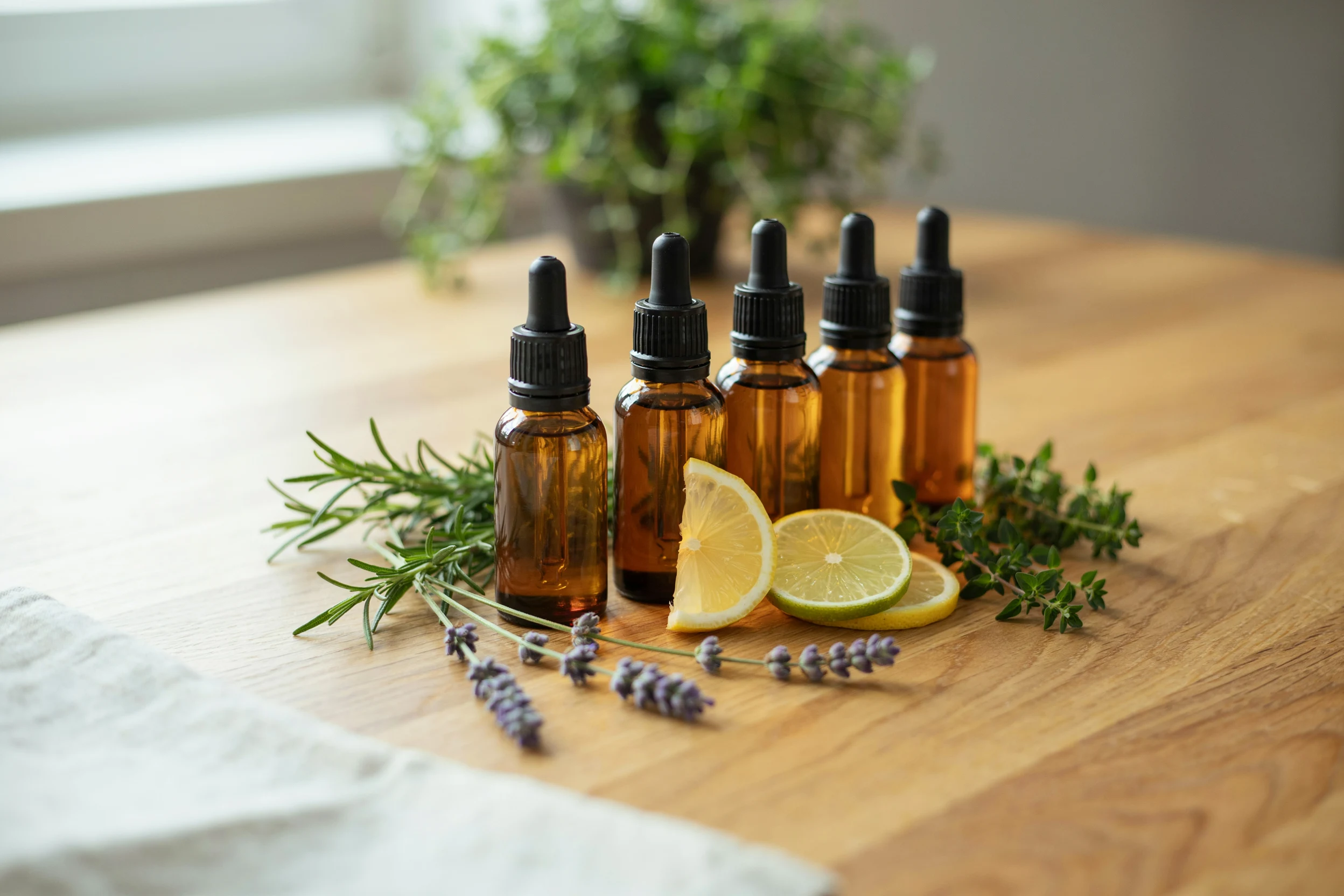
| Dark glass bottle | Protects oils from light. |
If you have a reaction
Stop using the oil and wash the area with soap and water. For mild irritation, a cool compress and plain moisturizer can help. Seek medical care for swelling of the face or throat, trouble breathing or widespread rash. If someone swallows an essential oil, call Poison Control at 1-800-222-1222 or 911 right away, and do not induce vomiting.
FAQ
Do essential oils really work?
Are essential oils safe to use daily?
Can I use essential oils while pregnant?
Sources and further reading