Slow, steady breathing is one of the simplest tools for calming your body in a stressful moment. It does not need equipment, and you can do it anywhere. NCCIH notes that slow, deep (diaphragmatic) breathing may modestly lower blood pressure and reduce levels of the stress hormone cortisol, although the research is still preliminary.
This guide covers three beginner-friendly breathing techniques, how to practice each safely and when to skip them. "Resilience" here means having a reliable way to settle yourself, not a cure for stress.
Try diaphragmatic breathing or a longer exhale for two to five minutes. Breathe gently, stop if you feel dizzy and skip forceful or breath-holding techniques unless a professional has taught you and you are healthy enough.
Three beginner techniques
| Technique | How | Best for |
|---|---|---|
| Diaphragmatic (belly) breathing | Place a hand on your belly. Breathe in slowly through your nose so your belly rises, then breathe out slowly and completely. | Everyday stress and winding down. |
| Longer-exhale breathing | Breathe in for a count of four and out for a count of six. Keep it gentle. | Calming down in the moment. |
| Box breathing | Breathe in for four, hold for four, out for four and hold for four. Skip the holds if they feel uncomfortable. | Steadying attention before a task. |
A 5-minute practice
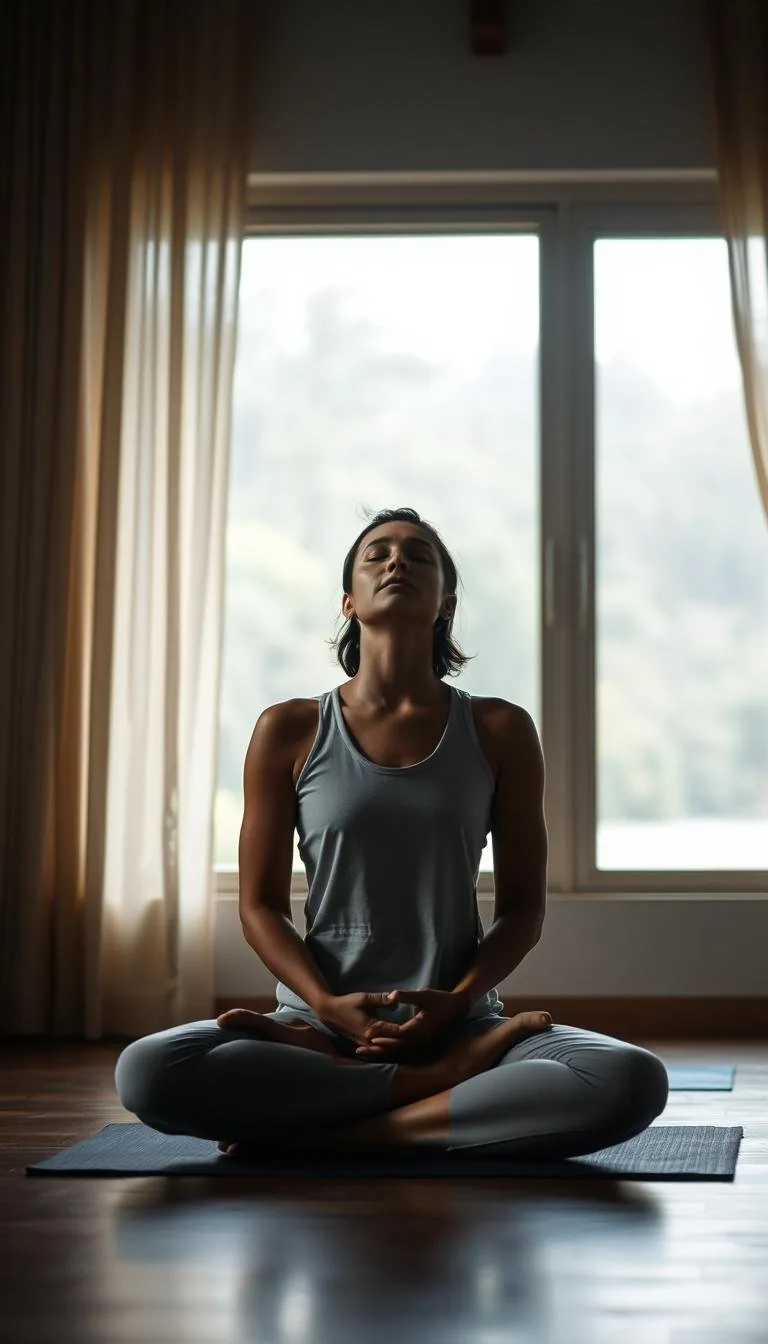
- Sit or lie down comfortably. Rest one hand on your belly.
- Breathe in through your nose for about four counts.
- Breathe out slowly for about six counts.
- Continue for two to five minutes.
- Return to normal breathing and notice how you feel.
Where to use it
| Situation | Try |
|---|---|
| Before a hard conversation | Five longer-exhale breaths. |
| Stuck in traffic | Belly breathing with your hands on the wheel, eyes open. |
| At bedtime | Two to five minutes in bed. See How to Create a Calming Evening Routine. |
| During a workday | One minute between tasks. See Daily Mindfulness Practices for Better Focus. |
Who should be careful
- People with asthma, COPD, heart conditions or panic disorder should ask a provider before trying breath-holding or intense techniques.
- People who are pregnant should avoid prolonged breath holds and ask a provider.
- Anyone who feels lightheaded, tingling or anxious should stop and breathe normally.
- Avoid rapid, forceful breathing techniques without a qualified teacher, especially in or near water or while driving.
Building the habit
Attach a two-minute practice to a daily cue, such as sitting down at your desk or getting into bed, and track it for two weeks. See Why Small Daily Habits Matter More Than Motivation for tips.
What "resilience" can and cannot mean
Resilience is the ability to adapt after stress, and it comes from many things: sleep, relationships, exercise, a sense of purpose and access to support. Breathing exercises can help you steady yourself in the moment. They do not change a stressful job or heal trauma. Think of them as one skill in a toolbox.
A simple two-week breathing plan
| Days | Practice |
|---|---|
| 1 to 4 | Belly breathing for 2 minutes once a day. |
| 5 to 9 | Longer exhale for 3 minutes once a day, plus one use in a stressful moment. |
| 10 to 14 | Choose your favorite, and use it for 5 minutes at bedtime. |
Common mistakes
- Breathing too deeply and too fast, which can cause dizziness.
- Straining to hold the breath.
- Expecting instant calm. It may take several rounds.
- Using breathing to ignore a problem that needs action or support.
Relaxation techniques are generally safe for healthy people, though NCCIH notes a few reports of negative experiences such as increased anxiety. People with serious physical or mental health conditions should talk to a provider first. Breathing exercises are not a replacement for medical care or a reason to delay seeing a doctor. In the United States, call or text 988 if you are in crisis.
FAQ
Does deep breathing reduce stress?
How long should I practice?
Is box breathing safe?
Sources and further reading