Winter makes exercise harder in ordinary ways: it is dark when you leave for work, the sidewalk is icy, the couch is warm and your gym clothes are cold. That is normal, and it is a reason to plan rather than a reason to feel guilty. This guide gives you a two-track plan, indoor and outdoor, along with cold-weather safety tips and ways to keep the habit going when energy and daylight are low.
Set a winter minimum and a winter default. The minimum is 10 minutes of movement on the days you feel worst. The default is the plan you follow most weeks, such as two indoor strength sessions and three walks. Aim to maintain, not to peak.
Lower the bar on purpose
The CDC recommends at least 150 minutes of moderate-intensity activity a week and muscle-strengthening activity on at least 2 days, and notes that activity can be broken into shorter chunks. In winter, reaching those numbers may not be realistic every week. Consistency beats intensity: aim to keep moving regularly, and treat any week where you do more as a bonus.
Set up a two-track plan
| Track | When to use it | Examples |
|---|---|---|
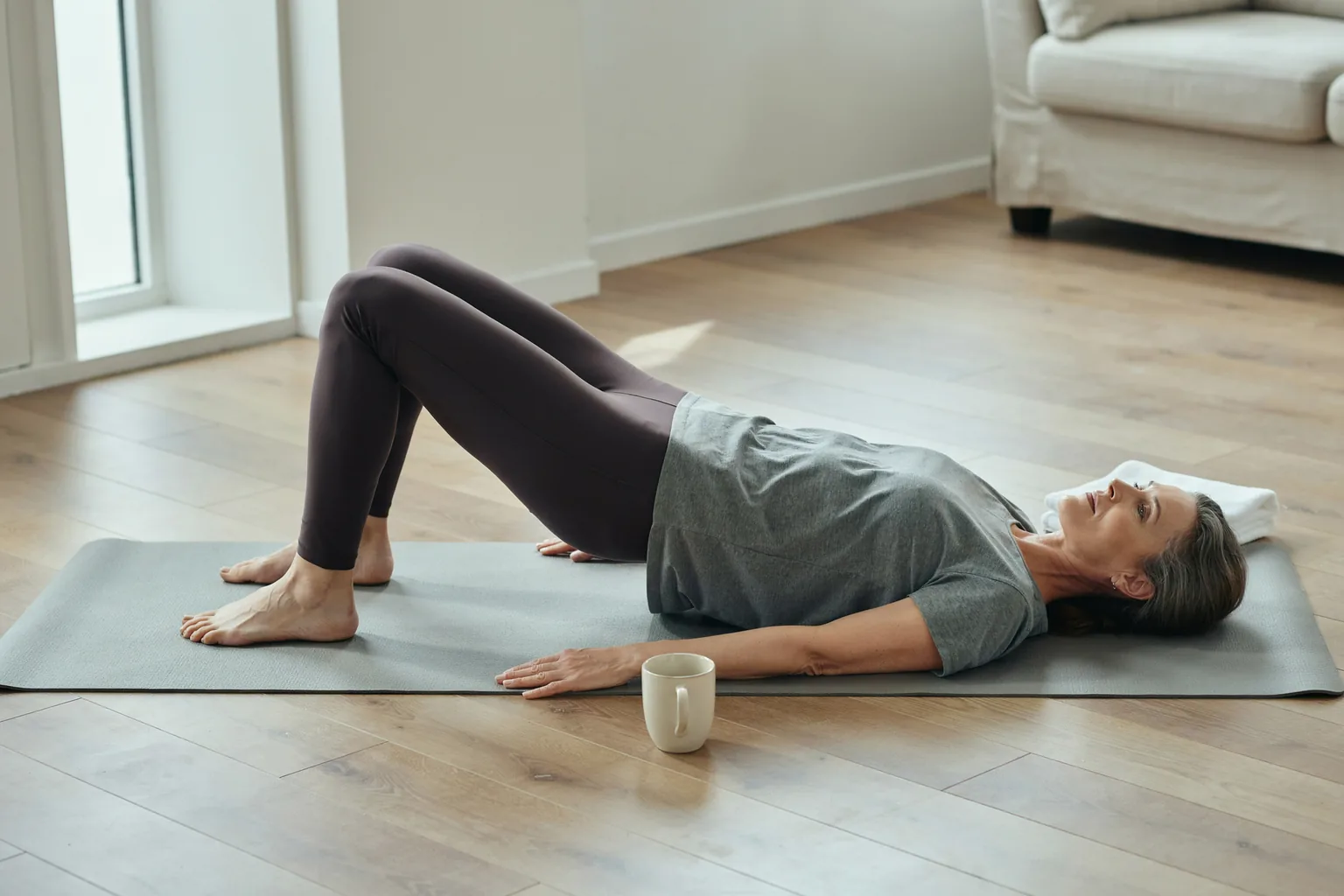
| Indoor track | Ice, snow, wind chill, dark evenings, low energy | 10-minute home routines, strength with bands, yoga, stair walking, dancing |
| Outdoor track | Mild days and safe surfaces | Walking, hiking, snowshoeing, sledding with kids, skating |
Decide in advance which track you will use in each situation. "If it's below freezing or icy, I do my indoor routine" removes the need to negotiate with yourself each morning.

Indoor track: three sessions to keep on hand
- 10-minute strength or cardio routine. See our 10-minute home workouts.
- Resistance band routine. A 20-minute full-body session from our band workout guide.
- Low-impact cardio. Marching, dance and stair walking, described in our home cardio guide.
Outdoor track: cold-weather safety
Cold air can trigger symptoms in people with asthma, heart disease or circulation problems. Ask your health care provider if winter exercise is safe for you. Stop, get warm and seek help for chest pain, severe shivering, confusion, numb or waxy-looking skin, or dizziness.
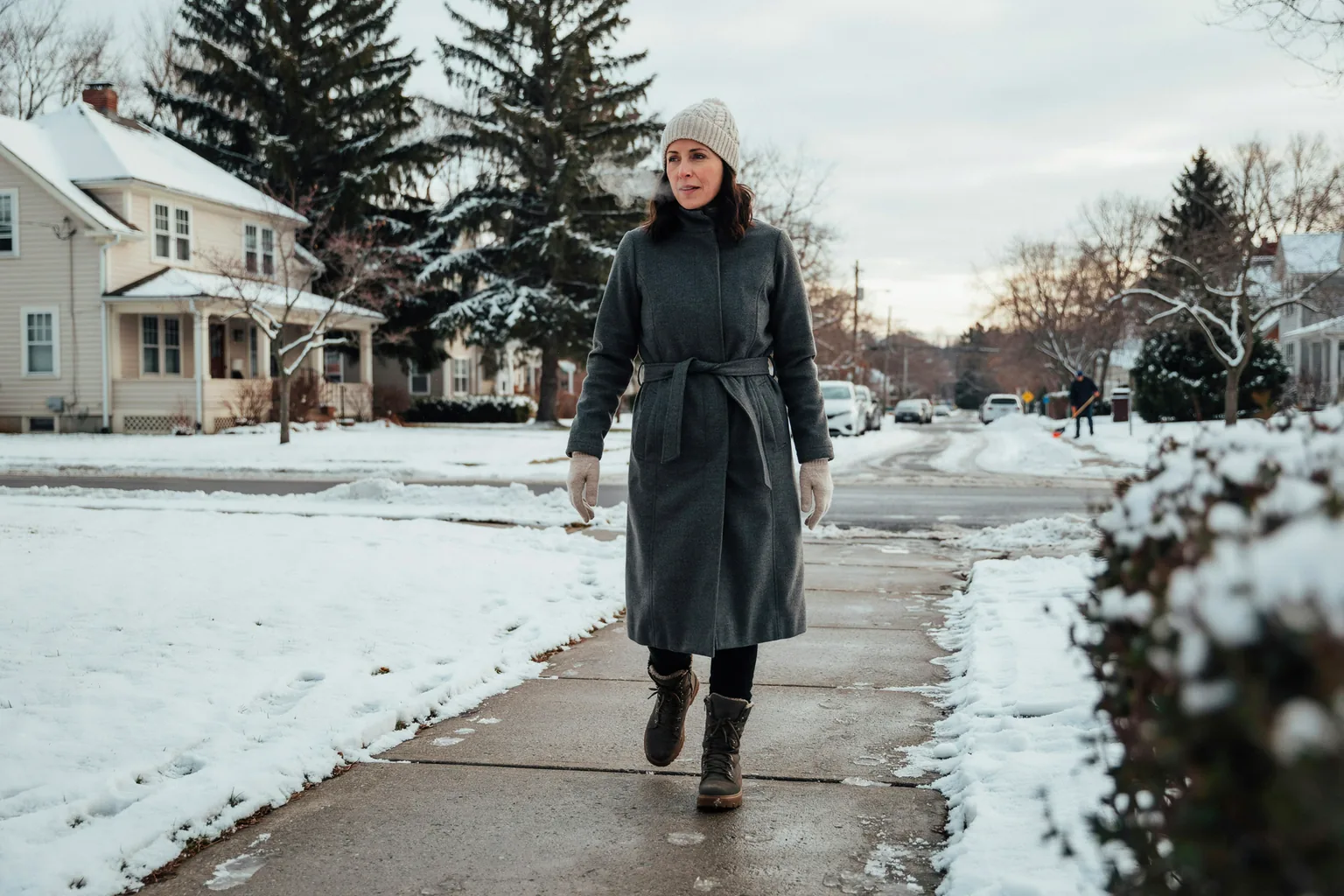
- Dress in layers. A moisture-wicking base, an insulating middle layer and a wind-resistant outer layer. You should feel slightly cool when you start and comfortable once you warm up.
- Protect extremities. Wear a hat, gloves or mittens, warm socks and a scarf or face covering on windy days.
- Watch the surface. Ice is a bigger risk than cold. Use shoes with traction, shorten your stride and stay on cleared paths.
- Check wind chill and the forecast. Shorten or move indoors when conditions are severe.
- Be visible. Wear reflective gear or a light in early morning or evening.
- Warm up longer. Spend 5 to 10 minutes of easy movement indoors before you go out.
- Change out of damp clothes soon after you finish.
- Drink water. You still sweat and breathe out moisture in cold weather.
Ways to stay motivated when it's dark and cold
A sample winter week
| Day | Plan |
|---|---|
| Monday | Indoor strength, 20 minutes |
| Tuesday | 20-minute walk (outdoor if safe, or mall/track) |
| Wednesday | Yoga or mobility, 10 to 15 minutes |
| Thursday | Indoor strength, 20 minutes |
| Friday | Rest or a 10-minute minimum version |
| Saturday | Longer outdoor activity when the weather allows, or dance or a class |
| Sunday | Rest |
If you need a template, see our weekly fitness plan guide.
When winter affects mood and energy
Shorter days can affect sleep, mood and energy for some people. Regular movement, time outdoors in daylight and consistent sleep can help, but if you notice persistent low mood, loss of interest, changes in appetite or sleep, or feelings of hopelessness that last for weeks, talk to a health care provider. Seasonal patterns of depression are common and treatable.
Winter fueling in one paragraph
You do not need special foods for winter exercise. Regular meals with protein, vegetables, whole grains and healthy fats support your energy. A warm snack such as yogurt with fruit, oatmeal or soup before a walk is a comfortable option. For snack ideas, see our high-protein snack guide.
Overdressing so you sweat heavily and then get chilled. Skipping the warm-up. Cold muscles are less comfortable to move. Rigid all-or-nothing plans. Comparing winter to summer performance. Expect lower output and forgive it.
FAQ
Is it safe to exercise outdoors when it's very cold?
How do I warm up for winter workouts?
What if I only have 10 minutes?
Do I need to eat more in winter?
Sources and further reading