A sunburn is skin damage from ultraviolet (UV) light. The pain and redness usually peak within about a day and fade over several days, but the damage is real, and repeated sunburns raise skin cancer risk. There is no way to heal a sunburn instantly. What you can do is ease the discomfort, protect your skin while it heals and know when to get medical care.
This guide covers evidence-based steps for treating a sunburn, common myths and how to prevent the next one.
Get out of the sun, take a cool bath or shower, apply a fragrance-free moisturizer (aloe or soy are common choices), drink extra water and consider ibuprofen or aspirin if it is safe for you. Do not pop blisters. Seek care for fever, chills, extensive blistering or signs of infection.
What to do in the first 24 hours
| Step | How | Why |
|---|---|---|
| 1. Get out of the sun | Go indoors or into deep shade, and cover burned areas. | Prevents more damage. |
| 2. Cool the skin | Take cool baths or showers, and pat dry gently. | The American Academy of Dermatology (AAD) suggests this to relieve pain. |
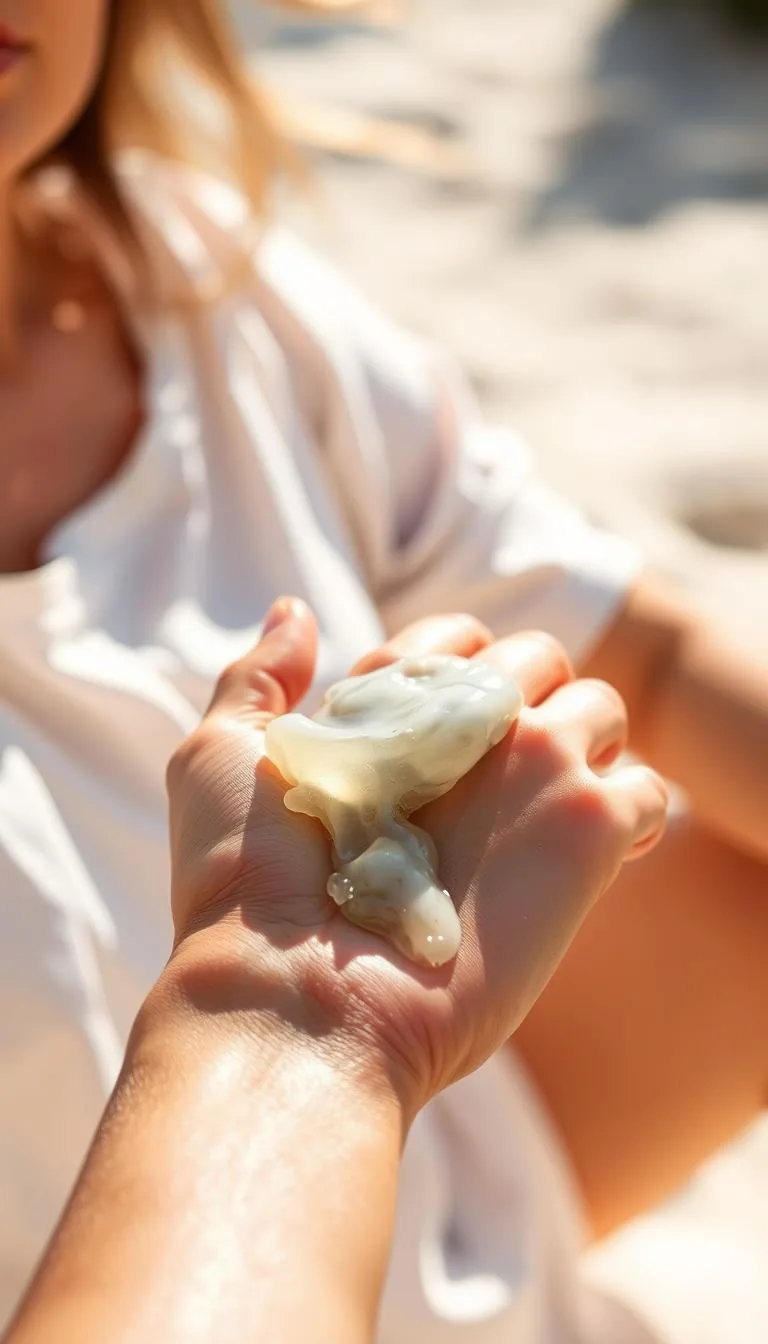
| 3. Moisturize | Apply a moisturizer with aloe vera or soy while skin is still damp, and reapply when it feels uncomfortable. | Helps soothe the skin. |
| 4. Drink water | Drink extra fluids. | A sunburn draws fluid toward the skin surface and away from the rest of the body. |
| 5. Consider pain relief | Ibuprofen or aspirin may reduce swelling and discomfort, if it is safe for you. | Check labels. Do not give aspirin to children or teens. |
| 6. Leave blisters alone | Do not pop them. | Protects against infection. |
| 7. Wear loose clothing | Choose soft, breathable fabrics. | Reduces friction. |
Common remedies: helpful, unproven or risky
| Remedy | Verdict |
|---|---|
| Cool compress or bath | Helpful for comfort. |
| Aloe vera gel | A common soothing option. Choose a fragrance-free product without added dyes or numbing agents. |
| Fragrance-free moisturizer | Helpful for dryness and peeling. |
| Hydrocortisone 1% cream | Sometimes used for discomfort. Ask a pharmacist. |
| Ice directly on skin | Can further irritate skin. Use a cool, damp cloth instead. |
| Butter, oil or petroleum jelly | Can trap heat. Not recommended on fresh burns. |
| Products with benzocaine or lidocaine ("-caine") | Can irritate or cause allergic reactions. Avoid unless a provider advises. |
| Vinegar, toothpaste or other home remedies | No good evidence, and they can irritate skin. |
Peeling and itching
Peeling usually starts a few days after the burn. Do not pull at the skin. Keep it moisturized, take lukewarm showers and let it shed on its own. If itching is bothersome, moisturizer and a cool compress help. See a provider if it worsens.
When to get medical care
- Fever, chills or nausea.
- Blisters covering a large area of skin, or on the face, hands or genitals.
- Pus, spreading redness or swelling, which may signal infection.
- Severe pain that is not relieved by home care.
- Confusion, dizziness, fainting or signs of dehydration, such as very dark urine.
- A sunburn in an infant, or in someone with a weakened immune system.
Call 911 for fainting, confusion or trouble breathing.
Prevent the next one
| Habit | How |
|---|---|
| Sunscreen | Use a broad-spectrum, water-resistant sunscreen with SPF 30 or higher on all skin not covered by clothing, and reapply every two hours or after swimming or sweating. |
| Shade and timing | Seek shade, especially in the middle of the day. |
| Protective clothing | Wear a wide-brimmed hat, sunglasses and lightweight long sleeves. |
| Watch the UV index | UV can be strong even on cloudy days. |
| Skip tanning beds | They increase skin cancer risk. |
Talk to a dermatologist about regular skin checks, especially if you have had several sunburns, have many moles or have a family history of skin cancer.
How much sunscreen is enough?
Most people apply too little. As a rough guide from the American Academy of Dermatology, adults need about one ounce, enough to fill a shot glass, to cover the exposed skin of the body, plus about a teaspoon for the face. Apply it 15 minutes before going outside, cover often-missed spots such as ears, the back of the neck, feet and the tops of the hands, and use a lip balm with SPF.
Common sunscreen mistakes
| Mistake | Fix |
|---|---|
| Using an expired bottle | Check the date and replace old sunscreen. |
| Applying once for the whole day | Reapply every two hours and after swimming or sweating. |
| Relying on makeup with SPF | Use a dedicated sunscreen for adequate coverage. |
| Skipping on cloudy days | UV passes through clouds. |
| Forgetting shade and clothing | Sunscreen is one layer of protection, not the only one. |
Babies and children
Keep infants under 6 months out of direct sun, and use shade and clothing. For older children, use sunscreen and protective clothing, and ask a pediatrician about a sunburn on a child. Do not give aspirin to children or teens.
FAQ
How long does a sunburn last?
Does aloe vera help sunburn?
Should I pop sunburn blisters?
Can you get a sunburn on a cloudy day?
Sources and further reading