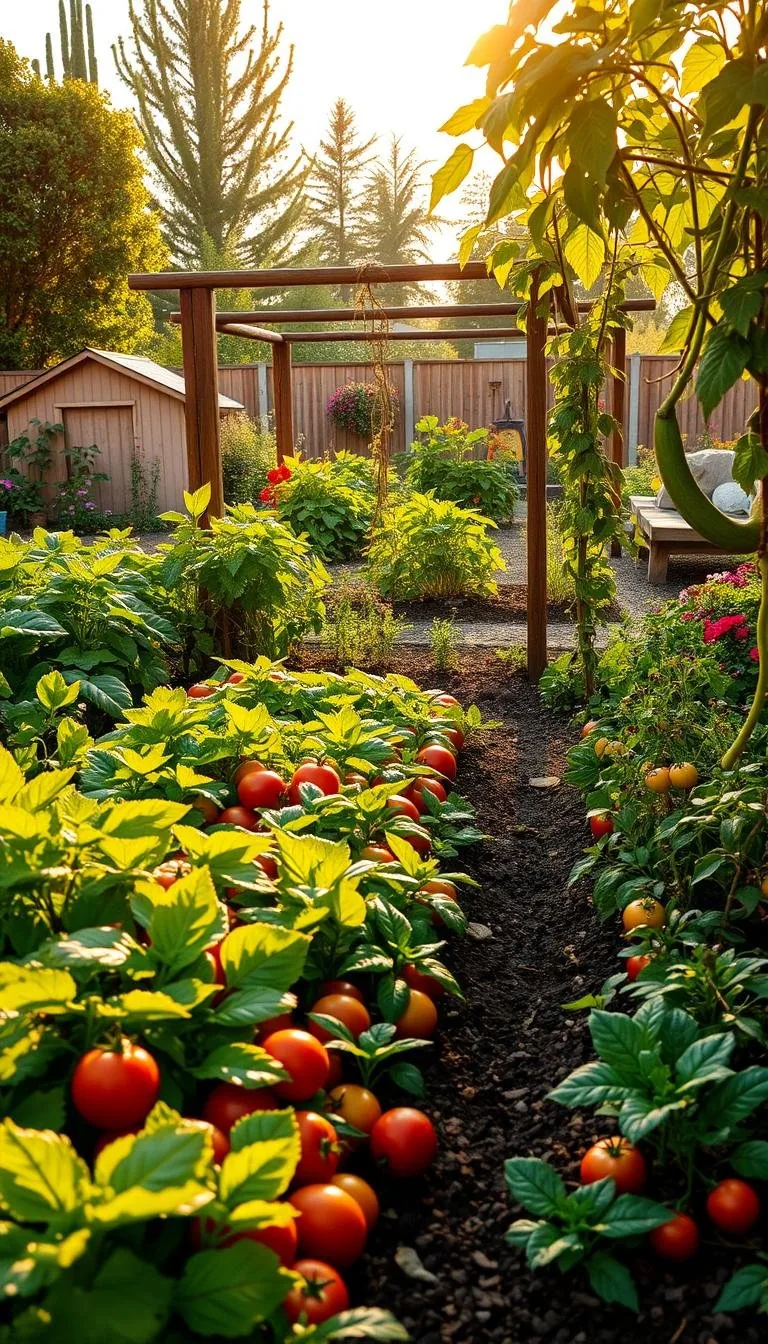
Healthy soil is the foundation of a productive vegetable garden. Feeding the soil with compost and organic matter builds a living, well-drained growing medium that holds water and nutrients, which reduces how much you need to add later. "Organic" gardening centers on this approach and on using the least harmful methods for pests.
This guide covers testing your soil, building it with compost, making your own compost, cover crops, fertilizers and what "organic" does and does not mean. Part of the Grow Your Own Food series.
Test first, then add compost. Work in an inch or two of compost each season, mulch, and feed only what your soil test says. Organic products still need to be used carefully, and "organic" does not automatically mean safer or better.
Step 1: Test your soil
A soil test from your county cooperative extension office tells you pH and major nutrient levels, and often gives specific recommendations. Test every few years. If your site is near an old house, road or industrial area, ask about lead. The EPA recommends avoiding vegetable growing in soil above 400 ppm total lead, and using raised beds with clean soil for higher levels.
Step 2: Add organic matter
| Material | What it does | Notes |
|---|---|---|
| Compost | Adds nutrients and improves structure in sandy and clay soils. | Work an inch or two into beds each season. |
| Shredded leaves | Adds organic matter as it breaks down. | Free and easy in fall. |
| Aged or composted manure | Adds nutrients. | Use only well-composted manure, and follow extension guidance on timing before harvest for crops you eat raw or that touch the soil. Never use pet waste. |
| Cover crops | Protect soil and add organic matter when turned under. | Sow after harvest in fall. Ask your extension office which species fit your region. |
| Mulch | Feeds soil as it decomposes and suppresses weeds. | See Watering and Mulching. |
Make your own compost
| Browns (carbon) | Greens (nitrogen) | Keep out |
|---|---|---|
| Dry leaves, straw, shredded paper and cardboard, wood chips (small amounts) | Vegetable and fruit scraps, coffee grounds, fresh grass clippings, plant trimmings | Meat, bones, dairy, oils, pet waste, diseased plants and weeds with seeds |
- Use roughly two to three parts browns to one part greens by volume.
- Chop or shred large pieces to speed breakdown.
- Keep the pile as damp as a wrung-out sponge.
- Turn it occasionally to add air.
- Finished compost smells earthy and looks like dark crumbly soil. It may take a few months to a year.
The EPA and university extension services publish guides for home composting if you need help troubleshooting odors or slow piles.
Fertilizing the organic way
- Follow the soil test. Adding nutrients you do not need wastes money and can harm plants and waterways.
- Choose organic fertilizers such as compost, blood meal, bone meal, fish emulsion or kelp according to what the test recommends.
- Read labels. Organic fertilizers can burn plants and can carry health risks if mishandled.
- Go easy on nitrogen for fruiting crops, which produce leaves at the expense of fruit if overfed.
Pests and weeds the organic way
Organic gardening favors prevention and barriers before sprays. See Common Vegetable Garden Pests for a step-by-step approach. Even organic-approved pesticides can harm beneficial insects and should be used only when needed and per label.
What "organic" means
| Idea | Reality |
|---|---|
| "Organic means no pesticides." | Organic growers can use certain approved substances. Read labels either way. |
| "Organic produce is more nutritious." | Do not assume it. What matters most is growing conditions and eating enough vegetables, however they are grown. |
| "Homegrown is automatically safe." | Wash produce, use safe soil and handle compost and manure with care. |
A yearly soil-building routine
| Season | Task |
|---|---|
| Fall | Add shredded leaves or compost, sow a cover crop if you like and clean up diseased debris. |
| Early spring | Test soil every few years. Loosen soil and add compost. |
| Growing season | Mulch, water and feed as needed. |
FAQ
What is the best way to improve garden soil?
What can I put in a compost pile?
Is organic gardening better?
Sources and further reading