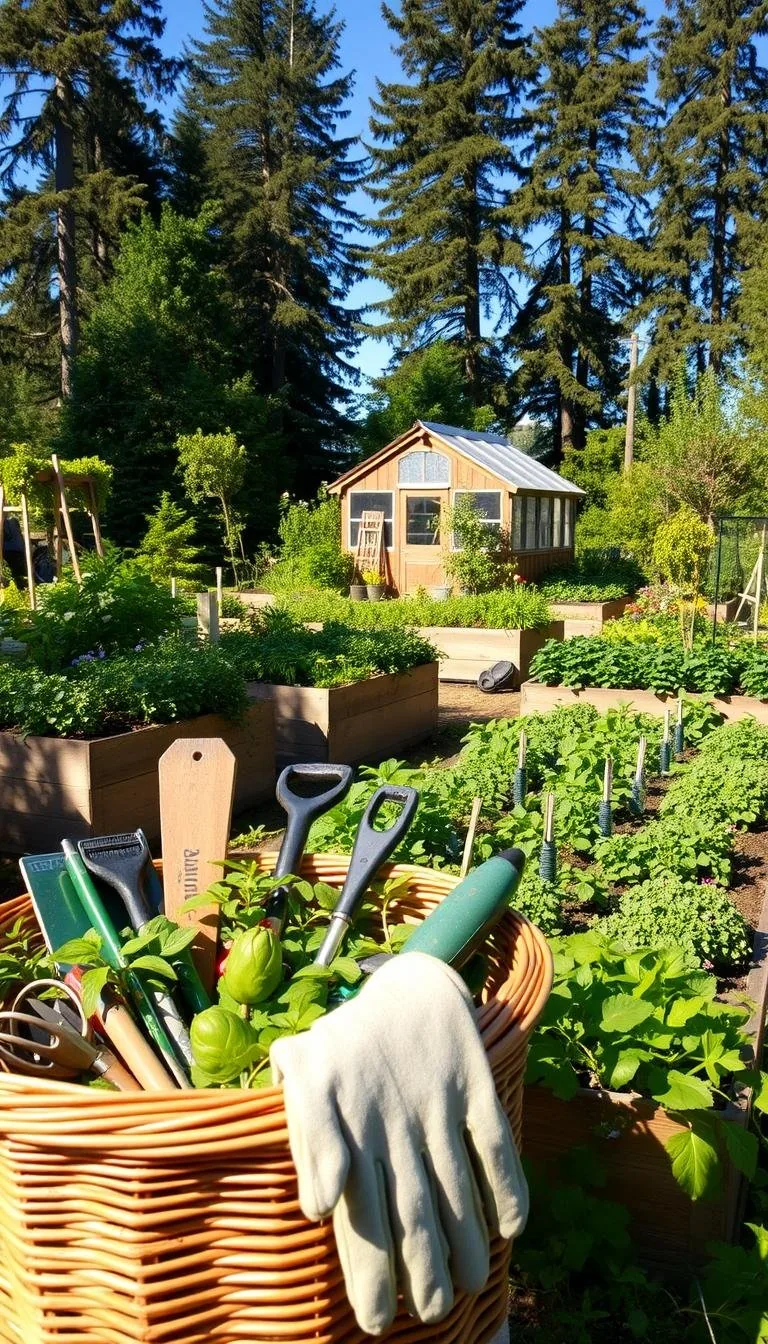
The best first garden is small enough to keep up and simple enough to succeed. A single 4-by-8-foot bed or a few containers can feed a household salads, tomatoes and herbs through the season, and teach you what your yard and schedule can handle.
This guide walks you through the decisions in the order you make them: where to put it, whether the soil is safe, what to plant and when, and what a typical week looks like. It is part of our Grow Your Own Food series.
Choose a spot with at least 6 to 8 hours of direct sun and easy access to water. Start with about 32 square feet or a few containers, test your soil, plant crops you actually eat and water deeply about once a week when rain does not.
Eight steps to a first garden
| Step | What to do | Why it matters |
|---|---|---|
| 1. Pick the spot | Watch your yard for a day. Choose level ground that gets 6 or more hours of sun, ideally near a hose or spigot. | Tomatoes, peppers and other fruiting vegetables need full sun to produce well. A far-away garden is one you will not water. |
| 2. Decide the size | Start with one 4-by-8-foot bed, or three to five large containers. | A small garden gets watered, weeded and harvested. A big one often gets abandoned in July. |
| 3. Check the soil | Get a soil test through your county cooperative extension office. If you live in an older neighborhood or near a busy road or industrial site, also ask about lead. | A test tells you what to add. The EPA recommends against growing vegetables in soil with more than 400 ppm total lead. |
| 4. Prepare the bed | For a raised bed, keep it no more than 4 feet wide so you can reach the middle from both sides. Fill it with a mix of topsoil and compost. | Extension services suggest that one-third to one-half of a raised-bed mix can be native soil, and the rest compost or similar material. |
| 5. Choose 4 to 6 crops | Pick things you cook. See below and 10 Foolproof Veggies You Can Grow. | Food you use is food you keep growing. |
| 6. Time it right | Find your average last frost date and zone, then use a planting calendar. See Vegetable Planting Calendar. | Cool-season crops go in early. Warm-season crops go in after the last frost. |
| 7. Water and mulch | Aim for about 1 inch of water a week, delivered in one or two deep soakings. Add 1 to 3 inches of mulch. | Deep watering builds roots, and mulch helps hold moisture and limit weeds. |
| 8. Check weekly | Walk the garden, pick, water, weed and look for pests. | Small problems are easy to fix. |
What to plant in your first 32 square feet
This sample plan uses a 4-by-8-foot raised bed. Spacing varies by variety, so follow the seed packet or plant tag. Treat this as a starting idea, not a rule.
| Section of the bed | Crop | Notes |
|---|---|---|
| Back edge (north side) | 2 tomato plants with cages or stakes | Tall plants go on the north so they do not shade the others. |
| Middle | Peppers and a row of bush beans | Warm-season crops planted after the last frost. |
| Front edge | Leaf lettuce, radishes and a few herbs | Quick crops you can harvest often. Sow lettuce and radishes every couple of weeks. |
| One corner or a nearby pot | 1 zucchini or cucumber | These spread, so give them room or a trellis. |
The first eight weeks
| Week | Focus |
|---|---|
| Before you start | Get the soil test, choose the spot and buy seeds or transplants. |
| 1 to 2 | Build or fill the bed. Sow cool-season seeds, such as lettuce, radishes and peas, if it is early enough in your area. |
| 3 to 4 | Plant warm-season transplants after the last frost. Add mulch. |
| 5 to 6 | Water deeply, weed and add supports for tomatoes and beans. Start harvesting greens and radishes. |
| 7 to 8 | Sow another round of lettuce or beans, watch for pests and harvest what is ready. |
Safe gardening basics
- Lead: if a soil test finds elevated lead, use raised beds or containers with clean soil, and wash and peel produce. Fruiting crops such as tomatoes and peppers are less likely to take up lead than leafy greens and root vegetables.
- Wood for raised beds: see the raised bed guide for what extension services say about lumber.
- Hands and produce: wash your hands after gardening, and rinse produce before eating.
What a beginner can expect
Expect some losses. Seeds fail, pests show up and weather surprises everyone. Keep a short garden notebook: what you planted, when, and what worked. By your second season, you will have a plan that fits your yard. For common problems, see Beginner Vegetable Garden Mistakes.
FAQ
How much sun does a vegetable garden need?
How big should a beginner garden be?
Do I need to test my soil?
When should I plant?
Sources and further reading