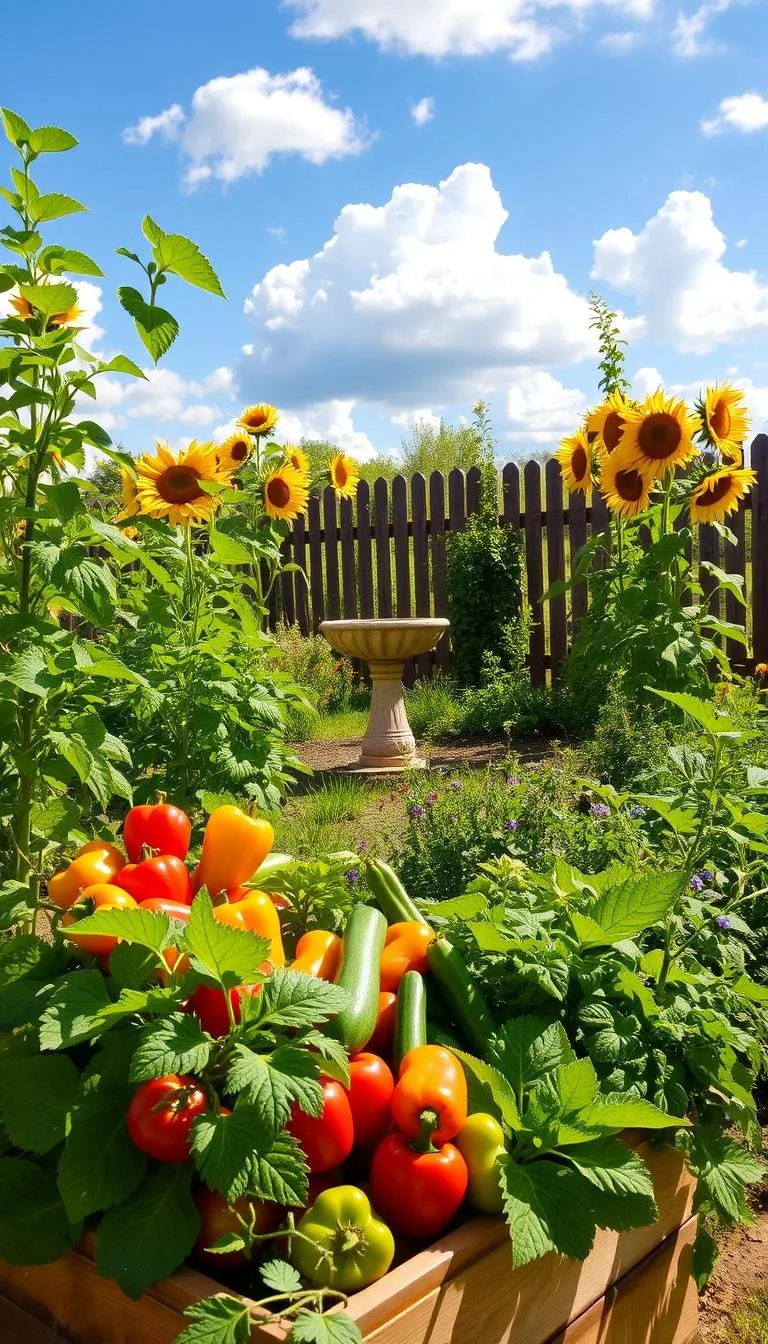
A garden works best when it grows what you already cook. Rows of kohlrabi look impressive in June and end up in the compost in August if your family will not eat them. Planning from your kitchen, not the seed catalog, keeps the garden useful and the harvest on the table.
This guide shows how to turn your weekly meals into a planting list, with crop sets for common ways of cooking and links to related recipes and meal ideas on VitalLifeTips. Part of the Grow Your Own Food series.
Write down the ten meals you cook most, circle the vegetables and herbs they use, and pick four to six that are easy to grow. Grow what you eat, in amounts you will actually use.
Plan your garden from your kitchen: four steps
- List your regular meals. Think about lunches, weeknight dinners and snacks.
- Circle fresh ingredients you buy every week, such as salad greens, tomatoes, herbs and peppers.
- Check what is realistic. Some ingredients grow easily at home, and others do not.
- Choose four to six crops and plan when you will harvest and use them.
Crop sets by the way you cook
| Style of cooking | Grow | Use in |
|---|---|---|
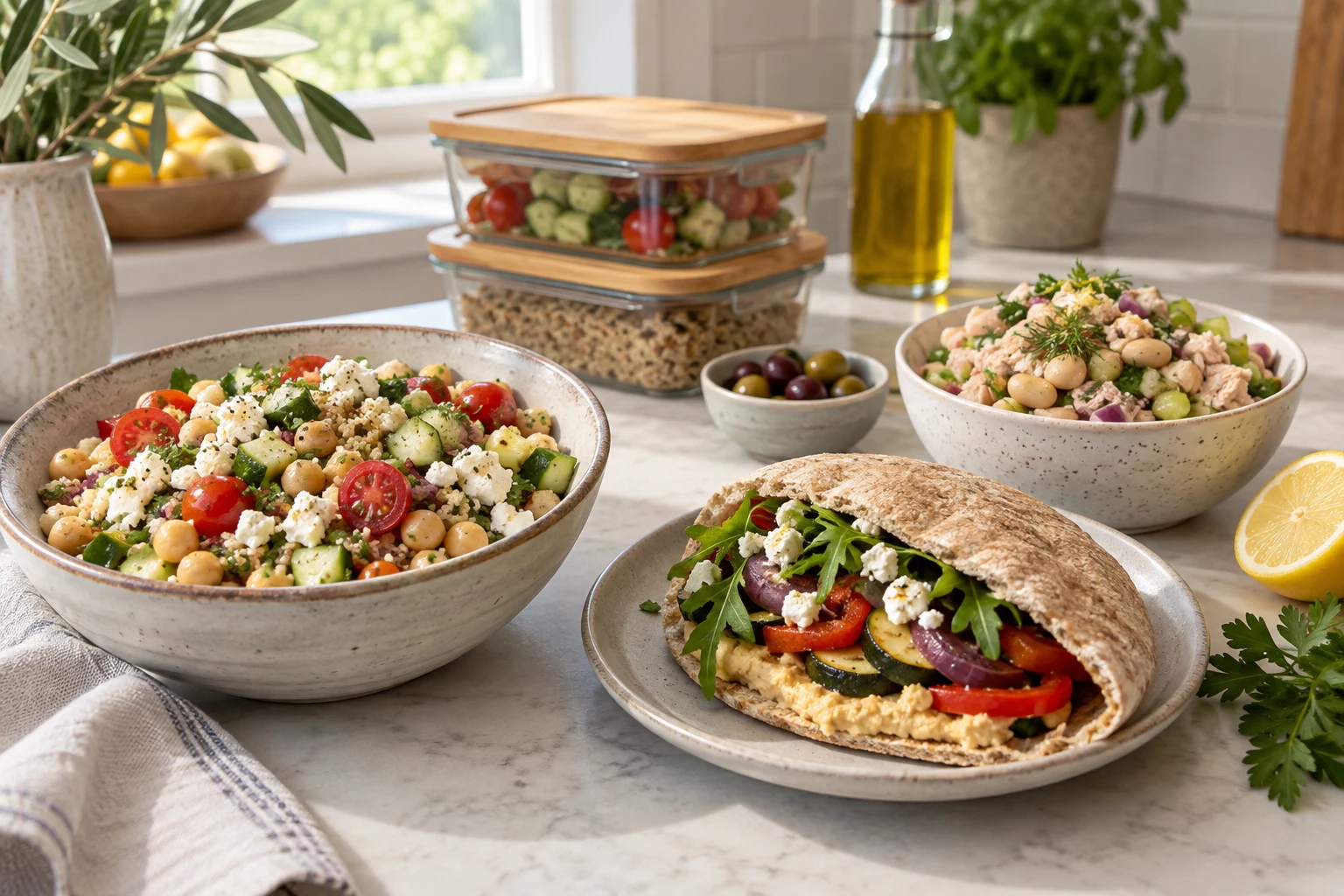
| Mediterranean | Tomatoes, zucchini, peppers, eggplant, basil, oregano, parsley, arugula | Grain bowls, roasted vegetables, pasta and salads. See Easy Mediterranean Lunches for Busy Weekdays and Easy Mediterranean Dinners. |
| Salad and lunch bowls | Leaf lettuce, cucumbers, cherry tomatoes, radishes, green onions, herbs | Everyday salads and sandwiches. |
| Weeknight stir-fries | Snap peas, peppers, bush beans, kale or chard, green onions, garlic chives | Quick skillet dinners with rice or noodles. |
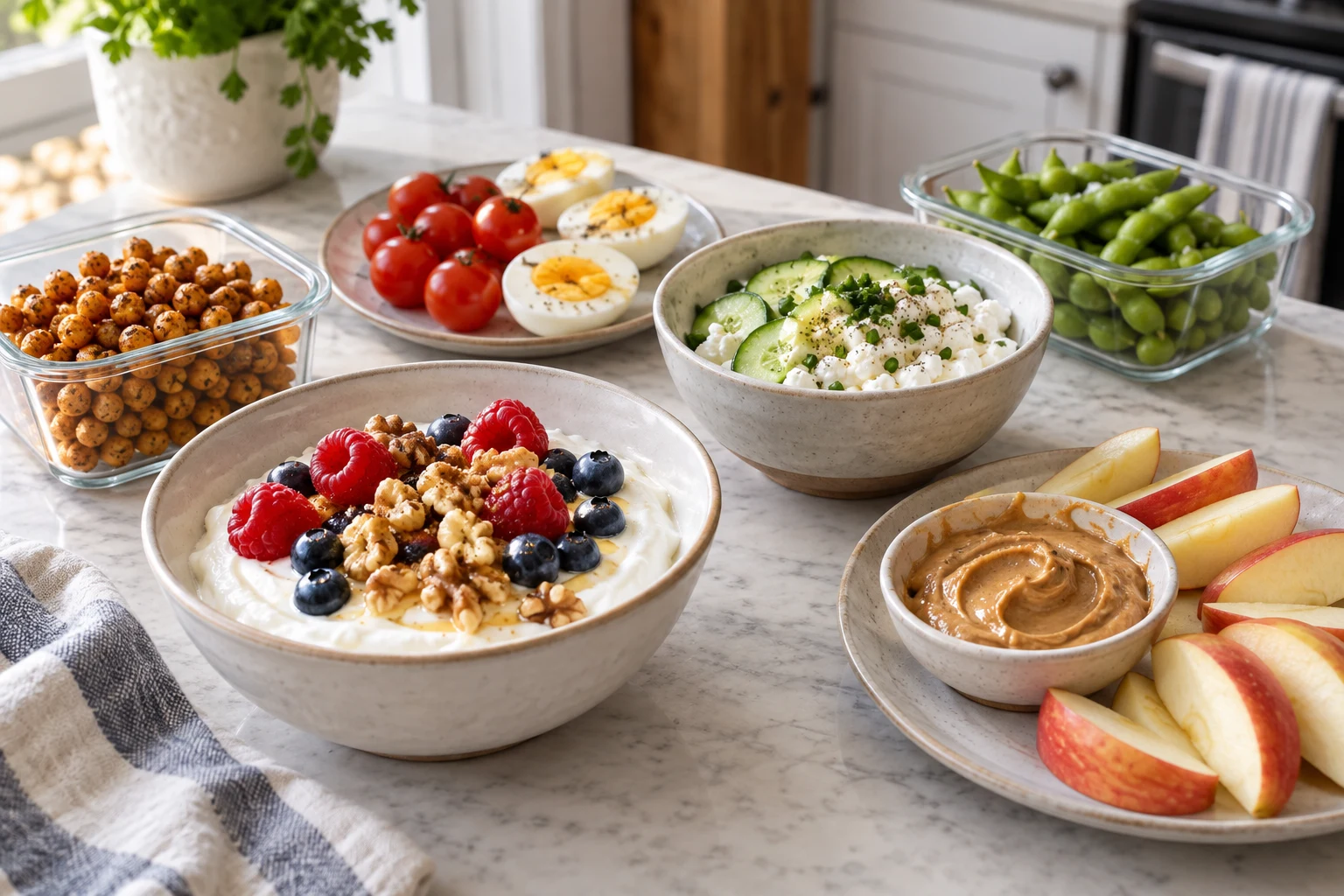
| Soups and stews | Kale, chard, carrots, onions, herbs (thyme, parsley), tomatoes | Batch cooking. See High-Protein Snacks for snack ideas. |
| Salsa and tacos | Tomatoes, hot and sweet peppers, cilantro, green onions | Fresh salsas and toppings. |
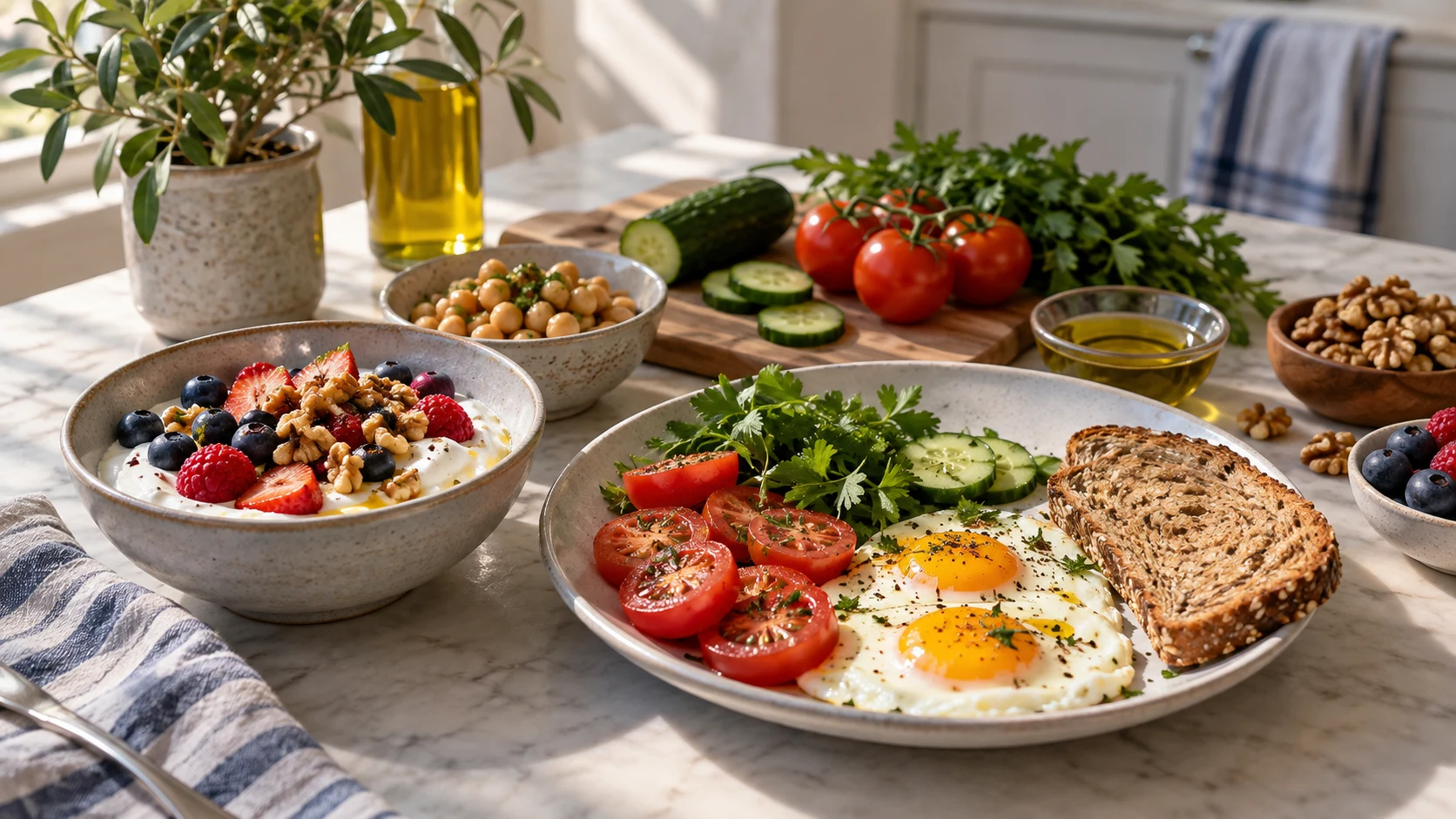
| Breakfast | Herbs, peppers, tomatoes and greens for eggs, scrambles and toasts | See High-Protein Mediterranean Breakfast Ideas. |
How much to plant
Guessing is normal at first. As a starting point, most households do well with two tomato plants, one or two zucchini, a few pepper plants, a couple of rows of greens and several herb plants. Many crops give you more than you can eat at once, so plan how to use a surplus:
| Crop | If you have extra |
|---|---|
| Tomatoes | Roast and freeze, or cook into a sauce. |
| Zucchini | Grate and freeze for baking, or add to eggs and pasta. |
| Herbs | Freeze chopped in olive oil in ice-cube trays, or dry. |
| Greens | Blanch and freeze, or share with neighbors. |
| Beans | Blanch and freeze. |
For safe canning and preserving, follow tested recipes from a trusted source such as your state cooperative extension or the National Center for Home Food Preservation.
Harvest to plate: a few ideas
- Simple tomato salad: chopped tomatoes, cucumbers, red onion, olive oil, lemon or vinegar and herbs.
- Sheet-pan vegetables: zucchini, peppers and onions roasted with olive oil and served with beans or grilled chicken.
- Greens with eggs: sauté kale or chard with garlic and top with a fried egg.
- Herb sauce: blend parsley or basil with olive oil, garlic, lemon and nuts.
Wash all produce before eating, and store harvested vegetables promptly.
What to skip in your first year
- Crops your household does not like.
- Vegetables that need lots of space, such as melons and sweet corn.
- Anything you can buy cheaply and easily and would not miss, such as potatoes and storage onions.
A week of meals from a small garden
| Day | Meal | From the garden |
|---|---|---|
| Monday | Big salad with beans or chicken | Lettuce, cucumbers, cherry tomatoes, green onions |
| Tuesday | Pasta with fresh tomato sauce | Tomatoes, basil, garlic chives |
| Wednesday | Sheet-pan chicken or tofu with vegetables | Zucchini, peppers, thyme |
| Thursday | Kale and white bean soup | Kale, herbs |
| Friday | Eggs and greens for a quick dinner | Chard or spinach, chives |
Cooking from the garden is more flexible than a fixed menu. Look at what is ready, then decide what to make.
What is ready when
| Time of year (typical) | What you may be picking |
|---|---|
| Spring | Radishes, lettuce, spinach, peas, green onions, chives |
| Early summer | Zucchini, herbs, snap beans, early cucumbers |
| Midsummer | Tomatoes, peppers, cucumbers, eggplant, basil |
| Fall | Kale, chard, lettuce, radishes, late peppers |
Timing varies by region and planting date. See Vegetable Planting Calendar.
Making harvests easy to use
- Keep a wash basin or colander by the door, and rinse produce soon after picking.
- Harvest in the cool morning when you can.
- Store tomatoes at room temperature, and leafy greens in the refrigerator.
- Cook or freeze anything that will not keep before it goes soft.
FAQ
What vegetables should I grow first?
How do I avoid growing too much?
Is it cheaper to grow my own vegetables?
Sources and further reading