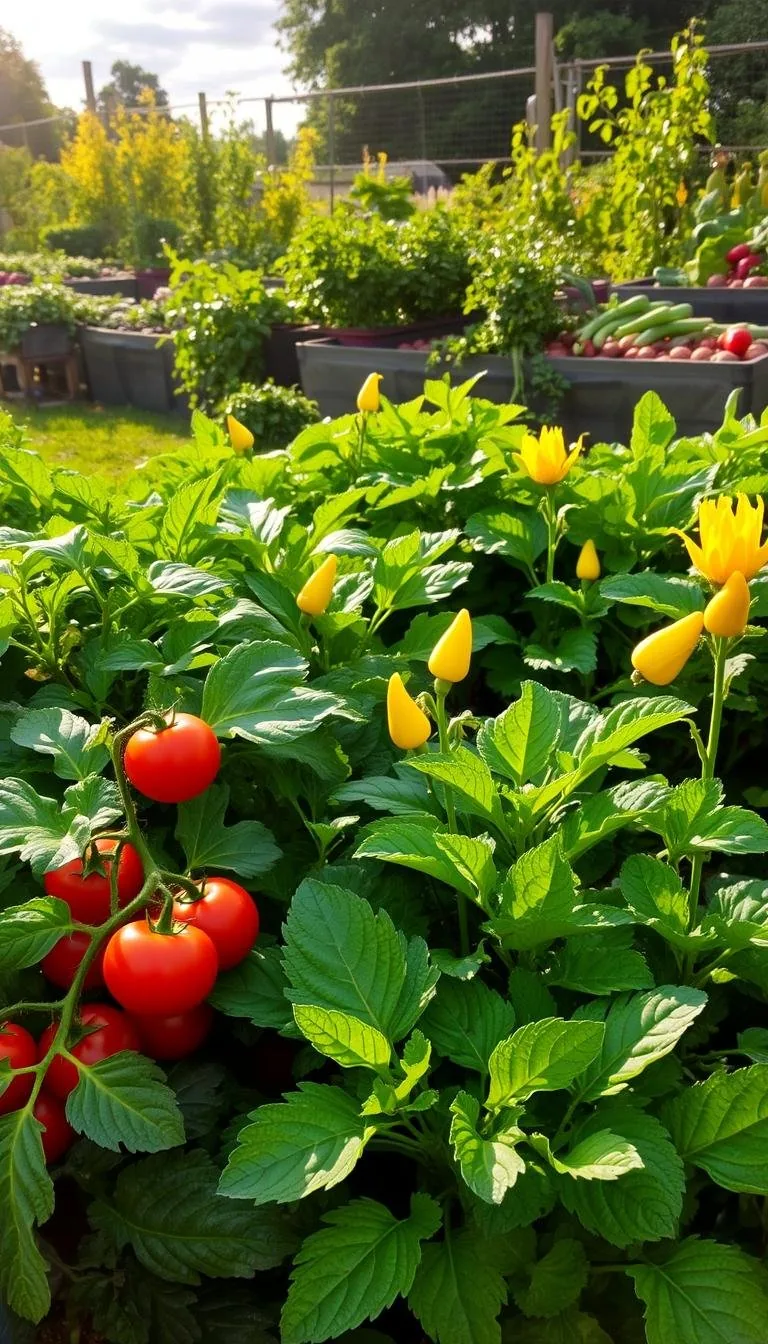
Some vegetables forgive almost everything: uneven watering, imperfect soil, forgetting to thin. These ten are the ones most beginners can grow successfully in a sunny yard or in containers, and most of them give you food within a couple of months.
Each entry includes when to plant it, roughly how long it takes and the one thing most likely to go wrong. Days to harvest are typical seed-packet ranges, so check the variety you buy. For the full beginner walkthrough, start with Your First Garden.
Mix cool-season crops (radishes, lettuce, peas, kale) planted early with warm-season crops (bush beans, zucchini, cucumbers, cherry tomatoes) planted after your last frost. Start with five or six, not ten.
Ten foolproof vegetables
| Vegetable | Season | Start from | Typical time to harvest | Watch out for |
|---|---|---|---|---|
| Radishes | Cool | Seed | About 3 to 5 weeks | Getting woody in heat. Sow again every couple of weeks in cool weather. |
| Leaf lettuce | Cool | Seed or transplant | About 4 to 8 weeks | Bolting (going to seed) when hot. Give afternoon shade in summer. |
| Peas (snap or snow) | Cool | Seed | About 8 to 10 weeks | They stop setting pods above about 85°F. Plant early and add a trellis. |
| Kale or Swiss chard | Cool, tolerates heat | Seed or transplant | About 6 to 10 weeks | Cabbage worms on kale. Row cover helps. |
| Green onions | Cool | Seed or sets | About 8 to 10 weeks | Crowding. Thin as they grow. |
| Bush beans | Warm | Seed | About 8 to 10 weeks | Sowing too early in cold soil. Wait until after the last frost. |
| Zucchini or summer squash | Warm | Seed or transplant | About 6 to 9 weeks | Space hogs. One or two plants is plenty. |
| Cucumbers | Warm | Seed or transplant | About 8 to 10 weeks | Uneven watering causes bitterness. Trellis to save space. |
| Cherry tomatoes | Warm | Transplant | About 8 to 12 weeks after transplanting | Planting before the last frost. Support with a cage or stake. |
| Herbs (basil, chives, parsley) | Varies | Transplant or seed | A few weeks for first cuttings | Basil is tender to cold. Plant after frost. |
Timing depends on your region and variety. See the planting calendar for how to match crops to your last frost date.
Cool-season or warm-season?
Cool-season crops grow best when average temperatures are roughly 55°F to 75°F and tolerate light frosts, so they are the first things you plant. Warm-season crops prefer long, hot days and must go in after the last frost. Extension services group beans, cucumbers, eggplant, peppers, tomatoes and squash among the warm-season crops, and lettuce, peas, spinach, kale, radishes and carrots among the cool-season ones.
How to pick your first five
- Start with what you eat weekly. Salads, stir-fries and pasta sauces point to lettuce, green onions and tomatoes. See Vegetables to Grow for the Way You Cook.
- Mix quick and slow. Radishes and lettuce give you early wins while tomatoes ripen.
- Consider your space. Cucumbers, peas and pole beans can climb, and zucchini needs room. See Grow More Veggies in Less Space.
- Buy transplants for slow crops such as tomatoes. Sow fast crops from seed.
Why carrots, onions and broccoli are not on this list
They are wonderful, but less forgiving for beginners. Carrots need loose, stone-free soil and steady moisture to germinate. Bulb onions need long days and a long season. Broccoli needs cool weather and protection from cabbage worms. Try them in your second year once you have a routine.
Common beginner problems
| Problem | Likely cause | Fix |
|---|---|---|
| Seeds do not come up | Too cold, too deep or dried out | Sow at the depth on the packet and keep the top inch moist. |
| Lettuce turns bitter and tall | Heat | Plant earlier, add shade and choose heat-tolerant varieties. |
| Lots of leaves but no tomatoes | Too little sun or too much nitrogen | Make sure plants get 6 to 8 hours of sun and avoid heavy nitrogen feeding. |
| Holes in leaves | Insects such as flea beetles or caterpillars | Hand-pick and use row covers. See Common Vegetable Garden Pests. |
FAQ
What is the easiest vegetable to grow?
Can I grow these in containers?
How much space do I need?
Sources and further reading