Starting a vegetable garden is easy. Even if you're new, easy vegetables to grow can do well with little effort. This guide will show you how to grow effortless gardening vegetables like lettuce, radishes, and beans. They can turn your backyard or balcony into a productive space.
Gardening at home gives you fresh produce, saves money, and brings joy. This article will guide you on choosing plants, tools, and methods that fit your lifestyle. Whether you have a yard or just a windowsill, you can start small and succeed.
Don't believe the myth that gardening needs expertise. With the right plants and basics like pots or soil, you'll enjoy homegrown veggies soon. Let's make your first harvest easy and rewarding.
Benefits of Growing Your Own Vegetables
Gardening is more than a hobby; it's good for your health and wallet. Stress-free vegetable cultivation brings fresh produce right to your door. It also makes life simpler. Let's see why growing your own veggies is a smart choice.

Healthier Eating Options
Home gardens mean you know what you're eating. Simple to grow plants like greens or herbs are free from pesticides. You control the growing process, so you know your food's quality. Fresh veggies are packed with vitamins, making every bite healthier.
Cost Savings
- A single tomato plant can yield 10+ pounds of fruit—often for less than a single store-bought pound.
- Growing simple to grow plants cuts grocery bills by 30–50% annually for many households.
Spending a few dollars on seeds can lead to big savings over time.
Freshness and Flavor
Supermarket veggies often travel far, losing their crispness and taste. But garden-fresh produce, picked at the peak, offers unmatched flavor. Imagine enjoying salads with crisp lettuce or sweet peas right from the sun. This is the joy of stress-free vegetable cultivation.
Essential Tools for Beginner Gardeners
Starting with the right tools is key to growing beginner garden vegetables. Even with little space or money, simple tools make hassle-free vegetable gardening possible. Here's what you really need to start.
Basic Gardening Supplies
A few important items can do most of the work:
- Garden gloves keep your hands safe while you plant or weed.
- A strong trowel and pruners help with digging and trimming.
- A watering can or hose nozzle makes sure plants get enough water.
- A garden fork helps loosen soil for better root growth.

Recommended Tools for Small Spaces
Urban gardeners do well with tools that save space:
- Vertical planters use wall or fence space well.
- Hanging baskets are great for herbs or cherry tomatoes.
- Compact soaker hoses save water in small areas.
"Quality tools last years, turning gardening into a joyful routine," says the National Gardening Association.
Start with the basics—expensive gadgets aren't needed. A simple toolkit and smart choices for small spaces let anyone grow fresh veggies easily. Focus on what works best, not fancy tools, to keep gardening simple and fun.
Best Easy Vegetables for Beginners

Starting with the right crops is key for new gardeners. These easy vegetables to grow need little care but offer great rewards:
Lettuce
Try Black Seeded Simpson for quick growth in cool weather. Plant seeds every two weeks for a constant supply. Tip: Use mulch to shade roots and prevent bitterness.
- Spacing: 6–8 inches apart
- Water: Keep soil moist but not soggy
- Harvest outer leaves for continuous growth
Radishes
Radishes grow fast, maturing in 21–28 days. Cherry Belle types handle heat well. Plant seeds in sunny spots with loose soil.
"Radishes push through soil faster than weeds—perfect for building gardening confidence." – Organic Gardening Magazine
Green Beans
Bush varieties like Provider don't need support, while pole beans like Blue Lake need trellises. Both love full sun and well-drained soil.
Wait until soil warms to 60°F to plant. Water at soil level to avoid mildew. Harvest beans when pods are crisp and firm.
These beginner-friendly vegetables pay off with fresh produce in 6–10 weeks. Start small—try one variety per season. This helps build skills without feeling overwhelmed.
Planning Your Vegetable Garden Layout
Designing your garden starts with matching your space and schedule. Whether you garden in a small apartment or a backyard, these tips help. They make growing low maintenance veggies and quick-growing produce easy.

Container Gardening
Pots and planters are perfect for small spaces. Use 5-gallon containers for herbs like basil or cherry tomatoes. Make sure they have drainage holes and use well-draining soil.
Pro tip: Rotate plants seasonally to avoid soil burn.
- Choose compact varieties (e.g., patio tomatoes)
- Group containers for consistent watering
Raised Beds
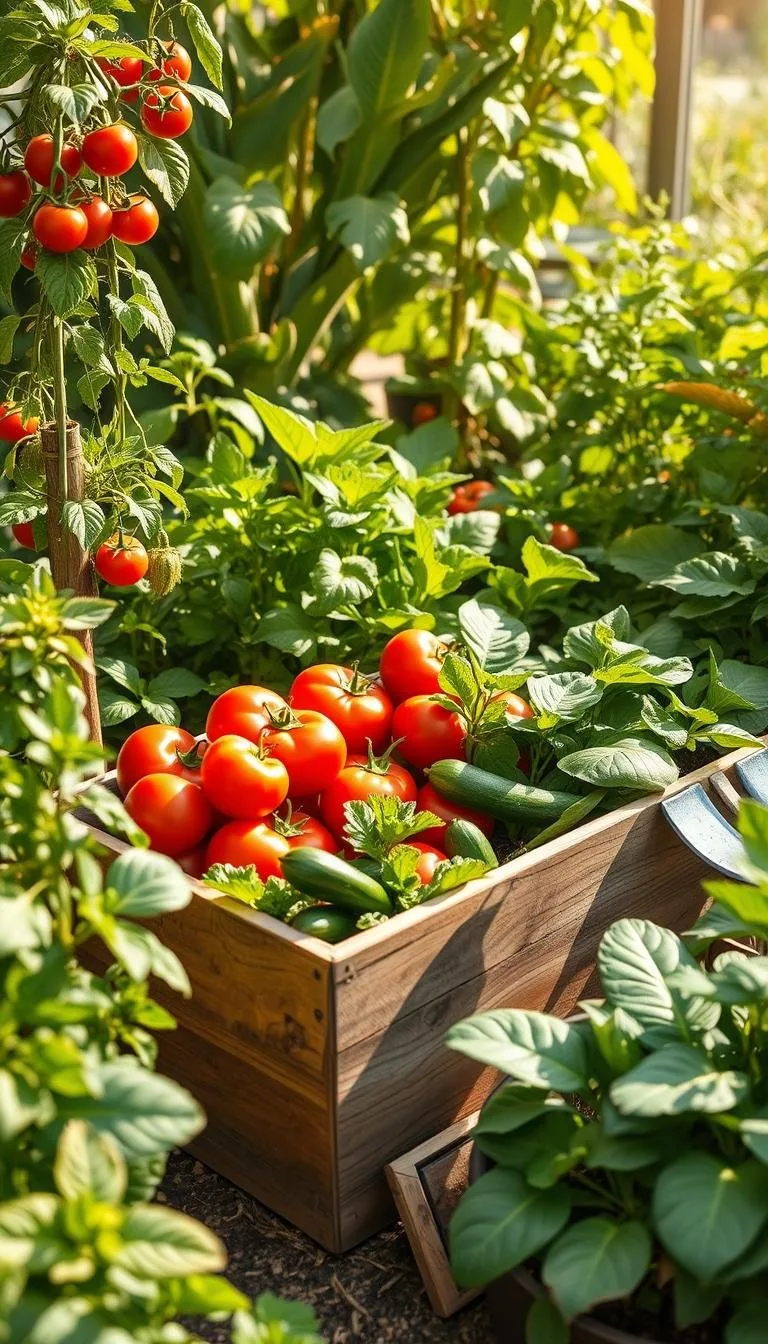
Raised beds save back strain and improve soil drainage. They're great for quick-growing produce like carrots or leafy greens. Build beds 8–12 inches high with untreated wood.
Fill them with a mix of compost and garden soil for the best growth.
Traditional Row Gardening
In-ground rows are best for sprawling plants like zucchini or beans. Space rows 18–24 inches apart for sunlight. Mark rows with stakes to keep spacing right.
“Rows let roots spread freely, but mulch paths to reduce weeds.”
Combine these methods to fit your needs. Start small, adapt as you learn, and enjoy fresh harvests without hassle.
Understanding Your Growing Zone
Before you start planting beginner garden vegetables, it's key to know your climate zone. This knowledge helps with stress-free vegetable cultivation. Your USDA hardiness zone tells you which plants will do well and when to plant seeds. Start by checking the USDA Plant Hardiness Zone Map to find your area. This step saves you from planting crops that won't survive your local weather.

USDA Zones: Your Planting Blueprint
Here's how to figure out your zone:
- Use your ZIP code at USDA’s official site to find your zone.
- Match your zone number with seed packets or nursery tags for compatible zones.
- Adjust planting dates for your area's frost dates.
Microclimates: Hidden Garden Hotspots
“A south-facing wall can add 1-2 USDA zones of warmth for your plants.”
Look for natural heat pockets like sunny patios or south-facing walls. These spots can extend the growing season for plants like tomatoes. On the other hand, shaded areas protect cool-weather veggies like lettuce from the summer heat. Watch your yard's shadow patterns and temperature changes to find these "micro-zones."
By combining zone knowledge with microclimate awareness, you can create a garden that works with your local climate. This approach reduces frustration and increases your harvest from the start.
Soil Preparation and Enhancement
Healthy soil is key to growing simple to grow plants easily. It makes effortless gardening vegetables flourish. Begin by testing and improving your soil.
Testing Your Soil
Start with a soil test to check pH and nutrients. Use DIY kits like TestFix or send samples to local labs. Adjust pH with lime or sulfur based on the test.
Adding Organic Matter
Make soil richer with compost, manure, or leaf mold. Mix 2–3 inches into garden beds. For pots, add compost on top to keep moisture in. This improves soil health, making effortless gardening vegetables simpler to grow.
Pests and Weeds Management
Mulch with straw or wood chips to stop weeds. Use marigolds or basil to keep pests away. Pull weeds early and use neem oil for pest control. This saves time and keeps your garden productive.
Watering Techniques for Vegetable Gardens
Learning to water is essential for a hassle-free vegetable garden. The right methods help beginner-friendly vegetables like lettuce and radishes grow well. By adjusting to each plant's needs, your garden stays productive and stress-free.
“Watering consistency turns gardens from struggling to thriving,” says the USDA Plant Hardiness Zone guide.
Importance of Consistent Watering
Plants need steady moisture to absorb nutrients. Seedlings need gentle, frequent watering to avoid shock. Mature plants prefer deep watering once a week to promote deep roots.
Check soil moisture by poking 1–2 inches below the surface—if dry, water right away. Wilting leaves mean drought, while yellow leaves might mean too much water. Watering in the early morning reduces evaporation and disease risks.
Irrigation Systems vs. Hand Watering
Choose methods that fit your schedule and space:
- Irrigation systems: Drip lines or soaker hoses automate watering, great for busy gardeners. Set timers for water delivery directly to roots, saving time and water.
- Hand watering: Best for small plots. Use a gentle spray nozzle to avoid soil compaction. It's perfect for daily plant checks.
In dry climates, mulch around plants to keep moisture in. Regular soil checks ensure optimal growth. With consistent care, even beginners can become gardening experts!

Companion Planting for Success
Get bigger harvests with low maintenance veggies by pairing them up. This method makes your garden healthier without extra effort.
What is Companion Planting?
Plants work together through roots, scent, and growth. The Native American “Three Sisters”—corn, beans, and squash—show how. Corn gives stalks for beans, squash shades the soil, and beans add nitrogen.
Benefits of Planting Together
- Quick-growing produce like radishes break soil for slower veggies
- Marigolds release chemicals that repel harmful bugs
- Basil near tomatoes improves flavor and deters pests
Try these combos:
“Pair carrots with onions to confuse pests and maximize space.”
Start small: plant lettuce around tomato bases for shade, or grow peas with cucumbers. These partnerships reduce weeding and watering while increasing yields. No fancy tools needed—just smart pairings!
Seasonal Planting Guide for Easy Vegetables
Planting easy vegetables to grow at the right time boosts harvests and enjoyment. Follow these tips to keep gardens productive all year.
Spring Planting Suggestions
- Peas thrive in cool soil; sow seeds 4-6 weeks before last frost.
- Spinach and carrots grow quickly in spring. Thin seedlings for better results.
- Beets and radishes reseed well—plant every two weeks for continuous harvest.
Fall Harvest Ideas
Cool weather enhances flavors of simple to grow plants like kale and Brussels sprouts. Start these crops in midsummer:
- Kale and broccoli planted in July mature by autumn.
- Carrots and beets sown in August yield sweet roots in fall.
- Protect late crops with row covers to extend the growing season.
Year-Round Gardening Tips
Keep growing beyond summer with these strategies:
- Use cold frames or cloches to shield plants from winter cold.
- Indoor setups let herbs like basil or microgreens grow all winter.
- Check USDA zone maps to adjust planting dates—visit USDA Zone Finder for local guidance.
Seasonal planting turns gardens into year-round food factories. Start small, track progress, and enjoy the rewards of fresh produce every month.
Troubleshooting Common Vegetable Growing Issues
Even the most experienced gardeners face challenges. But with these simple strategies, you can keep your effortless gardening vegetables thriving through any setback. Let’s tackle the most frequent issues beginners encounter.
Pest Problems and Solutions
Aphids or slugs nibbling your plants? Spot them early by checking leaves daily. Spray a mix of water and dish soap for soft-bodied pests, or set up copper tape to block slugs. Encourage ladybugs—they feast on aphids and boost stress-free vegetable cultivation without chemicals.
Addressing Nutrient Deficiencies
Yellow leaves? That’s often a nitrogen shortage. Sprinkle coffee grounds or use compost tea to restore color. Brown leaf edges? Add Epsom salt for magnesium. A soil test kit helps identify needs, making fixes quick and easy.
Dealing with Weather Changes
Extreme heat? Shade cloth protects plants from sunburn. Frost threatens seedlings? Cover them with old sheets overnight. Improve drainage with raised beds to avoid root rot after heavy rains. Preparation keeps plants safe year-round.
Gardening’s ups and downs are part of the journey. By learning as you go, you’ll build skills that turn challenges into manageable steps. Remember, every problem has a solution that fits effortless gardening vegetables, so stay curious and keep growing!