Gardening at home is rewarding. It lets you enjoy fresh produce and connect with nature. Growing your own veggies offers many benefits, like healthier meals and less carbon footprint.

Find vegetable gardening tips for any space. This guide helps you pick the best crops and start growing. You'll learn how to harvest tasty results. Growing your own food is simpler than you might think. Every garden, big or small, counts.

Benefits of Growing Your Own Vegetables

Discover the joys of growing your own vegetables. It's more than just a hobby; it's a way to improve your health and care for the environment. Vegetables To Grow at home bring many benefits that you can enjoy every day. Start experiencing these advantages now!

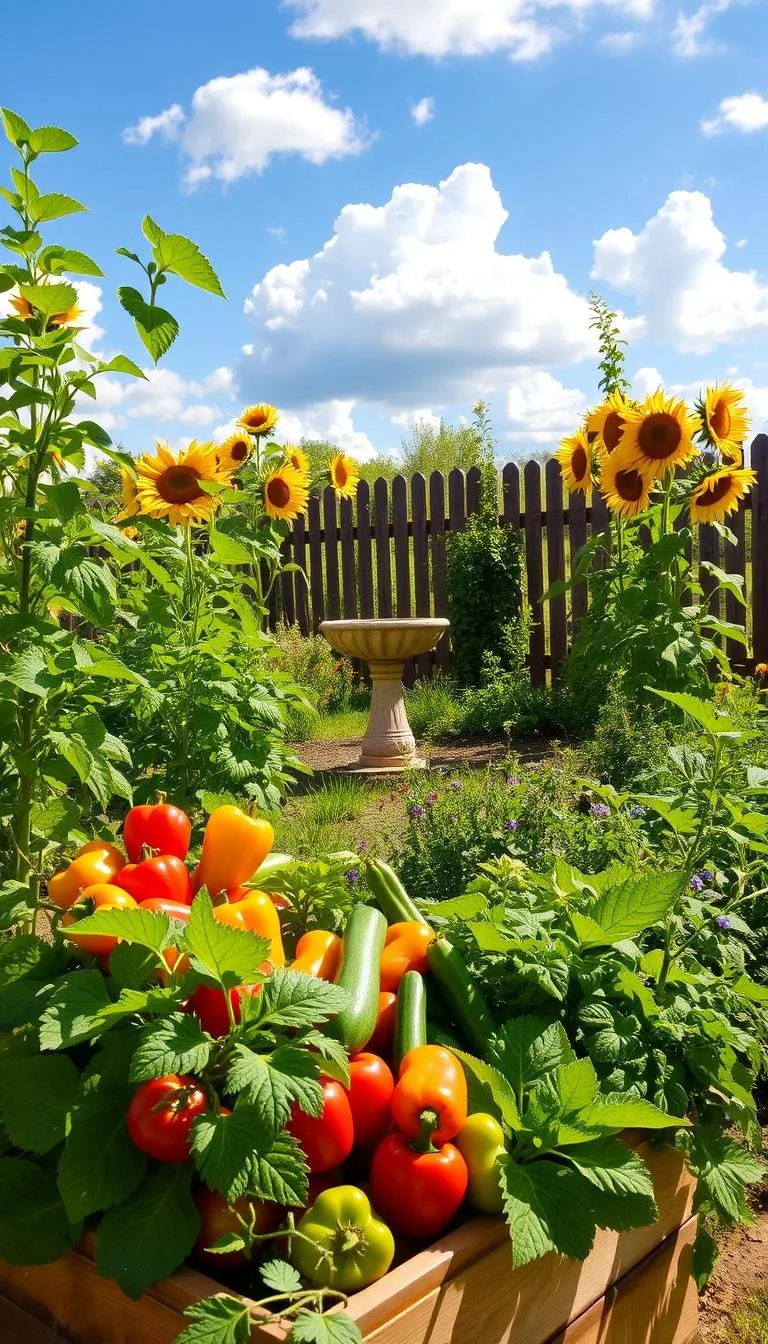
A vibrant vegetable garden with lush, verdant foliage basking in warm, golden sunlight. In the foreground, a selection of fresh, glistening produce - tomatoes, carrots, leafy greens, and more - arranged artfully. The middle ground showcases a cozy wooden garden shed, its weathered planks a testament to the hard work and dedication of the gardener. In the background, a backdrop of rolling hills and a cloudless sky, conveying a sense of tranquility and abundance. The scene exudes a feeling of fulfillment, health, and the joy of cultivating one's own nourishing ingredients.

Health Perks of Fresh Produce

Vegetables from your garden are packed with nutrients. For example, homegrown spinach has twice as much iron as store-bought spinach. Kids who grow their own carrots or peas eat 30% more veggies, studies show.

When you grow your own food, it travels less distance to your plate. This means more nutrients stay in your food.

Environmental Impact

A small garden, just 200 square feet, can cut carbon emissions like driving 100 miles less each year. By avoiding plastic packaging, you can reduce waste by 90%. Using compost from kitchen scraps is a smart move that also cuts down on landfill waste.

Cost Savings Over Time

Starting with basic How To Grow Vegetables can save you money quickly. A $2 seed pack of tomatoes can grow into $50+ worth of tomatoes. Over five years, gardeners can save up to $1,500 compared to buying produce at the store.

Once you start, your garden will keep growing with just a little care and basic supplies.

Choosing the Right Vegetables for Your Space

First, figure out how much space you have. This will help you choose the right plants. Whether you have a balcony or a backyard, picking the right plants is key to success. Let's explore how to match your space with the best plants.

A small container garden overflowing with vibrant, fresh vegetables. In the foreground, a rustic wooden planter box houses a variety of thriving greens, herbs, and tomatoes, bathed in warm, natural lighting. The middle ground features a mix of colorful peppers, zucchini, and eggplants cascading from additional planters. In the background, a lush, verdant backdrop of leafy foliage sets the scene, creating a serene, inviting atmosphere. The overall composition conveys a sense of abundance, productivity, and the joy of cultivating one's own nourishing produce, even in limited urban spaces.

Container Gardening vs. In-Ground Beds

Containers are great for saving space but need good drainage. How To Grow Vegetables in pots? Choose compact varieties. Cherry tomatoes, peppers, and herbs do well in small spaces.

In-ground beds are better for plants that need more room. Carrots, potatoes, and squash love to spread out. Use pots for leafy greens like lettuce or spinach.

Seasonal Considerations

Seasons affect what grows best. Check your USDA hardiness zone for planting times. In cold climates, kale and broccoli are top picks. For warmer areas, try eggplant or okra.

Adjust planting dates based on local frost dates from the National Gardening Association.

Space Requirements for Different Vegetables

Choose plants that fit your space. Bush beans need 6–12 inches, while corn needs 2–3 feet between stalks. Use vertical stakes for peas or trellises for cucumbers to save space.

Let the Best Vegetables To Grow guide your spacing. Radishes take little room, but pumpkins spread out.

“Crowding plants leads to disease. Always read seed packets for spacing tips.”

By choosing plants that fit your space and climate, you'll increase your harvest. Start small and grow as you get more confident. Your garden's success begins with smart choices.

Must-Grow Vegetables for Beginners

Starting a garden doesn't have to be hard. These beginner vegetables to grow are reliable and rewarding. They thrive in different conditions and need little daily care.

A bountiful vegetable garden, overflowing with vibrant, easy-to-grow produce suitable for beginner gardeners. In the foreground, lush leafy greens such as kale, spinach, and lettuce thriving under the warm, natural light filtering through wispy clouds. In the middle ground, tomato vines heavily laden with ripe, juicy fruits, and a cluster of crisp, green cucumbers peeking out from beneath their leaves. The background showcases a variety of other beginner-friendly veggies, including plump bell peppers, tender carrots, and hearty zucchini plants, all set against a backdrop of a tranquil, sun-dappled countryside. The overall scene conveys a sense of abundance, simplicity, and the joy of growing one's own nourishing food.

Easy-to Grow Options

Some vegetables are easy to grow in various climates and soils. Try these forgiving choices:

Fast Growing Vegetables

Fast-growing vegetables boost confidence. They give quick results:

  1. Radishes: Ready to eat in just 21–30 days.
  2. Lettuce: Cut leaves continuously for salads in 45 days.
  3. Basil: Thrives in pots or gardens, ready to pick in 6–8 weeks.

Nutritional Powerhouses

Pair nutrition with simplicity. These vegetables are nutritious and easy to grow:

With these picks, even small gardens yield flavor and health benefits. Lettuce and radishes can be sown every few weeks for continuous harvests. Start small, and watch your garden flourish!

Tips for Starting Your Vegetable Garden

Turn your backyard into a lush garden with these essential steps. Whether you're using containers or a raised bed, Vegetable Gardening Tips make it easy from start to finish.

Planning Your Layout

Start by checking sunlight and space. Here's how to design a useful layout:

A lush, verdant vegetable garden with a neatly organized layout, showcasing essential tips for successful home gardening. In the foreground, raised beds brimming with thriving greens, herbs, and vibrant vegetables, illuminated by warm, natural sunlight. The middle ground features a wooden planter box overflowing with colorful blooms, complementing the overall harmonious design. In the background, a quaint garden shed and a trellis adorned with climbing vines set the scene, creating a serene and inviting atmosphere. The perspective offers a bird's-eye view, emphasizing the thoughtful layout and organization of this productive and visually appealing vegetable garden.

Soil Preparation Essentials

Good soil is key for plant growth. Test your soil pH yearly with a home kit. Aim for 6.0–7.0 for most veggies. Add compost or aged manure to improve soil.

Raised beds help with drainage in tight spaces.

Watering and Maintenance Techniques

Water deeply once or twice a week. Focus on the roots, not the leaves. Mulch keeps moisture in and weeds out. Check for pests like aphids every day and remove yellow leaves quickly.

Following these tips, your garden will soon give you plenty of fresh produce. Each step helps your plants thrive and makes gardening rewarding.

Seasonal Vegetables to Grow Year-Round

Harvest fresh produce every month with vegetables to grow that suit your climate. Seasonal planting ensures optimal taste and yield. Let’s explore how to plan for every season:

A diverse array of seasonal vegetables in a lush, well-tended garden. In the foreground, vibrant leafy greens, crisp carrots, and plump tomatoes grow in neat rows, bathed in warm, soft lighting. In the middle ground, a mix of squash, peppers, and herbs sway gently in a light breeze. The background is framed by a picturesque countryside, with rolling hills and a clear blue sky, creating a serene, idyllic atmosphere that invites the viewer to imagine the joys of cultivating a year-round vegetable garden.

Spring Planting Guide

Cool weather crops thrive in spring. Start best vegetables to grow like lettuce, peas, and radishes as soil warms. Follow USDA zone guides for planting dates. For zones 3-6, sow seeds by April. Use mulch to retain moisture and protect roots from frost.

Summer Favorites

Summer’s heat brings top vegetables to grow like tomatoes, peppers, and cucumbers. Water deeply twice a week and shade plants during extreme heat. Support heavy crops with cages or stakes.

Fall and Winter Varieties

Cold-resistant crops like kale and Brussels sprouts taste better after frost. Use row covers or cold frames in zones 4–7 to extend harvests. Plant these in late summer for winter yields.

Best Vegetables for Limited Space

Even small spaces can thrive with the right plants. Whether you’re using a balcony, patio, or tiny backyard, these strategies turn tight areas into productive gardens. Start by choosing Easy Vegetables To Grow that adapt to vertical setups.

Vertical Gardening Options

Companion Planting Benefits

Pairing plants like carrots and onions reduces competition for space. Tomatoes and basil not only save room but also deter pests. This tactic maximizes yields without overcrowding.

Herbs to Maximize Yield

Compact herbs like parsley and thyme fit perfectly in tight spots. Grow mint in containers to prevent spreading. Fresh basil or chives add flavor while demanding minimal space.

City dwellers and renters can enjoy homegrown Top Vegetables To Grow by thinking creatively. From vertical towers to pot combos, every inch counts. Start small and watch your garden flourish!

Organic Vegetable Growing Methods

Starting with organic gardening is easy. It means growing Organic Vegetables To Grow without harmful chemicals. This part will give you Vegetable Gardening Tips for a chemical-free garden. Focus on soil health and natural pest control for a fresh harvest.

Understanding Organic Practices

Organic gardening follows nature's lead. Use compost or seaweed instead of chemicals. Rotate crops yearly to avoid disease. Mulching with straw or leaves keeps weeds down and saves water.

Even small actions like pulling weeds help keep your garden chemical-free.

Pesticide-Free Choices

Keep plants safe without harsh chemicals. Neem oil keeps aphids and mites away. Marigolds fight nematodes. Ladybugs eat aphids, a natural solution.

Floating row covers protect plants from insects when they're most vulnerable.

Benefits of Composting

Composting turns kitchen waste into valuable soil. Mix fruit peels, coffee grounds, and dried leaves in a bin. When it's ready, compost enriches soil, improving its nutrient and water-holding abilities.

Even apartment gardeners can compost with worm bins. It reduces waste and feeds plants naturally.

Troubleshooting Common Vegetable Garden Issues

Even the best Vegetable Gardening Tips can't solve every problem. But, knowing how to spot and fix issues early keeps gardens thriving. Common challenges like pests, diseases, or soil issues are part of the process—here’s how to handle them with confidence.

Dealing with Pests

Slugs, aphids, or caterpillars? Start with manual removal—handpick pests or use barriers like copper tape. For larger infestations, try organic sprays: mix neem oil or insecticidal soap. Encourage natural predators like ladybugs to keep Organic Vegetables To Grow safe.

Recognizing Plant Diseases

Soil Health Challenges

Compacted soil? Loosen it with a garden fork and add compost. For nutrient-poor soil, test pH levels and amend with organic matter. Poor drainage? Build raised beds or add sand to heavy clay soils. Healthy soil builds resilient How To Grow Vegetables plants!

Harvesting and Storing Your Vegetables

When your Vegetables To Grow are ready, knowing when and how to harvest them is key. This ensures you enjoy your garden's bounty all year. Let's dive into how to keep your veggies fresh and tasty.

When to Harvest

Timing is everything! Here are signs for common Best Vegetables To Grow:

Proper Storage Techniques

Proper storage keeps veggies crisp longer:

  1. Leafy greens: Wrap in damp towels and refrigerate in airtight containers.
  2. Root vegetables: Store in a cool, dark place like a basement for winter veggies like potatoes.
  3. Herbs: Chop and freeze in ice cube trays with water or oil.

Preserving Your Harvest

Extend your harvest's life with these How To Grow Vegetables tips:

Freeze blanched veggies like peas or corn in labeled bags. Dry herbs on a windowsill or use a dehydrator. Quick-pickle cucumbers or peppers in vinegar mixtures for a pantry staple. Each method keeps summer flavors alive all year!

Recipe Ideas for Homegrown Vegetables

There’s nothing like enjoying what you grow. Once your Best Vegetables To Grow are ready, they become the stars of your meals. From quick dinners to colorful salads, your homegrown ingredients make every dish special. Here’s how to enjoy your harvest:

Quick and Easy Dishes

Make fast meals with fresh veggies. Try a Top Vegetables To Grow stir-fry: slice bell peppers, zucchini, and onions. Then sauté them with garlic and soy sauce. Serve with whole-grain noodles for a quick, filling dinner.

Or, puree roasted tomatoes into a sauce for homemade pizza. It's a tasty way to use up your tomatoes.

Healthy Salads

Make garden-fresh salads with crisp greens, cucumber, and carrots. Add grilled chicken or chickpeas for protein. Dress with olive oil, lemon juice, and fresh herbs like basil or dill.

Mix in cherry tomatoes or radishes for color and crunch. Your salad will be full of flavor and freshness.

Preserving Through Canning

Keep your harvest fresh longer by canning. Preserve Vegetables To Grow like tomatoes: boil jars, pack peeled tomatoes into them, and process in a water bath canner. For pickles, slice cucumbers, layer with dill and garlic in vinegar brine, then seal. Always follow USDA guidelines for safety.

Whether cooking or preserving, your homegrown bounty adds unmatched freshness. Experiment with flavors to find your favorite garden-to-table creations!

Resources for Aspiring Home Gardeners

Learning about gardening is a journey that never ends. Check out these resources to keep growing your knowledge. Whether you're starting with Beginner Vegetables To Grow or looking for tips on Fast Growing Vegetables, you'll find help here.

Online Communities and Forums

Look for places like GardenWeb or Facebook groups like “Home Vegetable Gardening” to connect. The Old Farmer’s Almanac has free guides on Easy Vegetables To Grow and when to plant. YouTube channels like “GrowVeg” have videos on fixing problems and harvesting.

Recommended Books and Guides

Books like “The Vegetable Gardener’s Bible” by Edward C. Smith or “Square Foot Gardening” by Mel Bartholomew are great. They cover growing in small spaces and keeping soil healthy. Look for “Rodale’s Basic Organic Gardening” for tips on pests and composting.

Local Gardening Clubs and Workshops

Find community programs through university extensions like Cooperative Extension System. They offer workshops on soil and saving seeds. Join local groups like the Urban Organic Gardener for meetups. Many cities have spring planting events where experts show how to grow Fast Growing Vegetables like lettuce or radishes.