Not every vegetable earns its place. Some give you a few pounds from a large plant, and others keep producing all summer from a small space. If your garden is small, or your goal is to save money on groceries, it helps to pick crops for how much they give back.
This guide compares vegetables by how much they produce for the space and effort, and which ones tend to give the most value against grocery prices. It does not promise numbers, because yields depend on your soil, sun, weather and variety. See Your First Garden if you are just beginning.
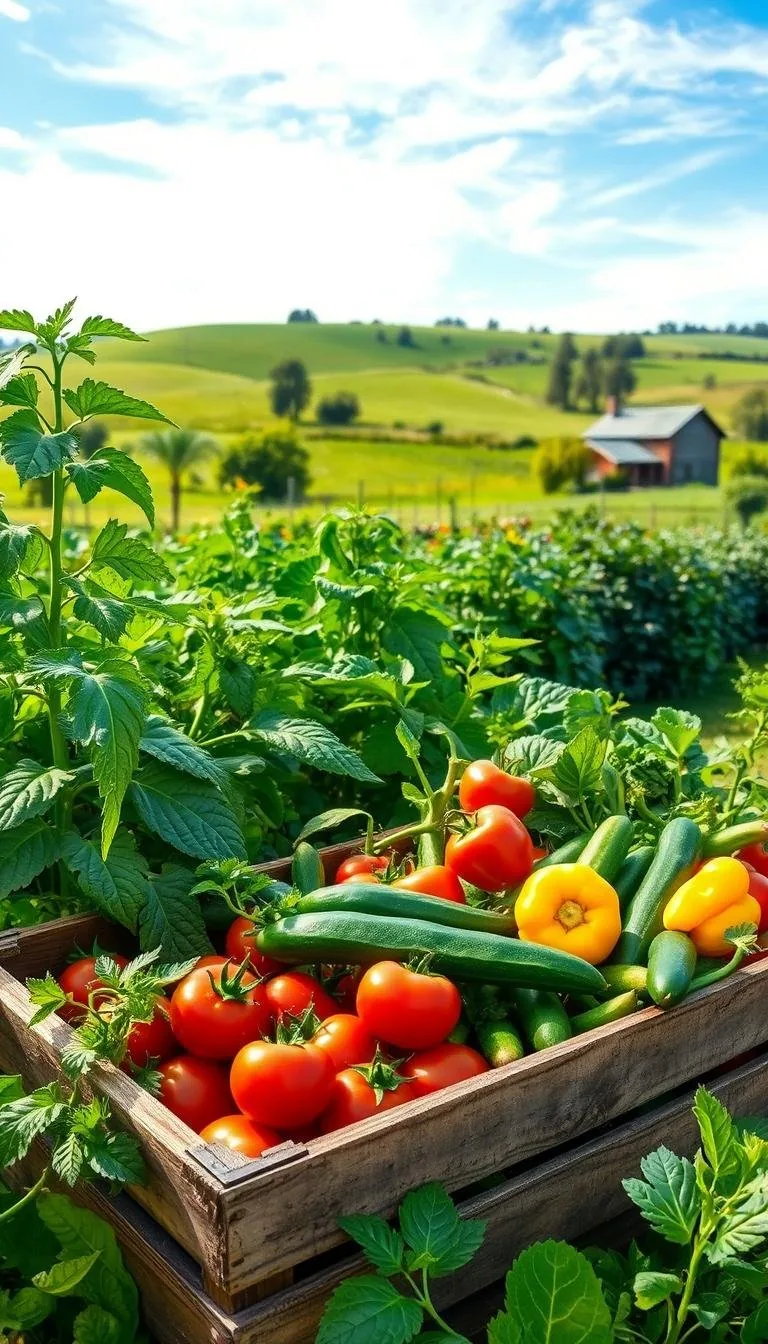
The best return usually comes from crops you harvest again and again (cherry tomatoes, leaf greens, bush beans, cucumbers, zucchini, herbs) and from things that are expensive or fragile at the store (fresh herbs, salad greens, peppers). Skip space hogs and cheap staples if room is limited.
High-yield vegetables: keep picking
| Crop | Why it earns its space | How to boost yield |
|---|---|---|
| Cherry tomatoes | Each plant produces over a long season, and they are pricey at the store. | Stake or cage, water evenly and pick often. |
| Leaf lettuce, kale and chard | Cut-and-come-again harvests give you many pickings from one planting. | Harvest outer leaves and leave the center growing. |
| Bush and pole beans | They keep producing if you pick regularly. | Harvest every few days. Pole beans give more per square foot when trellised. |
| Cucumbers | Vining plants can produce heavily in a small footprint when trained upward. | Use a trellis and pick young. |
| Zucchini | One plant can produce a lot, so one or two is usually enough. | Pick small and often. |
| Peppers | They produce throughout the season and are costly in stores, especially colored ones. | Give full sun and steady water. |
| Herbs | Fresh herbs are expensive in small packages, and a few plants supply a kitchen. | Harvest often to keep plants bushy. |
Crops to think twice about in a small garden
| Crop | Why |
|---|---|
| Sweet corn | Needs a block of plants for pollination and gives few ears per plant. |
| Melons and winter squash | Sprawl over large areas and take a long time. Better suited to in-ground gardens with room. |
| Potatoes and storage onions | Cheap to buy, and they take space and time. Grow them for taste, not savings. |
| Cabbage and broccoli | One head per plant, and they need cool weather and pest protection. |
How to get more from every square foot
- Grow up. Trellises for cucumbers, peas and pole beans free up ground space. See Grow More Veggies in Less Space.
- Replant. When early crops finish, follow them with a second planting. See How to Get More From Your Garden.
- Harvest young and often. Cucumbers, zucchini and beans slow down when fruit is left to mature.
- Feed and water evenly. Stress reduces yield. See Watering and Mulching Your Vegetable Garden.
- Choose reliable varieties. Look for varieties suited to your climate and disease-resistant tags on seed packets or plant labels.
A high-value starter list
| If you want... | Grow |
|---|---|
| Fresh salads | Leaf lettuce, cherry tomatoes, cucumbers, green onions, herbs |
| Pasta sauces and roasted dishes | Tomatoes, peppers, zucchini, basil |
| Stir-fries and sides | Bush beans, peppers, kale or chard, garlic chives |
| Snacking | Cherry tomatoes, snap peas, cucumbers |
What "high yield" really depends on
Weather, soil, pests and how often you harvest matter as much as the crop. A plant in shade or dry soil will disappoint no matter how "productive" the variety is. Start with the sunniest spot, test your soil and expect a learning curve.
FAQ
What vegetables produce the most food?
Which vegetables save the most money?
How many plants do I need?
Sources and further reading