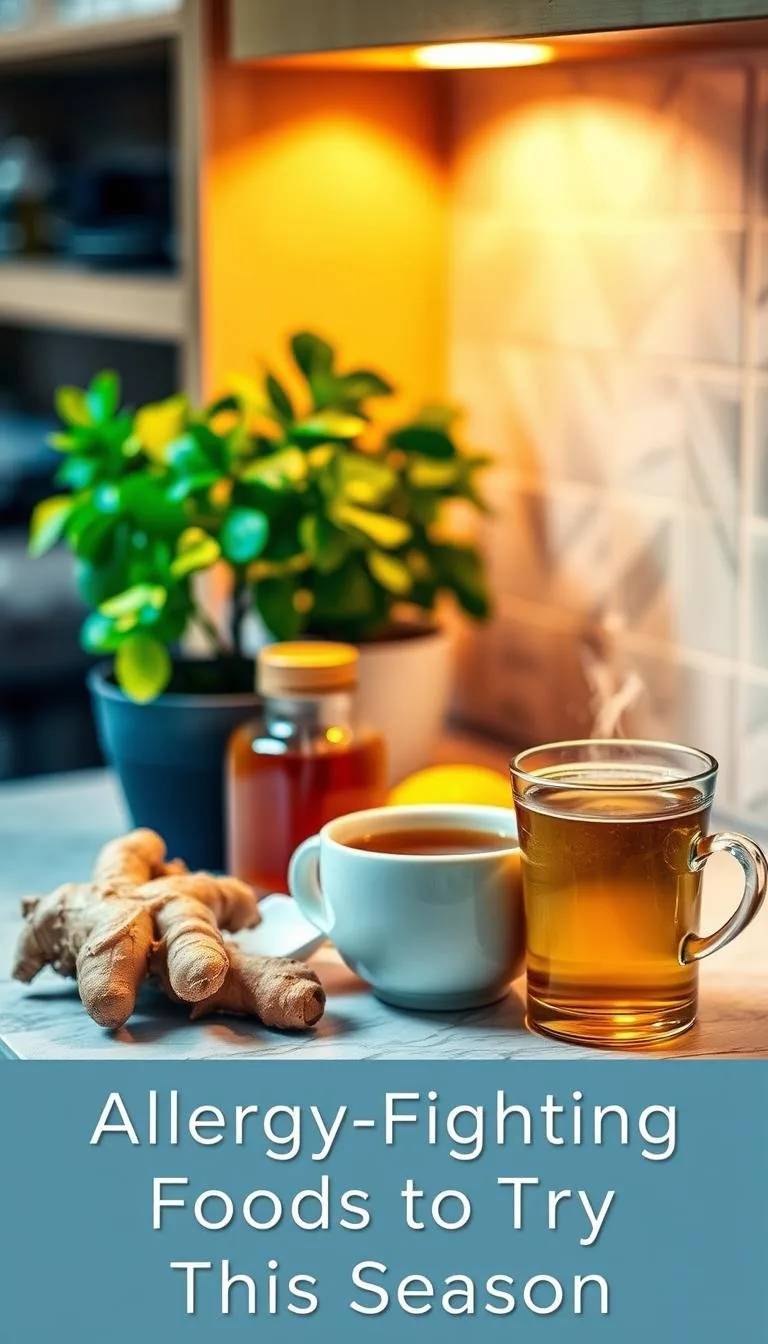
Headlines about "allergy-fighting foods" promise a lot, but no food treats seasonal allergies. What a good eating pattern can do is support overall health, keep you hydrated and comfortable during a stuffy week and steer you away from some pollen-related food reactions.
This guide covers three things: which foods can make allergy season worse for some people, what to eat when you feel congested and run down, and simple meals for pollen weeks.
No food has been proven to prevent or cure hay fever. If raw fruits or vegetables make your mouth itch during pollen season, you may have pollen-food (oral) allergy syndrome, and cooking the food often helps. Talk to an allergist to confirm.
When food and pollen overlap
If you are allergic to certain pollens, some raw fruits, vegetables and nuts contain proteins that look similar to those pollen proteins. Eating them can cause an itchy mouth, scratchy throat or lip tingling, usually within minutes. This is called oral allergy syndrome (pollen-food allergy syndrome). It is common in people sensitized to birch pollen, and symptoms are often worse during pollen season.
| If you react to... | Foods that often cross-react (raw) |
|---|---|
| Birch pollen | Apples, pears, cherries, peaches, carrots, celery, hazelnuts |
| Grass pollen | Tomatoes, melons, oranges |
| Ragweed pollen | Melons (such as cantaloupe), bananas, cucumber |
Symptoms are often milder with cooked, baked or canned versions, because heat changes these proteins. Peeling fruit can also help some people. If you have swelling, trouble breathing, hives or symptoms beyond the mouth, stop eating the food and seek medical advice. Serious reactions are rare but possible.
What to eat when you feel stuffed up
Food will not cure symptoms, but comfort counts. Try:
- Warm liquids: broth, soup or herbal tea can feel soothing and help you stay hydrated.
- Plenty of water across the day.
- Simple, balanced meals with protein, fiber-rich carbohydrates and vegetables, so you are not skipping meals because you feel unwell.
- Spicy foods if you like them. They may temporarily loosen a stuffy nose, though the effect does not last.
Try to avoid alcohol if it makes your congestion worse. Some people find that wine and beer cause nasal stuffiness.
Three easy meals for pollen weeks
| Meal | How to make it | Why it works |
|---|---|---|
| Warm chicken and rice soup | Simmer chicken, carrots, celery and rice in broth. Season with garlic, black pepper and lemon. | Hydrating and gentle. Cooked carrots and celery are usually better tolerated if raw ones bother you. |
| Baked oatmeal with cooked fruit | Mix oats, milk, eggs and cinnamon. Add sliced baked apples or pears. | Filling, and cooked fruit is often better tolerated than raw. |
| Lentil and vegetable stew | Simmer lentils with onion, tomatoes, spinach and cumin. | High in fiber and protein. Cooked tomatoes are usually easier than raw. |
A note on "immune-boosting" claims
Allergies happen because your immune system overreacts to harmless pollen. "Boosting" it is not the goal, and no food or supplement is proven to prevent seasonal allergies. Eating well supports health overall, and you can find ideas in High-Protein Mediterranean Breakfast Ideas. For other ways to manage symptoms, see How to Tackle Spring Allergies With Natural Remedies.
How to enjoy problem foods with fewer symptoms
| Food | Tips that often reduce reactions |
|---|---|
| Apples and pears | Bake, stew or microwave them, or choose applesauce. Peeling may help some people. |
| Carrots and celery | Roast, steam or add them to soups and stews. |
| Stone fruit (peaches, cherries) | Cook into compote or oatmeal, or choose canned fruit. |
| Melons and bananas | Try them in cooked dishes or baked goods, or skip them during your worst weeks. |
| Raw tree nuts | Roasted versions may be better tolerated for some. Talk to an allergist before experimenting, because nut allergies can be serious. |
These are general strategies, not guarantees. Reactions vary, and heat does not remove every trigger.
A five-day pollen-week menu
| Day | Breakfast | Lunch | Dinner |
|---|---|---|---|
| Mon | Oatmeal with cooked pears and walnuts | Lentil soup and whole-grain toast | Sheet-pan chicken with roasted carrots and potatoes |
| Tue | Greek yogurt with cooked berries | Chicken and rice soup | Baked salmon with steamed green beans and rice |
| Wed | Scrambled eggs on toast | Bean and vegetable chili | Stir-fried tofu and broccoli |
| Thu | Baked oatmeal with apples | Tuna sandwich with cooked veggies on the side | Turkey meatballs with pasta and marinara |
| Fri | Smoothie with frozen banana and berries (if tolerated) | Leftover chili | Vegetable and chickpea curry with rice |
Swap ingredients that bother you. The goal is regular, simple meals, so you are not skipping food when you feel worn down.
How allergists diagnose pollen-food reactions
If you suspect oral allergy syndrome, an allergist can review your symptoms, test for pollen sensitization and help you decide which foods to avoid or prepare differently. Keep a short log of the foods, the time of year and your symptoms to bring to the visit. It also helps to know whether you have ever had a reaction beyond the mouth.
Myths and facts about food and allergy season
| Common claim | What to know |
|---|---|
| "Local honey builds tolerance to pollen." | A double-blind study found no meaningful benefit compared with placebo, and honey itself can contain pollen. |
| "Anti-inflammatory foods cure hay fever." | No food is proven to treat it. A varied diet supports health but is not an allergy treatment. |
| "Dairy creates extra mucus." | There is no strong evidence that dairy worsens seasonal allergies for most people. If it seems to bother you, track it. |
| "Spicy food clears allergies." | It may temporarily loosen a stuffy nose, but it does not treat the cause. |
A simple symptom and food log
To find patterns, write down for two weeks: the date, the pollen count, your symptoms, what you ate and drank, and any itching or tingling within an hour of eating. Bring the log to an appointment. It is more useful to an allergist than memory alone.
Eating and sleeping during allergy season
Congestion can disrupt sleep, and poor sleep can make you feel worse the next day. Finish dinner a few hours before bed, keep alcohol modest if it makes your nose stuffier, drink water through the day and shower before bed to rinse pollen from your hair. For a full wind-down plan, see Simple Ways to Create a Calming Evening Routine.
This article is general information, not medical advice. See a health care provider or allergist if symptoms are severe, last more than a few weeks, keep you from sleeping or working, or come with wheezing or chest tightness. Call 911 for trouble breathing, swelling of the lips, tongue or throat, or a widespread rash after exposure to a possible allergen.
FAQ
Are there foods that help with allergies?
Why does my mouth itch when I eat apples in spring?
Does dairy make allergies worse?
Sources and further reading