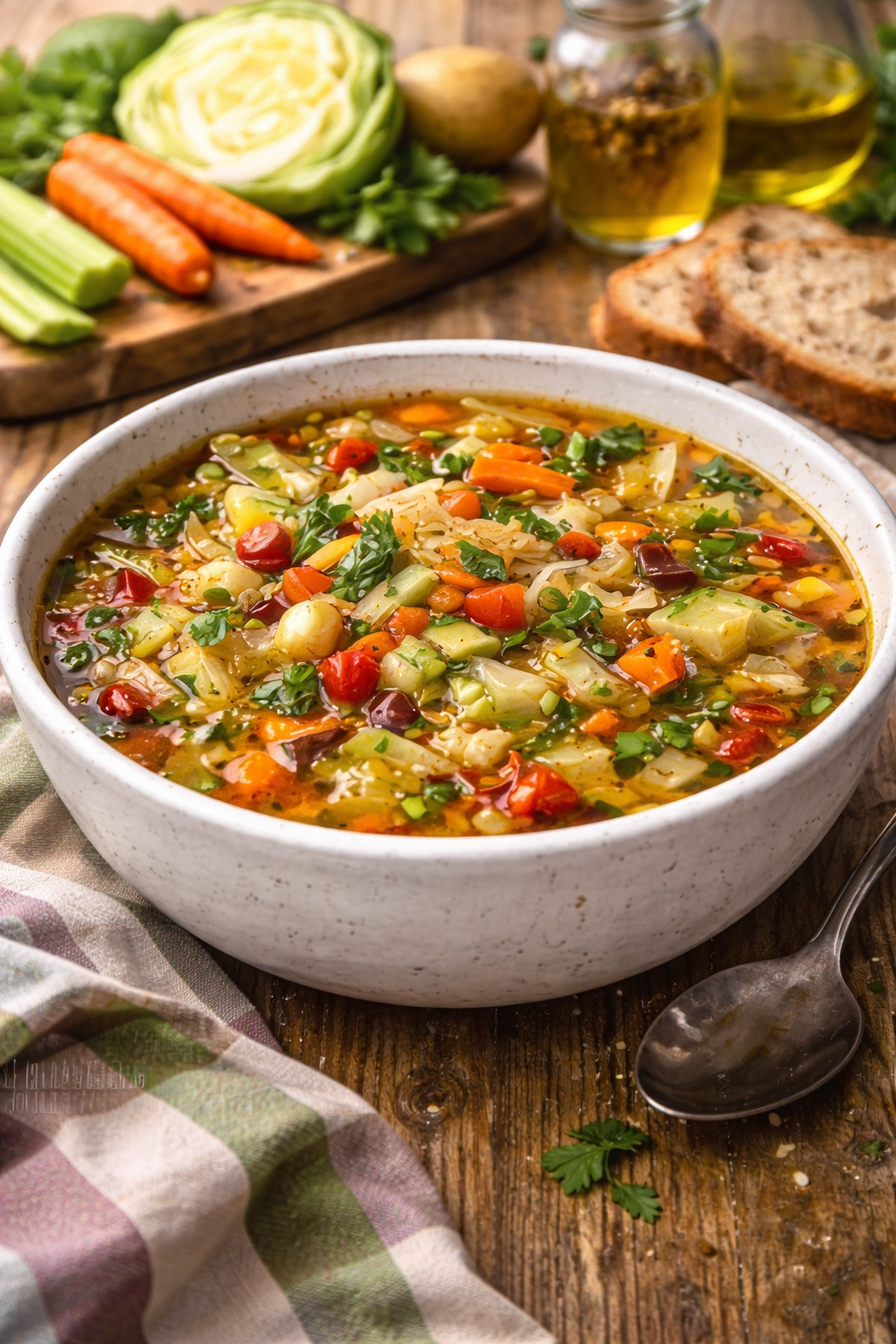
Looking for a nutritious and tasty meal to warm you up? A hearty cabbage soup recipe is perfect. It's full of vegetables, making it both filling and healthy.
Imagine a bowl of goodness with tender cabbage, carrots, and more. All these are simmered in a tasty broth. This healthy cabbage soup is a great way to get your daily vitamins and minerals.
We're excited to share this easy and satisfying recipe with you. It's great for a cold evening or a quick lunch. Adding this cabbage soup recipe to your meals can help you stay healthy.
Key Takeaways
- Easy to make and packed with nutrients
- Great for a quick and healthy meal
- Customizable with your favorite vegetables
- Perfect for cold weather or when you need a nutritional boost
- Supports a healthy and balanced diet
The Nutritional Powerhouse of Vegetable-Packed Cabbage Soup
Cabbage soup is more than a comforting meal; it's a nutritional powerhouse. Adding various vegetables boosts its flavor and nutrition.
Key Health Benefits
The nutritional benefits of cabbage soup are many. It's full of vitamins C and K. Cabbage is also high in fiber, which aids digestion. The soup's antioxidants protect your cells from harm.
- Supports weight loss due to its low calorie and high fiber content
- Rich in vitamins and minerals that boost immunity
- Antioxidants help in reducing inflammation
Why This Recipe Stands Out
This cabbage soup recipe is special because it's simple and versatile. It uses a variety of healthy soup ingredients. This makes it tasty for everyone and packed with nutrients. You can adjust it to fit your diet, perfect for meal prep or a quick, healthy meal.
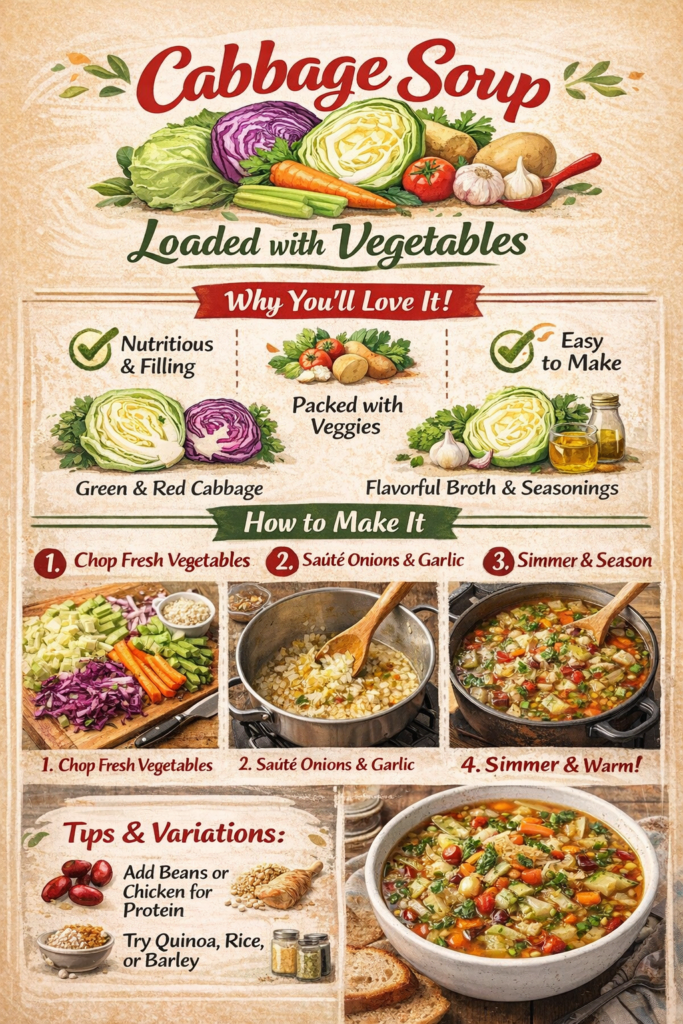
Essential Ingredients for Cabbage Soup Loaded with Vegetables
Cabbage soup is a nutritional powerhouse. It's simple and can be customized to fit your taste and dietary needs.
Selecting the Perfect Cabbage
The star of the dish is the cabbage. You can use green or red cabbage, or both. Choose a firm, dense head with crisp leaves. Avoid wilted or brown cabbages.
Key characteristics of fresh cabbage:
- Firm to the touch
- Crisp, vibrant leaves
- No signs of wilting or browning
Must-Have Vegetables for Flavor and Nutrition
To make your cabbage soup better, add various vegetables. Some essentials are:
- Onions for flavor
- Carrots for sweetness
- Potatoes for heartiness
- Tomatoes for acidity
- Kale or spinach for extra nutrition
Herbs and Seasonings
Herbs and seasonings can make your soup amazing. Try using:
- Garlic for flavor
- Bay leaves for earthy taste
- Thyme and parsley for freshness
- Salt and pepper to taste
Broth Options and Alternatives
The broth is key to your soup. You can choose from:
- Vegetable broth for a vegan option
- Chicken or beef broth for protein
- Mushroom broth for umami
You can mix broths or add water for the right consistency.
Kitchen Equipment You'll Need
To cook cabbage soup loaded with veggies easily, you need basic kitchen tools. The right equipment makes cooking simpler and ensures your soup is tasty and healthy.
Essential Tools for Success
You'll need a few key tools to begin. A large pot is essential for your cabbage soup. You'll also need a cutting board and sharp knife for chopping veggies.
Measuring cups and spoons are important for adding the right herbs and seasonings. A wooden spoon or spatula is great for stirring the soup.
- A large pot (at least 4-quart capacity)
- A cutting board
- A sharp knife
- Measuring cups and spoons
- A wooden spoon or spatula
Optional Helpful Gadgets
Some gadgets can make cooking easier, though they're not required. A slow cooker is great for simmering your soup all day. This lets the flavors blend well.
An immersion blender can puree some of the soup for a thicker texture. These tools can improve your cooking and the taste of your cabbage soup.
Preparation: Cleaning and Chopping Your Vegetables
Let's start with the preparation phase of your cabbage soup. Cleaning and chopping your vegetables right is key for great taste and nutrition.
Proper Cabbage Preparation Techniques
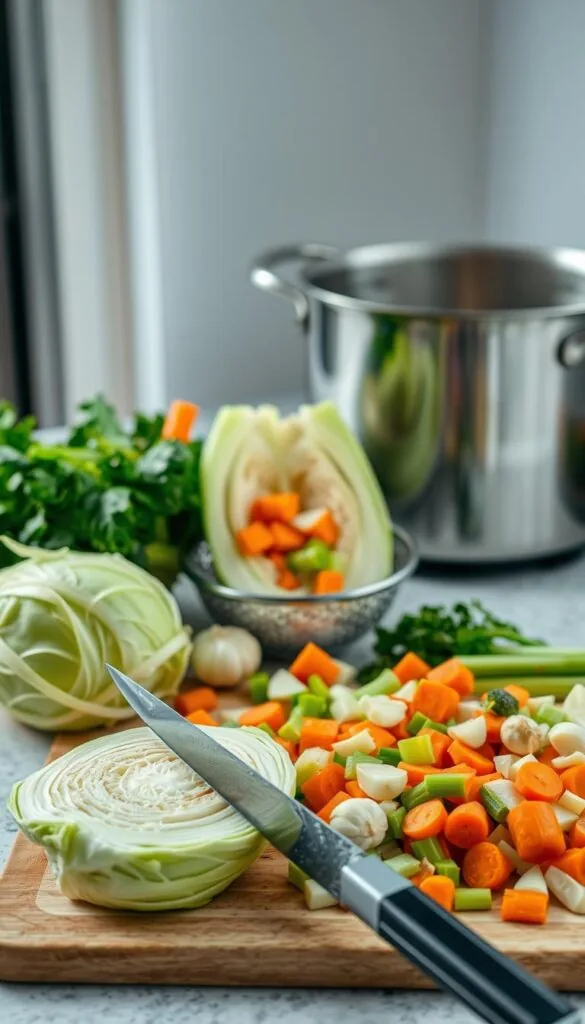
To prepare cabbage, first remove the tough outer leaves. Then, rinse it under cold water. Next, chop it finely.
Place the cabbage on a stable surface and remove the tough outer leaves. Cut it into quarters. Remove the core from each quarter to ensure even cooking.
For a more detailed chopping process, shred the cabbage quarters into thin strips. This helps in even cooking and makes the soup look better.
Vegetable Cutting Methods for Even Cooking
Cutting vegetables into uniform sizes is important for even cooking. Cut root vegetables like carrots and potatoes into bite-sized chunks. Leafy greens should be chopped finely, while tougher vegetables like celery should be sliced into thin rounds.
| Vegetable | Cutting Method | Cooking Time |
|---|---|---|
| Cabbage | Shredded | 10-15 minutes |
| Carrots | Bite-sized chunks | 15-20 minutes |
| Potatoes | Bite-sized chunks | 15-20 minutes |
Time-Saving Preparation Tips
To save time, chop your vegetables in advance and store them in airtight containers in the fridge. You can also use pre-chopped vegetables or frozen options when you're in a hurry.
By following these simple steps and tips, you'll be well on your way to creating a delicious and nutritious cabbage soup. Happy cooking!
Step-by-Step Cooking Instructions for Cabbage Soup Loaded with Vegetables
It's time to start cooking our cabbage soup filled with veggies. This process is easy and fun. It lets you mix the flavors and textures of different veggies. Let's go through each step to make sure your soup turns out great.
Building the Flavor Base
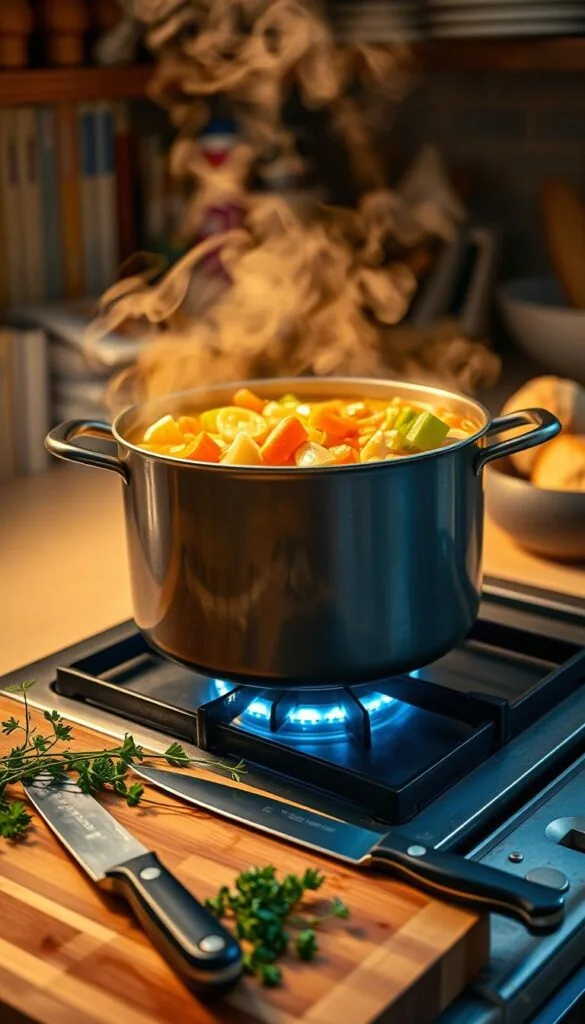
First, we make a rich flavor base. We sauté onions, garlic, and sometimes ginger in oil until they're soft and smell good. Use a large pot to fit all the veggies and broth. This step is key for the soup's taste.
- Heat a couple of tablespoons of your preferred oil in the pot over medium heat.
- Add chopped onions and cook until they're translucent.
- Add minced garlic (and ginger if using) and cook for another minute, stirring constantly to prevent burning.
Adding Vegetables in the Right Order
After the flavor base is ready, it's time for the veggies. We add them in order from longest to shortest cooking time. Harder vegetables like carrots and potatoes go first, then softer ones like cabbage and leafy greens.
- Add the harder vegetables and cook for about 10 minutes.
- Add the cabbage, other leafy greens, and any other softer vegetables.
- Pour in your broth, ensuring all the vegetables are covered.
Simmering to Perfection
The last step is to simmer the soup until all veggies are tender. This blends the flavors, making a delicious soup. Simmering is a patient process, but it's worth it for the flavor.
- Bring the soup to a boil, then reduce the heat to low.
- Let it simmer for 20-30 minutes or until the vegetables are tender.
- Season with salt, pepper, and any other herbs you like.
By following these steps, you'll have a nourishing and flavorful cabbage soup loaded with vegetables, ready to be enjoyed.
Flavor Variations and Creative Add-ins
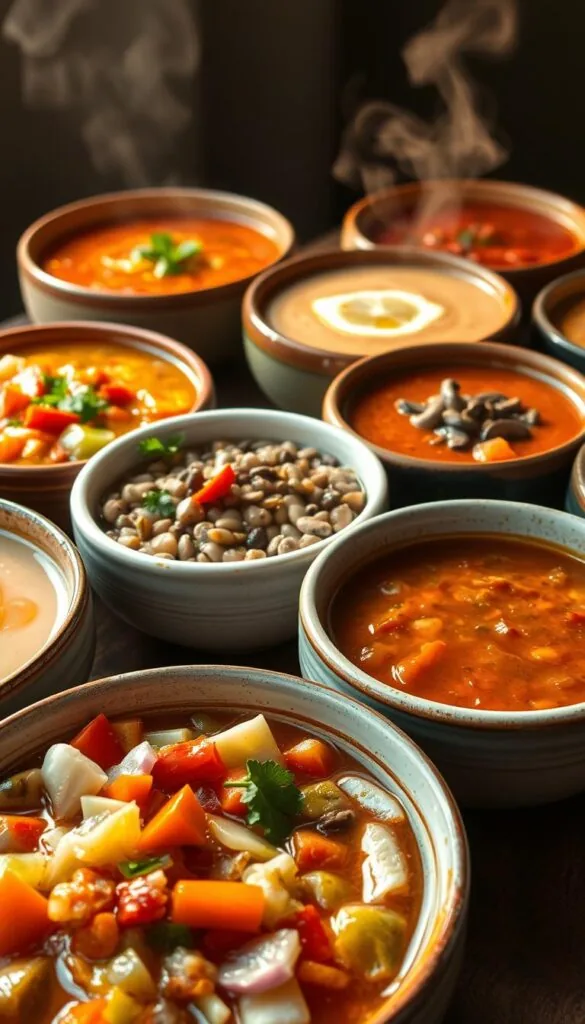
Cabbage soup is a blank canvas for your creativity. Once you learn the basic recipe, you can try different flavors and ingredients. You can make it spicy, tangy, or comforting, depending on your mood.
International Flavor Profiles
Make your cabbage soup a world tour by adding international flavors. For a Korean twist, add gochujang and kimchi for a spicy taste. For a Mediterranean flavor, mix in olives, artichoke hearts, and feta cheese.
Protein Additions for a Complete Meal
To make your cabbage soup a full meal, add protein. Beans like cannellini or chickpeas are great because they're high in protein and fiber. You can also add lean meats like chicken or turkey. For vegetarians and vegans, tofu or tempeh can be marinated and cooked in the soup.
Making It Heartier with Grains and Legumes
Adding grains and legumes makes your cabbage soup more filling. Quinoa is a complete protein that goes well with cabbage and veggies. Barley adds texture and is high in fiber. For legumes, try lentils for a meal that's both nutritious and filling.
Exploring these variations keeps cabbage soup exciting. The secret is to be bold and try new things that match your taste and diet.
Storage, Freezing, and Reheating Tips
Cabbage soup is great because it lasts a long time. It's perfect for meal prep, whether you're cooking for one or the whole week. Knowing how to store, freeze, and reheat it is key.
Proper Cooling and Refrigeration
After cooking, cool your cabbage soup fast to stop bacteria from growing. You can cool it down quickly by putting it in shallow metal containers or an ice bath. Once it's cooled, put it in airtight containers in the fridge. Remember to label the containers with the date.
Freezing Methods for Batch Cooking
Freezing is a great way to keep cabbage soup longer. First, cool it down as described. Then, put the cooled soup in freezer-safe containers or bags, leaving some space at the top. Label the containers or bags with the date and contents.
Frozen cabbage soup can last up to 3 months. To thaw, leave it in the fridge overnight or thaw it quickly in cold water.
Reheating Without Losing Flavor or Texture
Reheating cabbage soup is easy. If it's frozen, thaw it first. Then, heat it gently over low heat, stirring now and then, until it's hot. Avoid boiling the soup to keep the veggies from getting mushy.
If the soup has thickened, add a bit of broth or water to thin it out. This way, you can enjoy your cabbage soup without losing much flavor or texture.
Troubleshooting Common Issues
Don't worry if your cabbage soup doesn't turn out right the first time. We're here to help you fix common problems. This way, you can enjoy a tasty and fulfilling meal.
Fixing Flavor Problems
If your cabbage soup tastes bland, there are a few things you can do. First, check your seasoning. A little salt can make a big difference. You can also add more herbs and spices to taste.
If it's too bland, try adding a splash of vinegar or lemon juice. This can brighten the flavors. Using a high-quality broth or stock can also improve the taste.
- Adjust seasoning with salt and pepper
- Add fresh or dried herbs
- Use a flavorful broth or stock
- Add a splash of acidity with vinegar or lemon juice
Texture Adjustments and Consistency Tips
The perfect consistency for cabbage soup is up to you. If it's too thick, add a bit more broth or water. If it's too thin, simmer it longer to reduce the liquid and intensify the flavors.
You can also blend some of the soup for a creamier texture. This way, you keep the chunkiness but add creaminess.
Salvaging Overcooked Vegetables
Overcooking can make vegetables mushy and unappealing. If this happens, try straining the soup and adding fresh vegetables to the broth. This can refresh the soup.
You can also repurpose the overcooked vegetables. Use them in a puree or add them to a casserole. This way, you don't waste any food.
Conclusion
Adding a vegetable-packed cabbage soup to your meals can really change your health for the better. This simple recipe is full of benefits, like boosting your immune system and helping with weight management.
Choosing cabbage soup means you get to enjoy a tasty meal while living healthier. It's not just good for you; it's also comforting and satisfying. It can become a key part of your healthy eating journey.
We suggest you start making cabbage soup and discover the joy of healthy soups. It's easy to make and can be a great addition to your cooking. So, begin your journey to a healthier you with cabbage soup's nourishing benefits.
FAQ
What are the health benefits of cabbage soup?
Cabbage soup is packed with vitamins and minerals. It helps with weight loss and fights chronic diseases. The mix of vegetables makes it a nutritious meal choice.
Can I customize the cabbage soup recipe to my taste?
Yes, you can change the recipe to suit your taste. Try different herbs and seasonings. Add beans or lean meats for protein. You can also add grains and legumes for more substance.
How do I store and reheat cabbage soup?
Cool the soup completely before refrigerating or freezing. Reheat it gently on the stovetop or in the microwave. This keeps the flavor and texture right.
Can I freeze cabbage soup, and if so, how?
Yes, you can freeze cabbage soup. Cool it down, then put it in airtight containers or bags. Thaw and reheat when you're ready.
What if my cabbage soup is too thick or too thin?
If it's too thick, add some broth or water. For a thinner soup, simmer longer or add beans or pureed veggies.
How can I prevent overcooking the vegetables in cabbage soup?
Cook vegetables in the right order. Check them often and remove when tender. This prevents overcooking.
Can I make cabbage soup in a slow cooker?
Yes, you can. Sauté the initial ingredients, then put everything in the slow cooker. Cook on low for 6-8 hours.
Is cabbage soup suitable for vegetarians and vegans?
Yes, cabbage soup works for vegetarians and vegans. Use vegetable broth and skip animal products. Add beans, lentils, or tofu for protein.