Starting an Easy Vegetable Garden is simpler than you think. This guide gives you beginner-friendly gardening tips. You can grow fresh veggies, even if you're new to gardening.

This article will teach you to create a thriving garden with little time and effort. You'll learn how to pick the right spot and choose easy plants. Plus, you'll find out how to keep your garden healthy.

Discover how growing your own food can save money and improve your health. It also connects you to nature. Let's make your first vegetable garden a success!

Why Start an Easy Vegetable Garden?

Starting a vegetable garden is more than just growing food. It saves money, improves health, and offers fun hobbies. Whether you're new to gardening or have little space, a productive backyard garden fits your needs. Let's see how this simple step can change your life.

Benefits of Homegrown Vegetables

Imagine eating a tomato that's been warmed by the sun. Homegrown veggies taste better and last longer. You can grow unique varieties like purple carrots or heirloom peppers. Plus, you avoid preservatives and shipping delays, enjoying pure flavor.

Cost Savings from a Vegetable Garden

A productive backyard garden can save you money. Seeds are cheap compared to store-bought produce. Over time, these savings can fund other hobbies or gardening tools.

Health Benefits of Homegrown Produce

“Vegetables lose nutrients within days of harvest,” says soil scientist Dr. Emily Green. “Gardening lets you eat at peak nutrition.”

Fresher veggies have more vitamins and antioxidants. Growing your own food means knowing what's in your soil and avoiding pesticides. Even a small garden makes healthy eating easy and fun.

Choosing the Right Location for Your Garden

Finding the perfect spot for your garden is key to success. Sunlight, water, and easy access are essential. Let's explore how to pick the best location for your plants.

Sunlight Requirements

Most veggies need 6–8 hours of direct sunlight each day. Observe the sun's path in your yard to find the brightest spots. Leafy greens like lettuce can handle some shade, but tomatoes and peppers need full sun.

Use this info to arrange your garden zones wisely.

Proximity to Water

Put your garden close to a hose or spigot for easy watering. Consider a quick vegetable garden setup with drip irrigation kits. They save time and water.

Avoid spots far from water sources to avoid daily hose-carrying hassles.

Easy Access for Maintenance

Choose a garden spot you'll see every day. A spot near walkways or your home makes it easy to check on your plants. Keep paths clear for easy tool and harvest movement.

Easy access reduces stress and keeps your plants healthy.

Selecting Your Vegetable Varieties

Choosing the right plants is essential for a successful DIY vegetable garden ideas. Even if you're new to gardening, these tips will help you make better choices. They will also boost your confidence in growing your own food.

Best Vegetables for Beginners

Begin with these easy-to-grow vegetables that do well in most conditions:

Fast-Growing Options for Quick Harvests

Speed up your easy vegetable garden timeline with these fast-growing options:

  1. Arugula: Ready to pick in 3-4 weeks.
  2. Spinach: Harvest young leaves for salads.
  3. Bush beans: Yield continuously over summer.

Seasonal Planting Considerations

Timing is everything! Cool-season crops like carrots and kale do well in spring and fall. Tomatoes and peppers need the summer heat. Use the USDA Plant Hardiness Zone Map to find out when to plant.

Rotate your crops each season to avoid soil depletion. This simple step keeps your garden productive year after year.

Preparing Your Garden Bed

Ready to turn your space into a garden? Start with the right foundation. Use simple vegetable gardening techniques. Whether you're starting with existing soil or building a new bed, these steps make it easy.

First, decide between in-ground or raised beds. In-ground gardens save money but need more soil prep. Raised beds have better drainage and are easier to access. They're great for quick vegetable garden setup. You can build them in a few hours using untreated wood or recycled materials.

A neatly organized vegetable garden with a simple setup, showcasing a well-tilled soil bed with rows of freshly planted seedlings and young plants. The scene is bathed in warm, golden afternoon light, casting soft shadows and highlighting the vibrant green foliage. In the foreground, a pair of gardening gloves and a small trowel lie beside a watering can, creating a sense of an effortless, hands-on approach. The middle ground features a variety of leafy greens, such as lettuce, kale, and spinach, interspersed with trailing vines of tomatoes and zucchini. In the background, a wooden fence or trellis provides structure and a sense of enclosure, creating a cozy, self-contained gardening space.

Next, test your soil. Use a DIY kit to check pH and nutrients. Gardening expert Jane Smith says, “Healthy soil grows healthy plants.” If your soil is off, get professional testing for the right adjustments.

Amend your soil with compost, aged manure, or leaf mold. Mix 2-3 inches into the topsoil for nutrient-rich ground. Here's how:

With these basics, even new gardeners can create a productive bed. Focus on simplicity to enjoy fresh veggies without extra stress.

Essential Tools for an Easy Vegetable Garden

Starting a low-maintenance vegetable garden doesn't need a lot of tools. A few key choices can make a big difference. Choose tools that save effort and improve results, making gardening easy.

A neatly arranged selection of essential gardening tools rests on a weathered wooden table, bathed in warm, natural lighting. In the foreground, a pair of sturdy pruning shears, their blades gleaming, stand ready to tackle overgrown foliage. Alongside them, a well-worn trowel and a hand cultivator, their wooden handles polished by years of use. In the middle ground, a robust gardening fork and a trusty spade lean against a terracotta flower pot, hinting at the hard work that goes into tending a thriving vegetable garden. In the background, a lush, green backdrop of leafy plants and blooming flowers adds a sense of vitality and growth, setting the scene for a productive and rewarding gardening experience.

Must-Have Gardening Tools for Beginners

Organic Fertilizers and Soil Amendments

Feed your garden naturally with DIY vegetable garden ideas like homemade compost. Mix in worm castings for slow-release nutrients or spray diluted fish emulsion for quick boosts. These organic options enrich soil without harsh chemicals.

Irrigation Systems to Simplify Watering

Save time with automated solutions. Soaker hoses or drip lines placed near plant roots deliver water directly where it’s needed. Set a timer for consistent watering, even on busy days.

Simple Planting Techniques

Learning how to plant is essential for hassle-free vegetable growing. We'll cover three simple steps to make your garden grow well.

A vibrant garden filled with thriving vegetables, captured with a wide-angle lens under natural sunlight. In the foreground, rows of lush, healthy plants with deep green leaves and plump produce nestle in well-tended soil. The middle ground reveals carefully spaced seedlings and containers, showcasing efficient, hassle-free planting techniques. In the background, a verdant landscape with towering trees creates a serene, inviting atmosphere. The scene radiates a sense of effortless abundance, inspiring the viewer to explore simple, rewarding vegetable growing methods.

Seed vs. Seedling: Which to Choose?

Start with beginner-friendly gardening tips. For plants like carrots or beans, sow seeds directly in the ground. They don't like being moved.

For tomatoes or peppers, buy strong seedlings at nurseries. Pro tip: Always check the seed packet for planting instructions. Most root vegetables should be planted directly.

Companion Planting for Pest Control

"Growing basil beside tomatoes boosts growth and repels pests." – Organic Gardening Guide

Planting friends together can help control pests. Tomatoes and basil grow well together. Onions keep carrot flies away.

The "Three Sisters" method is another great idea. It involves planting corn, beans, and squash together. This method shades the soil and keeps weeds down.

Planting Depth and Spacing

Here are some tips for healthy plants:

  1. Plant seeds at 2x their size depth (e.g., beans at 1 inch)
  2. Space leafy greens 6-12 inches apart; tomatoes need 2-3 feet

Too many plants in one spot can fight for food. Give them enough space for them to grow strong.

Maintaining Your Vegetable Garden

Keeping your garden healthy is easy with simple, regular care. Even if you're busy, you can have a productive backyard garden. Just use smart strategies that save time and boost plant health.

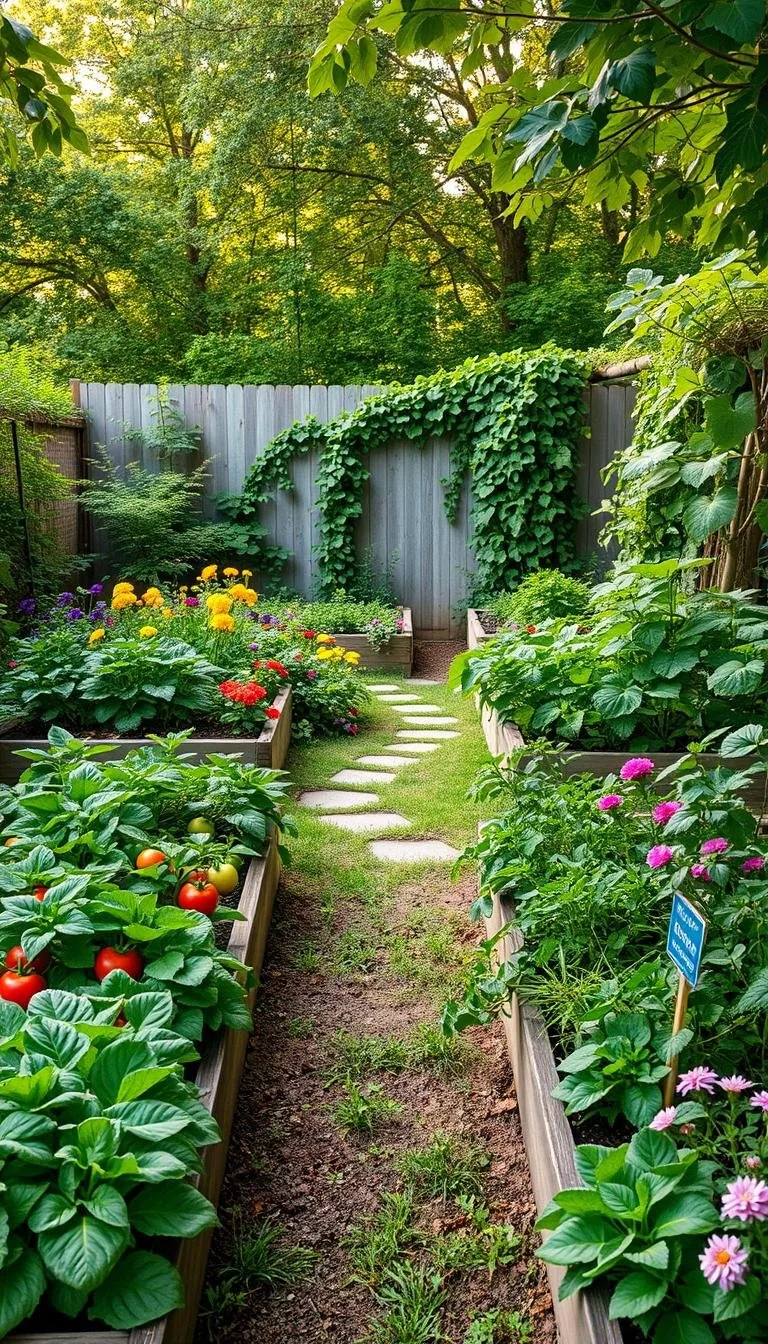
A sunlit vegetable garden nestled in a lush, verdant backyard. In the foreground, neatly arranged rows of thriving produce - tomatoes, leafy greens, and vibrant bell peppers. In the middle ground, a meandering garden path lined with fragrant herbs and flowers, inviting exploration. The background features a picturesque wooden fence, partially obscured by towering trees that filter the warm, golden sunlight. The scene radiates a sense of tranquility and abundance, presenting the ideal location for a bountiful, effortless vegetable garden.

Water Wisely, Save Time

Water deeply but not too often to make roots strong. Here are some tips to save time:

  1. Water in the early morning to cut down on evaporation.
  2. Use soaker hoses or drip systems for slow, direct watering.
  3. Mulch around plants to keep moisture in.

Weed Smarter, Not Harder

Stop weeds before they take over:

Stay Ahead of Pests and Problems

Check your garden weekly to catch problems early. Look for chewed leaves or yellow plants. For pests, try:

A low-maintenance vegetable garden needs consistent but brief care. Small tasks each week prevent big problems. This way, you get a big harvest without daily work.

Harvesting Your Vegetables

Getting the most from your productive backyard garden means knowing when and how to pick. Picking at the right time ensures your veggies taste their best. These tips make harvesting easy, keeping your garden simple and rewarding.

Signs of Ripeness in Common Vegetables

Best Practices for Harvesting

Use clean shears to cut stems at a 45-degree angle. This prevents damage. Harvest in the morning to keep veggies sweet and moist. Leave a small stem on tomatoes to keep them fresh longer.

Picking often encourages plants to grow more. This helps you get the most from your productive backyard garden.

Storing Your Bountiful Harvest

Leafy greens do well in damp towels in sealed containers. Root veggies like carrots keep best in cool, dark places. Freeze herbs in ice cube trays with water or oil.

For long-term storage, try quick pickling. Cucumbers and peppers become pantry staples in jars. A root cellar or basement keeps potatoes and onions dry and dark for months.

A lush, vibrant vegetable garden nestled in a serene backyard setting. In the foreground, rows of thriving seasonal crops like leafy greens, crisp carrots, and juicy tomatoes bask in natural sunlight. The middle ground features a rustic wooden planter box overflowing with a variety of vegetables, while the background showcases a verdant landscape dotted with blooming flowers. The composition is enhanced by soft, diffused lighting that casts gentle shadows, creating a sense of depth and tranquility. The image conveys the beauty and abundance of a well-planned, low-maintenance DIY vegetable garden that can be enjoyed throughout the changing seasons.

Troubleshooting Common Gardening Issues

Even with careful planning, challenges can pop up in any garden. The good news? Most issues are easy to solve without complicating your easy vegetable garden experience. Let’s address two common hurdles to keep your plants thriving with minimal stress.

Identifying Pest Problems

Uninvited bugs like aphids or slugs might nibble your crops. Check leaves for holes, sticky residue, or tiny insects. For small outbreaks, hand-pick pests or spray them with a mix of water and dish soap.

Neem oil works well for larger areas, disrupting pest life cycles without harming plants. Focus on early detection to keep solutions simple and safe for your hassle-free vegetable growing setup.

Dealing with Unfavorable Weather

Extreme heat or cold can stress plants. Use row covers to shield seedlings from frost or sudden cold spells. For heatwaves, shade cloth offers relief, while mulch retains moisture during droughts.

If heavy rain causes waterlogging, aerate soil or add compost to improve drainage. Adjusting tools like raised beds (from earlier steps) helps plants stay healthy no matter the weather.

Gardening’s small bumps in the road are part of the journey. By staying observant and using these tips, you’ll turn challenges into opportunities to learn. Remember, a easy vegetable garden isn’t about perfection—it’s about enjoying fresh produce while adapting as needed.

Grab your tools, tackle issues head-on, and watch your garden grow confidently. The taste of homegrown veggies makes every effort worthwhile. Happy planting!

Learn more about Vegetable Gardens with the Guide "How to Start a Vegetable Garden (Even with Zero Experience)"