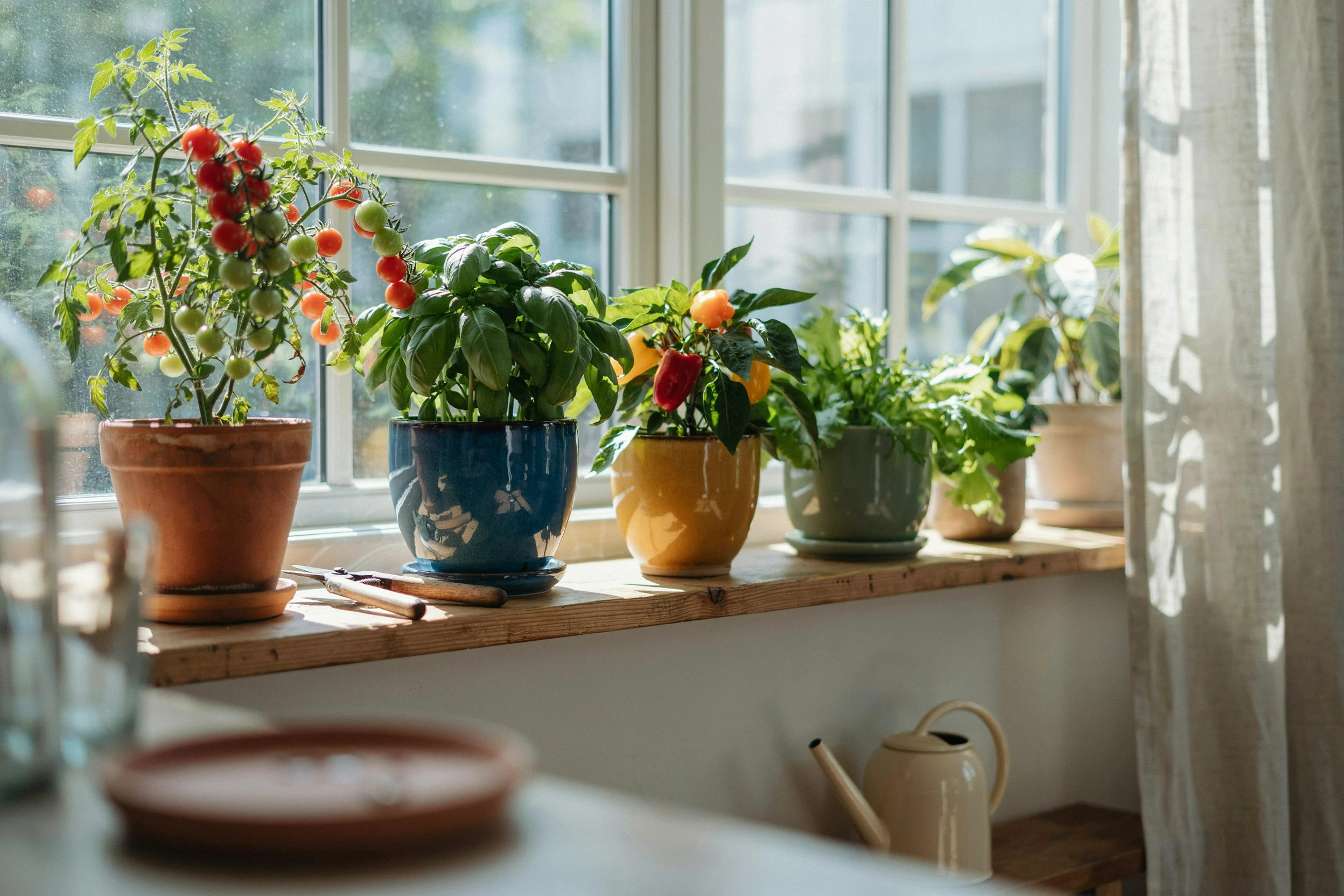
Growing Food at home adds fresh flavors and pride to your meals. Whether you have a sunny kitchen window or a backyard, you can start. Homegrown produce brings vitamins and nutrients right to your table.
Even beginners can succeed with simple steps. You can grow leafy greens on a balcony or tomatoes in a garden bed. Every effort is important. This guide will help you grow food anywhere, big or small.
Homegrown produce saves money and reduces your carbon footprint. Learn to choose plants that fit your space and tools that work. Also, find methods to keep your crops healthy. Let’s start your journey today!

Understanding the Benefits of Growing Food
Discovering the rewards of growing your own food goes beyond fresh produce. Whether you're growing herbs on a windowsill or a backyard garden, the benefits are vast. They touch your health, the environment, and your wallet.
Health Benefits of Homegrown Produce
Vegetables and fruits from your garden have more vitamins than store-bought ones. For example, tomatoes lose up to 20% of their vitamin C during transport. By picking them at peak ripeness, you keep more nutrients.
Home gardens also let you avoid pesticides, giving you peace of mind with every bite.

Environmental Impact of Local Growing
Planting your own food supports sustainable farming by reducing emissions from shipping. A single tomato traveling cross-country creates 8 pounds of CO2. Growing it locally cuts that down to zero. Home gardens also mean less packaging waste and water use.
Economic Savings from Growing Your Own Food
A $50 seed packet can yield $600+ in vegetables annually. Here are some savings:
- Average family saves $750 yearly on groceries
- No delivery fees or markup costs
- Leftover harvests can be sold or traded locally
Every seed planted builds healthier habits, a greener planet, and a lighter budget. Start small and watch these benefits grow with every season.
Choosing the Right Plants for Your Space
Choosing the right plants is key for a thriving vegetable cultivation or urban gardening space. Whether you're new or experienced, picking plants that fit your space, sunlight, and climate is important. Here's how to choose the best plants for your setup.

Popular Vegetables for Beginners
Begin with easy-to-grow plants that give quick results. Try these:
- Lettuce: Harvest leaves in 30–45 days in partial shade.
- Radishes: Ready to pick in just 22 days with consistent moisture.
- Cherry tomatoes: Compact varieties thrive in pots with 6+ hours of sunlight daily.
Best Herbs for Indoor Growing
Urban gardening spaces are perfect for these easy-to-care-for herbs:
- Basil: Needs 4–6 hours of sunlight and regular trimming.
- Mint: Grows well in containers to stop it from spreading.
- Chives: Thrives in low-light areas and is great for small kitchens.
Seasonal Considerations for Outdoor Planting
Plan your outdoor crops by season for the best growth:
- Spring: Plant peas, spinach, and broccoli in cooler weather.
- Summer: Focus on tomatoes, peppers, and cucumbers in warmer zones.
- Fall: Sow lettuce, kale, and carrots as temperatures cool down.
Always check USDA hardiness zones to match plants with your local climate.
Essential Tools for Growing Food
Starting a garden requires the right tools. The right tools make every step from planting to harvesting easier. Eco-friendly choices also support sustainable farming goals. Here’s what every grower needs to get started.

Must-Have Gardening Tools
Start with basics that last. A sharp Fiskars bypass pruner cuts branches cleanly. A sturdy GardenTech trowel digs soil effortlessly. Don’t forget waterproof gloves and a watering can with a rose nozzle.
Indoor Growing Supplies to Consider
- Grow lights: FullSpectrum LED panels provide light for sun-deprived indoor plants.
- Self-watering pots: AeroGarden kits automate watering for herbs and greens.
- Humidity trays: Raise moisture levels under plants with pebble-filled dishes.
Sustainable Gardening Products
Choose tools that cut waste. Earthway biodegradable pots break down naturally. Reusable fabric grow bags save space and plastic. EcoTools compost bins turn kitchen scraps into nutrient-rich soil. Look for handles made of recycled materials and tools designed to last years.
Soil and Fertilizers: Foundation of Healthy Plants
Healthy soil is key for a thriving garden. For homegrown produce to grow well, knowing your soil type and feeding it right is essential. Soil and fertilizer choices affect plant health and the quality of your harvest.

- Sandy soil drains fast but needs organic matter to retain moisture.
- Clay soil holds water and nutrients but may need grit for drainage.
- Loamy soil is ideal—mix of sand, silt, and organic material for balanced growth.
Choosing between organic and chemical fertilizers is important. Organic agriculture uses compost or manure for slow soil building. Chemical fertilizers give quick nutrients but can harm soil over time. Test soil pH first to decide.
Compost turns kitchen scraps into “black gold.” Follow these steps:
- Gather fruit/vegetable scraps and yard trimmings.
- Layer greens (nitrogen-rich) and browns (carbon-rich) in a bin.
- Turn weekly and keep moist. Ready compost smells earthy and crumbles easily.
Pair these steps with regular soil tests. Small adjustments improve plant health and reduce waste, making every harvest more rewarding.
Watering and Irrigation Techniques
Watering is key for Growing Food and growing veggies. It's important to water right to help plants grow well without wasting water. Let's look at how to water smartly, whether you have a big garden or a small herb patch on your balcony.
Best Practices for Watering Your Plants
Too much or too little water can hurt plants. Here's what to do:
- Check soil moisture by sticking a finger 1–2 inches deep. Water only if dry.
- Water early morning or late afternoon to reduce evaporation.
- Mulch around plants to retain soil moisture and suppress weeds.
Smart Irrigation Systems for Large Gardens
Smart systems save time and water. Options like drip irrigation or soaker hoses water roots directly. Think about using smart timers from brands like Rain Bird or Orbit. They use sensors to water only when needed. Also, use rain barrels to reuse rainwater, saving money and water.

Indoor Plant Watering Tips
Indoor plants have special needs. To avoid soggy soil, do this:
- Use pots with drainage holes and saucers.
- Let soil dry between waterings for most herbs and greens.
- Mist leaves of tropical plants to boost humidity without overwatering.
Change your watering schedule based on the plant type. Leafy greens like lettuce need steady moisture. Herbs like rosemary prefer drier soil.
Pest Management Without Chemicals
Keeping your plants pest-free starts with knowing your enemies. Spotting problems early stops damage. This way, your garden stays healthy without harsh chemicals.
Identifying Common Garden Pests
Aphids, spider mites, and caterpillars are common pests. Look for yellow spots, sticky residue, or holes on leaves. Catching them early stops infestations.
Natural Pest Control Methods
- Companion planting: Marigolds repel nematodes; basil deters mosquitoes.
- Beneficial insects: Ladybugs eat aphids; lacewings target mites.
- Homemade sprays: Mix neem oil with water to suffocate pests. Garlic spray (crushed garlic + water) acts as a natural repellent.
Prevention Strategies
Healthy plants fight off pests better. Make sure plants are not too close for good airflow. Mulch disrupts pest habitats. Rotate crops yearly to avoid soil pests.
Focus on sustainable farming like crop diversity and soil health. Regular checks and targeted actions keep your garden balanced and productive.
Growing Food in Small Spaces
Even in tight city apartments or small yards, you can grow fresh veggies and herbs. Urban gardening and rooftop farming make the most of small areas. Start small and think outside the box to use every inch.
Container Gardening Tips and Tricks
Pots and planters are your best friends. Choose lightweight containers with holes for drainage to prevent root rot. Different plants need different soils—tomatoes like loamy, herbs prefer gritty.
Group plants with similar water needs together. This makes caring for them easier.
Vertical Gardening Solutions
Use vertical systems to save space. Grow beans on trellises or use wall-mounted planters for strawberries. Hanging baskets add color and save floor space.
Stackable planters let you grow leafy greens upward. This way, you don't overcrowd your space.
Utilizing Patios and Balconies
Make the most of outdoor spaces. Use wind-resistant plants like lettuce in windy areas. Lightweight pots prevent damage to structures; composite planters are lighter than concrete.
Add privacy screens to protect your crops from curious neighbors. They also block strong winds.
Indoor Gardening: Tips and Tricks
You can grow fresh homegrown produce indoors, even without a balcony. Start by making your indoor space feel like the outdoors. This means creating a controlled environment that's similar to the great outdoors.
Setting Up Your Indoor Garden Environment
Light, temperature, and airflow are essential. Place plants near sunny windows or use artificial lights. Keep the temperature between 65-75°F and use misters to keep the air humid. Also, use fans to keep the air moving and prevent mold.
- Light: Choose south-facing windows or LED grow lights.
- Humidity: Leafy greens do well with 40-60% humidity.
- Airflow: Fans help prevent pests.
Best Indoor Plants for Fresh Produce
Opt for compact, fast-growing plants. Basil, microgreens, and cherry tomatoes grow well indoors. Lettuce and kale can handle lower light. Also, choose dwarf varieties of herbs like thyme and mint to save space and increase yields.
Grow Lights and Their Importance
Use full-spectrum LEDs or fluorescent tubes to mimic sunlight. Seedlings need 14-16 hours of light each day. Flowering plants need lights that can change spectra. Keep lights 12-18 inches above plants to avoid burning the leaves.
By following these tips, you can enjoy fresh greens all year, no matter the weather.

Seasonal Gardening: When to Plant What
Timing is key for growing vegetables. Match your gardening with nature's cycles. First, find your USDA plant hardiness zone to plan for your climate.
Spring Planting Guide
Warm soil is perfect for growth. Till your beds in spring when frost is gone. Plant peas, lettuce, and spinach right away.
Move seedlings like tomatoes and peppers outside after they're strong. Use frost blankets if cold weather comes back.
Summer Care for Your Garden
- Water deeply early morning to reduce evaporation
- Mulch beds to retain moisture and suppress weeds
- Succession plant beans and squash every 2-3 weeks
Keep leafy greens cool with shade cloth. Rotate crops to avoid pests.
Fall and Winter Crop Considerations
Plant hardy veggies like kale and carrots in autumn. Use row covers for late crops. Overwinter garlic for spring.
Cold frames and hoop houses help grow food in cold zones.
“Timing is everything. A well-planned calendar turns gardens into year-round food factories.”
Harvesting and Storing Your Produce
There's nothing better than enjoying the fruits of your labor. Knowing when and how to harvest is key. It ensures your produce tastes great and is full of nutrients. Storing and preserving your harvest lets you enjoy your garden's bounty all year.
Signs Your Produce is Ready to Harvest
Timing is everything. Homegrown produce is at its best at different stages:
- Leafy greens: Pick outer leaves while tender
- Tomatoes: Harvest when fully colored and slightly soft
- Herbs: Snip sprigs before flower buds form
Best Storage Practices for Fresh Vegetables
Keep your produce fresh with these tips:
Root vegetables do well in a cool, dark spot like a basement. Leafy greens need high humidity—wrap in damp towels before refrigerating. Don't stack squash to avoid bruising. Use stackable containers in urban gardening spaces to save space.
Preserving Your Harvest: Canning and Freezing
Save your harvest with these methods:
- Canning: Follow USDA guidelines for safe jar sterilization
- Freezing: Blanch vegetables first to retain texture
- Dehydrate herbs into flavorful seasonings
Freeze herbs in olive oil cubes for winter meals. Canning jars make great gifts for fellow gardeners!
Getting Involved in the Gardening Community
Growing Food is more fun when you share it with others. Meeting other gardeners can teach you new things and make you more passionate. Look for local and online groups to learn and grow together.
Local Gardening Clubs and Resources
Join local clubs like community gardens. These places offer hands-on learning and support. Check out the USDA Cooperative Extension Service or local parks departments for groups near you.
Many cities have workshops or tool-lending programs. This makes it easy to start gardening.
Online Communities for Gardeners
Find forums like Reddit’s r/gardening or Instagram groups for homegrown produce. Apps like PlantSnap or Gardening Tracker let you share your progress and get help. Online groups offer advice and inspiration all year.
Participating in Farmers' Markets
Share your harvest at farmers’ markets. Use the USDA Farmers Market Directory to find local events. Make your displays attractive, follow local rules, and talk to customers about your Growing Food journey.
Selling or trading produce helps build community ties and supports local economies.