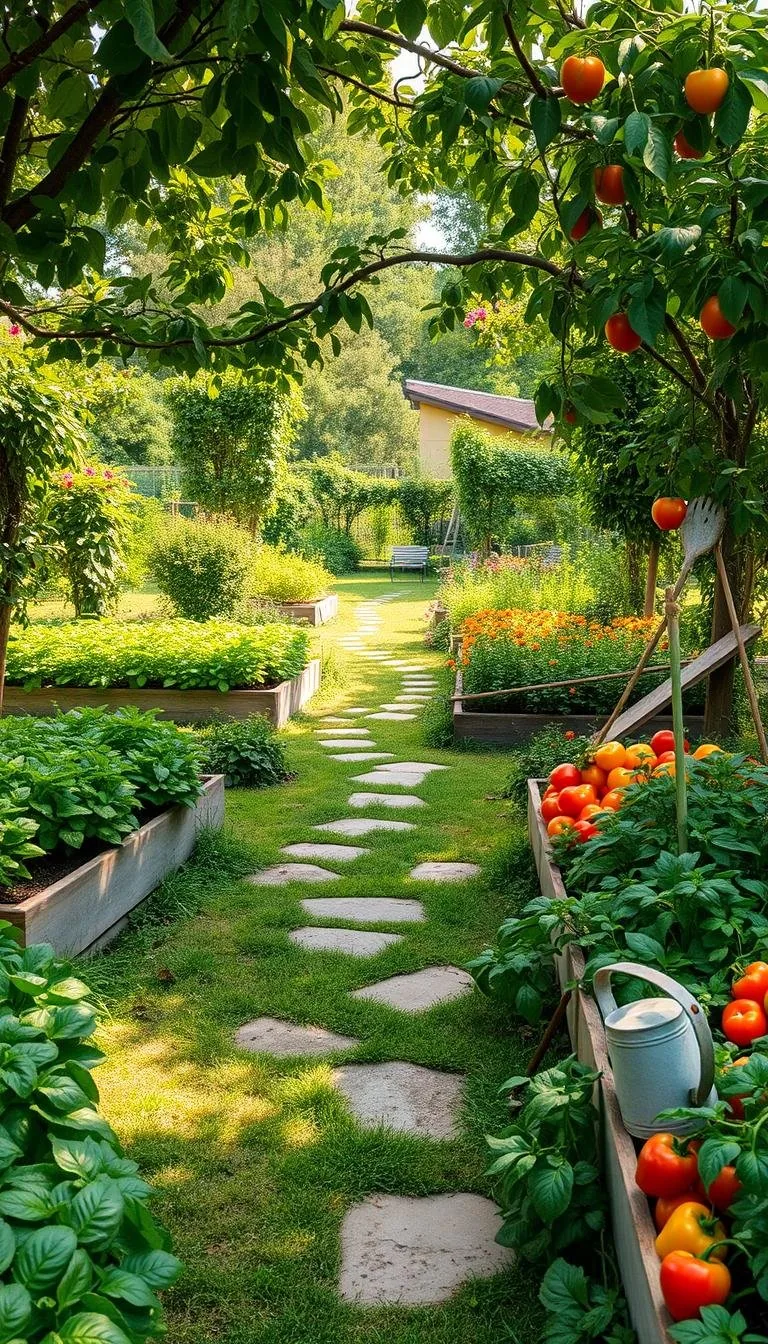
Starting a Veggie Garden Layout is all about planning. A well-thought-out Home vegetable garden design can make a small backyard productive. It improves plant health, saves time, and increases harvests.
Whether you're new or experienced, good design is key. It makes every inch of your garden count.
This guide offers tips to make gardening easier. You'll learn about spacing, sunlight, and soil. These factors are critical for success.
Find layouts that suit your family and space. Each tip helps you grow more with less effort. Your garden will be both useful and lovely.
Understanding the Basics of Veggie Garden Layout
Starting a vegetable garden means knowing how design affects growth and harvest. A well-designed garden reduces stress and boosts productivity. Here's how to create a layout that fits your space and goals.

Importance of Garden Design
Good design stops overcrowding and saves space. It also:
- Ensures plants get enough sunlight and air
- Makes watering and weeding simpler
- Increases yield with smart spacing
Key Factors to Consider
Before you start, think about these:
- Space: How much room do you have?
- Family needs: What veggies do you want to grow?
- Climate: Which plants thrive in your area?
- Maintenance time: How much work can you handle?
Common Gardening Terms
Learn these terms to make planning easier:
- Succession planting: Rotating crops for year-round harvests
- Interplanting: Growing crops together to save space
- Intensive gardening: Maximizing yield in small spaces
Choosing the Right Location for Your Garden
Creating the best layout for a backyard garden starts with choosing the perfect spot. Let’s break down three key factors to ensure your veggies thrive from day one.

Sunlight Requirements
Most vegetables need 6–8 hours of daily sunlight. Start by tracking sunlight patterns in your yard. Use a notebook to note shaded areas at different times of day.
For example, south-facing spots get the most sun in northern climates. If your space is partially shaded, try leafy greens like lettuce or herbs that tolerate less light.
Soil Quality Assessment
Healthy soil means healthy plants. Test your soil’s pH using a kit from a local nursery. Ideal pH ranges from 6.0 to 7.5 for most veggies.
Check drainage by digging a hole, filling it with water, and timing how long it drains. Slow drainage? Add compost to improve texture. Raised beds work wonders for poor soil!
Proximity to Water Sources
Placing your garden near a faucet or rain barrel cuts watering time. A hose long enough to reach all areas saves steps. Drip irrigation systems are efficient but require easy access to water.
Even small gardens benefit from a nearby water source—no dragging hoses across the yard!
“A garden’s location is its foundation. Get it right, and the rest falls into place.”
Popular Veggie Garden Layouts

Choosing the right layout can make your garden more productive. There are three top systems that make planning easier and increase your harvest. Let's look at each style's setup and benefits.
Raised Bed Gardens
Go for raised bed gardening ideas to control the soil better. Build beds 4 feet wide for easy reach. Use cedar or composite materials to prevent rot.
These beds are great for small spaces. They warm up faster in spring and drain water well. Add pathways between beds for easy access.
- Bed height: 8–12 inches
- Length: Customizable based on space
- Drainage holes or gaps in bottom
Traditional Row Gardens
Classic row layouts are good for large plots. Space rows 18–36 inches apart. Align them north-south for even sun exposure.
They're perfect for crops like corn or potatoes that need room to spread out.
Square Foot Gardening
Master the planting layout for vegetable garden squares. Divide a 4x4-foot bed into 1-foot sections. Plant each square with specific numbers of crops—like 16 carrots or 1 tomato.
This method reduces waste and increases yields in tight spaces.
“Square foot gardening turns even tiny yards into productive plots.”
Each layout meets different needs. Raised beds are great for poor soil, rows are best for big gardens, and square foot systems are perfect for small areas. Mix methods if needed—like raised beds for tomatoes and rows for beans—to create a flexible, thriving garden.
Companion Planting Strategies
Companion planting is key in organic gardening layout that makes plants healthier and more productive. It pairs plants in a way that fights pests, improves soil, and uses space well. This method makes your garden a lively ecosystem.

Benefits of Companion Planting
Pairing plants wisely has many benefits. For example, marigolds keep nematodes away, and borage attracts bees. Organic gardening layout often includes these pairs to reduce pest control needs. Plants like beans add nitrogen to the soil, helping plants like corn or lettuce grow better.
Best Combinations for Veggies
Some classic pairings are very effective:
- Tomatoes + basil: Makes tomatoes taste better and keeps hornworms away
- Corn, beans, and squash (Three Sisters): A Native American method where corn supports beans, beans fix nitrogen, and squash shades the soil
- Carrots + onions: Their scents confuse carrot rust flies
Avoiding Harmful Pairings
Not all plants get along. Avoid:
- Fennel near tomatoes or Brassicas (stunts growth)
- Corn near tomatoes (shared pests like spider mites)
- Potatoes and cucumbers (compete for nutrients)
Keep a journal to track plant interactions. Start with small sections to see what works in your organic gardening layout. As you learn, adjust your pairings. Let nature's partnerships help you grow a strong, chemical-free garden.
Vertical Gardening Techniques
Vertical gardening turns small spaces into food gardens. It lets plants grow up, saving space and making it easier to reach them. This method also boosts air flow. Learn how to stack plants without losing style.
Benefits of Vertical Gardening
Vertical gardens use less ground, saving up to 50%. They also:
- Lessen pest and disease issues with better air flow
- Make picking produce easier with plants at eye level
- Provide shade for plants that like it cooler
Suggested Plants for Vertical Layout
Vining plants do great in vertical gardens. Focus on:
- Cucumbers and zucchini on netting
- Pole beans and snow peas on tepees
- Tomatoes in cage-supported clusters
- Eggplants and peppers in staked rows
Creating Structures for Support

- Cattle panel arches for sprawling crops
- Recycled ladder trellises for beans and peas
- Wall-mounted pockets for herbs and strawberries
- DIY bamboo teepees for flexible setups
Use old materials like pallets or fencing to save money. Mix vertical features with regular beds for a good look and function in your planting layout for vegetable garden.
Seasonal Planning for Your Veggie Garden
Starting a vegetable garden that grows all year needs smart planning. This guide will help you pick the right crops, get the most from your harvest, and keep your soil healthy. It's all about timing.
Annual vs. Perennial Crops
Annuals like tomatoes and cucumbers grow quickly but need to be replanted every year. Perennials, such as asparagus or mint, come back season after season. Mixing both types ensures a steady supply of fresh veggies without the constant replanting.
Crop Rotation Benefits
Rotating crops helps avoid nutrient loss and pest problems. Here's a simple 4-year plan:
- Year 1: Leaf crops (lettuce, kale)
- Year 2: Legumes (beans, peas)
- Year 3: Root vegetables (carrots, turnips)
- Year 4: Alliums (onions, garlic)
"Crop rotation reduces disease pressure and keeps soil fertile over time," says the USDA Agricultural Research Service.
Timing for Planting and Harvesting
Know your USDA hardiness zone for the best planting times. Here are some tips:
- Spring: Start peas and radishes when soil warms to 50°F
- Summer: Plant tomatoes and corn after last frost
- Fall: Sow kale and broccoli for late-season harvests
Planting every 2-3 weeks keeps your harvest going. Keep a calendar to track when you planted. This way, your garden will always have something ready to eat. Remember to watch for frost dates and adjust for your local weather.

Enhancing Your Garden with Companion Flowers
Flowers are more than just pretty—they help your garden grow. By placing certain blooms wisely, you can make your veggie garden healthier and more beautiful. Best layout for a backyard garden is all about mixing flowers with veggies. Let's see how to make your garden both useful and lovely.
Choosing Beneficial Flowers
- Marigolds: Release chemicals repelling nematodes, perfect for border plantings.
- Nasturtiums: Lure aphids away from veggies, acting as living pest traps.
- Sunflowers: Attract bees while providing trellis support for climbers like cucumbers.
Pollinators and Pest Control
Flowers like lavender and cosmos attract bees and butterflies, helping pollinate veggies. Planting calendula and borage feeds beneficial insects, keeping pests away. Their constant blooms ensure helpers are around all season.
Aesthetic Layout Tips
Integrate flowers into veggie beds or border paths for a livelybest layout for a backyard garden. Sunflowers in corners add height, while marigold borders frame paths. Even edible flowers like nasturtium petals can add to salads, making every plant count.
Incorporating Herbs in Your Veggie Layout
Add herbs to your home vegetable garden design for fresh tastes and pest control. Herbs like basil and thyme grow well with veggies. They add flavor and make your garden more interesting.
Recommended Herb Varieties
Choose herbs that grow easily in your area. Perennials like sage and rosemary come back every year. Annuals like dill and chives offer seasonal benefits. Use pots for herbs like mint that spread a lot.
- Basil: Boosts tomato flavor and repels aphids
- Parsley: Complements carrots and adds vitamin-rich greens
- Lavender: Deters pests while attracting pollinators
Spacing Considerations
Make sure herbs have enough space to grow. Space out herbs like oregano 18-24 inches apart. Use barriers or pots to keep mint from taking over.
Culinary Uses of Fresh Herbs
Match herbs with veggies they complement. Use basil in tomato salads, thyme with roasted veggies, and cilantro in salsa. Dry or freeze herbs to save them for later. Keep herb patches near your kitchen for easy access.
Herbs like lemon balm also keep pests away. They're great for home vegetable garden design. Try small groups to see which herbs do best in your garden.

Sustainable Practices for Veggie Gardening
Design choices greatly affect how gardens interact with the environment. A sustainable garden layout helps reduce waste and improves plant health. Begin by adding organic materials to your organic gardening layout. This cuts costs and protects the soil.
“A well-planned garden mirrors nature’s balance.” – Dr. Emily Green, Sustainable Agriculture Specialist
Build Soil Naturally
- Layer compost into beds to replace synthetic fertilizers
- Rotate cover crops like clover to fix nitrogen
- Use straw mulch to retain moisture and suppress weeds
Water-Wise Design Tips
Use rain barrels and drip irrigation systems. Create sunken basins around plants to catch runoff. Mulch pathways to slow down evaporation.
Pest Control Through Layout
Plant marigolds at plot edges to deter nematodes. Use tall crops like sunflowers as windbreaks that protect tender plants. Rotate crops yearly to disrupt pest cycles.
These methods save money in the long run. A organic gardening layout with these elements can cut input costs by 30% over five years, according to USDA studies. Start small—add one sustainable feature each season to build an eco-friendly garden.
Maintenance Tips for a Thriving Garden
A well-designed veggie garden layout makes upkeep easier. Strategic pathways and bed spacing save time. Smart storage spots for tools cut extra steps. Small adjustments keep plants healthy and your garden productive year-round.
Regular Weeding and Mulching
Mulch beds with straw or shredded leaves to smother weeds and lock in moisture. A tidy veggie garden layout with wide aisles lets sunlight reach soil edges, reducing unwanted growth. Weed early in the season to stop roots from spreading.
Pruning and Supporting Plants
Trim leggy stems on tomatoes or peppers to boost airflow and fruit growth. Use trellises for peas or cucumbers to keep vines off wet soil. Proper spacing in your layout prevents overcrowding, making it easier to spot pests or disease early.
Monitoring and Adjusting Soil Health
Test soil yearly with a home kit to check nutrient levels. Amend season, add compost to beds to rebuild soil. Adjust layout paths if certain areas dry out too fast or stay soggy, ensuring plants thrive where they’re placed.
Seasonal reviews of your veggie garden layout highlight improvements. Did pathways stay dry? Were plants easy to reach? Small tweaks each year turn your garden into a space that grows with your skills. Keep notes on what works and adapt layouts to family needs—like expanding herb sections or adding raised beds for easier access. A thoughtful layout today saves effort tomorrow.