Gardening doesn't have to be hard. This beginner's guide to vegetable gardening is your easy guide to growing fresh food. It doesn't matter if you have a big backyard or a small balcony. This article will show you how to start a vegetable garden with ease.

Learn how to choose the best plants, get your soil ready, and take care of your crops. This vegetable garden for beginners guide has everything from planting seeds to harvesting your veggies. You'll get tips to avoid common mistakes and enjoy the fun of growing your own food.

No experience? No worries! This guide makes gardening simple. Each step builds your skills slowly, helping you succeed even if you're new. Making mistakes is okay—this guide turns them into chances to learn.

The Benefits of Starting a Vegetable Garden

Starting a vegetable garden turns your yard into a lively spot that feeds both your body and soul. It doesn't matter if you're using pots or a backyard plot. The benefits of growing your own food are huge. Let's look at how it's good for your health, your wallet, and the planet.

Why Grow Your Own Vegetables?

Health Benefits of Homegrown Produce

Homegrown veggies are packed with more nutrients than store-bought ones. They're picked at the peak of ripeness. Growing organically means no harmful pesticides on your plate.

Plus, gardening is a form of exercise. Digging, weeding, and watering burn calories while you tend to your garden.

Environmental Impact of Home Gardening

Every garden cuts down on carbon footprints by reducing food miles and packaging waste. Even a small plot helps biodiversity, attracting pollinators like bees. By avoiding industrial farming, you lessen your environmental impact while enjoying fresh food.

Choosing the Right Location for Your Garden

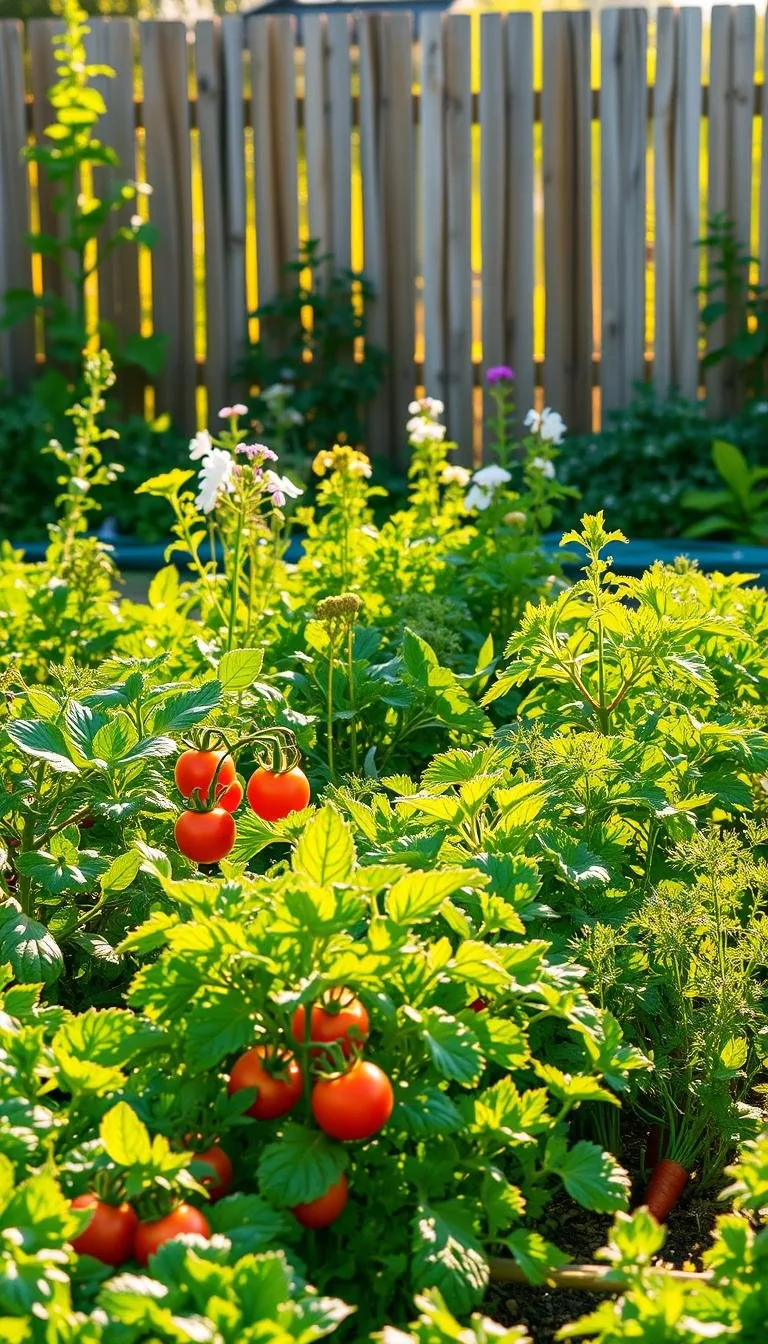
A lush, well-tended vegetable garden set in a cozy, sun-dappled corner of a backyard. The foreground showcases raised garden beds overflowing with vibrant greens, tomatoes, and other thriving produce. The middle ground features a meandering garden path, flanked by flourishing herbs and flowers that attract pollinators. In the background, a wooden fence or hedge provides a natural boundary, while a clear blue sky with wispy clouds overhead creates a serene, inviting atmosphere. The lighting is soft and diffused, casting gentle shadows and highlighting the verdant, healthy plants. The overall composition evokes a sense of tranquility, abundance, and the perfect setting to embark on a fulfilling vegetable gardening journey.

Starting a vegetable garden begins with finding the perfect spot. Let’s break down three key factors to ensure your plants thrive. First, sunlight is essential. Most vegetables need 6–8 hours of direct sunlight daily.

Sunlight Requirements

Track sunlight patterns in your yard. Use a notebook to note which areas stay sunny morning to afternoon. Leafy greens like lettuce tolerate partial shade, but tomatoes and peppers demand full sun. Test shady spots with quick-growing lettuce seeds first—they’ll show if sunlight levels work.

Accessibility and Convenience

“A garden you see daily is a garden you’ll tend daily.”

Soil Drainage Considerations

Check drainage with a simple test: dig a hole, fill it with water, and time how long it drains. If water pools for hours, add compost or build raised beds. Raised garden kits like the EarthBox solve poor drainage without digging.

Even small spaces work—use containers or vertical setups. Simple vegetable garden ideas for beginners include planting herbs near the patio or using old barrels. Remember: the best location isn’t perfect, but it’s the best you can manage now.

Understanding Soil Types and Preparation

Healthy soil is key for a great Vegetable Garden For Beginners. Getting it right means your plants will grow well. Let's explore the basics of soil science in simple terms.

Identifying Your Soil Type

First, test your soil's texture. Squeeze a handful of damp soil:

Importance of Soil Quality

Soil quality is vital for plant health and growth. Look for:

Improving your soil now saves time later. Think of it as laying the foundation for your vegetable garden.

How to Amend Your Soil

Adjust your soil with these easy steps:

  1. Add compost to sandy soil for moisture retention.
  2. Work in sand to loosen clay-heavy ground.
  3. Use peat moss or perlite for better airflow.

Test soil pH yearly to track progress. Small changes each season make a big difference.

Selecting the Best Vegetables for Beginners

Now that you’ve picked the perfect spot and prepared your soil, it’s time to choose plants that match your skills and space. Best vegetables to grow for beginners thrive in varied conditions. You’ll enjoy quick rewards while learning gardening basics.

A vibrant vegetable garden in warm afternoon sunlight, featuring an assortment of beginner-friendly produce laid out on a rustic wooden table. In the foreground, a selection of lush, leafy greens such as kale, spinach, and lettuce, alongside plump tomatoes, crunchy carrots, and crisp bell peppers. In the middle ground, a handful of herbs, including basil, parsley, and chives, add pops of color and aroma. The background suggests a cozy, backyard setting with a backdrop of verdant foliage and a hint of a wooden fence. The overall composition conveys a sense of abundance, simplicity, and the joy of homegrown goodness, perfectly capturing the essence of "Selecting the Best Vegetables for Beginners".

Easy-to-Grow Vegetable Options

Start with crops that forgive mistakes and grow fast.

These crops handle minor neglect and reward patience with bountiful harvests.

Understanding Seasonality

Match plants to your climate. Cool-season crops like peas and spinach thrive in spring/fall. Warm-season veggies like tomatoes and peppers need summer heat. Check your USDA Hardiness Zone and local frost dates at USDA Plant Hardiness Zone Map to time plantings right.

Planning for Your Space

Even small spaces shine with growing vegetables for beginners. Use containers for herbs like basil or cherry tomatoes. Vertical options like trellises work for beans or cucumbers. Raised beds or pots save space while keeping roots happy. Start small—3-5 plants of each type ensures success without overwhelm.

The Essentials of Garden Planning

Planning is key to a successful garden. It doesn't matter if you have a small backyard or a balcony. Simple vegetable garden ideas for beginners begin with a detailed plan. Start by drawing your garden on paper or use online tools like Garden Planner Pro.

Even small changes in layout can make a big difference. They can help use sunlight better and make it easier to move around.

Creating a Garden Layout

Organize plants using grid patterns or raised beds. For small spaces, vertical trellises are great. They save space and let plants grow up.

Make sure paths are wide enough to avoid stepping on the soil. Aim for paths that are at least 18 inches wide. Here's a tip for a starting a vegetable garden layout: put leafy greens together. Place tall plants like corn at the garden's edge to prevent them from shading other plants.

Companion Planting Basics

Plant different types together to help each other grow. Don't overcrowd to prevent diseases from spreading.

Crop Rotation Principles

Rotate plants every year to keep the soil healthy. Group plants like tomatoes, peppers, and eggplants together. Wait 3-4 years before planting the same family in the same spot again.

For example, plant beans (which fix nitrogen) and then follow with leafy greens the next season.

Planting Techniques for Success

Learning how to plant can turn your garden dreams into real harvests. Whether you start with seeds or seedlings, these easy vegetable garden tips make it easier at every step.

Seedling vs. Seed Planting

For cheaper crops like beans or carrots, seeds are the way to go. For quicker growth, use nursery seedlings for tomatoes or peppers. Make sure seedlings have strong stems, not long and weak ones.

Vibrant vegetable garden layout, showcasing a detailed spacing guide for optimal planting. Crisp, high-resolution image captured with a wide-angle lens, bathed in warm, natural daylight. Lush, verdant foreground featuring various vegetables neatly arranged in rows, with precise spacing measurements indicated. Soft, blurred background of a quaint country setting, with a wooden fence and rolling hills in the distance, creating a serene, inviting atmosphere. The overall composition conveys a sense of order, practicality, and the joy of nurturing a thriving vegetable patch.

Proper Spacing and Depth

Plants need room to grow. Here are some spacing tips:

Too close together can cause mildew and slow growth. Depth is important too. Bury tomato stems deep to help roots grow, but keep lettuce seeds close to the surface.

Best Practices for Transplanting

Transplanting right is key. Here's how to do it:

  1. Move seedlings outdoors gradually for 2-3 days
  2. Water plants 24 hours before moving
  3. Plant at the same soil level as nursery pots

Transplant in the evening to avoid shock. If leaves start to wilt, cover them with shade cloth for a few days.

“Patience is the best fertilizer,” say seasoned growers. Let roots establish before rushing harvests.

Mistakes happen, but don't give up. Adjust spacing or move plants early. Every mistake is a chance to learn more in your growing vegetables for beginners journey.

Watering Your Vegetable Garden

Learning to water is essential for healthy plants in any Vegetable Garden For Beginners. Follow these easy vegetable garden tips to avoid common mistakes. This will keep your plants happy and thriving.

Watering Frequency and Timing

Water your garden in the early morning to cut down on evaporation. Check the soil by poking it 1–2 inches deep. If it's dry, it's time to water.

Sandy soil might need daily checks, while clay soils hold moisture longer. Adjust your watering schedule for hot weather or after rain.

Techniques for Efficient Watering

Signs of Overwatering or Underwatering

Wilting leaves? Check the soil first. Underwatered plants have dry, cracked soil and crispy leaves. Overwatered plants show yellow lower leaves and soggy soil.

Let the soil dry slightly between waterings to find the right balance.

Pest Control in the Vegetable Garden

Keeping pests away from your plants is essential in vegetable gardening. This guide shows you how to keep your garden safe without using harsh chemicals.

A lush vegetable garden in natural light, with various organic pest control methods in the foreground. In the middle ground, a diverse array of thriving vegetable plants, including leafy greens, tomatoes, and bell peppers. In the background, a well-maintained compost pile and a birdbath, creating a harmonious ecosystem. The scene is bathed in soft, diffused sunlight, conveying a sense of tranquility and balance. Subtle details like ladybugs, floating row covers, and companion planting provide visual cues for the natural pest control methods employed.

Common Pests and Their Solutions

Be on the lookout for these pests:

Natural Pest Control Methods

Here are some eco-friendly ways to fight pests:

  1. Insecticidal soap: Kills soft-bodied pests instantly. Mix it with water as instructed.
  2. Neem oil: Keeps eggs and larvae away. Spray it every 7–14 days.
  3. Beneficial insects: Ladybugs and lacewings eat aphids. Plant flowers to attract them.

Preventive Measures to Protect Your Garden

Prevention is key to keeping pests away:

Some pest damage is okay. Focus on keeping your plants healthy to grow past minor problems.

Fertilizing Your Garden Effectively

Fertilizing is a key step in how to start a vegetable garden. Even beginners can simplify the process with these tips. Let’s break down the essentials.

Types of Fertilizers

Fertilizers come in forms like granular, liquid, or slow-release. Check N-P-K numbers on labels. A 10-10-10 mix offers balanced nutrition.

Organic vs. Synthetic Options

Organic choices like compost or manure enrich soil gently. Synthetic fertilizers act fast but may harm soil microbes. Mix both for best results.

How and When to Fertilize

Apply at planting and during growth spurts. Tomatoes need more than beans. Yellow leaves? That means low nitrogen. Start small to avoid overdoing it.

For Vegetable Garden For Beginners, testing soil and observing plants helps avoid mistakes. Happy growing!

Harvesting Your Vegetables

A tranquil vegetable garden lush with thriving plants, the foreground showcasing a person in casual attire gently harvesting an array of fresh produce - leafy greens, plump tomatoes, crisp carrots, and vibrant peppers. Soft natural light filters through verdant foliage, casting a warm, inviting glow. The middle ground reveals neat rows of nourishing crops, while the background depicts a picturesque rural landscape with rolling hills and a cloudless azure sky. This scene exudes a sense of satisfaction, abundance, and the rewarding connection between the cultivator and the land.

Harvesting your vegetables is the sweetest part of growing vegetables for beginners! Knowing when and how to pick ensures peak flavor and nutrition. Let’s explore simple steps to maximize your bounty.

When to Know Your Vegetables Are Ready

Timing makes the difference. Check these signs:

Best Practices for Harvesting

Use clean shears to avoid damaging plants. Morning harvests keep produce crisp. Follow these easy vegetable garden tips:

Post-Harvest Storage Tips

Store properly to extend freshness. Leafy greens stay crisp in airtight bags. Try these methods:

With these steps, savor every bite of your homegrown harvest!

Common Mistakes to Avoid as a Beginner

Even the best beginner's guide to vegetable gardening can’t cover every hiccup, but knowing common pitfalls helps. Many first-time growers rush into projects too ambitious for their skill level. Here’s how to stay on track with simple vegetable garden ideas for beginners.

Starting too big is a top misstep. Overwhelmed by enthusiasm, some plant every seed in the catalog. Instead, focus on 3-5 plants like tomatoes or lettuce. Small successes build confidence faster.

Another mistake? Assuming plants will “figure it out.” Weekly inspections catch issues early. Keep a notebook to track growth and adjustments. Even seasoned growers tweak methods each season.

Gardening is learning by doing. Celebrate progress, not perfection. Adjust as you go—every season brings new lessons. Small steps lead to a thriving garden.

Resources for Ongoing Learning

Gardening is a journey of continuous discovery. As your garden grows, so will your skills. Explore these resources to deepen your knowledge and connect with fellow growers:

Books and Online Courses

Start with books like “The Vegetable Gardener’s Bible” by Edward C. Smith. It covers the best vegetables for beginners. Online platforms like Udemy and edX offer courses on vegetable gardening basics.

Sites like the National Gardening Association provide free guides on crop selection and soil care. YouTube channels such as “Garden Answer” share practical tips for troubleshooting common challenges.

Local Gardening Clubs and Workshops

Join local clubs through the American Community Gardening Association or check listings on Meetup.com. Universities like the University of California Cooperative Extension host workshops on pest control and crop rotation.

Many community gardens pair beginners with mentors. They help refine techniques like companion planting or seed saving.

Community Resources and Libraries

Public libraries often carry gardening books and host seed-lending programs. Programs like Richmond Grows Seed Lending Library offer free seeds with planting guides. Extension offices, such as those in USDA’s network, provide soil testing kits and disease diagnostic services.

Tool-sharing programs in cities like Portland let you borrow essential equipment without upfront costs.