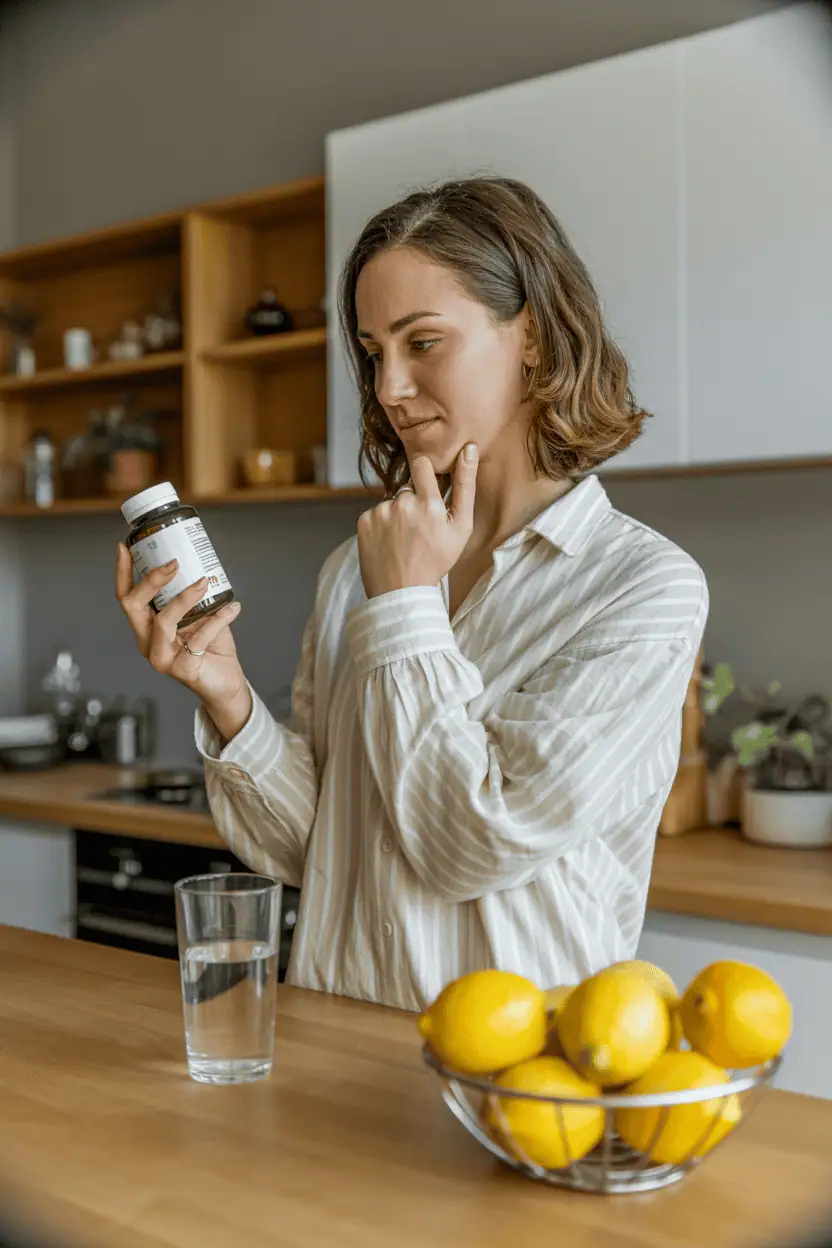

Colds, flu and other respiratory viruses spread more in the fall and winter. You cannot boost your immune system on demand, but you can lower your chances of getting sick and make it easier to recover by planning ahead.
This guide is a cold-season plan: what to do before it starts, how to reduce spread at home and work, what evidence says about vitamin C and zinc, and what to do when you are sick.
The most effective steps are vaccination, handwashing, staying home when sick, and keeping up sleep and activity. The CDC recommends that everyone 6 months and older get an annual flu vaccine, ideally by the end of October. Check current CDC guidance for other vaccines.
Before cold season: a checklist
| Task | Why | When |
|---|---|---|
| Flu shot | Reduces your risk of flu and its complications. | Ideally by the end of October. |
| Ask about other vaccines | COVID-19 and RSV vaccines are recommended for certain groups. Recommendations change, so check with a provider. | Early fall. |
| Stock your sick-day kit | Tissues, a thermometer, fluids, soup, any medicines you commonly use. | Before you need them. |
| Check your medicine cabinet | Discard expired medicines. | Once a year. |
| Plan your indoor movement | Cold weather lowers activity for many people. | Start in fall. See Indoor Walking Workout for Cold Winter Days. |
Everyday ways to lower your risk
- Wash your hands often with soap and water. If none is available, use an alcohol-based hand rub.
- Avoid close contact with people who are sick when you can.
- Cover coughs and sneezes.
- Clean frequently touched surfaces when someone at home is ill.
- Improve ventilation when you can, for example by opening windows briefly when weather allows.
Sleep, movement and food in winter
Short winter days can disrupt routines. Keep a steady sleep schedule (7 or more hours for adults), get outside in daylight when possible and aim for the CDC's target of 150 minutes of moderate activity a week. Eat regular meals with vegetables, beans, whole grains and protein. Soups and stews are an easy way to do that. If you want ideas, see the high-protein Mediterranean breakfast ideas.
What about vitamin C, zinc and other remedies?
| Remedy | What the research says | Notes |
|---|---|---|
| Vitamin C | For most people, it does not prevent colds and only slightly reduces their length and severity. | Taking it after symptoms start does not appear to help. |
| Zinc lozenges or syrup | Some studies suggest they may shorten colds if started early. | High doses over time can cause low copper. The FDA warned against zinc nasal products because of loss of smell. |
| Herbal products | Evidence is limited or inconsistent. | Ask a pharmacist about interactions. |
When you are sick
- Stay home. For flu, the CDC recommends staying home until symptoms are improving overall and you have been fever-free for at least 24 hours without fever-reducing medicine.
- Rest and drink fluids. Warm drinks and soup can be comforting.
- Ask a pharmacist about over-the-counter options that suit your other medicines and conditions.
- Return to activity gradually.
Seek care for trouble breathing, chest pain, confusion, severe or persistent vomiting, a fever that returns or does not improve, or symptoms that get worse after starting to improve. People who are pregnant, older, or have chronic conditions should contact a provider early. Call 911 for emergencies.
Related reading
- 7 Everyday Habits That Support Your Immune System
- Winter Wellness: How to Stay Healthy During the Cold Months
Holidays, travel and gatherings
| Situation | What helps |
|---|---|
| Holiday gatherings | Wash hands before eating, stay home if you feel sick and let hosts know if you are ill. |
| Air travel | Carry hand sanitizer, drink water and try to rest before and after the trip. |
| Visiting someone at higher risk | Skip the visit or reschedule if you have symptoms, and consider testing when appropriate. |
| Crowded indoor spaces | Improve ventilation if you can, and step outside for breaks. |
Protecting people at home when someone is sick
- Give the sick person their own space if possible, and ventilate the room.
- Wash hands often and do not share towels, cups or utensils.
- Clean high-touch surfaces, such as doorknobs, switches and phones.
- Wash bedding and towels on the warmest setting the fabric allows.
A winter soup formula
Soup is an easy way to eat vegetables, protein and fluids when you feel cold or run down. Use this formula and swap ingredients to suit your taste:
- Base: sauté onion, carrots and celery in olive oil for 5 to 7 minutes.
- Add flavor: garlic, herbs and spices for another minute.
- Add liquid: low-sodium broth or water, about 6 cups.
- Add protein: chicken, beans or lentils.
- Add grains or vegetables: rice, pasta, potatoes or greens near the end.
- Simmer until everything is tender, then season with salt, pepper and lemon.
Antibiotics and viruses
Most colds and flu are caused by viruses, and antibiotics do not treat them. If you have symptoms, ask a provider or pharmacist about the right approach, and do not ask for antibiotics unless you have a bacterial infection.
FAQ
What is the best way to avoid getting sick in winter?
Does zinc help with colds?
When is it flu season in the U.S.?
Sources and further reading