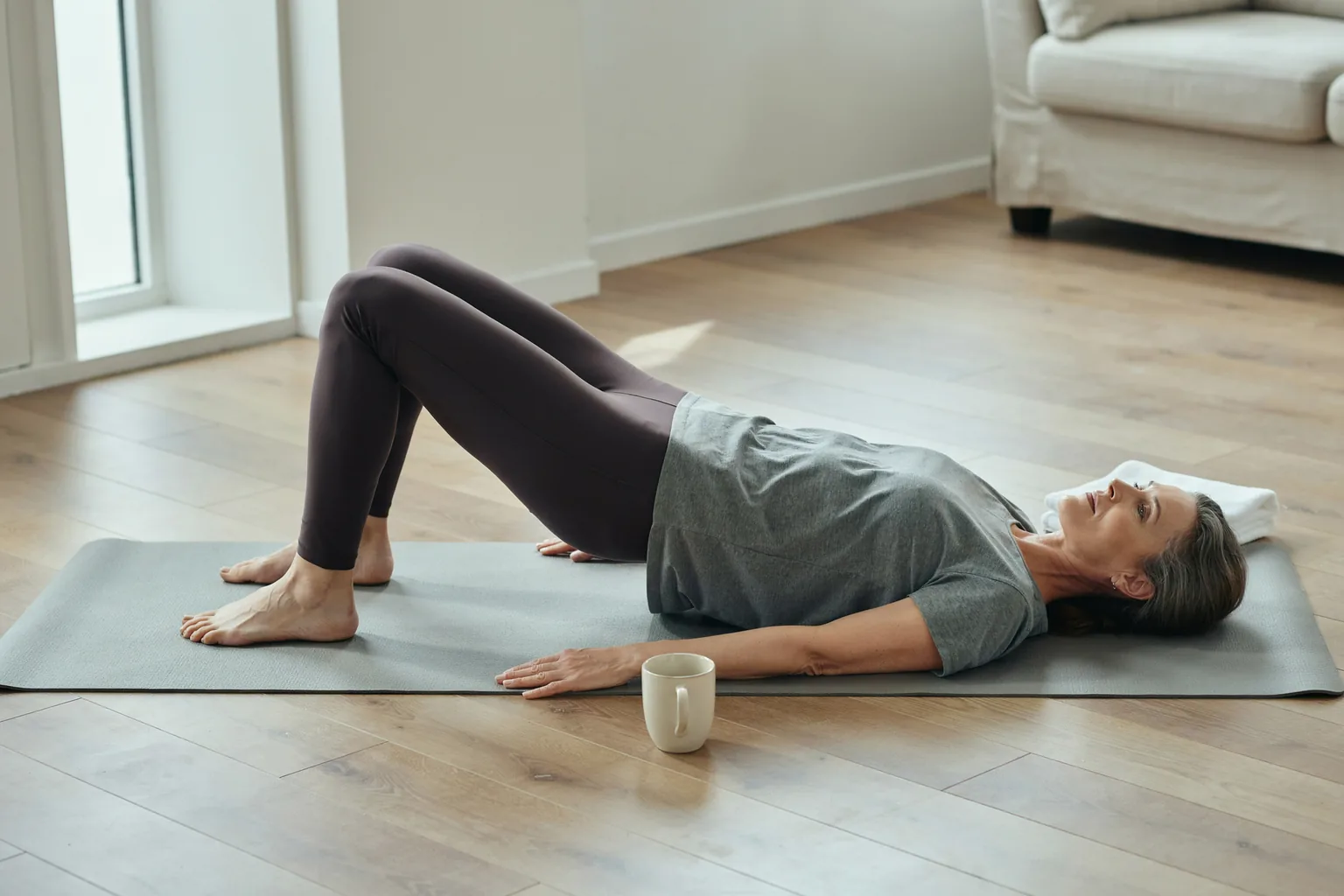

Spring often brings a burst of good intentions: longer days, warmer weather, a sense of a fresh start. It also brings pollen, unpredictable schedules and a gap between the plan in your head and the energy you have after work. Motivation is unreliable. What tends to work better is a setup that makes exercise easy to start and hard to skip.
This guide is about staying consistent, not about picking workouts. If you want specific plans, our 4-week spring plan and spring fitness challenges give you routines to follow.
Rely less on motivation and more on defaults: a set time, clothes ready, a "minimum version" for low-energy days and a plan for the two or three obstacles that usually derail you.
Why motivation fades
Motivation naturally rises and falls. It tends to be highest at the start of a plan and lowest when you are tired, stressed or busy. Instead of waiting to "feel like it," it helps to lower the bar for starting. Many people find that once they begin, the feeling improves. If it does not, doing a shorter version still counts.
Match the obstacle to a fix
| What gets in the way | Try this |
|---|---|
| "I'm too tired after work." | Change into workout clothes as soon as you get home, and commit to just 10 minutes. Move the session earlier, such as a lunch walk. |
| Pollen and allergies | Choose lower-pollen times of day, shorten outdoor sessions or move indoors on high-pollen days. Ask your provider about managing symptoms. |
| Rain or cold mornings | Have a 10-minute indoor routine ready, such as our home workouts. |
| Busy spring schedule (kids' sports, events) | Use the time you are already there: walk during practice, take a stroll at halftime. |
| Boredom | Change your route, walk with a friend, listen to a podcast, or try a new activity like hiking or dance. |
| Starting too hard | Cut your plan in half for two weeks, then build. Soreness that lasts more than a few days means slow down. |
| All-or-nothing thinking | Adopt the rule "never miss twice." One missed day is normal; two in a row is when habits slip. |
Five habits that make it easier to keep going
1. Anchor exercise to something you already do
"After I drop off the kids, I walk for 15 minutes." "After lunch, I do a loop around the building." Attaching a workout to an existing habit removes the daily decision.
2. Prepare the night before
Lay out shoes, water and clothes. If you plan to work out at home, clear your mat space. Small friction points, like searching for socks, can be enough to skip a session.
3. Use a two-level plan
Write a "full" and a "minimum" version for each session. On low-energy days, the minimum still counts. This keeps your streak of showing up even when your energy is not there.
4. Make it social, if that helps you
A walking partner, a coworker lunch walk or a weekly class gives you accountability. If you prefer solitude, use a simple check-in text to a friend: "Did my 15 minutes."
5. Track completion, not performance
A paper calendar with an X for each completed session is enough. Seeing a chain of X marks is often more motivating than tracking pace or weight, which fluctuate.
Spring-specific ways to make workouts enjoyable
- Go somewhere different: botanical gardens, a nearby trail or a park you have not visited.
- Use the daylight: an after-dinner walk in the longer evenings can become a routine.
- Try one seasonal activity: cycling, hiking, kayaking, a community garden or a local charity walk.
- Refresh your gear: supportive shoes and breathable layers help more than gadgets.
Persistent fatigue, low mood or loss of interest in things you normally enjoy can have medical or emotional causes. If low motivation lasts for weeks, or comes with other symptoms, talk to a health care provider. Also seek care for chest pain, dizziness or unusual shortness of breath during exercise.
A two-week reset if you have fallen off
| Days | What to do |
|---|---|
| 1 to 3 | Take a 10-minute walk each day. Nothing more. |
| 4 to 7 | Keep the walks. Add one 10-minute strength routine. |
| 8 to 10 | Extend walks to 15 minutes on three days. |
| 11 to 14 | Add a second strength session. Review what is working. |
Relying on willpower alone. Setting goals that depend on weather. Comparing your start to someone else's middle. Reaching for the intensity you had last year instead of where you are now.
FAQ
How do I start exercising again after a long break?
What if I only have 10 minutes?
Do I need a gym membership to stay consistent?
How long does it take to form a habit?
Sources and further reading