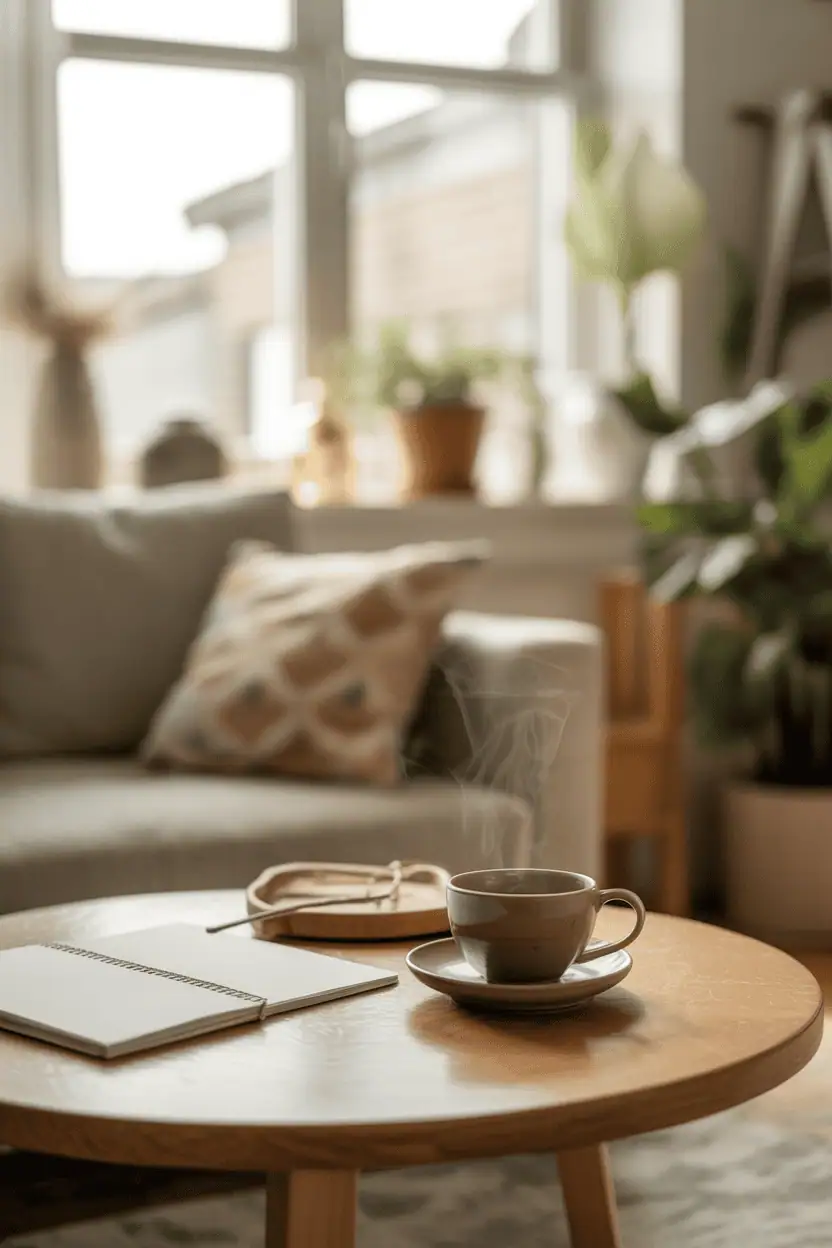
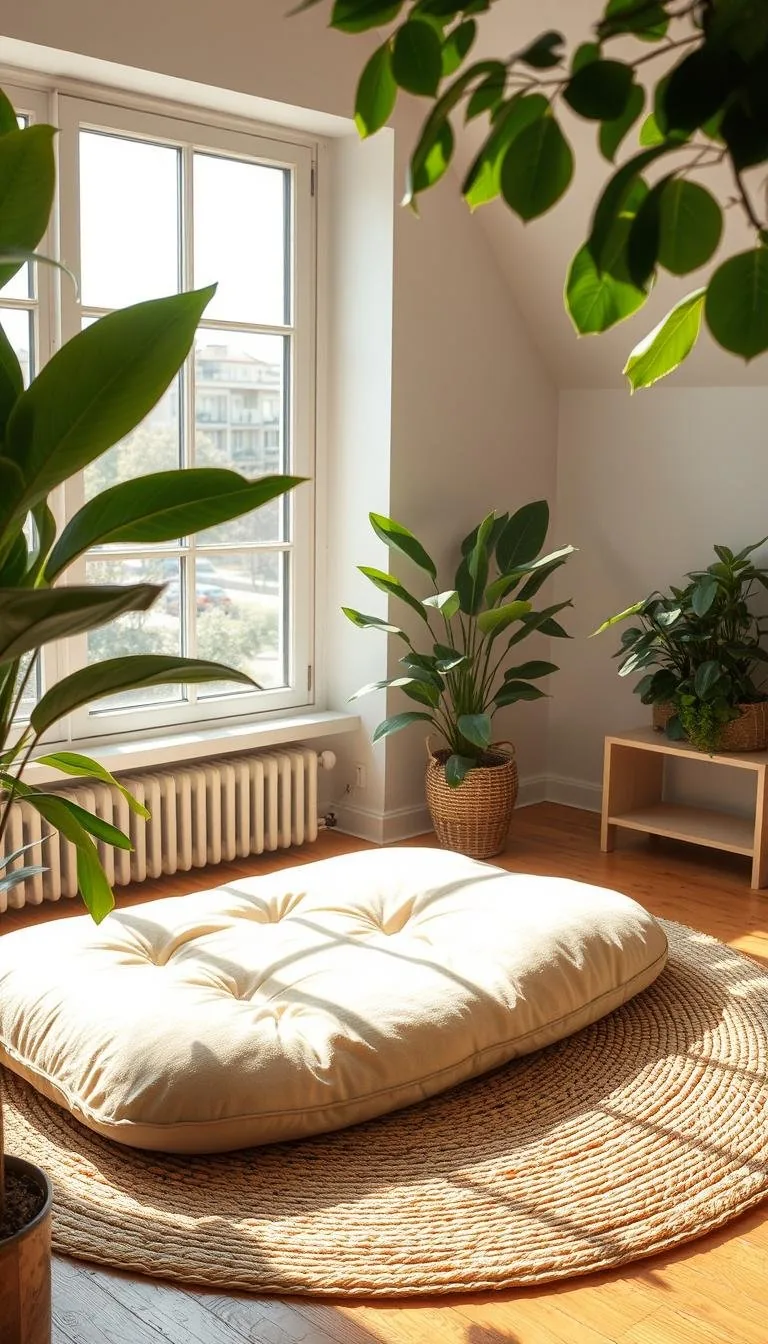
You do not need a spare room, a cushion collection or a shrine to meditate at home. A good meditation spot is a place you can reach easily, sit comfortably and stay undisturbed for a few minutes. It can be a corner of the bedroom, a chair by a window or even a spot on the sofa.
This guide helps you set up a simple space on a small budget, adapt it to shared homes and apartments and avoid the common mistakes that make a practice hard to keep.
Choose a comfortable seat, a quiet spot with soft light and a way to time yourself. Keep it simple, use it at the same time each day and do not let setup become a reason to delay starting.
What you actually need
| Item | Why | Budget option |
|---|---|---|
| A seat you can stay in | Comfort helps you stay for five to ten minutes. | A firm chair, a folded blanket or a couch corner. |
| A quiet spot | Fewer interruptions. | A corner of a bedroom or a closet doorway. |
| Soft light | Bright light is stimulating. | A lamp, or natural light near a window. |
| A timer | Lets you stop watching the clock. | Your phone in do-not-disturb mode, or a kitchen timer. |
| Something that signals "this is my quiet time" | A cue can make the habit stick. | A small plant, a candle you never leave unattended, or a particular blanket. |
Posture options
| Position | Good for | Tip |
|---|---|---|
| Sitting in a chair | Most people, and stiff hips or knees. | Feet flat, back supported, hands on your thighs. |
| Sitting on the floor | Flexible hips. | Sit on a folded blanket so your hips are above your knees. |
| Lying down | Pain or fatigue. | May bring sleep. Good for body scans or yoga nidra. |
| Standing or walking | Restlessness. | Walk slowly back and forth and feel your feet. |
Setting up in a shared home or a small apartment
- Tell people your quiet time and ask for five minutes without interruptions.
- Use headphones with quiet sounds or a guided recording if the house is noisy.
- Choose a portable setup: keep a folded blanket and a small timer in a basket you can bring out and tuck away.
- Try another room or a parked car if your home is never quiet.
Mistakes that make it harder
- Buying gear before you know whether you like the practice.
- Choosing a spot that is uncomfortable or near clutter and screens.
- Using a candle or incense that bothers your breathing. Skip scents if you have asthma or sensitivity.
- Waiting for a perfect space. A kitchen chair works.
Make it easy to start
Put the seat where you will see it, keep your phone in another room and start with five minutes. For a step-by-step practice, see Meditation for Beginners. If clutter is what keeps distracting you, try How to Declutter Your Home for Mental Clarity.
A 10-minute setup plan
| Step | Time | What to do |
|---|---|---|
| 1. Choose the spot | 2 min | Pick the quietest spot you already have. |
| 2. Clear it | 3 min | Remove piles, screens and anything that pulls your attention. |
| 3. Add a seat | 2 min | Bring a chair, cushion or folded blanket. |
| 4. Set the light | 1 min | Use a lamp or natural light, not bright overhead light. |
| 5. Add a cue | 1 min | A plant, a candle you never leave unattended or a particular throw. |
| 6. Sit | 1 min | Try your first two-minute session right away. |
Sound, temperature and comfort
- Sound: a fan, soft instrumental music or nature sounds can mask noise. Silence is fine too.
- Temperature: comfortable warmth helps. Keep a blanket nearby, since you may feel cooler when sitting still.
- Clutter: a tidy space can be more calming. See How to Declutter Your Home for Mental Clarity.
- Scent: optional. If you use a scented product, keep it light and stop if it bothers you.
Meditation and mindfulness are generally low-risk, but NCCIH notes that some people have negative experiences, such as increased anxiety or distressing memories. If a practice feels overwhelming, stop, open your eyes or shift to a gentler activity such as walking. If you have a history of trauma, panic attacks or serious mental health conditions, talk to a provider or a qualified teacher first. These practices do not replace medical or mental health care. In the United States, call or text 988 if you are in crisis.
FAQ
Do I need a special place to meditate?
What should I sit on?
Is it okay to meditate in bed?
Sources and further reading