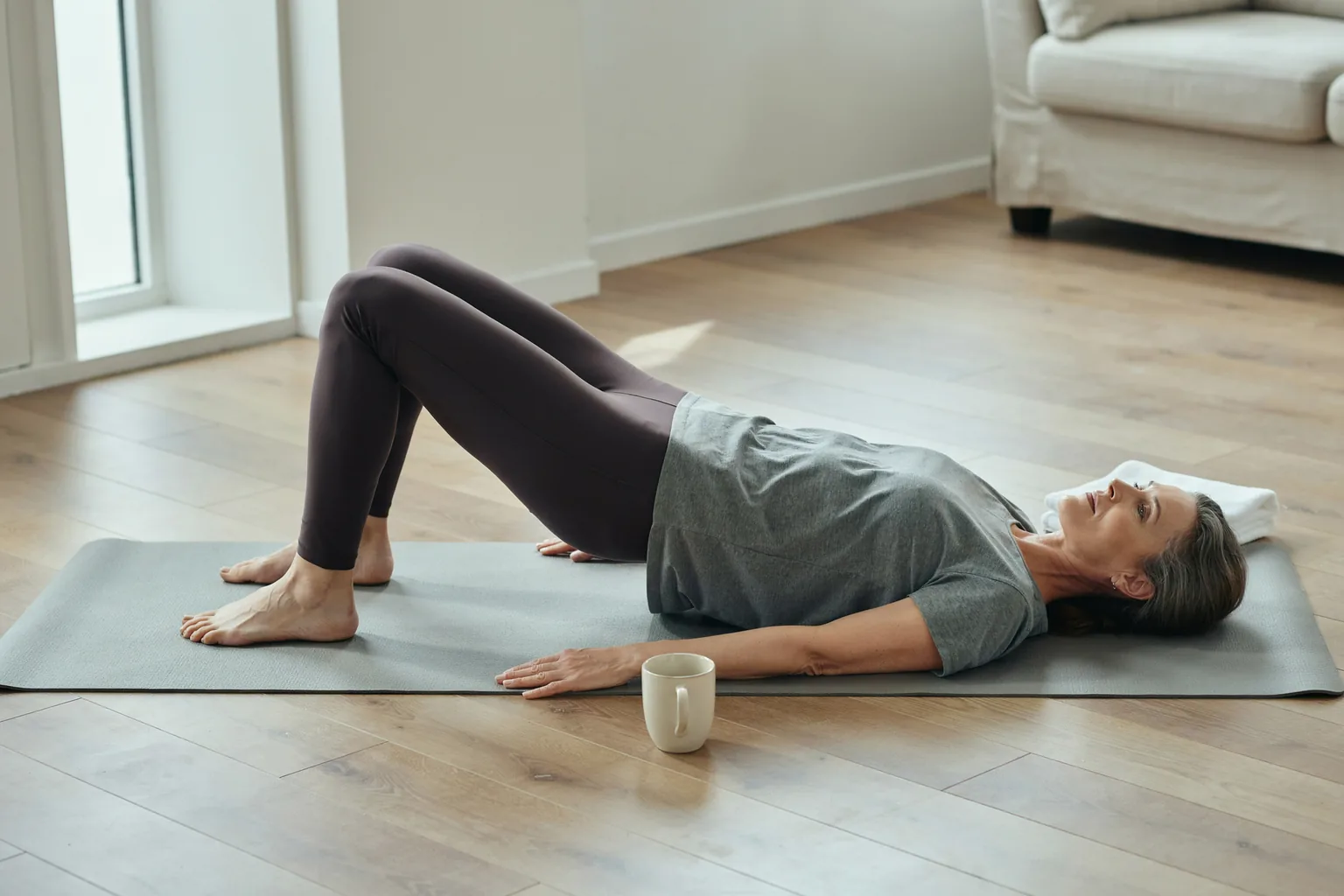
Strength training has a reputation problem. It gets pictured as heavy barbells, crowded gym floors and a look many women are told they should either want or avoid. In practice, it is much simpler: you ask your muscles to work against resistance, a little more over time, so everyday tasks like carrying groceries, climbing stairs and getting up from the floor stay easier.
This guide explains why strength training is worth considering, clears up the most common worries and gives you a starting framework you can use at home or in a gym.
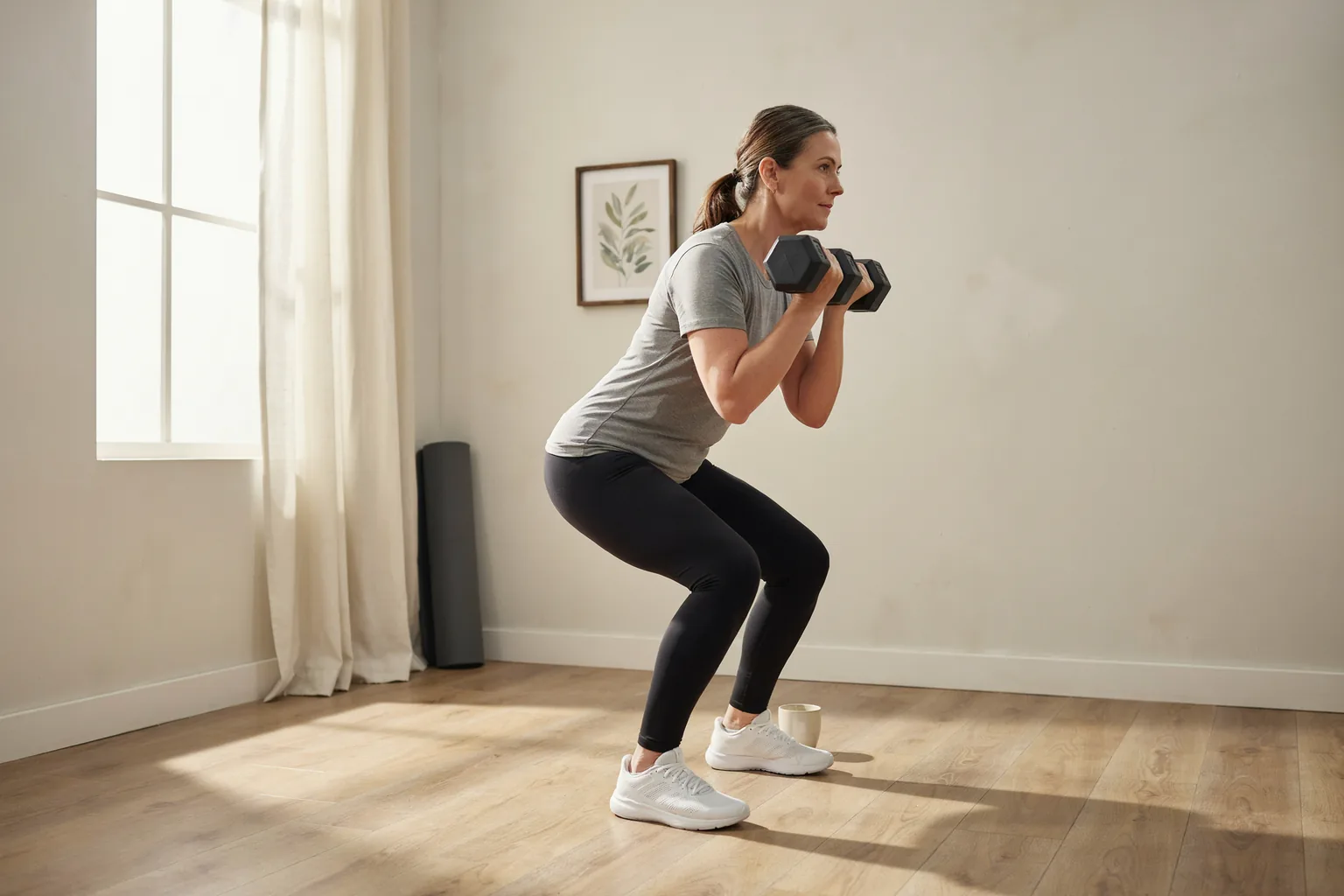
Start with two full-body sessions a week, each built around five basic movements: a squat, a hinge, a push, a pull and a core exercise. Use a weight that makes the last two repetitions of each set feel challenging while your form stays clean, and change one thing at a time as you improve.
What counts as strength training?
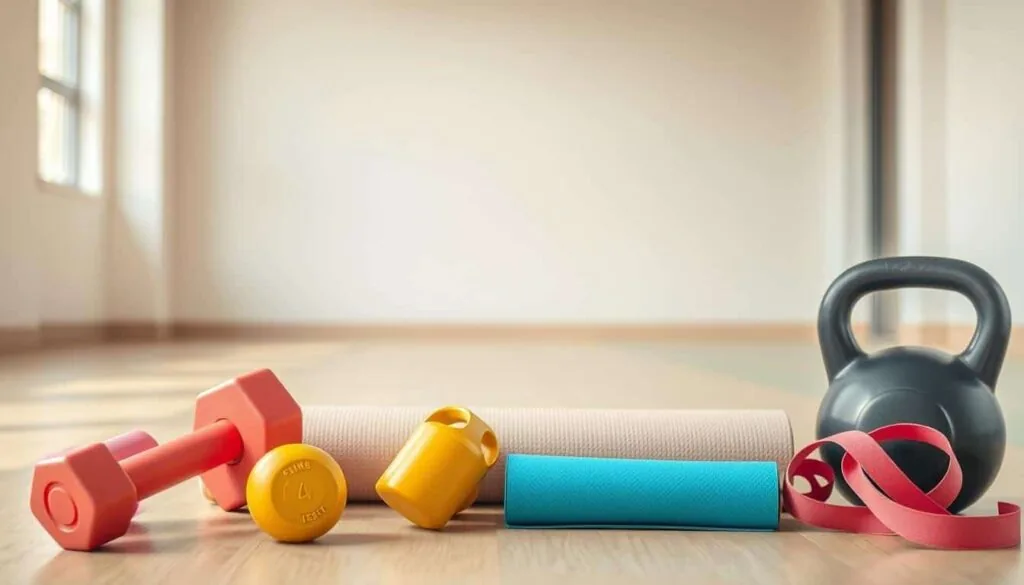
Any activity that makes your muscles work against resistance counts: body weight, resistance bands, dumbbells, kettlebells, weight machines or even a loaded backpack. The CDC recommends muscle-strengthening activity on at least 2 days a week for adults, working all the major muscle groups (legs, hips, back, abdomen, chest, shoulders and arms).
You do not need to lift heavy to start. The muscles respond to being challenged, and "challenging" is relative to where you are today.
Common worries, answered honestly
| Worry | What is more likely true |
|---|---|
| "I'll get bulky." | Building large amounts of muscle takes sustained, very hard training over years, and most women who follow a general beginner program do not end up with a bulky look. You can also simply choose how far to progress. |
| "I'm too old to start." | The CDC's guidance for adults 65 and older includes muscle strengthening on at least 2 days a week. Starting with light resistance is an accepted approach at any age. |
| "I need a gym." | You do not. A pair of dumbbells, a resistance band and a chair cover most of a beginner program. See our resistance band routine for a full example. |
| "I should do it to change my body." | Results vary widely, and strength training is best judged by what you can do (carry, climb, lift, stand up) rather than by appearance or the scale. |
| "It's not safe for me." | For most people, starting light and learning the movements is safe. If you have a medical condition, are pregnant or postpartum, or have osteoporosis, ask your health care provider what is appropriate first. |
Why many women choose to lift
Muscle mass and bone density naturally decline with age, and women in particular tend to lose bone more quickly after menopause. Regular resistance training is one of the habits commonly recommended to help maintain muscle and support bone health, alongside adequate calcium, vitamin D and protein. It is not a guarantee against age-related changes, but it is a practical way to work with them.
Other reasons people cite are less clinical and often more motivating: carrying a toddler, gardening without back strain, feeling steadier on the stairs and having a routine that feels more capable than punitive.
The five movement patterns to learn first
Instead of memorizing dozens of exercises, learn one version of each basic pattern. This is what a balanced beginner routine looks like.
Add one core exercise such as a dead bug or a plank variation. Our beginner core and strength routine gives you the exact steps, sets and repetitions.
How heavy should the weight be?
Choose a weight where you can complete 8 to 12 repetitions with good form, and the last two feel challenging but not shaky. If you reach 12 easily on every set, increase the weight slightly. If your form breaks down before 8, reduce it. This approach, sometimes called "reps in reserve," is a common starting point rather than a strict rule.
- Sets: 1 to 2 sets of each exercise for the first two to three weeks, then 2 to 3.
- Rest: about 60 to 90 seconds between sets.
- Pace: about 2 seconds to lift and 2 to 3 seconds to lower.
- Breathing: exhale during the effort and never hold your breath.
A first-month plan
| Week | Sessions | Each session |
|---|---|---|
| 1 | 2 (non-consecutive days) | 5 exercises, 1 set of 10 each, very light weight to practice form |
| 2 | 2 | 5 exercises, 2 sets of 8 to 10 |
| 3 | 2 | 5 exercises, 2 sets of 10 to 12, slightly heavier where it feels easy |
| 4 | 2 to 3 | 5 exercises, 2 to 3 sets of 8 to 12; add a short walk on non-lifting days |
Pair the sessions with easy walking or one of the short routines in our 10-minute home workout guide on other days.
Warm up and recover
Five minutes of brisk walking, arm circles and bodyweight squats is enough to warm up. Leave at least one full day between sessions that work the same muscles. Mild muscle soreness is common for a day or two after starting. Sharp or joint pain, swelling or pain that lingers for more than a few days is a reason to reduce the load and check in with a professional.
Talk to a health care provider or a qualified trainer before starting if you are pregnant or postpartum, have osteoporosis, joint replacement, high blood pressure that is not well controlled, heart disease, or persistent pain. A certified trainer can also check your form in a single session.
What about eating for strength?
Muscles need enough total food and adequate protein. Most beginners do not need special shakes or supplements; regular meals that include a protein source (eggs, Greek yogurt, beans, fish, poultry, tofu) are a reasonable starting point. For practical ideas, see our high-protein snack guide.
Common beginner mistakes
Going too heavy too soon and losing form. Changing the whole program every week, which makes progress hard to see. Skipping legs and back in favor of arms. Judging progress only by the scale. Track instead how many repetitions you can do, how much weight you use and how movements feel.
FAQ
How many days a week should a beginner lift?
Can I do strength training at home?
Will strength training make me gain weight?
Is it OK to lift while on my period or during perimenopause?
Sources and further reading