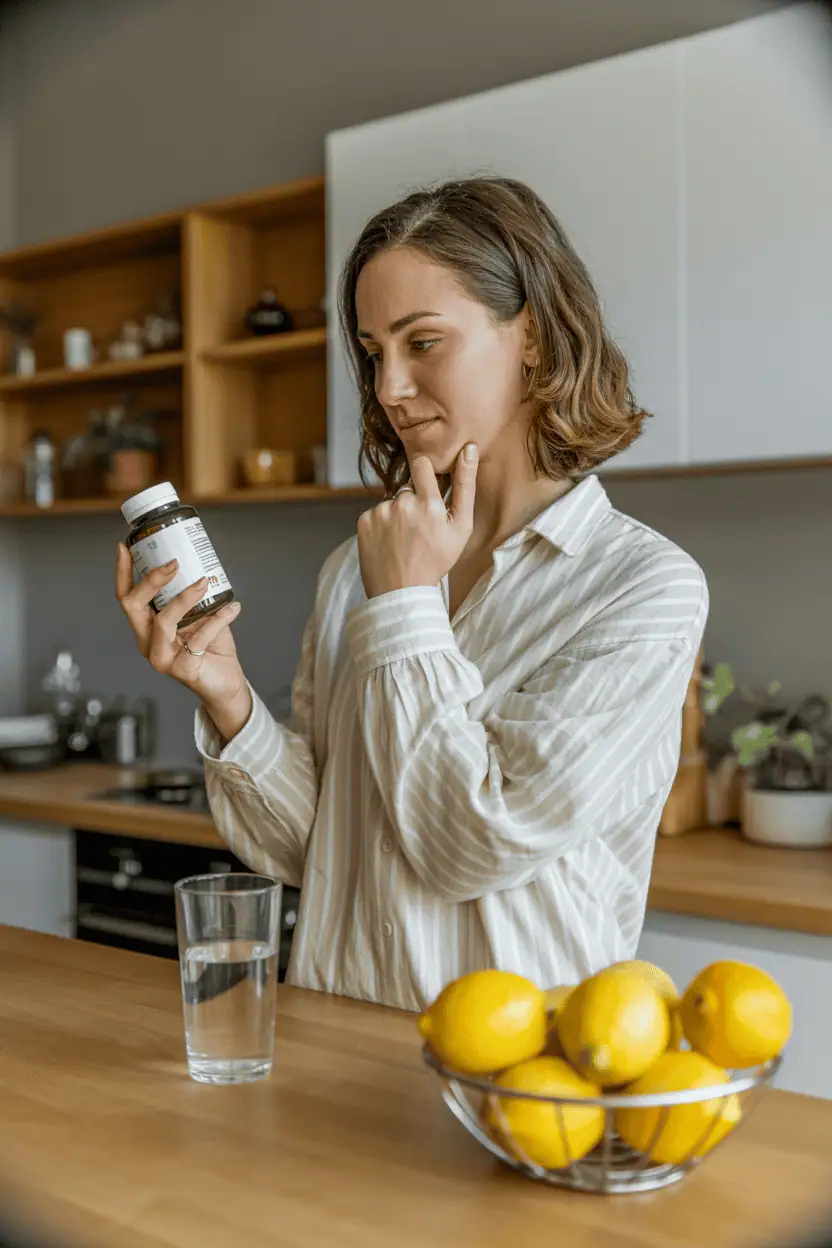

"Adaptogens" is a marketing and traditional-medicine term for herbs such as ashwagandha, rhodiola and ginseng that are said to help the body handle stress. Some have been studied, and some small trials show benefits for stress or anxiety scores. But the evidence is uneven, product quality varies, and rare but serious safety problems have been reported.
This guide explains what the research shows, who should avoid these herbs and what has stronger support for managing stress.
Adaptogens are not a proven treatment for stress. If you want to try one, talk to a provider or pharmacist first. Avoid ashwagandha if you are pregnant or breastfeeding, and stop and seek care if you notice signs of liver problems such as yellowing skin or eyes, dark urine or severe stomach pain.
Common adaptogens at a glance
| Herb | What is claimed | What is known | Cautions |
|---|---|---|---|
| Ashwagandha | Lowers stress and cortisol, improves sleep. | Some randomized trials of standardized extracts report improved stress and anxiety scores compared with placebo. Trials are often small, short and sometimes industry-funded. | Rare cases of liver injury have been reported. Avoid in pregnancy and breastfeeding. Can interact with some medicines, so ask a pharmacist. |
| Rhodiola | Reduces fatigue and burnout. | Evidence is limited and mixed. Products vary. | Can cause jitteriness or trouble sleeping. Talk to a provider if you take antidepressants. |
| Ginseng | Boosts energy and resilience. | Mixed evidence. | May interact with some medicines. Ask a pharmacist. |
| Holy basil (tulsi) | Calms stress. | Limited human research. | Talk to a provider if you take medicines. |
Questions to ask before you try one
- Do I take any prescription or over-the-counter medicines that could interact?
- Am I pregnant, breastfeeding or planning pregnancy?
- Do I have liver, thyroid, autoimmune or blood sugar conditions?
- Is my stress or low energy possibly something else, such as poor sleep, anemia or depression?
- Does the product have a third-party seal, a clear ingredient list and a defined dose?
Stress tools with stronger support
| Tool | Try this |
|---|---|
| Sleep | Keep a steady schedule. See Simple Ways to Create a Calming Evening Routine. |
| Movement | Walk most days. See A Simple Walking Routine for Beginners. |
| Breathing and relaxation | Slow breathing or gentle yoga. See Yoga Poses to Relieve Stress and Boost Flexibility. |
| Writing it down | A five-minute brain dump before bed. |
| Social connection | Talk with a friend or family member. |
| Professional support | Therapy, especially cognitive behavioral therapy, is well studied for stress and anxiety. |
How to read a supplement label
- Choose a product with a stated dose and plant part (for example, root extract).
- Avoid "proprietary blends" that do not list amounts.
- Look for a third-party testing seal, such as USP or NSF.
- Be skeptical of claims to lower cortisol, "balance hormones" or cure anxiety.
- Buy one product at a time so you can tell what is affecting you.
Talk to a provider if stress or anxiety lasts for weeks or interferes with daily life. In the United States, call or text 988 if you are in crisis.
Why evidence for herbs is hard to judge
- Small, short studies. Many trials involve dozens of people for a few weeks, so long-term safety is unclear.
- Different products. Extracts differ in plant part, strength and manufacturing, so results for one brand may not apply to another.
- Funding. Some studies are funded by the manufacturer of the extract.
- Placebo effects. Stress and mood are strongly influenced by expectation, which is why placebo-controlled trials matter.
- Regulation. In the U.S., dietary supplements are not approved by the FDA before they are sold, so labels may not match contents.
A sensible way to decide
| Step | What to do |
|---|---|
| 1. Rule out other causes | Poor sleep, low iron or thyroid problems, depression and medications can all affect stress and energy. See Why You Feel Tired Even When Eating Healthy. |
| 2. Fix the basics first | Sleep, movement, meals and breaks for two to four weeks. |
| 3. Ask a professional | A pharmacist can check interactions in a few minutes. |
| 4. Try one product with a plan | Track stress and sleep for a few weeks, and set a stop date. |
| 5. Reassess | If nothing improves, or side effects appear, stop. |
What "lowering cortisol" claims mean
Marketing often says an herb "lowers cortisol." Cortisol is a hormone your body needs, and it naturally rises and falls through the day. Lower is not always better, and a blood or saliva number does not automatically mean you feel less stressed. Stress is also a mix of thoughts, sleep, workload and life events, so a single hormone is rarely the whole story. If you are worried about your cortisol level or think you have a hormone condition, a doctor can evaluate you.
FAQ
Do adaptogens work for stress?
Is ashwagandha safe?
How long does it take for adaptogens to work?
Sources and further reading