A vegetable garden does not have to be expensive, but it is easy to overspend on gear you do not need. The best budget strategy is to spend on the few things that make the biggest difference (sun, soil and water access) and to improvise or borrow the rest.
This guide breaks a starter garden into cost categories, shows what to buy first, where to save and what is worth paying for. Prices vary widely by region and store, so it uses simple cost tiers rather than dollar figures. It is part of the Grow Your Own Food series.
Spend first on a soil test, good soil or compost, and a way to water. Save on tools, containers and seeds. Start small, and grow crops that cost a lot at the store, such as herbs and salad greens.
What a starter garden costs, by category
| Item | Cost level | Spend or save? |
|---|---|---|
| Soil test | Low | Spend. It tells you what the soil needs and can prevent wasted fertilizer. Ask your county extension office. |
| Soil and compost | Medium to high | Spend. Healthy soil matters more than fancy tools. Bulk delivery is cheaper than bags for larger beds. |
| Raised bed materials | Medium to high | Optional. In-ground beds with amended soil cost less, if your soil is safe and workable. |
| Seeds | Low | Save. Seeds are a bargain compared with transplants, especially for lettuce, beans, radishes and cucumbers. |
| Transplants | Low to medium | Buy a few for slow crops such as tomatoes and peppers. |
| Watering (hose, can, drip) | Low to medium | Spend on something that reaches the garden easily. |
| Mulch | Low | Save. Straw, shredded leaves or free wood chips work well. |
| Tools | Low to medium | Save. A trowel, hand pruners, a rake and gloves are enough to start. |
| Supports (cages, stakes, trellis) | Low to medium | Save. Use bamboo, tomato cages or scrap fencing. |
| Fertilizer | Low | Buy only what your soil test recommends. |
Where to save
- Borrow or share tools with friends, neighbors or a community garden.
- Start seeds instead of buying plants where it makes sense. See Seeds or Transplants?
- Use free materials. Fallen leaves, grass clippings from an untreated lawn and cardboard can serve as mulch or compost inputs. Compost your kitchen scraps. See Building Soil With Compost.
- Swap seeds and plants at local exchanges, and check library seed programs.
- Check local resources. Some extension offices, cities and community gardens offer low-cost soil tests, compost or plants.
- Reuse containers as long as they are food-safe and have drainage holes. See Growing Vegetables in Containers.
Where it pays to spend
- Soil: if your soil is compacted or contaminated, raised beds with quality soil can be worth it. Extension services suggest that one-third to one-half of a raised-bed mix can be native soil, and the rest compost.
- Water access: a hose or drip line that reaches makes a huge difference to whether you water on time.
- A sturdy trellis or cage for tomatoes and vining crops. Weak supports collapse under a heavy harvest.
- Reliable varieties from a reputable seed company, with disease-resistant traits noted on the label.
Pick crops that pay you back
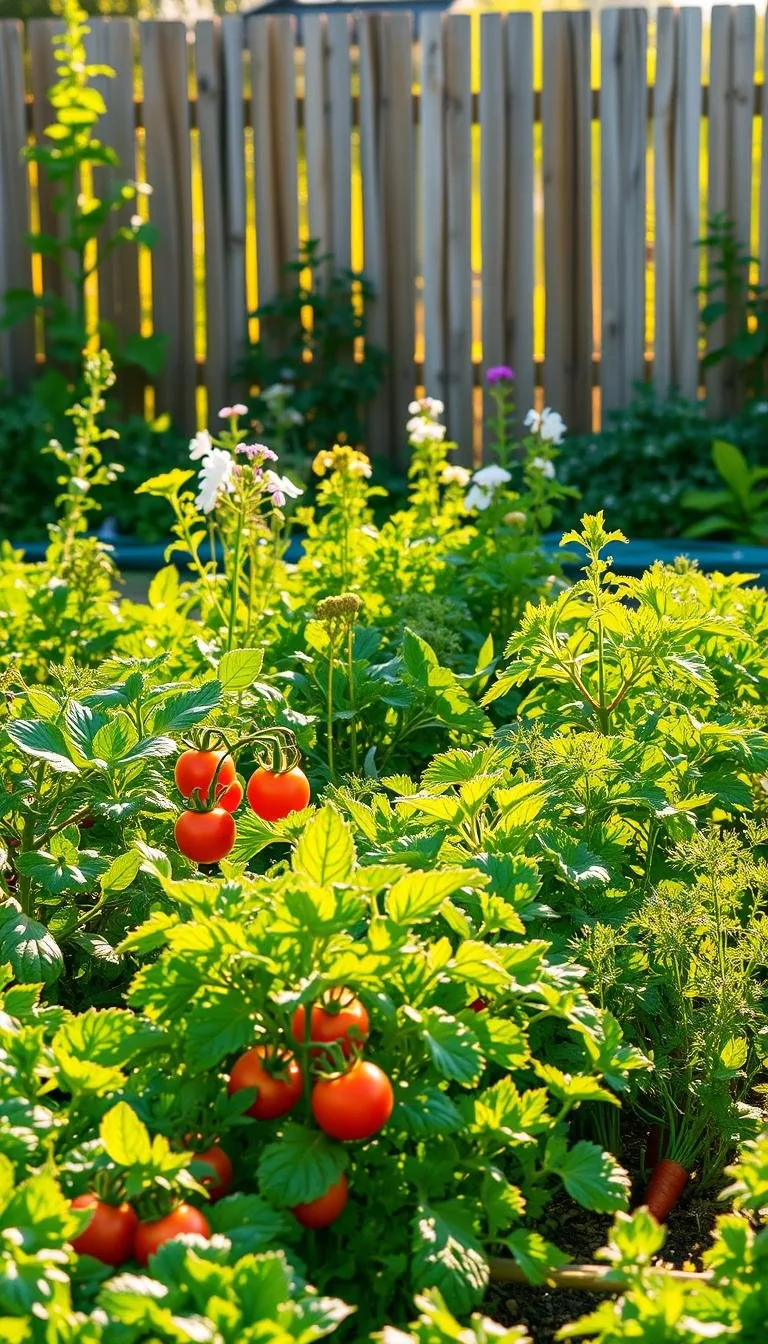
Fresh herbs, salad greens, cherry tomatoes and peppers often cost more at the store than they cost to grow. Cheap staples such as potatoes and storage onions usually do not save money. See Top Vegetables for a High-Yield Home Garden.
A low-cost first-year plan
| Stage | Do |
|---|---|
| Before spring | Get the soil test, gather containers and free mulch, and order or swap seeds. |
| Early spring | Sow cool-season crops from seed, such as lettuce, radishes and peas. |
| After last frost | Plant a few tomato and pepper transplants, and sow beans and cucumbers. |
| Summer | Mulch, water and harvest. Save seeds from open-pollinated varieties if you like. |
| Fall | Compost plant waste (not diseased plants) and note what worked. |
Hidden costs to plan for
- Water bills in dry summers.
- Replacing supplies that wear out or blow away.
- Fencing for rabbits or deer, if you have them.
- Time. A garden takes a few hours a week in season.
FAQ
How much does it cost to start a vegetable garden?
Is it cheaper to grow my own vegetables?
What do I need to start a garden?
Sources and further reading